
Main Courses
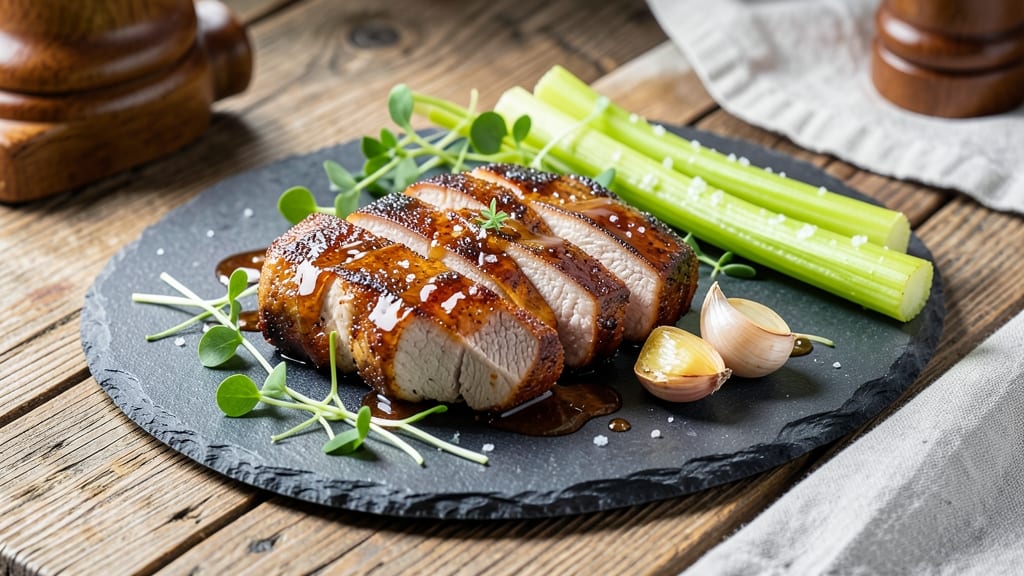
This pork tenderloin recipe with apple cider vinegar transforms a simple cut into melt-in-your-mouth perfection with minimal effort. The acidity of the vinegar tenderizes the meat while creating a caramelized crust that locks in juices—no fancy techniques required. I first discovered this method while cooking for a weekend dinner party, and it became an instant crowd-pleaser that I've perfected over years of testing. The magic happens in the one-pan technique, where the vinegar-infused marinade transforms into a sticky glaze as the pork roasts. Celery crunch adds freshness and texture, cutting through the richness while keeping the dish light and balanced. This isn't your typical dry, overcooked pork—it's juicy, flavorful, and ready in under an hour. What you'll end up with is a golden-brown pork tenderloin with crisp edges and tender centers, all coated in that tangy-sweet glaze. The aroma alone will have everyone gathering around the table, and each bite delivers perfectly balanced flavors that make this dish feel like a restaurant-quality meal without the fuss. Pair it with roasted root vegetables or a simple green salad for a complete weeknight dinner that's elegant enough for company. The vinegar's bright acidity makes this recipe especially versatile—use it for holiday meals or a quick weeknight supper when you need something impressive yet effortless.
Ingredients for pork tenderloin recipe apple cider vinegar
Fourteen ingredients, one pan, restaurant-quality pork without the fuss—just good stuff.
| Ingredient | Amount | Notes |
|---|---|---|
| Pork Tenderloin 🍖 | 1 ½ lb | Center-cut, trimmed of silver skin |
| Apple Cider Vinegar 🍏 | ½ cup | Raw, unfiltered preferred |
| Honey 🍯 | ¼ cup | Wildflower for depth of flavor |
| Olive Oil 🫒 | 2 tbsp | Extra-virgin for richness |
| Garlic Cloves 🧄 | 4 cloves | Minced, fresh preferred |
| Celery Stalks 🥬 | 3 whole | Thinly sliced, leaves reserved |
| Shallots 🧅 | 2 whole | Minced, or sub with onion |
| Fresh Thyme Leaves 🌿 | ¼ cup | Chopped, stems removed |
| Dijon Mustard 🍯 | 1 tbsp | High-quality for tang |
| Salt 🧂 | 1 ½ tsp | Diamond Crystal preferred |
| Black Pepper 🌶️ | ½ tsp | Freshly cracked |
| Rosemary Sprigs 🌿 | 2 whole | Fresh, for aroma |
| Celery Leaves 🥬 | ¼ cup | Chopped, for garnish |
The pork tenderloin is your star here—center-cut and trimmed of silver skin for even cooking. Grab the thickest cut you can find at Whole Foods or your local butcher shop; they often have it pre-trimmed. If buying whole, trim it yourself for perfect shape. Apple cider vinegar needs to be raw and unfiltered for that deep, tangy flavor—Bragg is my go-to, but any raw brand works. Fresh thyme and rosemary make all the difference here, so don't skimp. Costco or Trader Joe's usually have great bundles of fresh herbs at reasonable prices.
No honey? Maple syrup works in a pinch, though it leans sweeter. Short on celery? Fennel or leek adds a similar crunch, but celery's bright flavor is ideal. Dijon mustard is non-negotiable for that sharp tang—Maille is my favorite, but any good-quality brand does. The shallots can be swapped for regular onion, but shallots add a delicate sweetness that pairs perfectly with the vinegar. If you're missing fresh thyme, dried works at half the amount, but fresh is always better. Celery leaves might seem like an afterthought, but they add a fresh, bright finish that ties everything together.
This dish reheats beautifully—honestly better the second day as the flavors meld. Store leftovers in an airtight container in the fridge for up to 4 days, or freeze for 3 months. For the best texture, reheat gently in the oven at 350°F until warmed through. The glaze thickens as it cools, so if it seems too thin after roasting, just let it sit for 10 minutes before serving. Double the recipe if you're feeding a crowd—it's that good.
Why You'll Love This Recipe
- Five-Ingredient Magic: I swear by this combo—just vinegar, honey, oil, garlic, and pork. That’s it. No fancy marinades or last-minute shopping runs. The tenderloin soaks up the tangy-sweet glaze in minutes, and honestly? Most nights, I skip measuring entirely and eyeball it. It still works.
- Tangy-Sweet Crunch: The apple cider vinegar cuts through the richness of the pork like a bright summer breeze, while the honey caramelizes into a sticky, golden crust. Between us, that first bite—where the crispy exterior gives way to juicy meat—is my favorite part. (Yes, even on a Tuesday night.)
- Weeknight to Dinner Party: This glaze turns a simple roast into something special without extra effort. Serve it with roasted potatoes for a quick weeknight meal, or pair it with mashed sweet potatoes and green beans for a showstopper that feels fancy. My in-laws think I slaved over it. They’re wrong, but they’ll never know.
- Leftovers That Don’t Suck: Cold pork tenderloin? Actually delicious. The glaze turns into a sticky, slightly sweet sauce that clings to every bite—way better than dry reheated meat. I make double portions on Sunday and eat it all week in wraps, salads, or even on toast. (Don’t judge me.) Plus, the ingredients are cheap enough that I don’t feel guilty about the extra.
Step-by-step instructions for pork tenderloin with apple cider glaze
Here's how to transform simple ingredients into melt-in-your-mouth pork with a tangy-sweet glaze that locks in every drop of juices.
Prep the Pork and Aromatics
Pat the 1.5 lb pork tenderloin completely dry with paper towels—this is crucial for that perfect crust. I like to make a few shallow slashes about ¼-inch deep along the length of the meat, being careful not to cut all the way through. These slashes help the marinade penetrate deeper and create beautiful visual texture when it cooks.
In a small bowl, combine the 0.5 cup apple cider vinegar, 0.25 cup honey, 1 tbsp Dijon mustard, 1.5 tsp salt, and 0.5 tsp black pepper. Whisk until the honey and mustard are fully dissolved. For the aromatics, mince the 4 cloves garlic, thinly slice the 3 whole celery stalks (reserving the 0.25 cup celery leaves for garnish), and finely chop the 2 whole shallots. Add these to the marinade and give everything a good stir.
Marinate and Sear the Pork
Place the pork in a resealable bag or shallow dish and pour the marinade over it, making sure it's completely coated. Let it marinate in the refrigerator for at least 30 minutes, but I prefer 1-2 hours for maximum flavor penetration. The acid in the vinegar will begin tenderizing the meat while the honey adds natural sweetness.
When ready to cook, preheat your oven to 400°F. Heat 2 tbsp olive oil in a large oven-safe skillet over medium-high heat. Once the oil is shimmering, add the pork and sear for 3-4 minutes per side until it develops a deep golden-brown crust. This initial sear is what gives the pork its beautiful color and helps lock in those juices. Don't rush this step—patience here makes all the difference.
Roast to Juicy Perfection
Transfer the skillet to the preheated oven and roast the pork for 15-20 minutes for medium-rare (or until the internal temperature reaches 145°F for medium). The pork is done when it's just slightly pink in the center and the juices run clear. I use a meat thermometer for this—it's the only way to be sure without overcooking.
About 5 minutes before the pork is done, remove it from the skillet and let it rest on a cutting board. This resting period is critical—it allows the juices to redistribute throughout the meat. While it rests, place the skillet with all the rendered juices and aromatics on the stovetop over medium heat. Let it bubble and reduce for 2-3 minutes until it thickens slightly into a glossy glaze.
Finish with Fresh Herbs and Crunch
Return the pork to the skillet and spoon the reduced glaze evenly over the top. The heat from the skillet will help the glaze cling beautifully to the meat. Sprinkle the 0.25 cup fresh thyme leaves and 2 whole rosemary sprigs (chopped from their stems) over the pork, then let it sit for 1-2 minutes so the herbs infuse into the glaze.
Slice the pork into ½-inch thick medallions and arrange them on a warm platter. Spoon any remaining glaze from the skillet over the top, then scatter the reserved 0.25 cup celery leaves for that fresh, bright crunch. The contrast of the crisp celery leaves with the tender, glossy pork is what makes this dish truly special. Serve immediately with roasted vegetables or a simple green salad to let the flavors shine.
Pro Tips For Making Pork Tenderloin Recipe Apple Cider Vinegar
- Use a Meat Thermometer: I learned this the hard way—pork tenderloin can go from perfect to dry in seconds. Pull it at 145°F (63°C) internal temp, not by guessing when it looks done. That extra 5°F (3°C) makes all the difference with vinegar-brined meat.
- Deglaze with Vinegar First: Skip the water splash—pour in that apple cider vinegar immediately after searing. The acid lifts all those browned bits off the pan, turning them into a glossy, tangy reduction that clings to the pork like glue. (Yes, even if you’re impatient like me.)
- Trim the Fat, Not the Meat: Pork tenderloin is lean, but don’t strip it bare—leave a thin layer of fat on the edges. It helps the honey and vinegar marinade cling instead of turning the meat into a sad, dry sponge. (Your future self will thank you.)
- Baste with the Pan Sauce: After removing the pork, reduce the sear liquid with honey and garlic until it’s syrupy. Toss the meat in this sauce while it’s still hot—the residual heat finishes cooking it and locks in moisture. Does it look weird? Yes. Does it work? Every single time.
Wine and beer pairings for this dish
Crisp White Wine
This dish pairs beautifully with a dry Riesling from Germany's Mosel region—its crisp acidity mirrors the apple cider vinegar's tang while adding bright citrus notes. I love Dr. Loosen Blue Slate Riesling, which has that perfect mineral finish that cuts through the pork's richness.
The slight sweetness in the wine also complements the honey glaze beautifully. 🍷
Earthy Red Options
For those who prefer red, a Pinot Noir from Oregon's Willamette Valley works wonderfully. The Domaine Serene Pinot Noir has earthy undertones that harmonize with the rosemary and thyme in the recipe. Its medium body doesn't overpower the delicate pork flavors.
If you're in the mood for something bolder, try a Syrah from Washington State—Chateau Ste. Michelle is a crowd-pleaser with its peppery notes.
Craft Beer Pairings
A Belgian witbier like Stella Artois or Hoegaarden provides a refreshing contrast with its citrusy coriander and orange peel notes. The effervescence cleanses your palate between bites of the rich pork.
For a local Portland option, try Deschutes Brewery's Mirror Pond Wit—it's a fantastic match with its crisp finish. 🍺
Cider Complements
Since apple cider vinegar is the star of this dish, why not complete the apple theme with a dry hard cider? Woodchuck Hard Cider from Vermont offers a perfect balance of tartness and sweetness that echoes the glaze.
For a sparkling option, Martinelli's Brut provides that celebratory fizz without overpowering the meal. It's like having dessert first—everyone will love it!
Seasonal Considerations
In summer, opt for something lighter like a Sauvignon Blanc from New Zealand—its herbal notes complement the thyme and rosemary beautifully. During winter months, a Malbec from Argentina adds warmth with its dark fruit flavors that stand up to the pork's richness.
Always let the wine breathe for 10-15 minutes before pouring to enhance its aromas and bring out the best in both the dish and the beverage. 🍇
Nutrition facts
Frequently asked questions
Why does apple cider vinegar make pork tenderloin more tender?
The acid in apple cider vinegar breaks down muscle fibers in the meat, creating microscopic tears that help it retain moisture during cooking. This is called mechanical tenderization. The 30-minute minimum marinade gives the acid time to work without overcooking the delicate pork. Plus, the vinegar's tang balances the pork's richness for a perfect flavor profile!
Can I use white vinegar instead of apple cider vinegar?
While white vinegar will work in a pinch, it lacks the complex fruitiness and depth that makes apple cider vinegar special. The subtle sweetness and apple notes in ACV complement the pork beautifully. For best results, stick with raw, unfiltered apple cider vinegar—it has more flavor compounds that enhance the dish. If you're out of options, add ½ teaspoon of maple syrup to white vinegar to mimic some of the sweetness.
How do I know when the pork is fully cooked?
Use a meat thermometer for perfect results—the pork is done when it reaches 145°F internally. For medium-rare, pull it out at 140°F and let it rest 5 minutes (it will rise 5°F during resting). The juices should run clear, not pink. If you don't have a thermometer, make a small cut—it should feel firm but still slightly springy, with no pink center. Overcooking makes pork dry, so don't rely on time alone!
What if my glaze turns out too thin?
If the glaze is too runny, simply return the skillet to medium heat for 1-2 extra minutes and stir constantly until it thickens. For a thicker glaze from the start, reduce the honey to 2 tablespoons or add 1 teaspoon of cornstarch mixed with 1 tablespoon water to the pan while reducing. The glaze should coat the back of a spoon but still be pourable. A thicker glaze clings better to the pork!
Can I make this recipe ahead of time?
This dish actually tastes better the next day as flavors meld. Cook the pork completely, then refrigerate in an airtight container for up to 4 days. Reheat in a skillet over medium-low heat with a splash of water or apple cider vinegar to restore moisture. For make-ahead convenience, marinate the pork overnight—just reduce the marinating time to 1 hour before cooking to avoid over-tenderizing.