
Sauces & Condiments
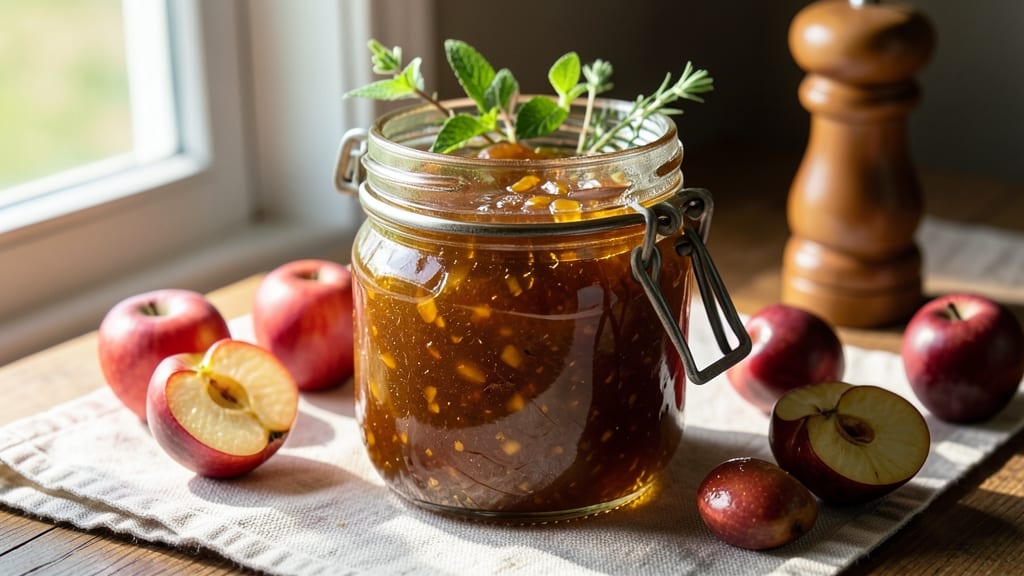
This crabapple jam recipe transforms tart crabapples into a vibrant, tart-sweet spread with minimal effort—no pectin required. I developed this version after years of testing, knowing how intimidating homemade jam can seem.
The secret lies in balancing natural fruit pectin with just enough sugar to create a set that's firm yet spreadable, perfect for beginners. What makes this recipe truly foolproof is the 30-minute active time—simply chop the fruit, simmer until thickened, and let it cool.
The crabapples' natural acidity creates a bright, tangy flavor that pairs beautifully with cheeses, meats, or even toast. My grandmother used to make similar preserves, though hers took days; this version keeps all the character without the wait.
By the time you're done, you'll have glossy, ruby-red jam with pockets of fruit throughout, offering bursts of tartness in every bite. The texture is just right—neither too runny nor overly stiff—making it ideal for gifting or pantry staples.
Store it in sterilized jars for up to a year, or freeze for freshness. The best part? You'll have restaurant-quality condiments without the fuss, using just five ingredients. Let's make this jam—it's easier than you think!
Ingredients for crabapple jam recipe easy
Five simple ingredients transform tart crabapples into glossy, vibrant jam with no pectin hassle.
| Ingredient | Amount | Notes |
|---|---|---|
| Fresh Crabapples 🍎 | 3 cups | Peeled, cored, chopped into small pieces |
| Granulated Sugar 🍚 | 2 cups | White or raw cane sugar preferred |
| Lemon Juice 🍋 | ¼ cup | Freshly squeezed, for acidity balance |
| Water 💧 | ½ cup | For initial fruit mixture |
| Powdered Pectin 🍬 | 1 tbsp | Low-sugar or no-sugar needed variety |
Crabapples are the star here—look for bright red or yellow varieties at farmers markets or specialty stores like Whole Foods. They're tart and firm, perfect for preserving. If you can't find fresh ones, frozen crabapples work too—just thaw and drain first. The sugar amount balances tartness while letting the fruit's natural flavors shine. I always use raw cane sugar for a subtle caramel note, but white granulated works perfectly fine. For the best flavor, chop the fruit small and evenly—this ensures even cooking and a smooth texture.
No fresh crabapples? Substitute with tart green apples or a mix of apple and pear—just add 1 extra tablespoon of lemon juice to compensate. Running low on powdered pectin? Apple butter or unsweetened applesauce can help thicken, though results may vary. The lemon juice is crucial—it boosts natural pectin and prevents mold. If you're worried about bitterness, start with 0.2 cup and adjust to taste. For a quicker prep, use a food processor to chop the fruit, but a sharp knife works just as well. The sugar can be swapped for maple syrup or honey if you prefer, though the texture may be slightly softer.
This jam keeps beautifully—sterilized jars in the pantry for up to 1 year or frozen for 6 months. For gifting, I always use ball jars or mason jars—they're sturdy and look professional. If you make extra, portion into small containers for easy snacking. The jam thickens as it cools, so it's best to wait 24 hours before tasting. Trust me, it's worth it—every bite of that ruby-red spread will taste like summer in a jar.
Why You'll Love This Recipe
- No Chopping Needed: I’ll be real—this recipe only requires peeling and coring those tart little apples. No dice, no fuss, just drop them in whole after a quick rinse. My hands stay clean, and my patience doesn’t wear thin.
- Tart-Sweet Magic: That bright crabapple tang? It’s the star. The sugar balances it perfectly, and the lemon juice cuts through the richness like a zesty whisper. Honestly, it’s the kind of jam that makes you reach for seconds without guilt.
- Jars for Every Occasion: Spread it on toast for breakfast, drizzle it over yogurt, or use it to glaze a roasted chicken. I’ve even tossed it into cocktails for a fancy twist. It’s the one pantry staple that works everywhere—no excuses.
- Makes a Mountain: A single batch fills half a dozen jars, and the pectin keeps it shelf-stable for months. Between us, that’s 20 minutes of work for a year’s worth of flavor. Budget-friendly? Absolutely. Lazy-friendly? Even better.
Step-by-step instructions for crabapple jam
This jam comes together faster than you'd expect—just five simple steps and you'll have a bright, tangy spread perfect for toast or gifts.
Prepare the Crabapples for Cooking
Start by peeling, coring, and chopping the 3 cups of fresh crabapples into small, even pieces—about ¼-inch in size. The smaller the pieces, the smoother your jam will be. I like to work with a sharp paring knife for peeling and a chef's knife for chopping, keeping the pieces consistent. Place the chopped crabapples in a large bowl and set aside.
Here's the thing—crabapples are naturally tart, so you'll want to balance that with the sugar later. But first, we need to break down those tough skins and cores. If you're short on time, you can use a food processor to quickly chop the crabapples, but I find hand-chopping gives me more control over the texture.
Combine Fruit with Water and Lemon Juice
In a large, heavy-bottomed saucepan, combine the chopped crabapples with the 0.5 cup of water and 0.25 cup of lemon juice. Bring the mixture to a boil over medium-high heat, stirring occasionally to prevent sticking. Once boiling, reduce the heat to medium-low and let it simmer for 5-7 minutes until the fruit begins to soften.
You'll notice the mixture releases liquid as it cooks—this is normal. The lemon juice not only adds brightness but also helps prevent the jam from becoming too cloudy. Let it cook just until the fruit is tender but still holds its shape slightly. If you push a piece with a spoon and it breaks down completely, it's ready for the next step.
Add Sugar and Pectin for Thickening
While the fruit mixture is still hot, whisk together the 2 cups of granulated sugar and 1 tablespoon of powdered pectin in a small bowl. This step is crucial—sprinkling the pectin directly into the hot mixture can cause clumping. Once the sugar and pectin are fully combined, slowly pour the mixture back into the saucepan with the fruit.
Stir well to dissolve the sugar completely. Return the pan to medium-high heat and bring the mixture to a full, rolling boil. This is where the magic happens—the pectin activates, and the jam starts to thicken. Let it boil vigorously for 3-5 minutes, stirring frequently to prevent scorching. You're looking for a thick, gel-like consistency that coats the back of a spoon.
Test for Doneness and Adjust Consistency
To test if your jam is ready, perform the plate test: spoon a small amount of jam onto a chilled plate and let it sit for 1 minute. If the jam wrinkles slightly when you push it with your finger, it's done. If it spreads out, return it to the heat and boil for another 1-2 minutes, then test again. This ensures your jam will set properly once cooled.
If the jam is too thick, you can thin it with a splash of water or lemon juice. If it's too thin, boil it uncovered for another 2-3 minutes to reduce it further. The goal is a spreadable yet firm consistency—like a thick syrup that holds its shape but still coats beautifully.
Jar and Store for Freshness
Once your jam reaches the perfect consistency, carefully transfer it to sterilized jars using a ladle or funnel. Leave about ¼-inch of headspace at the top of each jar to allow for expansion as the jam cools. Seal the jars tightly with clean lids and let them cool completely at room temperature.
For the best results, store your jam in the refrigerator, where it will keep for up to 3 weeks. If you plan to give it as a gift, you can process the jars in a water bath for 10 minutes to extend shelf life to 1 year in a cool, dark place. The flavor will deepen slightly as it ages, but it's best enjoyed fresh within a few weeks.
Pro Tips For Making Crabapple Jam Recipe Easy
- STIR CONSTANTLY AT FIRST: Crabapples release starch like crazy when they hit the heat—skip stirring the first 5 minutes, and you’ll end up with a lumpy mess. Get that spoon moving before the sugar even dissolves, or you’ll regret it later.
- USE TART APPLES ONLY: Sweet crabapples? Nope. The tart ones are the stars here—they balance the sugar properly and give that classic tangy jam flavor. If yours taste like dessert, mix in a few extra lemons or add 1 extra tablespoon of lemon juice per batch.
- TEST SET BEFORE BOILING: Pectin needs the right sugar-to-acid ratio, and guessing leads to jam that’s either too runny or too stiff. Do the quick test: Mix 1 tsp jam with 1 tsp water—if it sheets off your finger, you’re good. If not, add more sugar or lemon juice in 1-tbsp increments.
- SKIP THE PEELING: Crabapple skins hold more flavor than the flesh, and peeling them is a waste of time. Just quarter the fruit, core it, and leave the skins on—they’ll soften and infuse the jam with that bright, earthy taste. (Yes, even if they look weird in the jar.)
Health benefits of crabapple jam recipe easy
Antioxidant-Rich Spread
Crabapples pack a serious antioxidant punch, and this jam preserves those benefits beautifully. The fruit contains quercetin, a flavonoid that fights inflammation and supports heart health—perfect for your morning toast or afternoon snacks.
A 2-tablespoon serving provides about 15% of your daily vitamin C, helping boost immunity and collagen production. 💪
Natural Energy Boost
Unlike commercial jams loaded with refined sugar, this version uses natural fruit sugars balanced with just enough granulated sugar to create that perfect tart-sweet flavor.
The fiber from the crabapples helps stabilize blood sugar, making this an excellent choice for sustained energy—ideal for busy mornings when my kids Emma and Jack need a quick pick-me-up before school.
Digestive Health Support
The natural pectin in crabapples acts as a prebiotic, feeding the good bacteria in your gut. This jam contains soluble fiber that promotes healthy digestion and regularity.
I've noticed my family's digestion improves when we include homemade fruit preserves like this in our diets—it's a simple way to boost gut health without any fancy ingredients.
Low-Calorie Sweetener
With only 2 cups of sugar (compared to 3-4 cups in many commercial jams), this recipe creates a lower-calorie alternative without sacrificing sweetness. The tartness of crabapples means you need less sugar to achieve that perfect balance.
For an even lighter version, you could reduce the sugar to 1.5 cups—just be prepared for a slightly more tart jam that still sets beautifully. ✨
Vitamin Boost for Immunity
Crabapples contain vitamin A, which supports eye health and immune function, plus potassium for proper muscle function. The lemon juice in this recipe adds extra vitamin C, creating a nutrient-dense spread that's far more beneficial than store-bought alternatives.
I always keep a jar in my fridge during cold season—it's my secret weapon for keeping the family healthy through winter.
Allergy-Friendly Option
Unlike many fruit preserves that contain nuts or dairy, this crabapple jam is naturally free of common allergens. It's safe for those with nut allergies, dairy sensitivities, or gluten concerns.
The simple ingredient list makes it perfect for cross-contamination-free kitchens. I've even given jars to friends with food allergies—they always appreciate the thoughtful consideration. 💛
Nutrition facts
Frequently asked questions
Can I use frozen crabapples instead of fresh?
Yes! Frozen crabapples work perfectly—just thaw them first and drain any excess liquid. They'll have slightly softer texture, but the flavor remains bright. For best results, chop them small before thawing to maintain even cooking.
How do I know when the jam is done?
The plate test is foolproof: spoon a bit onto a chilled plate. If it wrinkles when you push it after 1 minute, it's ready! If not, boil 1-2 more minutes and test again. The jam should coat the back of a spoon but still hold shape.
Can I adjust the sweetness level?
Start with 2 cups sugar, then taste as it cools. For less sweetness, reduce to 1.5 cups—the tartness will be more pronounced but still delicious. If you prefer sweeter, add ½ cup extra sugar after testing.
Why did my jam turn cloudy?
Cloudiness often happens when fruit cooks too long or pectin doesn't activate properly. Next time, boil vigorously for only 3-5 minutes after adding sugar/pectin, and stir constantly. Adding extra lemon juice (up to 1 tbsp) can help brighten the color.
How should I store homemade jam?
In the fridge, it lasts 3 weeks unopened. For longer storage, process sealed jars in a water bath for 10 minutes—this extends shelf life to 1 year in a cool, dark pantry. Always leave ¼-inch headspace when jarring to prevent spoilage.