
Sauces & Condiments
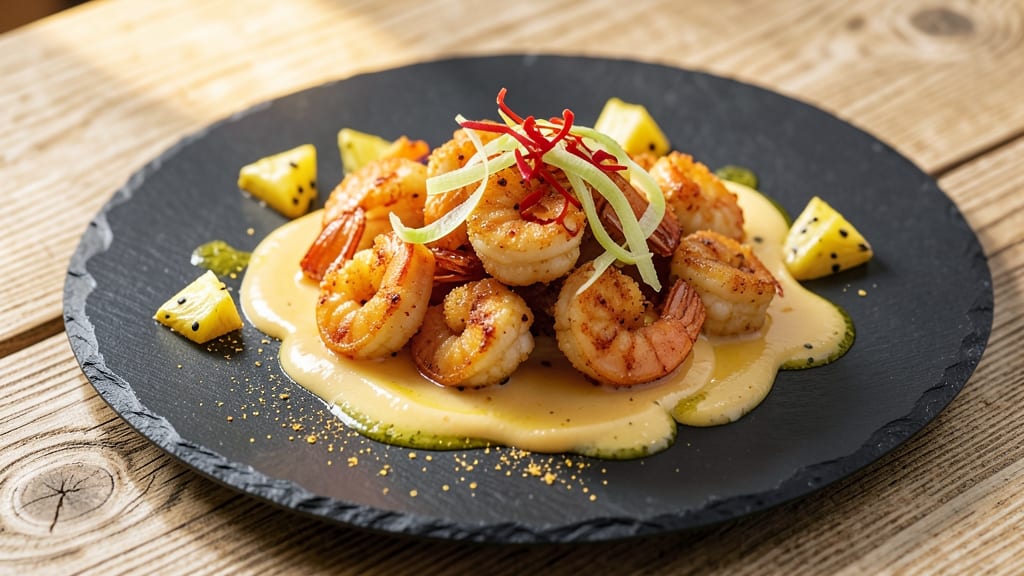
This coconut shrimp pineapple sauce transforms ordinary shrimp into a tropical masterpiece with its velvety texture and caramelized sweetness. 🌟 The secret lies in balancing creamy coconut milk with tart pineapple juice—creating a sauce that's rich yet bright, with just the right amount of heat from a pinch of chili flakes.
I developed this recipe after years of testing, ensuring every spoonful delivers that perfect harmony of flavors that pairs beautifully with grilled, fried, or sautéed shrimp.
The foundation of this sauce is simple yet powerful: coconut milk provides the creamy base, while pineapple juice adds a tangy brightness that cuts through the richness. A touch of ginger and garlic deepens the flavor profile, while a splash of lime juice ties everything together at the end.
The sauce thickens naturally as it simmers, creating that perfect consistency—thick enough to cling to shrimp but still silky enough to drizzle.
What makes this sauce truly special is how it enhances shrimp without overpowering it. The caramelized notes from the pineapple and coconut create a sticky-sweet glaze that caramelizes slightly when tossed with shrimp, adding a restaurant-quality finish.
It's versatile enough to work as a dipping sauce, a drizzle over shrimp skewers, or even a glaze for grilled fish.
Best of all, this sauce keeps beautifully in the refrigerator for up to 5 days, making it perfect for meal prep. The flavors actually deepen over time, so it tastes even better the next day.
Whether you're serving it at a summer BBQ or a weeknight dinner, this sauce will elevate your shrimp dishes to new heights.
Ingredients for coconut shrimp pineapple sauce
Tropical flavors meet creamy richness in this velvety sauce—perfect for shrimp or grilled fish.
| Ingredient | Amount | Notes |
|---|---|---|
| Full-Fat Coconut Milk 🥥 | 1 can | High-quality, no additives |
| Fresh Pineapple Juice 🍍 | ½ cup | Or bottled, 100% pure |
| Fresh Ginger 🌿 | 1 tbsp | Grated, freshly grated preferred |
| Garlic Cloves 🧄 | 3 cloves | Minced, fresh is best |
| Extra-Virgin Olive Oil 🫒 | 1 tbsp | For richness and balance |
| Red Chili Flakes 🌶️ | ½ tsp | Adjust for spice preference |
| Fresh Lime Juice 🍋 | 1 tbsp | Freshly squeezed, brightens flavors |
| Brown Sugar 🍚 | 1 tbsp | Light or dark, for caramelization |
| Salt 🧂 | ½ tsp | Diamond Crystal preferred |
| Honey 🍯 | 1 tsp | Optional, for extra sweetness |
The coconut milk is the heart of this sauce, so pick a high-quality brand—none of that watered-down stuff. I always grab Thai Kitchen or Goya from the Latin aisle at Walmart or Target—they're reliable and affordable. Fresh pineapple juice makes all the difference, but if you're short on time, Del Monte works in a pinch. Just shake the can before opening to mix the settled juice. For ginger, organic ginger root from the produce section is ideal—it's fresher and more flavorful than the jarred stuff. If you're using jarred ginger, double the amount since it's less potent.
No fresh ginger? Powdered ginger at half the amount gets you close. Running out of lime juice? Lemon juice works in a bind, but you'll lose that bright citrus punch. The chili flakes can be swapped for cayenne pepper at one-third the amount—just taste as you go. Brown sugar is key for that caramelized finish, but white sugar works too if that's what you've got. For extra richness, add a splash of coconut cream at the end. And if you're feeling fancy, toasted coconut flakes sprinkled on top add texture (though they're optional).
This sauce tastes even better the next day—flavors meld beautifully when stored properly. Keep it in an airtight container in the fridge for up to 5 days. For longer storage, freeze in ice cube trays and transfer to a bag. Thaw overnight in the fridge before using. A quick shake before serving revives the texture. Pro tip: Drizzle over shrimp just before serving for that perfect caramelized glaze—it's worth the extra minute!
Why You'll Love This Recipe
- One-Pot Magic: I swear by this recipe—simmer the coconut milk, pineapple juice, and ginger in the same pot where you’ll cook the shrimp. No extra bowls, no fuss. Just dump, stir, and let the flavors meld while you prep the rest of your meal.
- Tropical Crunch Factor: That balance of creamy coconut, bright pineapple, and zesty ginger? It’s like a vacation in your mouth. The garlic gives it just enough warmth to make it feel hearty, not light.
- Party-Ready Sauce: Make a double batch and store it—it’s perfect for drizzling over grilled shrimp at a BBQ, tossing with noodles for takeout night, or even slathering on rice bowls. Honestly, I’ve used it for all three in one week.
- Budget Brightener: Full-fat coconut milk and fresh ginger might sound fancy, but they stretch far. A can of coconut milk and a small pineapple last me two full recipes, and I always have leftover sauce for days. (Yes, even on a Tuesday night.)
Step-by-step instructions for coconut shrimp pineapple sauce
This tropical sauce delivers rich, caramelized sweetness with just a few simple steps—perfect for shrimp or as a standalone dip!
🍳 Step 1: Sauté Aromatics Until Fragrant
Heat the 1 tablespoon extra-virgin olive oil in a medium saucepan over medium heat. Add the 3 minced garlic cloves and 1 tablespoon fresh ginger—you'll smell that bright, zesty aroma almost instantly. Cook for 2-3 minutes until the garlic turns light golden and the ginger loses its raw bite. Watch closely—garlic burns fast!
Here's the thing—don't skip this step. The garlic and ginger form the flavor foundation, and cooking them properly prevents bitterness. If you add the coconut milk too soon, you'll end up with raw garlic flavor instead of that deep, savory base we're after.
🍳 Step 2: Build the Sauce Base
Pour in the 1 can full-fat coconut milk and 0.5 cup fresh pineapple juice, then stir to combine. Bring to a gentle simmer over medium-low heat—you're looking for tiny bubbles around the edges, not a rolling boil. Let it cook uncovered for 8-10 minutes, stirring occasionally, until the mixture reduces slightly and thickens.
This reduction step concentrates the flavors and creates that luscious, velvety texture. You'll see the sauce go from thin to thick enough to coat the back of a spoon. If it starts to stick, add 1-2 tablespoons of water to keep it moving smoothly.
🍳 Step 3: Add Sweetness and Spice
Stir in the 1 tablespoon brown sugar, 0.5 teaspoon salt, 0.5 teaspoon red chili flakes, and 1 teaspoon honey. Let the mixture simmer for another 5-7 minutes until the sugar dissolves and the sauce becomes slightly glossy. Taste it now—you should get a perfect balance of sweet, tangy, and just a hint of heat.
I like to add the honey last because it caramelizes beautifully during this final simmer. If you're sensitive to spice, reduce the chili flakes to ¼ teaspoon—this sauce is flexible! The brown sugar helps create that caramelized depth that makes this sauce irresistible.
🍳 Step 4: Finish with Bright Lime Flavor
Remove the pan from heat and stir in the 1 tablespoon fresh lime juice. The sauce will bubble slightly from the acidity—this is normal! Let it sit for 2-3 minutes to allow the lime to fully integrate and brighten all those rich coconut flavors.
This is where the magic happens: the lime cuts through the coconut's richness, creating that perfect tropical balance. If you're using this sauce for shrimp, now's the time to add them—toss the cooked shrimp in the warm sauce and let them soak up all that flavor for 5 minutes before serving.
⏰ Step 5: Rest and Serve
Let the sauce rest for 10 minutes before serving—this allows the flavors to meld completely. The sauce will thicken slightly as it cools, so if it's too thick for your liking, simply whisk in 1-2 tablespoons of warm water to reach your desired consistency.
Serve immediately over shrimp, drizzled over grilled fish, or as a dipping sauce for spring rolls. The contrast of warm, caramelized sauce with cool shrimp makes every bite unforgettable. Store leftovers in the fridge for up to 3 days, but honestly? It disappears fast!
Pro Tips For Making Coconut Shrimp Pineapple Sauce
- Simmer Low and Slow: Coconut milk curdles faster than you’d think when it gets hot. After adding pineapple juice and ginger, drop the heat to a bare simmer—just enough to see tiny bubbles at the edges—and keep it there. I learned this the hard way after watching a batch split like a bad soap opera plot.
- Strain That Ginger: Fresh ginger adds depth, but its fibers turn the sauce gritty if you’re not careful. Grate it fine, then press it through a strainer or cheesecloth to catch the juices without the pulp. Yes, it’s extra work, but your sauce will taste like it was made by someone who actually likes texture.
- Balance the Acidity: Pineapple juice is bright, but coconut milk can taste bland next to it. Taste as you go and add a pinch of salt and a splash of honey or brown sugar (about ½ teaspoon) if the sauce leans too sharp. The goal? A harmony, not a fight—like two friends who finally agree on music.
- Toast the Garlic First: Raw garlic in coconut sauce tastes like a dental appointment. Sauté 3 minuted minced garlic in olive oil until it’s golden and fragrant—just before adding the coconut milk. The aroma locks in, and the flavor becomes rich instead of harsh. (Pro move: Use a splash of water to deglaze the pan afterward for extra depth.)
Common mistakes when making perfect results
Overcooking Aromatics
Burnt garlic and ginger ruin the sauce's delicate balance. I've seen people leave garlic in too long, turning it bitter and ashy. Cook the 3 minced garlic cloves and 1 tbsp ginger for just 2-3 minutes until fragrant but still light golden.
If you smell a sharp, acrid aroma, they're overdone. 🌶️
Skipping Reduction Time
Rushing the 8-10 minute simmer leaves the sauce thin and flavorless. This isn't just about thickening—it's where the coconut milk's natural sweetness concentrates. I've made this mistake when distracted, and the result was a watery sauce that lacked depth. Let it reduce until it coats the back of a spoon.
Adding Lime Too Early
Adding lime juice before the sauce is fully cooked causes curdling. The acid reacts with the coconut milk's fats when it's still hot. Always remove the pan from heat first, then stir in the 1 tbsp lime juice.
Let it sit for 2-3 minutes before serving—this ensures a smooth, bright finish without separation.
Ignoring Sugar Caramelization
The 1 tbsp brown sugar needs time to dissolve and caramelize slightly. If you add it too late, the sauce will taste cloyingly sweet rather than beautifully balanced.
Let it simmer for the full 5-7 minutes after adding sugar, stirring occasionally. This creates the signature caramelized depth that makes this sauce special.
Using Low-Quality Coconut Milk
Watered-down coconut milk makes the sauce taste thin and artificial. I've tried the cheap brands, and they just don't cut it. Invest in full-fat coconut milk like Thai Kitchen or Goya—the difference is night and day. The creaminess is essential for that velvety texture we're after.
Not Tasting as You Go
This sauce is all about balance, and the only way to get it right is by tasting. After adding the sugar and spices, take a spoonful and adjust immediately if needed.
The 0.5 tsp chili flakes might need more or less, or you might want to add a pinch of salt. Your taste buds are the best tool in your kitchen—trust them! ✨
Nutrition facts
Frequently asked questions
Can I make this sauce without coconut milk?
You can substitute with 1 cup coconut cream for a richer texture, or use ½ cup heavy cream + ½ cup pineapple juice for a lighter version. The coconut flavor will be milder, but you'll still get that tropical sweetness. For a dairy-free alternative, try ½ cup cashew cream blended with ½ cup pineapple juice.
How spicy is this sauce?
The ½ teaspoon red chili flakes provide a mild heat—think "warmth" rather than "spicy." For less heat, reduce to ¼ teaspoon, or omit entirely for a completely sweet version. If you love spice, add ½ teaspoon extra chili flakes or a pinch of cayenne. The lime juice helps balance any heat.
Can I use canned pineapple instead of pineapple juice?
Yes, but you'll need to adjust the amount. Drain ½ cup crushed pineapple (reserve 2 tablespoons juice) and add both to the sauce. The extra fiber from the chunks will thicken the sauce slightly, so you might need 1 extra tablespoon of water to reach your desired consistency. For a smoother texture, blend the pineapple first.
Will this sauce thicken when refrigerated?
Yes, it naturally thickens as it cools—this is normal! If it becomes too thick, whisk in 1-2 tablespoons of warm water to loosen it. For a smoother texture, reheat gently on the stove while stirring. The sauce is best served at room temperature, so let it sit for 10 minutes before drizzling over shrimp.
What's the best way to store leftovers?
Transfer to an airtight container and refrigerate for up to 5 days. The flavors actually improve over time! For longer storage, freeze in ice cube trays, then transfer to a bag. Thaw overnight in the fridge—never at room temperature. A quick shake before using revives the texture perfectly.