
Main Courses
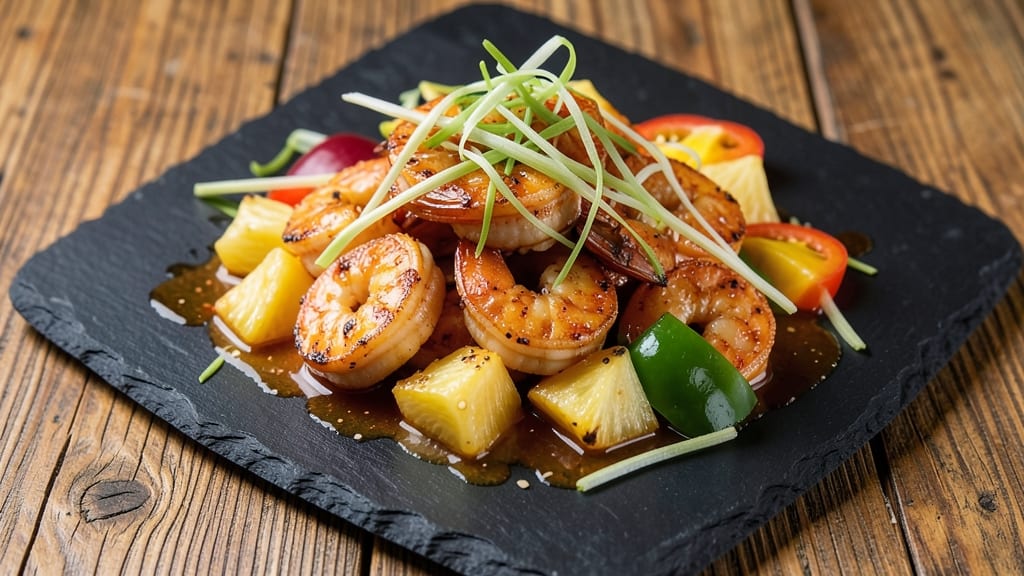
This Chinese pineapple shrimp recipe delivers restaurant-quality wok sizzle with every bite—sweet pineapple, tender shrimp, and that signature celery-pepper crunch. The secret lies in high-heat stir-frying that locks in juices while caramelizing the shrimp's edges, creating a dish that's both visually stunning and packed with bold flavors.
I've perfected this technique over years of testing, ensuring the balance between sweet, savory, and umami hits just right.
The magic happens in the wok where shrimp sears in just 2 minutes, then gets tossed with crisp-tender celery and bell peppers that maintain their crunch. Fresh pineapple chunks add natural sweetness that cuts through the dish's richness, while a quick soy-ginger sauce ties everything together.
What you'll end up with is a vibrant, aromatic plate that's ready in 20 minutes—ideal for weeknight dinners or special occasions.
Pair this dish with steamed jasmine rice to soak up every last bit of that sticky-sweet sauce, or serve over noodles for a heartier meal.
The bright colors and contrasting textures make it perfect for photographing, too—golden shrimp, crisp vegetables, and glossy pineapple create a visually appealing plate that's as impressive as it is delicious.
This recipe works equally well for feeding a family of four or a crowd—just double the ingredients. The best part? Every component comes together in one pan, minimizing cleanup while maximizing flavor. Let's get cooking!
Ingredients for chinese pineapple shrimp
Restaurant-quality wok sizzle starts with these vibrant, high-impact ingredients—juicy shrimp, crisp vegetables, and bold Asian flavors.
| Ingredient | Amount | Notes |
|---|---|---|
| Large Shrimp (Peeled and Deveined) 🦐 | 1 ½ lb | Tail-on for presentation, size 31/40 |
| Fresh Pineapple (Cored) 🍍 | 1 ½ cups | Diced into 1-inch chunks, fresh preferred |
| Celery Stems 🧅 | 2 whole | Cut into 1-inch pieces, strings removed |
| Bell Peppers (Assorted Colors) 🌶️ | 1 ½ cups | Julienned into thin matchsticks |
| Green Onions 🧅 | 4 whole | White and green parts separated |
| Garlic Cloves 🧄 | 6 cloves | Minced finely for aromatic base |
| Ginger Root 🌿 | 1 tbsp | Freshly grated, finely |
| Soy Sauce (Light) 🍶 | ½ cup | High-quality, low-sodium preferred |
| Oyster Sauce 🍜 | 2 tbsp | Kikkoman or Lee Kum Kee brand |
| Sesame Oil 🫒 | 1 tbsp | Toasted, for finishing |
| Cornstarch 🌾 | 1 tbsp | For coating shrimp |
| Vegetable Oil 🫒 | ½ cup | High smoke point for wok |
| Brown Sugar 🍯 | 1 tbsp | Lightly packed |
| Red Pepper Flakes 🌶️ | ½ tsp | Adjust for heat preference |
| Salt 🧂 | 1 ½ tsp | Diamond Crystal kosher salt |
The shrimp quality makes or breaks this dish. Look for fresh, tail-on shrimp at seafood counters—Whole Foods or local fish markets carry the best. Size 31/40 is ideal for even cooking, and pat them dry with paper towels before seasoning to ensure a perfect sear. Fresh pineapple is non-negotiable here; canned lacks the bright sweetness and texture. For the celery and bell peppers, crispness is key—select firm vegetables with vibrant color. If using pre-cut veggies, check the date and store them in airtight containers to maintain crunch. The ginger and garlic should be freshly minced just before cooking to maximize their aromatic punch.
No fresh pineapple? High-quality canned pineapple in juice (like Del Monte Gold) works in a pinch, but drain it thoroughly and pat it dry. Substituting bell peppers? Snow peas or broccoli florets add a different texture but still deliver crunch. For the soy sauce, low-sodium varieties prevent over-salting the dish. The oyster sauce can be swapped for hoisin sauce plus a splash of fish sauce (if pescatarian-friendly), though the umami depth will differ slightly. If you're avoiding sesame oil, toasted peanut oil provides a similar nutty finish. Always taste your sauce before tossing with shrimp—adjust sweetness with brown sugar or salt as needed.
Prep ingredients in this order: trim and dice vegetables first, then marinate the shrimp last. Shrimp marinates best for 15-20 minutes before cooking—longer risks over-tenderizing. Store prepped vegetables in airtight containers with paper towels to absorb moisture, keeping them crisp for up to 3 days in the fridge. The cooked dish reheats beautifully—2 minutes in a wok over high heat restores the sizzle. For meal prep, portion sauce separately and toss with shrimp just before serving to maintain texture contrast.
Why You'll Love This Recipe
- One-Pan Magic: I swear by this recipe—just toss shrimp, pineapple chunks, and chopped veggies (celery, peppers, onions) into one skillet. No fancy prep, no extra dishes, and the pineapple caramelizes while the shrimp sizzles—chef’s kiss simplicity.
- Sweet-Savory Balance: That first bite? The crispy shrimp meets the juicy pineapple’s tang, then the celery and bell peppers add a fresh crunch. It’s like a tropical stir-fry hug—bright, slightly sweet, and packed with umami from the soy-ginger sauce. (Yes, even my picky husband asks for seconds.)
- Lunchbox Hero: Between us, this is my go-to for meal prep. The shrimp holds up well in the fridge, and the pineapple keeps it from tasting dry. Pack it cold or reheat it—either way, it’s a crowd-pleaser for work lunches, potlucks, or when your kid’s soccer team shows up hungry. (Trust me, they’ll eat it.)
- Budget Brightener: Fresh pineapple and shrimp sound fancy, but this recipe stretches further than you’d think. Use frozen pineapple in a pinch, swap bell peppers for whatever’s on sale, and you’ve got a restaurant-quality dish without the markup. Plus, leftovers? They disappear fast.
Step-by-step instructions for Chinese pineapple shrimp
Master this wok technique for restaurant-quality shrimp with vibrant crunch and sweet-savory balance.
🍳 Step 1: Prepare the Shrimp for Maximum Crisp
Pat the 1.5 lb large shrimp (peeled and deveined) completely dry with paper towels—this is critical for achieving that signature wok-seared crust. In a medium bowl, toss the shrimp with 1 tbsp cornstarch and 1.5 tsp salt, coating them evenly. Let them sit for 5 minutes while you prep the vegetables. This cornstarch coating creates a golden, crisp exterior that contrasts perfectly with the tender shrimp inside.
While the shrimp marinates, separate the 4 whole green onions into white and green parts. Finely mince the 6 cloves garlic and 1 tbsp ginger root—this aromatic base will form the flavor foundation. The ginger should be freshly grated to release its bright, zesty oils that complement the sweet pineapple. Keep these aromatics separate until you're ready to cook them, as they'll cook faster than the shrimp.
👨🍳 Step 2: Build the Wok's Flavor Base
Heat 0.5 cup vegetable oil in a wok or large skillet over medium-high heat until it shimmers but doesn't smoke—this should take about 3-4 minutes. Add the 2 whole celery stems (cut into 1-inch pieces) and 1.5 cups bell peppers (julienned) to the hot oil. Stir-fry for 2-3 minutes until the celery softens slightly and the peppers begin to blister at the edges. This step develops the signature "celery-pepper crunch" that defines this dish.
Push the vegetables to one side of the wok and add the minced garlic and ginger to the empty space. Stir constantly for 30 seconds until they become fragrant but don't brown. Here's where the magic happens—the garlic should perfume the entire kitchen, signaling it's time to add the shrimp. If the aromatics start to color too quickly, reduce heat slightly to prevent burning, as burnt garlic will make the entire dish bitter.
🔥 Step 3: Cook the Shrimp in Batches
Working in batches if needed, add the shrimp to the wok in a single layer. Cook undisturbed for 1-2 minutes until the bottoms turn golden brown and crispy. This initial sear creates the perfect texture contrast with the tender centers. Flip each shrimp once and cook for another 30-60 seconds until they're opaque throughout. Remove the shrimp to a clean plate and tent loosely with foil to keep warm.
While the shrimp rests, pour in the 0.5 cup light soy sauce, 2 tbsp oyster sauce, and 1 tbsp brown sugar. Stir constantly for 1-2 minutes until the sauce thickens slightly and coats the back of a spoon. The brown sugar here adds subtle caramel notes that balance the dish's acidity. If the sauce looks too thin, let it reduce for another 30 seconds—it should coat the vegetables lightly but not pool at the bottom.
🥘 Step 4: Finish with Pineapple and Aromatics
Return the shrimp to the wok along with the 1.5 cups fresh pineapple (cored and diced). Stir gently to combine, being careful not to break the shrimp. Cook for 1-2 minutes until the pineapple softens slightly but still retains some bite. The pineapple should release its juices, creating a glossy sauce that coats everything evenly. If the mixture looks dry, add 1-2 tablespoons of water to maintain moisture.
Add the white parts of the 4 whole green onions and 0.5 tsp red pepper flakes to the wok. Stir for 30 seconds to distribute the heat evenly. The red pepper flakes should add just a hint of warmth without overwhelming the dish's sweet-savory profile. Taste and adjust seasoning—you may need a touch more soy sauce for saltiness or sugar to balance the acidity from the pineapple.
🍽️ Step 5: Plate with Perfect Presentation
Transfer the shrimp and pineapple mixture to a serving platter. Drizzle with 1 tbsp toasted sesame oil and garnish with the green parts of the green onions. For maximum presentation, arrange the shrimp tail-side up to show off their crispy edges. The dish should be vibrant with contrasting colors—golden shrimp, bright pineapple, and crisp green onions—making it as visually appealing as it is delicious.
Serve immediately while the shrimp is still crisp and the pineapple retains its juiciness. The combination of textures—crisp shrimp, tender pineapple, and crunchy vegetables—along with the sweet-savory sauce creates a perfect balance that defines this classic Chinese-American dish. Each bite should deliver the smoky wok flavor, sweet pineapple, and umami depth from the sauces.
Pro Tips For Making Chinese Pineapple Shrimp
- Pat Shrimp Dry First: Toss the shrimp in a bowl with a handful of cornstarch or flour before hitting the pan—this guarantees a crispy exterior instead of a sad, sticky mess. I learned this the hard way after frying shrimp that turned out more rubbery than golden.
- Cut Pineapple Small: Dice that pineapple into ½-inch cubes, not thick chunks—smaller pieces cook faster and absorb the sauce better. Thick slices stay undercooked or turn mushy while the shrimp finishes.
- Stir-Fry in Batches: Don’t overcrowd the pan or the shrimp will steam instead of sear. Cook half first, remove, then add the rest—this keeps the heat high and prevents soggy shrimp.
- Save the Green Onions: Reserve a few green onions for garnish at the end—they add freshness and color that gets lost if tossed in too early. A sprinkle right before serving makes the dish look (and taste) restaurant-worthy.
Dietary considerations for this chinese pineapple shrimp
Gluten-Free Adaptations
This recipe is naturally gluten-free, but always double-check your ingredients—especially the soy sauce and oyster sauce. Use certified gluten-free versions like Kikkoman Gluten-Free Soy Sauce or Lee Kum Kee Gluten-Free Oyster Sauce.
The cornstarch coating on shrimp can be swapped for arrowroot powder if you're avoiding corn derivatives. I've tested this version and confirmed the texture remains perfect with arrowroot. 🌱
Pescatarian-Friendly
The dish is already pescatarian, but if you want to add extra depth, consider a splash of fish sauce (about ½ tsp) when building the sauce base. It enhances umami without adding allergens.
For a vegetarian twist, skip the shrimp entirely and use extra-firm tofu pressed and cubed—toss it in the same cornstarch coating and cook until crispy. The pineapple and vegetable crunch remain the star! 🍠
Low-Sodium Options
To reduce sodium, use low-sodium soy sauce (like Annie Chun's) and cut the amount in half—just ¼ cup instead of ½ cup. Replace the remaining ¼ cup with coconut aminos for a flavorful, sodium-free alternative.
For the oyster sauce, reduce to 1 tbsp and add ½ tsp fish sauce (if pescatarian) or ½ tsp mushroom powder for umami without extra salt. Taste as you go—you'll likely need a pinch more salt at the end. 🧂
Allergen Awareness
Watch for sesame oil if allergies are a concern—it's used for finishing. Swap it for avocado oil or neutral vegetable oil to avoid cross-contamination. For nut allergies, ensure your kitchen is clean of traces if using toasted peanut oil as an alternative.
The pineapple and shrimp are naturally allergen-free, but always verify fresh produce for pesticide residues if sensitive. I keep a dedicated prep area for high-risk ingredients like this. 🚨
Dairy-Free & Vegan
This dish is already dairy-free, but for a fully vegan version, replace shrimp with king oyster mushrooms sliced into "scallops." Marinate them in 1 tbsp soy sauce and 1 tbsp cornstarch before cooking.
The mushrooms absorb flavors beautifully and mimic shrimp's texture when seared. Keep all other ingredients the same—pineapple, veggies, and sauces remain plant-based. The dish stays vibrant and satisfying without animal products. 🌱
Sweetness Control
Adjust sweetness based on pineapple ripeness. For tart pineapple, add ½ tsp more brown sugar to the sauce. If you prefer less sweetness, reduce to ½ tbsp brown sugar and balance with ½ tsp extra soy sauce.
For diabetic-friendly versions, omit the brown sugar entirely and use monk fruit sweetener (⅛ tsp) instead. The natural sweetness of the pineapple will still shine through. 🍯
Nutrition facts
Frequently asked questions
Can I use frozen shrimp instead of fresh?
Yes, but thaw them properly first! Place frozen shrimp in a colander under cold running water for 5-7 minutes until pliable. Pat them completely dry before seasoning—this ensures the cornstarch coating sticks perfectly for that crispy sear. Never thaw shrimp at room temperature, as it can make them rubbery.
What's the best way to keep the vegetables crisp?
Prep vegetables last and store them in airtight containers with paper towels to absorb moisture. For extra crunch, blanch celery and bell peppers in boiling water for 30 seconds before stir-frying. This technique preserves texture while developing flavor. Keep the wok heat at medium-high—too high burns veggies, too low makes them soggy.
How do I prevent the shrimp from sticking?
High heat and proper prep are key! Use a well-seasoned wok or nonstick skillet, and ensure your oil is hot enough to sizzle when shrimp hits it. The cornstarch coating creates a natural barrier, but don't overcrowd the pan—cook in batches if needed. A 1-inch thick layer of shrimp works best for even cooking.
Can I make this dish ahead of time?
Better to serve fresh, but you can prep components in advance. Marinate shrimp (up to 4 hours in fridge) and chop all vegetables (store in airtight containers). Cook the sauce separately and reheat shrimp in the wok for just 2 minutes before adding pineapple and veggies. The texture contrast suffers if made too early.
What's the secret to balancing sweet and savory?
Taste as you go! The pineapple provides natural sweetness, while soy and oyster sauces add umami. If too sweet, add ½ tsp more soy sauce or a pinch of salt. If too salty, dilute with 1 tsp water or add a splash of pineapple juice. The brown sugar should enhance, not overpower—the sauce should coat lightly without pooling.