
Main Courses
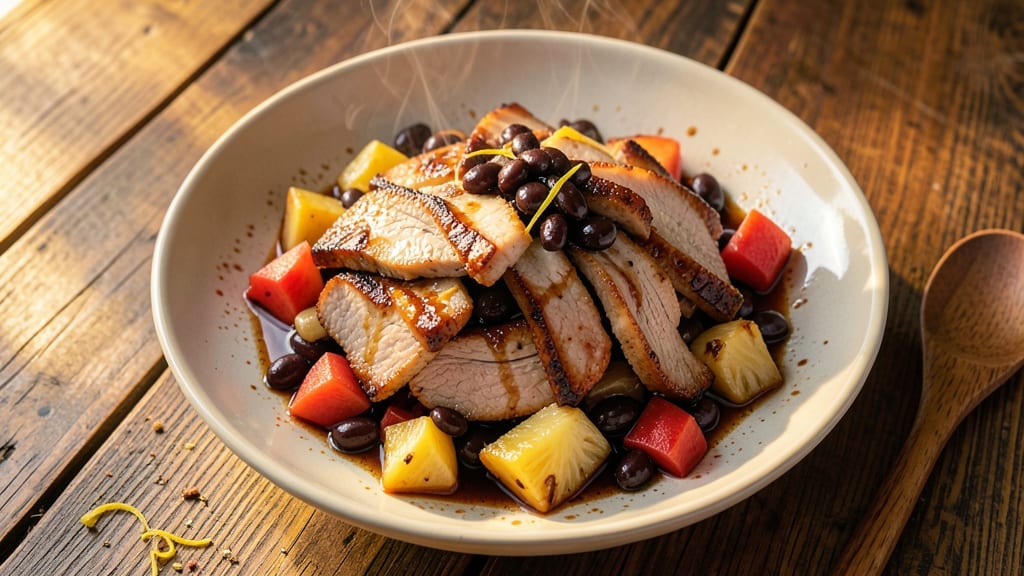
This pork and pineapple Chinese recipe delivers the perfect harmony of sweet, savory, and umami that makes it a restaurant favorite.
I first perfected this stir-fry during a late-night kitchen session when I needed a dish that balanced bold flavors without overwhelming the palate—something that still delivers that signature wok hei (breath of the wok) at home.
The secret lies in the sauce, where fermented black beans and soy sauce build deep umami while pineapple's natural acidity brightens every bite.
The technique is straightforward but essential: thinly sliced pork cooks quickly over high heat to maintain tenderness, while pineapple chunks caramelize just enough to develop natural sweetness.
I marinate the pork in a simple blend of rice wine and cornstarch for that signature crisp-tender texture, and the sauce reduction happens in stages—first building the flavor base, then finishing with a splash of pineapple juice to balance the sweetness.
This isn't just another stir-fry; it's a dish that captures the essence of Chinese home cooking with restaurant-quality results.
What you'll end up with is a vibrant plate of golden-brown pork and glossy pineapple pieces coated in a glossy sauce that's both sticky and balanced—sweet enough to please, savory enough to satisfy, and tangy enough to keep your taste buds engaged.
The aroma alone will have everyone gathered at your table, and the first bite delivers that perfect combination of textures: crisp edges on the pork, tender centers, and juicy pineapple that stays bright against the rich sauce. This is comfort food with a sophisticated twist.
Serve it over steamed jasmine rice for the full experience, or with egg noodles for a heartier meal. The leftovers reheat beautifully, making this an ideal dish for meal prep or feeding a crowd. Let's get cooking—this stir-fry is worth every minute of attention.
Ingredients for pork and pineapple chinese
Pork and pineapple stir-fry magic starts with these 15 ingredients—bold flavors that balance perfectly.
| Ingredient | Amount | Notes |
|---|---|---|
| Boneless Pork Shoulder 🥩 | 1 ½ lb | Thinly sliced against grain |
| Fresh Pineapple 🍍 | 1 cup | Cubed, 1-inch pieces |
| Fermented Black Beans 🌿 | ¼ cup | Rinsed and drained |
| Light Soy Sauce 🥄 | ½ cup | Kikkoman preferred |
| Dark Soy Sauce 🥄 | 1 tbsp | For color depth |
| Rice Vinegar 🍶 | 2 tbsp | Seasoned preferred |
| Granulated Sugar 🍚 | 1 ½ tbsp | Or brown sugar |
| Shaoxing Wine 🍷 | 2 tbsp | Or dry sherry |
| Fresh Ginger 🧄 | 1 ½ tbsp | Finely grated |
| Garlic Cloves 🧄 | 4 cloves | Minced |
| Cornstarch 🌾 | 1 tbsp | For pork marinade |
| Sesame Oil 🫒 | 1 tsp | For finishing |
| Vegetable Oil 🫒 | 3 tbsp | High smoke point |
| Green Onions 🧅 | ¼ cup | Sliced, for garnish |
| Salt 🧂 | 1 tsp | Kosher or sea |
The pork shoulder is non-negotiable for texture—ask your butcher to slice it thinly against the grain or do it yourself with a sharp knife. Costco often has pre-sliced pork for stir-fry, but if you're buying whole, look for good marbling. Fresh pineapple should be vibrant yellow with no browning—Dole or Del Monte work fine, but cut it yourself for best texture. Fermented black beans add that signature umami punch; look for them in the Asian aisle or order online if your store doesn't carry them. The Shaoxing wine can be swapped for dry sherry in a pinch, but it's worth tracking down for authentic flavor.
No fermented black beans? Double the soy sauce and add 1 tsp miso paste for umami depth. Pineapple too sweet? Drain and rinse the cubes to reduce natural sugars. The cornstarch marinade is crucial—don't skip it or the pork will turn rubbery. For ginger, freshly grated always wins over powdered, but if you're in a rush, use 1 tsp ground ginger. The sesame oil should be toasted—look for it labeled 'toasted' or 'aroma' at Trader Joe's or Asian markets. Store-bought pre-minced garlic? Fresh is better, but if you're using jarred, drain and rinse it first.
Marinated pork keeps 2 days in the fridge, covered tightly. Pineapple releases juice, so pat it dry before stir-frying for better caramelization. The sauce can be made ahead and reheated—it actually tastes better the next day as flavors meld. Portion leftovers into containers with a splash of rice vinegar to keep the pork tender. Freezes beautifully for 3 months—just reheat gently over low heat with a splash of water to restore moisture.
Why You'll Love This Recipe
- One-Pan Magic: I swear by this recipe when I’m too tired to scrub pots—just sear the pork, toss in the pineapple chunks and fermented black beans, and let the soy sauces work their magic. The black beans add that salty funk without extra bowls.
- Sweet-Savory Balance: That contrast? Chef’s kiss. The caramelized pork shoulder meets the bright pineapple, while the dark soy sauce deepens it into something rich but never heavy. Honestly, the first bite makes me forget I’m eating leftovers.
- Lunchbox Hero: Between us, this is my go-to for packed lunches—stays warm for hours, reheats like a dream, and the kids actually eat their veggies (okay, fine, they eat the pork first). Double batch on Sundays, and you’re set for the week.
- Budget Stretch: Pork shoulder is cheap, pineapple’s on sale frozen, and fermented black beans add depth for pennies. I’ve fed four people for under $12, and no one complains about the flavor. Not the prettiest, but the taste makes up for it.
Step-by-step instructions for sweet-savory pork and pineapple stir-fry
Here's how to balance sweet, salty, and umami flavors in this crowd-pleasing Chinese stir-fry.
Marinate and Prep the Pork
In a bowl, combine the 1.5 lb boneless pork shoulder, sliced thinly against the grain, with 1 tbsp cornstarch, 1 tsp salt, 1 tbsp dark soy sauce, and 1 tbsp light soy sauce. Mix until the pork is evenly coated and the cornstarch adheres to the surface. This creates a tender, slightly crisp exterior while keeping the interior juicy.
Let the marinated pork rest for 15 minutes at room temperature. This allows the cornstarch to begin setting up and ensures even cooking. While it rests, cube the 1 cup fresh pineapple into 1-inch pieces and rinse the 0.25 cup fermented black beans thoroughly under cold water, draining well. The pineapple should be firm but not mushy—overly soft pieces will turn to mush during cooking.
Build the Stir-Fry Sauce
In a small bowl, whisk together 0.5 cup light soy sauce, 2 tbsp rice vinegar, 1.5 tbsp granulated sugar, 2 tbsp Shaoxing wine, 1.5 tbsp finely grated fresh ginger, and 4 minced garlic cloves. The sauce should be smooth with no visible sugar granules—this ensures even flavor distribution. Taste a small amount to check the balance; if it's too sweet, add a pinch more salt.
Set the sauce aside while you prepare the aromatics. Thinly slice the 0.25 cup green onions, separating the whites and greens. The whites will cook down and add depth, while the greens will brighten the dish at the end. Mince the garlic if it isn't already, and grate the ginger using a microplane for maximum surface area and flavor.
Stir-Fry the Pork to Perfection
Heat a large wok or skillet over high heat until it's smoking hot. Add 3 tbsp vegetable oil and swirl to coat the bottom evenly. Working in batches if needed, add the marinated pork and stir-fry for 2-3 minutes until the edges turn golden brown and the pork is 80% cooked through. Remove the pork and set it aside on a plate.
In the same wok, add the fermented black beans and stir-fry for 1 minute until they begin to sizzle and turn slightly crispy. Add the pineapple cubes and cook for another 2 minutes, stirring occasionally. The pineapple should release its juices, creating a fragrant aroma that fills your kitchen. This is where the natural sweetness of the pineapple starts to caramelize slightly.
Combine and Finish the Dish
Return the pork to the wok and pour in the prepared sauce. Stir everything together and cook for 2-3 minutes until the sauce thickens slightly and clings to the pork and pineapple. The mixture should bubble gently but not boil vigorously—this ensures the pork stays tender and doesn't dry out.
Drizzle in 1 tsp sesame oil and toss everything together one last time. The sesame oil adds a nutty aroma and depth of flavor that ties all the elements together. Taste and adjust seasoning if needed; you might need a touch more soy sauce for saltiness or a splash of rice vinegar for brightness. Garnish with the sliced green onions, reserving the greens for a final sprinkle on each serving.
Serve Immediately for Maximum Flavor
Transfer the stir-fry to a serving platter or directly to individual plates. The dish should be vibrant with deep brown pork, glossy pineapple pieces, and crisp black beans. Serve immediately while the pork is still hot and the pineapple retains its texture. The flavors will continue to meld as it sits, but the texture is best enjoyed right away.
Pair this dish with steamed jasmine rice to soak up the delicious sauce. Each bite should deliver a perfect balance of sweet pineapple, savory pork, and umami-rich black beans, with a hint of tangy brightness from the rice vinegar. The cornstarch coating on the pork ensures a satisfying texture contrast with every mouthful.
Pro Tips For Making Pork And Pineapple Chinese
- BLANCH PORK FIRST: Drop the pork shoulder into boiling water for 30 seconds before stir-frying—this tightens the fibers so they don’t turn rubbery later. I learned this the hard way when my first batch came out chewy despite high heat.
- CUT PINEAPPLE SMALL: Dice the pineapple into ½-inch cubes, not chunks—smaller pieces cook faster and absorb the sauce better. Big pieces stay undercooked or turn mushy while the rest of the dish finishes.
- SAVE THE BEAN LIQUID: Don’t drain the fermented black beans—strain the liquid through a fine sieve and add it to the stir-fry. That dark, salty broth is where half the flavor hides, and skipping it makes the dish taste flat.
- DEGLAZE WITH VINEGAR: After frying the pork, splash in 1 tablespoon of rice vinegar while the pan’s still hot. It cuts through the soy sauce’s heaviness and brightens the whole dish in seconds—no extra prep, just better balance.
Perfect pairings for this dish
Rice Pairings
Steamed jasmine rice is my go-to because its delicate floral aroma complements the dish's bold flavors without overpowering them. Cook 1.5 cups rice for each serving, using a 1:1.25 rice-to-water ratio in a rice cooker or pot.
For extra flair, sprinkle 1 tsp toasted sesame seeds over the rice before serving—it adds a nutty crunch that mirrors the black beans. 💛
If you prefer a heartier option, try sticky rice or forbidden black rice, both of which hold up well to the sauce's stickiness. For a fusion twist, serve over buttery egg noodles (like lo mein noodles) for a quick, comforting meal.
The noodles absorb the sauce beautifully, making every bite rich and satisfying.
Vegetable Sides
Light, crisp vegetables cut through the richness of the pork and pineapple. My favorite is steamed bok choy with a sprinkle of toasted sesame seeds—its mild bitterness balances the sweetness perfectly.
Toss 2 heads bok choy, halved lengthwise, in 1 tbsp vegetable oil, then steam for 4-5 minutes until tender-crisp.
For a crunchier option, serve with quick-pickled cucumbers. Thinly slice 1 English cucumber, toss with 2 tbsp rice vinegar, 1 tsp sugar, and ½ tsp salt, then let sit for 20 minutes.
The tangy crunch contrasts the dish's richness beautifully, adding freshness to every bite.
Protein Additions
Looking to make this a full meal? Add shrimp or scallops to the stir-fry in the last 2 minutes of cooking. Toss in ½ lb shrimp, peeled and deveined, or 8 large scallops (pat them dry first for a better sear).
The seafood cooks quickly and adds a luxurious touch without overpowering the pork and pineapple.
For a vegetarian twist, swap the pork for extra-firm tofu. Press and cube 1 block tofu, then pan-fry until golden before adding it to the wok.
The tofu soaks up the sauce beautifully, making it a satisfying plant-based option. Garnish with extra green onions and sesame seeds for a pop of color and texture.
Beverage Pairings
A crisp green tea, like Dragon Well or Sencha, cleanses the palate between bites and complements the dish's umami notes. The tea's vegetal sweetness mirrors the pineapple's natural sugars, creating a harmonious pairing. Serve chilled for a refreshing contrast to the warm stir-fry. 🍵
For something bubbly, try a dry Riesling or Sauvignon Blanc. The wine's acidity cuts through the dish's richness, while its citrus notes echo the pineapple's brightness. If you prefer beer, a light lager like Asahi or Corona works perfectly—its crispness balances the sweet-savory flavors without competing.
Nutrition facts
Frequently asked questions
Can I substitute chicken for pork in this recipe?
The recipe is designed for pork's rich, slightly fatty texture, but you can use boneless chicken thigh in a pinch. Swap the pork for 1.5 lb chicken thighs, slice them thinly against the grain, and reduce marinating time to 10 minutes. Chicken cooks faster than pork, so stir-fry it for 1-2 minutes less to avoid drying out. The dish will be lighter but still delicious!
Why does my sauce turn too thick or too thin?
Sauce consistency is all about timing and heat. If it's too thin, simmer uncovered for 1-2 extra minutes to reduce. For a thicker sauce, whisk in ½ tsp cornstarch mixed with 1 tbsp water and stir until glossy. Always taste as you go—balance is key! The sauce should coat the back of a spoon but still drizzle lightly.
Can I make this dish ahead of time?
The flavors actually improve overnight. Cook the stir-fry as directed, then let it cool completely. Store in an airtight container in the fridge for up to 3 days. Reheat gently over low heat with a splash of water or pineapple juice to restore moisture. For best texture, serve with freshly steamed rice.
What if I don't have fermented black beans?
No problem! For umami depth, double the soy sauce and add 1 tsp miso paste or ½ tsp fish sauce. If you're vegetarian, use 1 tbsp soy sauce + 1 tsp mushroom powder. The dish will still taste amazing—just slightly different in texture. Fermented black beans add that signature crunch, but these substitutes work in a pinch!
How do I get the best crispy texture on the pork?
High heat is your friend! Use a well-seasoned wok or cast-iron skillet and heat it until it's smoking hot before adding oil. Keep the pork moving constantly for 2-3 minutes until golden brown. The cornstarch marinade is key—make sure it's evenly coated. If your pork isn't crispy enough, try cooking it in batches for better heat control.