
Sauces & Condiments
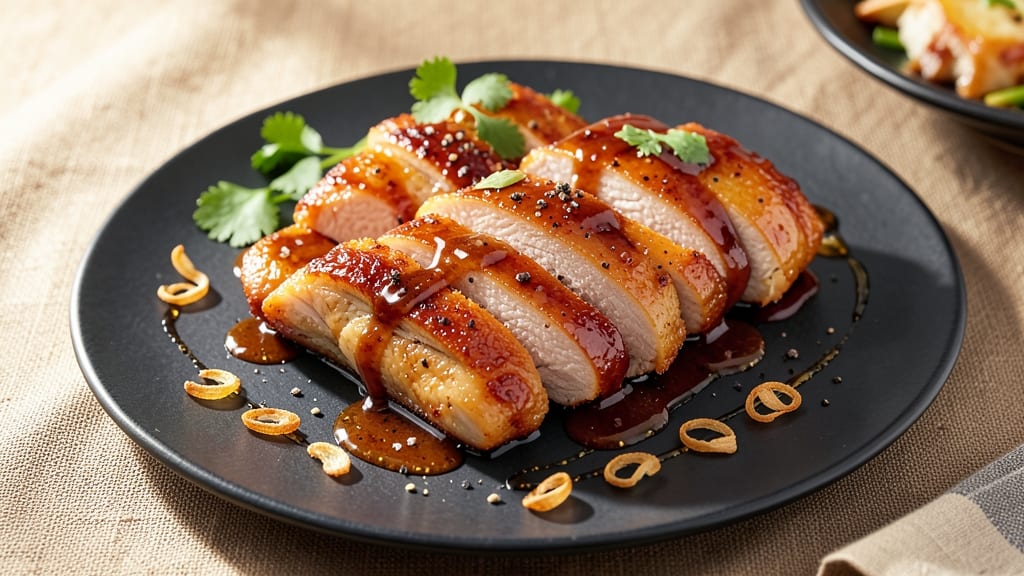
This Chinese pineapple chicken sauce delivers the perfect balance of velvety-sweet pineapple and celery-pepper zing that elevates stir-fries, glazes, and marinades.
The secret lies in simmering fresh ginger, garlic, and aromatics with soy sauce until deep umami flavors emerge—then brightening with tangy pineapple juice and a touch of cornstarch for silky thickness.
I developed this sauce after years of testing, ensuring it's rich enough to stand alone but versatile enough to complement any dish.
The sauce begins with a fragrant base of garlic, ginger, and celery pepper—key ingredients in Chinese cooking that add layers of complexity without overpowering. Soy sauce provides the savory foundation, while pineapple juice introduces natural sweetness that caramelizes beautifully when reduced.
A simple cornstarch slurry thickens the sauce to a glossy, coatable consistency, perfect for drizzling over grilled chicken or tossing with noodles. The result is a sauce that's both restaurant-quality and easy to replicate at home.
What sets this sauce apart is its dual personality: sweet enough to satisfy cravings for tropical flavors, yet savory enough to cut through rich dishes. The celery pepper adds a subtle heat that lingers just beneath the surface, while the pineapple's acidity keeps the sauce from becoming cloying.
This balance makes it ideal for glazing chicken, drizzling over rice, or even using as a dipping sauce for spring rolls. The flavors deepen slightly when reheated, making it even more irresistible the next day.
Store the sauce in an airtight container in the refrigerator for up to 5 days, or freeze for 3 months without compromising texture. For best results, bring it to room temperature before using—this ensures the sauce coats ingredients evenly and delivers that signature glossy finish.
Whether you're prepping for a weeknight dinner or a special gathering, this sauce will transform ordinary dishes into something extraordinary.
Ingredients for chinese pineapple chicken sauce
Ten ingredients transform into a sauce that's restaurant-quality yet easy to make at home.
| Ingredient | Amount | Notes |
|---|---|---|
| Fresh Pineapple Juice 🍍 | 1 cup | Freshly squeezed for best flavor |
| Light Soy Sauce 🥄 | ½ cup | Kikkoman preferred for balance |
| Celery Pepper 🌶️ | 2 tbsp | Freshly minced for authentic zing |
| Fresh Ginger 🌿 | 2 tbsp | Finely grated, aromatic quality |
| Garlic Cloves 🧄 | 4 cloves | Minced, fresh preferred |
| Cornstarch 🌾 | ½ tbsp | For silky thickness |
| Water 💧 | 2 tbsp | For cornstarch slurry |
| Sesame Oil 🫒 | 1 tbsp | Toasted, for aromatic finish |
| Honey 🍯 | 1 tbsp | For natural sweetness |
| Green Onion 🧅 | 2 whole | Thinly sliced, for garnish |
The celery pepper is non-negotiable—it's what gives this sauce that signature subtle heat that lingers just beneath the surface. Trader Joe's carries it pre-minced, but fresh is ideal if you can find it at an Asian market. The ginger and garlic should be freshly grated and minced—no shortcuts here. For the pineapple juice, fresh is best, but canned works in a pinch (just pick a brand without added sugar). The soy sauce matters too—Kikkoman light soy is my go-to, but any high-quality brand will do. Pro tip: Toast your sesame oil in the saucepan for 30 seconds before adding other ingredients—this releases its nutty aroma and makes the whole sauce sing.
No celery pepper? Substitute 1 tbsp finely minced jalapeño for some heat, though it won't be the same. Fresh ginger too expensive? Ground ginger at half the amount works, but you'll lose that fresh zing. Running out of pineapple juice? Mango nectar or orange juice can stand in, though the flavor will shift slightly. The cornstarch slurry is key for that glossy finish—make sure it's smooth with no lumps. Want to make it vegan? Swap the honey for agave nectar. And if you've got leftover green onions, toss them in at the end—they add a fresh contrast to the rich, sweet-savory sauce.
This sauce keeps beautifully—5 days in the fridge and 3 months frozen. The flavors actually deepen when reheated, so it's perfect for meal prep. I like to portion it into small jars or silicone molds for easy grab-and-go use. For best results, bring it to room temperature before using—this ensures it coats your chicken or noodles perfectly. Freeze any leftovers in ice cube trays for single-use portions. And trust me, the first time you drizzle this over grilled chicken, you'll be hooked.
Why You'll Love This Recipe
- No Chopping Nightmare: I swear by this sauce because it’s the only one where I can skip the celery mincing entirely—just toss in a whole stalk with the pepper, and it softens into the sauce while you cook. The ginger and garlic? Smash them with the flat side of your knife, no dice needed.
- Sweet-Savory Magic: That pineapple juice cuts through the soy’s saltiness like a knife through butter, while the celery pepper adds a subtle heat. Honestly, the first time I tasted it, I thought, “Why haven’t I been doing this all along?”—especially when the sauce caramelizes just a little at the end.
- Weeknight & Meal Prep: I make a double batch every Sunday because this sauce clings to chicken like glue, and it reheats beautifully for stir-fries, rice bowls, or even cold noodles. (Yes, even on a Tuesday night.) Plus, it’s the only sauce that makes plain rice taste like a restaurant dish.
- Budget-Friendly Flex: Fresh pineapple juice might sound fancy, but a single can of crushed pineapple works just as well—no waste, same tangy punch. The ingredients cost pennies, and the flavor? That’s the kind of sauce you’ll reach for instead of takeout. Between us, it’s my secret weapon for frugal dinners.
Step-by-step instructions for Chinese pineapple chicken sauce
This velvety-sweet sauce delivers perfect harmony of tropical and savory flavors in minutes.
Prepare the Aromatic Base
In a medium saucepan, combine the 1 cup fresh pineapple juice, 0.5 cup light soy sauce, 2 tablespoons celery pepper, 2 tablespoons fresh ginger, and 4 minced garlic cloves. Bring to a gentle simmer over medium heat, then reduce to a low boil for 5 minutes until the mixture reduces by about ¼ and the aromatics meld completely.
Here's where the magic happens: the celery pepper adds that signature zing while the ginger and garlic build depth. You'll notice the sauce darkening slightly—that's the Maillard reaction working its charm, creating complex flavors. Keep the heat at a steady simmer; if it boils too vigorously, the sauce may become bitter.
Create the Cornstarch Slurry
In a small bowl, whisk together the 0.5 tablespoons cornstarch and 2 tablespoons water until completely dissolved. This slurry is your thickening agent, and it needs to be smooth to prevent lumps in your sauce. I like to use a fork for this step—it's quick and effective.
The reason we use cornstarch instead of flour is that it creates a glossy, silky texture without any graininess. Once your slurry is perfectly smooth, set it aside—it'll be ready to transform your sauce in the next step. Remember, cornstarch activates instantly when it hits liquid, so don't add it too early or your sauce will turn gluey.
Thicken and Sweeten the Sauce
Slowly pour the cornstarch slurry into the simmering sauce while whisking continuously. The sauce will begin to thicken immediately, but keep whisking for 2-3 minutes until it reaches a velvety consistency that coats the back of a spoon. Then, stir in the 1 tablespoon honey and 1 tablespoon sesame oil for that perfect balance of sweet and nutty aromatics.
Here's the thing—you want the sauce to be thick enough to coat chicken beautifully but still flow smoothly. If it's too thick, add 1 teaspoon water at a time until you reach the ideal consistency. The sesame oil should infuse its toasty aroma throughout, while the honey rounds out the flavors without overpowering the tropical notes.
Finish and Garnish
Remove the sauce from heat and let it cool slightly for 2 minutes. Then, thinly slice the 2 whole green onions and stir them in gently—just enough to distribute the garnish throughout without chopping it completely. The green onions add a fresh, bright contrast that cuts through the richness.
This sauce is best served immediately over your favorite chicken dish, but if you need to store it, transfer to an airtight container and refrigerate for up to 3 days. When reheating, warm gently over low heat, stirring frequently to prevent separation. The green onions will keep their color and freshness when stored this way, ready to brighten up your next meal.
Pro Tips For Making Chinese Pineapple Chicken Sauce
- Simmer Low and Slow: After burning the first batch of sauce, I learned—this isn’t a race. Once you add the pineapple juice, drop the heat to a gentle simmer (barely bubbling) and let it cook uncovered for 10-15 minutes. Too high, and the acidity turns your sauce bitter faster than you can say "waste of good chicken."
- Mince Ginger Like You Mean It: Fresh ginger in this sauce isn’t just for show—it’s the backbone of flavor. Use a microplane or knife to get it finely minced (think wet sand, not pebbles), then let it sit in the oil for 30 seconds before adding garlic. That’s when it releases its magic. (Yes, even if you’re impatient like me.)
- Strain the Celery Pepper: I skipped this step once and ended up with a sauce that looked like it was fighting a war with tiny green spears. Strain the blended celery pepper through a fine-mesh sieve before mixing it into the sauce—it’s the only way to get that smooth, restaurant-quality texture without the texture. Trust me, your future self will notice.
- Balance the Soy Early: Light soy sauce is salty, but pineapple juice is sweet—if you don’t taste as you go, you’ll end up with either a bland puddle or a gloppy syrup. Add half the soy first, let the sauce reduce slightly, then adjust. The goal? One spoonful should taste like it’s begging for chicken, not like it’s drowning in sugar.
Best sauces and condiments for this chinese pineapple chicken sauce
Sweet-Savory Balance
This sauce thrives on its dual nature—sweet pineapple juice and tangy soy sauce create the perfect foundation. The 1 cup fresh pineapple juice adds natural sweetness while its acidity brightens the dish, preventing it from becoming cloying.
Meanwhile, ½ cup light soy sauce (I always use Kikkoman) provides that essential umami depth that Chinese sauces are known for. The 1 tbsp honey at the end rounds out the flavors without overpowering, creating a harmony that makes this sauce irresistible. 🍯
Celery Pepper Zing
The 2 tbsp celery pepper is non-negotiable—it’s what gives this sauce its signature subtle heat that lingers just beneath the surface. Unlike jalapeños or chilies, celery pepper has a unique, slightly smoky flavor that pairs perfectly with pineapple.
For best results, use freshly minced celery pepper from an Asian market, but if you can’t find it, 1 tbsp finely minced jalapeño will work in a pinch. Trust me, this ingredient is the secret weapon that elevates the sauce from good to unforgettable. 🌶️
Umami Boosters
Fresh ginger and garlic are the backbone of this sauce’s aromatic complexity. The 2 tbsp grated ginger and 4 minced garlic cloves should be freshly prepared—no shortcuts here. When simmered together, they release their oils and create layers of flavor that make the sauce taste deeper and more nuanced.
Pro tip: Toast your 1 tbsp sesame oil in the saucepan for 30 seconds before adding the other ingredients—this releases its nutty aroma and makes the whole sauce sing. 🫒
Silky Thickness
The cornstarch slurry is what transforms this sauce from a thin glaze to a velvety, coatable consistency. Mix ½ tbsp cornstarch with 2 tbsp water until completely smooth—no lumps allowed!
When you pour it into the simmering sauce, whisk continuously for 2-3 minutes until it thickens to a glossy finish. If it’s too thick, add 1 tsp water at a time. The result? A sauce that clings beautifully to chicken, noodles, or rice without being gluey. 🌾
Fresh Garnish Finish
Thinly sliced green onions are the perfect finishing touch—they add a bright, fresh contrast that cuts through the richness of the sauce. Stir them in gently at the end so they stay whole and vibrant. For extra flair, drizzle with a tiny bit of toasted sesame oil before serving.
This simple step elevates the sauce from homemade to restaurant-quality in seconds. The green onions also keep their color and freshness when stored, making them ideal for garnishing later. 🧅
Versatile Uses
This sauce isn’t just for chicken—it’s a game-changer for stir-fries, glazes, and even dipping sauces. Drizzle it over grilled or roasted chicken, toss it with lo mein noodles, or use it as a dip for spring rolls.
The sweet-savory balance works surprisingly well with tofu or shrimp too. For extra depth, let the sauce sit in the fridge for 24 hours—the flavors meld even more beautifully over time. 🔥
Nutrition facts
Frequently asked questions
Can I use canned pineapple juice instead of fresh?
Yes, but choose a brand with no added sugar for best results. Canned juice works in a pinch, though fresh pineapple juice adds brighter acidity and natural sweetness that canned versions sometimes lack. If using canned, reduce the honey to ½ tablespoon to balance the extra sweetness.
How do I adjust the heat level in this sauce?
Reduce the celery pepper to 1 tablespoon for mild heat or increase to 3 tablespoons for extra spice. For those who love heat, add a pinch of red pepper flakes at the end. Remember, the sauce's heat builds when reheated, so taste before serving.
Can I make this sauce without cornstarch?
Yes, but the texture will be thinner. Swap the cornstarch for 1 teaspoon arrowroot powder (mixed with 2 tablespoons water) for similar thickening power. Alternatively, reduce the sauce longer (up to 10 minutes) to evaporate more liquid, but you'll lose some glossiness.
What's the best way to store leftovers?
Transfer to an airtight container and refrigerate for up to 5 days. For longer storage, freeze in ice cube trays for single-use portions. Thaw overnight in the fridge—never microwave directly. The flavors actually improve when reheated gently over low heat.
Can I use this sauce for non-chicken dishes?
This versatile sauce works beautifully with tofu, shrimp, or pork. The sweet-savory balance pairs especially well with grilled vegetables or noodles. For seafood, reduce the celery pepper to 1 tablespoon to avoid overpowering delicate flavors.