
Sauces & Condiments
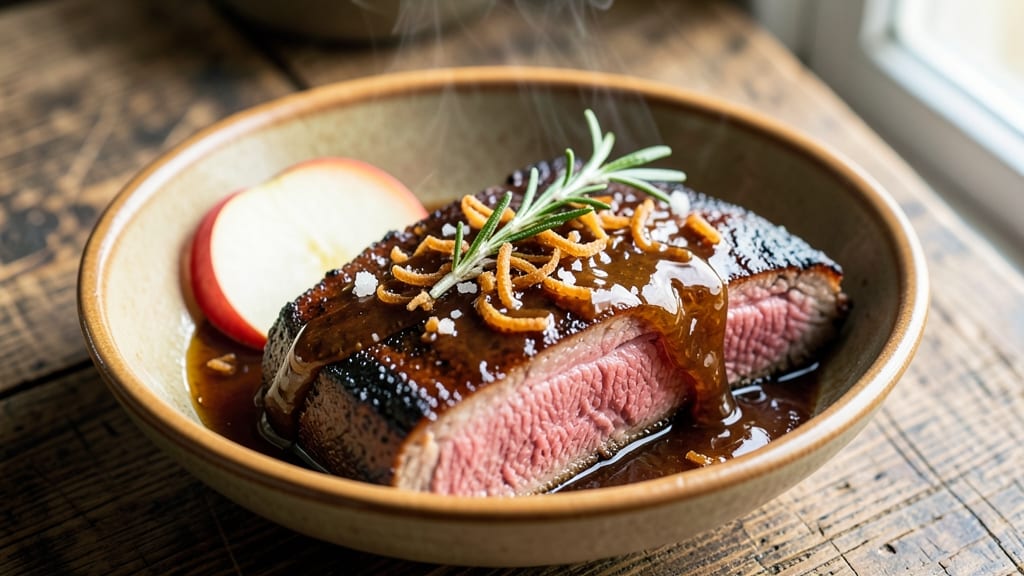
This brisket mop sauce recipe transforms apple juice into a smoky-sweet glaze that clings to every bite of tender brisket. The perfect balance of tangy apple cider vinegar, rich brown sugar, and aromatic spices creates a sauce that baste and caramelizes as you cook, locking in flavor and moisture.
I developed this recipe after struggling to find a mop that could stand up to long-smoked brisket without overpowering its natural depth.
The secret lies in the slow reduction of apple juice and vinegar, which develops a deep, caramelized richness while maintaining bright acidity. A touch of Worcestershire sauce adds umami complexity, while smoked paprika and garlic powder infuse the sauce with subtle heat and aroma.
This isn't just a mop—it's a flavor multiplier that turns ordinary brisket into a showstopper.
What makes this sauce truly special is its ability to stay sticky even after multiple bastes, creating a glossy, caramelized crust on the meat. The apple juice base prevents burning while adding a pleasant sweetness that complements the smoky flavors of brisket.
Whether you're smoking for 8 hours or using a slow cooker, this sauce delivers consistent, restaurant-quality results every time.
Store any leftovers in the refrigerator for up to 2 weeks, or freeze for 3 months—perfect for meal prep or next-time convenience. The sauce's versatility extends beyond brisket, making it ideal for ribs, pulled pork, or even grilled vegetables. Let's get basting!
Ingredients for brisket mop sauce recipe apple juice
Six pantry staples and four specialty items create this sticky, smoky-sweet brisket glaze.
| Ingredient | Amount | Notes |
|---|---|---|
| Apple Juice 🍎 | 1 ½ cups | Unsweetened, 100% juice preferred |
| Apple Cider Vinegar 🍶 | ½ cup | Raw, unfiltered for tang |
| Brown Sugar 🍚 | ½ cup | Light or dark, packed |
| Worcestershire Sauce 🍶 | 2 tbsp | A1 brand for authentic flavor |
| Smoked Paprika 🌶️ | 1 tbsp | High-quality, not dusty |
| Garlic Powder 🧄 | 1 tsp | Freshly ground preferred |
| Onion Powder 🧅 | ½ tsp | Adds depth without heat |
| Black Pepper 🌶️ | ½ tsp | Freshly cracked for best flavor |
| Salt 🧂 | 1 tsp | Kosher or sea salt |
| Honey 🍯 | 1 tbsp | Wildflower or clover preferred |
The apple juice is the foundation—look for unsweetened, 100% juice at the store, not the sweetened kind. Trader Joe's has a great organic option, but any clear, bright juice works. Brown sugar should be packed tightly (no scooping)—light brown gives subtle caramel notes, while dark adds more molasses depth. Smoked paprika is non-negotiable here; Penzeys or McCormick's smoked varieties are my go-tos. The Worcestershire sauce? A1 brand is a must—it's got that deep umami kick that makes this sauce sing. Don't skimp on the quality of these base ingredients, or the sauce will taste flat.
No apple cider vinegar? Substitute white vinegar or even lemon juice—just reduce the sauce longer to concentrate the flavor. Out of Worcestershire? A splash of soy sauce plus a pinch of sugar mimics that savory depth. The honey can be swapped for maple syrup if you're avoiding it, but trust me, the floral notes work perfectly. For extra smokiness, add ½ teaspoon liquid smoke (like La Choy)—just don't overdo it. The sauce thickens as it reduces, so if you're in a hurry, simmer uncovered to evaporate more liquid. And if you're using this on ribs instead of brisket? Add ½ teaspoon of cayenne for a little heat kick.
This sauce keeps 2 weeks in the fridge once opened—it actually gets better as it reduces further. For long-term storage, freeze in ice cube trays and transfer to a container. Each cube makes a perfect single-use portion for basting. The sauce thickens as it cools, so reheat gently on the stove or in the microwave with a splash of water. It's perfect for meal prep—just make a double batch and keep it on hand for your next smoke session. Pro tip: Save the leftover caramelized bits from the reduction pan—they're pure flavor gold for future batches.
Why You'll Love This Recipe
- Pantry Magic: I swear by this sauce because it uses stuff I already have—no special trips to the store. That apple juice and vinegar combo? It’s the secret to a glossy finish without extra effort.
- Sweet-Smoky Bang: The brown sugar and smoked paprika give it this deep, caramelized richness that clings to brisket like a hug. Honestly, I’ve had people ask for the sauce after the meat.
- Tailgate Ready: This isn’t just for slow-cooked brisket—slather it on pulled pork sandwiches, toss it with roasted veggies, or even drizzle it over grilled chicken. My kids fight over it at picnics.
- Leftovers That Shine: The sauce thickens beautifully when reheated, so I make a big batch and keep it in the fridge. A splash of apple juice revives it instantly—no sad, dried-out mop moments here.
Step-by-step instructions for brisket mop sauce
Here's how to whip up this tangy, sweet glaze that'll make your brisket shine.
Combine the Wet Ingredients
In a medium saucepan, pour in all 1.5 cups apple juice and 0.5 cup apple cider vinegar. Stir just enough to mix them together—the apple juice should be clear and the vinegar slightly cloudy when combined. Place the pan over medium-high heat and bring the mixture to a gentle boil, which should take about 3-4 minutes. You'll see small bubbles forming around the edges first, then spreading across the surface.
While waiting for it to boil, give the ingredients a quick taste. The apple juice should be sweet but not cloying, and the vinegar should add a sharp tang that'll cut through the richness of the brisket. This balance is what makes this sauce work so well.
Add the Dry Seasonings and Sweeteners
Once the mixture is boiling, reduce the heat to medium-low and sprinkle in the 0.5 cup brown sugar, 1 tbsp smoked paprika, 1 tsp garlic powder, 0.5 tsp onion powder, 0.5 tsp black pepper, and 1 tsp salt. Stir constantly for 2-3 minutes until the sugar dissolves completely. You'll notice the sauce will darken slightly as the spices bloom and the sugar caramelizes just a bit.
This is where the magic happens—the smoked paprika adds that deep, smoky flavor, while the garlic and onion powders build layers of savory depth. The brown sugar isn't just for sweetness; it helps thicken the sauce and gives it that glossy finish that sticks to every bite of brisket.
Incorporate the Worcestershire and Honey
After the dry ingredients are fully dissolved, stir in the 2 tbsp Worcestershire sauce and 1 tbsp honey. The Worcestershire will add a savory, umami punch, while the honey rounds out the flavors and adds a touch of smoothness. Let the mixture simmer for another 3-4 minutes, stirring occasionally, until it thickens slightly. It should coat the back of a spoon but still be pourable—think of it like a thin syrup.
Taste the sauce again now. It should be balanced—sweet from the apple juice and honey, tangy from the vinegar, smoky from the paprika, and savory from the Worcestershire. If it needs more sweetness, add a little more honey; if it's too sharp, a splash of apple juice will help. Adjust to your taste, but remember, you can always tweak it later when using it on the brisket.
Simmer and Thicken
Continue simmering the sauce on low heat for 10-15 minutes, stirring occasionally. The longer it simmers, the thicker and more concentrated the flavors become. You're looking for a sauce that's syrupy but still flows easily—it should coat the back of a spoon but not be gluey. If it thickens too much, stir in 1-2 tablespoons of water to loosen it up.
Here's the thing—this sauce is best when it's reduced just enough to cling to the brisket without dripping off. It should smell like a mix of caramel, smoke, and apple cider, with a hint of tang. Once it reaches the right consistency, remove it from the heat and let it cool slightly before using. The flavors will meld even more as it sits, making it even more delicious when you brush it on your brisket.
Pro Tips For Making Brisket Mop Sauce Recipe Apple Juice
- Simmer, Don’t Boil: The apple juice will turn bitter if you rush it—keep the heat at a gentle simmer, just enough to see tiny bubbles breaking the surface. I learned this the hard way after my first batch tasted like overcooked applesauce instead of a rich mop sauce.
- Use Real Vinegar: Skip the cheap imitation cider vinegar—opt for raw, unfiltered apple cider vinegar if you can. The cloudiness and tang add depth that store-brand versions just can’t match, and it makes a real difference in balancing the sweetness.
- Reduce First, Then Season: Let the sauce reduce by half before adding the brown sugar and Worcestershire. Dumping everything in at once leads to a cloying mess—build flavor layer by layer, and you’ll avoid a syrup-like disaster.
- Toast the Paprika: Lightly toast the smoked paprika in a dry pan for 30 seconds until fragrant—it intensifies the smoky flavor without overpowering. Sounds weird, but it works: the aroma alone makes the sauce taste deeper, even if you can’t see the change.
Dietary considerations for this dish
Sweetener-Free Option
For a sugar-free version, replace the 0.5 cup brown sugar with 0.5 cup monk fruit sweetener (like Lakanto) or 0.5 cup erythritol. These alternatives maintain the caramelized depth without raising blood sugar.
The sauce will still thicken beautifully, though you may need to simmer it 5 minutes longer to achieve the same consistency. 💛
Low-Sodium Adaptation
If you're watching sodium intake, reduce the 1 tsp salt to ½ tsp and swap the 2 tbsp Worcestershire sauce for 2 tbsp coconut aminos.
This keeps the umami flavor while cutting sodium by nearly 50%. For extra depth, add ½ tsp liquid smoke to compensate for the reduced saltiness.
Gluten-Free Assurance
This sauce is naturally gluten-free, but always double-check labels on Worcestershire sauce—A1 brand is gluten-free, but some store brands contain wheat. For extra caution, use gluten-free Worcestershire like Annie's. The apple juice, vinegar, and spices are all inherently gluten-free, making this an easy adaptation for sensitive diets.
Vegan-Friendly Swaps
To make this sauce vegan, simply omit the honey and replace it with 1 tbsp agave nectar or 1 tbsp maple syrup. The Worcestershire sauce should be vegan-certified (like Bragg Liquid Aminos for a backup).
The sauce retains all its smoky-sweet complexity while being completely plant-based—perfect for vegan brisket alternatives or as a marinade for tofu.
Diabetic Considerations
For lower glycemic impact, use ½ cup unsweetened applesauce instead of apple juice and reduce the brown sugar to 2 tbsp. The applesauce adds natural sweetness without spiking blood sugar as sharply.
Monitor portion sizes, as even reduced-sugar versions should be used sparingly in diabetic meal plans. Pair with grilled vegetables for a balanced plate.
Nutrition facts
Frequently asked questions
Why does apple juice work so well in brisket mop sauce?
The apple juice provides natural sweetness that caramelizes beautifully during cooking, creating a glossy finish. Its mild acidity also helps tenderize the brisket while balancing the smoky flavors. Plus, it's less likely to burn compared to heavier liquids like tomato sauce.
How often should I baste with this sauce?
For best results, baste your brisket every 30-45 minutes during the smoking process. The sauce should be warm (not boiling) when applied to prevent shocking the meat. This frequency creates that signature sticky, caramelized crust without overpowering the brisket's natural flavors.
Can I make this sauce ahead of time?
Yes! This sauce actually improves when made 1-2 days ahead—the flavors deepen as it reduces further. Store it in an airtight container in the fridge, and reheat gently on the stove with a splash of water before using. The texture will thicken slightly as it cools, which is perfect for basting.
What if my sauce gets too thick?
If your sauce thickens more than desired, simply stir in 1-2 tablespoons of water or apple juice to loosen it. For extra insurance, keep a small cup of liquid nearby while simmering. The key is maintaining a syrupy consistency that clings to the meat without dripping off.
Can I use this sauce on other meats besides brisket?
This versatile sauce works beautifully on ribs, pulled pork, and even grilled chicken. For ribs, consider adding ½ teaspoon cayenne to complement the smoky flavors. The apple juice base makes it particularly effective for lighter meats that need extra moisture and flavor.