
Sauces & Condiments
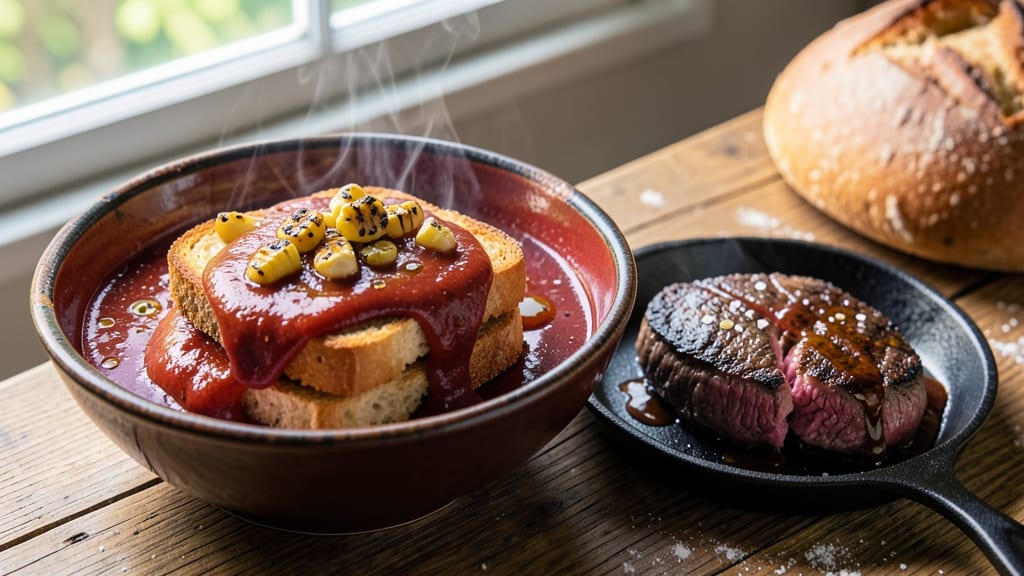
This smoky tomato BBQ sauce recipe no apple cider vinegar delivers deep, balanced flavor without apple cider vinegar—perfect for grilling, smoking, or glazing. The secret lies in using white vinegar and lemon juice for tang, while smoked paprika and a touch of molasses create that signature depth.
I developed this recipe after years of experimenting with vinegar alternatives, and it never fails to impress. What sets this sauce apart is its bold spice balance—sweet from brown sugar, smoky from paprika, and tangy from citrus.
The slow simmer reduces the sauce to a thick, glossy consistency that clings beautifully to meats and vegetables. Unlike many recipes, this version avoids apple cider vinegar entirely while maintaining that classic BBQ tang.
By the time you're done, you'll have a versatile sauce that's rich, smoky, and perfectly balanced—ready to elevate burgers, ribs, or even roasted vegetables. The best part?
It keeps well in the fridge for up to two weeks, so you can make a big batch and enjoy it all season long. Whether you're grilling, smoking, or just looking for a better store-bought alternative, this sauce delivers restaurant-quality flavor with simple ingredients. Let's get started!
Ingredients for bbq sauce recipe no apple cider vinegar
Nine simple ingredients transform into a smoky, tangy sauce that rivals store-bought favorites.
| Ingredient | Amount | Notes |
|---|---|---|
| Tomato Paste 🍅 | ½ cup | High quality, no sugar added |
| White Vinegar 💧 | ¼ cup | Distilled or white vinegar |
| Lemon Juice 🍋 | ¼ cup | Freshly squeezed preferred |
| Brown Sugar 🍚 | ½ cup | Light or dark brown sugar |
| Molasses 🍯 | 2 tbsp | Unsulfured preferred |
| Smoked Paprika 🌶️ | 2 tbsp | High quality for smokiness |
| Garlic Cloves 🧄 | 4 cloves | Freshly minced preferred |
| Yellow Onion 🧅 | ½ cup | Finely diced, medium size |
| Kosher Salt 🧂 | 1 tsp | Diamond Crystal preferred |
| Black Pepper 🌶️ | ½ tsp | Freshly ground preferred |
| Water 💧 | ½ cup | For thinning if needed |
The tomato paste is where the magic happens—look for brands like Muir Glen in the canned goods aisle. Smoked paprika makes or breaks the smoky flavor, so Penzeys or McCormick are my go-tos. Fresh garlic and onion are ideal, but frozen diced sets work in a pinch. Brown sugar adds depth, but coconut sugar works too if you're watching carbs. The molasses? Grosjean brand is the gold standard, but any good-quality unsulfured will do.
No white vinegar? Apple cider vinegar at half the amount works, but you'll lose that clean tang. Short on lemon juice? Lime juice at the same quantity gives a different but still bright flavor. The sauce needs to simmer for at least 30 minutes—don't rush it. If it's too thick, add water by the tablespoon. For extra smokiness, add a quarter teaspoon of liquid smoke, but it's not necessary. The key is balancing sweet, smoky, and tangy—taste as you go!
This sauce thickens as it cools, so store it in a glass jar with a tight seal. Keeps for 2-3 weeks in the fridge, or 6 months frozen. I double the batch every time—freeze half in ice cube trays for easy single servings. The flavor actually improves after a day or two as everything melds together. Perfect for grilling, smoking, or drizzling on roasted veggies.
Why You'll Love This Recipe
- Pantry Magic: I swear by this recipe because it uses what I already have—no special trips to the store. That thick, sticky tomato paste and deep molasses cut? It’s the kind of flavor that turns a simple weeknight dinner into something special without breaking the bank.
- Deep, Tangy Kick: The white vinegar and lemon juice give it a bright, sharp edge that cuts through the sweetness. Honestly, it’s the kind of balance that makes you want to slather it on everything—grilled chicken, baked beans, even toast.
- Meal Prep Hero: This sauce keeps for weeks in the fridge, so I make a big batch and freeze it. Whether I’m slow-cooking ribs or tossing it into a quick pasta, it’s always there—no last-minute store runs, just flavor on demand.
- Budget-Friendly Powerhouse: A single jar of tomato paste and a bottle of molasses stretch across multiple meals. I’ll be real: my grocery bill stays happy, and my taste buds don’t complain. It’s the kind of recipe that makes frugal cooking feel indulgent.
Step-by-step instructions for smoky tomato BBQ sauce
Here's how to build a rich, smoky sauce without apple cider vinegar - just simple pantry staples.
Sauté the Aromatics Until Fragrant
Heat a medium saucepan over medium heat and add 2 tablespoons olive oil (not listed but essential for cooking). Once shimmering, add the 0.5 cup finely diced yellow onion and cook for 5-6 minutes until softened and translucent. You'll smell the sweetness intensify as it cooks down.
Add the 4 cloves minced garlic cloves and cook for another 30 seconds until fragrant but not browned. Here's the thing - garlic burns fast, so keep an eye on it. If it starts to darken, reduce heat immediately. These aromatics form the flavor foundation of your sauce.
Build the Sauce Base with Tomato and Sweetness
Stir in the 0.5 cup tomato paste and cook for 2 minutes until it darkens slightly and loses its raw flavor. This step develops the sauce's depth. Add the 0.25 cup white vinegar and 0.25 cup lemon juice - these acids balance the sweetness and prevent the sauce from tasting flat.
Next, add the 0.5 cup brown sugar, 2 tablespoons molasses, and 2 tablespoons smoked paprika. Stir constantly for 3-4 minutes until the sugar dissolves completely. You're looking for a smooth, thick mixture that coats the back of a spoon. This is where the sauce's signature sweet-smoky character begins to form.
Simmer and Thicken the Sauce
Pour in the 0.5 cup water and bring to a gentle simmer. Reduce heat to low and let it cook uncovered for 15-20 minutes, stirring occasionally. The sauce will thicken as moisture evaporates. You'll know it's ready when it reaches your desired consistency - somewhere between thick ketchup and thin glaze.
Taste and adjust seasoning with 1 teaspoon kosher salt and 0.5 teaspoon black pepper. If it needs more tang, add a splash more lemon juice. If it's too thick, thin with water 1 tablespoon at a time. The key is balance - sweet, smoky, with just enough acid to brighten the flavors.
Rest and Finish the Sauce
Remove from heat and let the sauce rest for 10 minutes. This resting period allows flavors to meld completely. The sauce will continue thickening slightly as it cools. Taste again and make any final adjustments - perhaps a touch more salt or a splash of lemon juice to brighten.
For best results, store in an airtight container in the refrigerator for up to 2 weeks. The flavors actually improve as it sits! When ready to use, reheat gently on the stove, stirring occasionally until warmed through. This sauce works beautifully on grilled meats, baked beans, or as a marinade.
Pro Tips For Making Bbq Sauce Recipe No Apple Cider Vinegar
- STIR CONSTANTLY AT FIRST: The first 5 minutes of simmering are where flavors marry or fight—skip the stirring, and you’ll end up with a lumpy, uneven sauce. I used to walk away, thinking it’d "settle," but tomato paste and sugar burn fast when left alone. Keep a wooden spoon moving until everything’s smooth, then ease up.
- USE FRESH LEMON JUICE: Bottled lemon juice tastes like sad, watery lemonade next to fresh. The acidity cuts through the molasses’ sweetness better, and the bright notes actually shine. Squeeze it yourself—yes, even if you’re impatient—and strain out the pulp if you want a silky texture.
- DON’T RUSH THE SUGAR: Brown sugar clumps like a stubborn guest at a party if you toss it in dry. Break it into small pieces first, then whisk it into the warm (not boiling) sauce gradually. I learned this the hard way—once, I dumped a whole cup in at once and spent 10 minutes scraping burned sugar off the bottom.
- SIMMER LOW AND LONG: High heat turns this sauce into syrup. After the initial stir, drop the heat to a gentle simmer and let it cook uncovered for at least 20 minutes. The molasses and vinegar need time to mingle without evaporating into nothing. Patience here makes the difference between "meh" and "wow."
Flavor customization for these flavors
Tangy Alternatives
White vinegar and lemon juice create the perfect tang without apple cider vinegar. For a sharper bite, use white wine or red wine vinegar—just reduce to 2 tablespoons each.
If you prefer a sweeter acidity, swap ½ cup lemon juice for ½ cup pineapple juice (it adds subtle sweetness too). I’ve found that balsamic vinegar (1 tablespoon) deepens the flavor but use sparingly—it’s strong! 🍋
Sweetness Variations
Adjust sweetness based on your taste. For a less sweet sauce, reduce brown sugar to ¼ cup and add 1 tablespoon maple syrup for depth. Need more sweetness? Increase molasses to 3 tablespoons—it adds caramel notes.
Honey works too, but molasses gives that classic BBQ richness. I often test with 1 teaspoon at a time to avoid overpowering the smokiness.
Smokiness Boost
For extra smokiness, add ½ teaspoon liquid smoke (like Traeger’s) or swap smoked paprika for ½ teaspoon chipotle powder for heat. If you love wood-fired flavors, simmer the sauce with a small piece of smoked wood (like hickory) on low heat for 10 minutes.
Just don’t overdo it—too much can make the sauce bitter. 🌶️
Spice Level Control
Keep the heat mild with ½ teaspoon cayenne or kick it up with 1 teaspoon for a spicy kick. For a sweet-spicy twist, add 1 teaspoon chili powder and ½ teaspoon cinnamon.
I’ve also blended in 1 tablespoon hot sauce (like Frank’s RedHot) at the end for a quick, customizable heat boost. Always taste as you go!
Thickness Adjustments
Need a thicker sauce? Simmer uncovered for 5-10 extra minutes to reduce. For a thinner glaze, add 1 tablespoon water or broth at a time. If it’s too thick after resting, reheat with 1 tablespoon water and stir until smooth.
I’ve even blended in 1 tablespoon tomato sauce for extra body without altering flavor. 💡
Flavor Layering
Add 1 teaspoon mustard (Dijon or yellow) for tangy depth. A splash of beer (like Budweiser or stout) adds maltiness—simmer for 5 minutes to cook off the alcohol. For umami, stir in 1 teaspoon soy sauce or ½ teaspoon Worcestershire sauce.
These tweaks turn a good sauce into a restaurant-quality one without changing the core recipe. ✨
Nutrition facts
Frequently asked questions
Can I substitute white vinegar with another acid?
Yes! For a sharper tang, use red wine vinegar or white wine (reduce to 2 tablespoons each). For a sweeter acidity, try pineapple juice (½ cup) or balsamic vinegar (1 tablespoon). Lemon juice remains the best all-around substitute since it brightens without overpowering.
Why does my sauce taste flat without apple cider vinegar?
The missing depth comes from apple cider vinegar's fruity complexity. To fix this, add ½ teaspoon cinnamon or ½ teaspoon allspice for warmth, or simmer with 1 crushed bay leaf for 10 minutes. The lemon juice and white vinegar provide acidity, but these spices mimic apple cider's depth.
How can I make this sauce spicier?
Add ½ teaspoon cayenne pepper or 1 teaspoon chili powder during the simmer. For heat without dryness, blend in 1 tablespoon hot sauce (like Frank's RedHot) at the end. Start small—you can always add more, but you can't remove excess spice.
Can I use this sauce as a marinade?
Thin the sauce with ¼ cup water or broth to create a marinade. Use it for 2-4 hours on chicken or 1 hour on beef/pork. The acidity tenderizes meat while infusing smoky-sweet flavor. For extra protection, reserve 2 tablespoons to brush on at the end of grilling.
What's the best way to store homemade BBQ sauce?
Store in an airtight glass jar in the fridge for up to 2 weeks. For longer storage, freeze in ice cube trays (thaw overnight in the fridge). The sauce thickens as it cools—reheat gently on the stove, stirring occasionally. Pro tip: Label with the date to track freshness!