
Main Courses
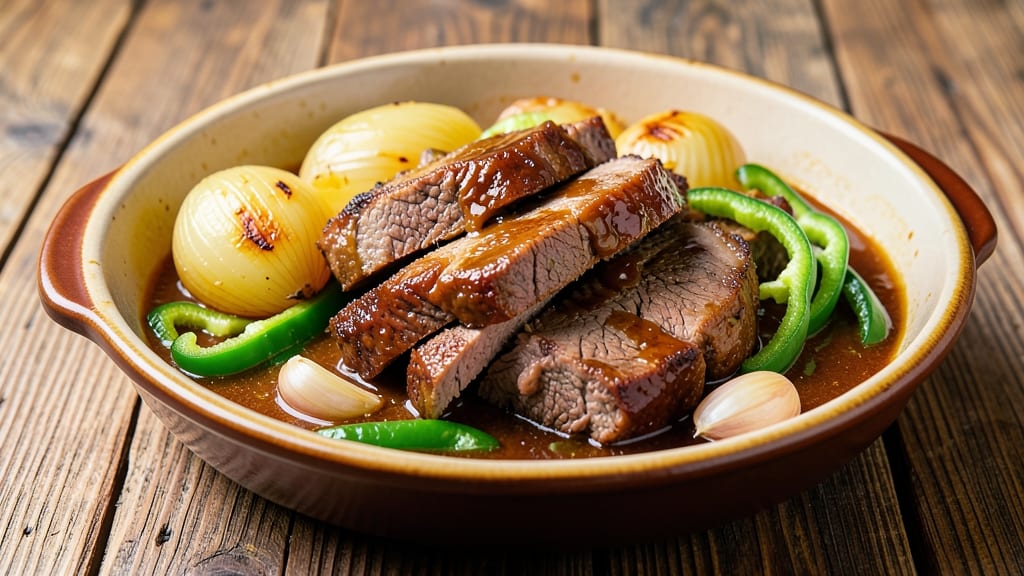
This beef caldereta recipe with pineapple juice brings the rich, tangy comfort of Filipino home cooking to your table, where tender beef simmers in a fragrant tomato-pineapple broth until it practically melts in your mouth. 🌟 The pineapple juice isn't just an ingredient—it's the secret weapon that tenderizes the beef while cutting through the richness of the tomato sauce, creating a perfect balance of sweet, sour, and savory that defines this dish.
I first discovered this recipe during a visit to my cousin's home in Manila, where the aroma of simmering caldereta filled the house and had everyone gathering around the stove.
The beauty of this recipe lies in its simplicity and depth of flavor. You'll start with chunks of beef that slowly transform into fork-tender pieces as they simmer in a rich tomato base, enhanced by garlic, onions, and a touch of vinegar for brightness.
The pineapple juice works its magic not just by tenderizing the meat but also by adding a subtle sweetness that complements the earthy vegetables—celery, bell peppers, and potatoes—that absorb all the flavors.
Unlike many braised dishes, this one stays vibrant and full of life, thanks to the acidity from the pineapple and tomatoes.
What you'll end up with is a dish that's hearty enough to feed a crowd but still feels special enough for a weeknight dinner.
The beef will be so tender it falls apart at the touch of a fork, the vegetables perfectly cooked but still holding their shape, and the sauce thick enough to coat every bite. The celery and pepper crunch adds a satisfying texture contrast that keeps every mouthful exciting.
This is the kind of meal that tastes even better the next day, making it perfect for leftovers—or for when you want to impress without spending hours in the kitchen.
Serve it with steamed rice to soak up every last drop of that flavorful sauce, or pair it with crusty bread for dipping. The dish is versatile enough to work as a main course for any occasion, from family gatherings to cozy dinner nights.
Let's get started on creating this Filipino classic that's sure to become a staple in your recipe rotation.
Ingredients for beef caldereta recipe with pineapple juice
Pantry staples meet Filipino flavors in this rich, tangy beef braise.
| Ingredient | Amount | Notes |
|---|---|---|
| Beef Chuck Roast 🥩 | 2 ½ lb | Cut into 1.5-inch cubes |
| Tomato Sauce 🍅 | 2 cups | Canned San Marzano preferred |
| Pineapple Juice 🍍 | 1 cup | Freshly squeezed or bottled |
| Yellow Onion 🧅 | 1 whole | Diced, about 1.5 cups |
| Garlic Cloves 🧄 | 6 cloves | Minced, about 1 tbsp |
| Green Bell Pepper 🌶️ | 1 whole | Diced, about 1 cup |
| Celery Stalks 🧅 | 3 whole | Diced, about 1 cup |
| Russet Potatoes 🥔 | 3 medium | Peeled, cut into chunks |
| Canned Pineapple Chunks 🍍 | 1 can | In juice, drained |
| White Vinegar 💧 | 2 tbsp | For brightness |
| Bay Leaves 🌿 | 2 whole | For aroma |
| Ground Black Pepper 🌶️ | 1 tsp | Freshly ground |
| Salt 🧂 | 1 ½ tsp | Kosher or sea salt |
| Olive Oil 🫒 | 2 tbsp | For searing |
| All-Purpose Flour 🌾 | 1 tbsp | For coating beef |
The beef is the star—look for chuck roast with good marbling at your local butcher or grocery store's meat counter. Costco or Whole Foods often have great cuts at reasonable prices. Cutting it into even 1.5-inch cubes ensures everything cooks at the same rate. For the tomatoes, San Marzano cans are worth the splurge—they're sweeter and less acidic, which balances the pineapple perfectly. If you can't find them, any good-quality canned tomatoes work. The pineapple juice should be fresh if possible, but bottled works in a pinch—just avoid anything with added sugar.
No San Marzano tomatoes? Crushed tomatoes with a splash of tomato paste gets you close. Running short on pineapple juice? Substitute with orange juice at half the amount, though it won't tenderize the beef quite as well. Fresh garlic and onion are ideal, but frozen diced sets work if you're in a hurry—just thaw and drain them first. The bell pepper and celery can be swapped for other crunchy veggies like carrots or zucchini if you're feeling adventurous. For the potatoes, Yukon Golds hold up better than russets if you prefer creamier texture, but russets work perfectly for this dish's hearty vibe.
This dish tastes even better the next day as the flavors meld. Store leftovers in the fridge for up to 5 days or freeze for 3 months. I like to portion mine into containers with a side of rice so lunches are ready to grab. The sauce thickens as it cools, so you might need to add a splash of water or pineapple juice when reheating. For extra richness, stir in a pat of butter when serving—trust me, it's worth it.
Why You'll Love This Recipe
- One-Pot Magic: I swear by this recipe when I’m too tired to scrub pots—just brown the beef, toss in the onions and garlic, then let the tomato sauce and pineapple juice do their thing. The slow simmer means less stirring, more relaxing.
- Sweet-Savory Balance: That pineapple juice isn’t just for flavor—it cuts through the richness of the beef and tomato sauce, leaving you with a dish that’s tangy, hearty, and just a little bit bright. Honestly, the first time I tasted it, I immediately doubled the recipe.
- Budget Crowd-Pleaser: A single beef chuck roast stretches for four or five servings, and the rest of the ingredients are pantry staples. Between us, this is how I feed my family for under $15 without sacrificing taste—my kids don’t even notice it’s a budget meal.
- Leftovers That Shine: The sauce thickens beautifully overnight, making reheated caldereta even richer. I pack it for lunches or serve it cold in tacos—it’s my go-to when I need something reliable that still feels special. (Yes, even on a Tuesday night.)
Step-by-step instructions for beef caldereta with pineapple juice
Here's how to make this rich, spiced tomato braise with tender beef and sweet pineapple notes.
🔥 Step 1: Sear the Beef for Deep Flavor
Pat the 2.5 lb beef chuck roast dry with paper towels and cut it into 1.5-inch cubes. In a large Dutch oven, heat 2 tablespoons olive oil over medium-high heat until shimmering. Working in batches, add the beef cubes and sear for 2-3 minutes per side until deep golden brown—this builds rich flavor that carries through the braise.
Real talk: Don't overcrowd the pan or the beef will steam instead of sear. I press down gently on the cubes during the first minute to prevent curling. Transfer the browned beef to a plate and set aside—you'll add it back later.
🍳 Step 2: Build the Aromatic Base
In the same Dutch oven, add the 1 whole yellow onion, 1 whole green bell pepper, and 3 whole celery stalks—all diced as specified. Cook for 5-6 minutes until softened and the vegetables begin to caramelize. Add the 6 cloves garlic cloves and cook for another 30 seconds until fragrant—this is where the magic happens.
Here's the thing—don't rush this step. The vegetables should release their moisture and develop a golden hue. If they stick, add a splash of water and scrape up those flavorful browned bits from the bottom of the pan.
🥘 Step 3: Develop the Tomato-Pineapple Braise
Sprinkle the 1 tablespoon all-purpose flour over the vegetables and stir for 1 minute to cook off the raw taste. Pour in the 2 cups tomato sauce and 1 cup pineapple juice, scraping up any browned bits. Add the 2 tablespoons white vinegar, 1.5 teaspoons salt, 1 teaspoon ground black pepper, and 2 whole bay leaves.
Bring the mixture to a gentle simmer, then return the seared beef to the pot. The liquid should come about halfway up the beef cubes. If it's too thin, simmer uncovered for 5 minutes to reduce slightly—this ensures a rich, concentrated sauce.
⏰ Step 4: Slow Cook Until Tender
Cover the Dutch oven and transfer to a 325°F oven. Cook for 2-2.5 hours, turning the beef occasionally, until it's fork-tender and easily pulls apart. The sauce should thicken and coat the beef beautifully. Here's the secret: I check the internal temperature after 2 hours—it should read 195-200°F.
If the sauce reduces too much before the beef is tender, add ¼ cup water or pineapple juice to maintain moisture. The potatoes will go in later, so don't worry about overcooking yet.
🥘 Step 5: Add Potatoes and Pineapple for Crunch
Peel and cut the 3 medium russet potatoes into 1-inch chunks and drain the 1 can pineapple chunks (reserve ¼ cup juice). Add both to the Dutch oven along with the reserved pineapple juice. Return to the oven and cook uncovered for another 30-40 minutes until the potatoes are tender and the pineapple is heated through.
You'll know it's done when the potatoes are fork-tender and the sauce has thickened into a glossy, slightly sticky consistency. The pineapple should be warm but still hold its shape—no mushy chunks here. Remove the bay leaves before serving.
Pro Tips For Making Beef Caldereta Recipe With Pineapple Juice
- Brown the Beef First: I learned this the hard way—skipping the sear means flavorless beef. Sear the chuck roast in batches over medium-high heat until deep brown (about 3-4 minutes per side) before adding onions or garlic. That crust locks in juices and builds the base for the rich, tangy sauce.
- Sweat Onions Low: Onions burn faster than you think, especially when you’re distracted. Cook them over low heat for 8-10 minutes until translucent and caramelized at the edges—no color yet, just soft. This prevents bitterness and makes the pineapple juice sing later.
- Reduce Pineapple Juice: The juice is the star, but don’t just dump it in. Simmer it uncovered for 5-7 minutes after adding to the pot to concentrate the sweetness and thicken the sauce. This cuts through the acidity of the tomato sauce and balances the dish.
- Add Garlic Late: Garlic burns in a flash, and you’ll regret it if it turns bitter. Toss in the minced cloves with the tomato sauce only after the onions are fully cooked and the beef is halfway through simmering. Stir immediately and keep heat low.
Wine and beer pairings for this recipe
Red Wine Pairings
For this rich, tomato-based braise, I reach for a medium-bodied Spanish Garnacha (Grenache)—its juicy red fruit notes and subtle earthiness mirror the pineapple and beef beautifully. A bottle from Bodegas Muga or La Moneda brings just the right acidity to cut through the sauce's richness.
Garnacha's natural sweetness also complements the pineapple's tropical brightness, creating a perfect harmony. 🍷
White Wine Options
If you prefer white, a crisp Filipino-style white wine like Petron White from the Philippines works wonderfully. Its citrus and floral notes balance the dish's sweet-savory profile. For something more international, try a dry Riesling from Germany—its mineral edge and slight sweetness enhance the pineapple's fruitiness.
I keep a bottle of Dr. Loosen Blue Slate on hand specifically for Filipino dishes.
Beer Pairings
A refreshing Filipino lager like San Miguel Light cleanses the palate between bites without overpowering the dish. Its subtle malt sweetness complements the pineapple while the crisp finish balances the tomato's acidity.
For craft beer lovers, a Belgian Witbier like Hoegaarden adds a citrusy brightness that echoes the pineapple juice in the recipe. The effervescence helps cut through the dish's richness.
Non-Alcoholic Choices
Don't overlook sparkling pineapple soda like San Pellegrino Aranciata—its effervescence and citrus notes mirror the dish's flavors. For something more traditional, serve a Filipino calamansi juice (a tangy citrus blend) on the side.
The acidity enhances the beef's tenderness and balances the sweetness. I often make a quick batch by mixing calamansi juice with a splash of water and ice for a refreshing sipper.
Cocktail Pairing
For a special occasion, serve a Pineapple Margarita made with reposado tequila, fresh pineapple juice, and a squeeze of lime. The cocktail's sweet-tart balance mirrors the caldereta's flavors while adding a festive touch.
I like to rim the glass with Tajín for an extra kick. The margarita's citrus notes complement the dish's tomato and beef elements beautifully. 🍹
Nutrition facts
Frequently asked questions
Why does this recipe use pineapple juice instead of just tomatoes?
The pineapple juice serves three key purposes: it tenderizes the beef through its natural enzymes, adds a bright sweetness that balances the tomato's acidity, and prevents the sauce from becoming too heavy. The tropical flavor also gives this Filipino dish its signature tropical twist that sets it apart from other tomato-based braises.
Can I substitute beef chuck roast with another cut?
For best results, stick with chuck roast as it has the right fat-to-lean ratio for braising. If you must substitute, try chuck shoulder or stew beef—both work well. Avoid lean cuts like sirloin as they won't become tender enough. For pork lovers, pork shoulder works beautifully too, but adjust cooking time to 1.5-2 hours.
How do I make this recipe in a slow cooker?
Brown the beef first in a skillet as directed, then transfer everything to a 6-quart slow cooker (except potatoes). Cook on low for 7-8 hours or high for 4-5 hours. Add potatoes and pineapple chunks during the last 1 hour of cooking. The sauce will be thinner but still flavorful—reduce it on the stovetop before serving if needed.
What's the secret to getting that perfect thick sauce?
Simmer the sauce uncovered for 5-10 minutes at the end to evaporate excess liquid. For extra thickness, mix 1 tablespoon cornstarch with 2 tablespoons water, stir into the sauce, and simmer for 2 minutes until glossy. The key is patience—don't rush the cooking time or the sauce won't develop properly.
Can I make this dish ahead of time?
This recipe tastes even better the next day! Store leftovers in the fridge for up to 5 days or freeze for 3 months. Reheat gently on the stove with a splash of water or pineapple juice to restore moisture. The flavors actually deepen as the ingredients meld together over time—perfect for meal prep!