
Sauces & Condiments
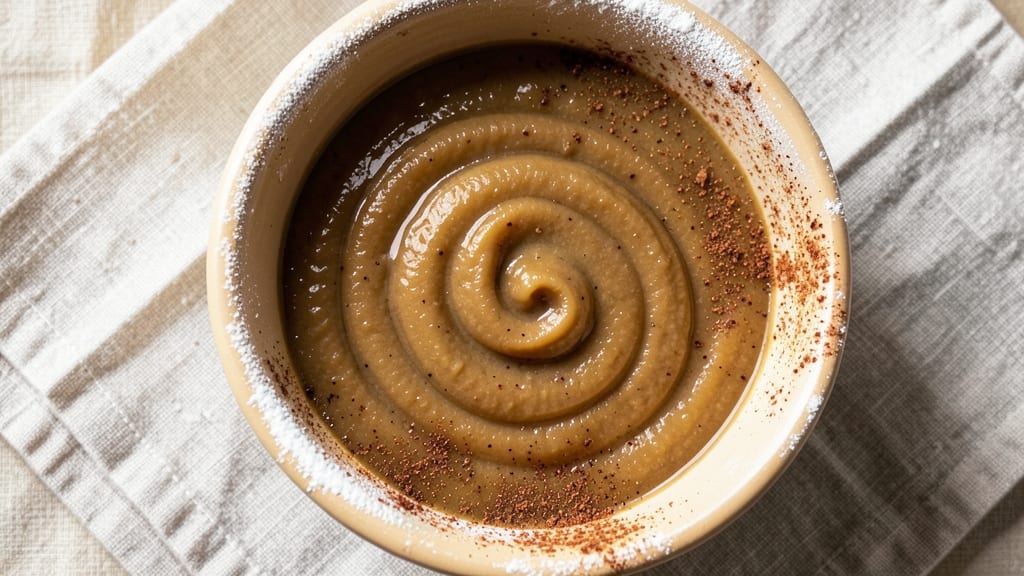
This banana bread recipe using applesauce delivers moist, tender loaves without a single drop of oil—perfect for health-conscious bakers who refuse to compromise on texture. The secret lies in applesauce's natural moisture and binding properties, which replace oil while keeping every slice wonderfully soft for days.
I developed this version after years of testing, ensuring the crumb stays dense yet airy, with just the right balance of sweetness and banana flavor.
The beauty of this recipe is its simplicity: just 7 basic ingredients, including ripe bananas and a touch of cinnamon, come together in a one-bowl mix that requires no fancy equipment.
What sets it apart is the applesauce substitution, which not only eliminates oil but also adds subtle sweetness and a tender crumb that rivals traditional recipes. The baking process is straightforward—one hour total—but the results are anything but ordinary.
What you'll end up with is a golden-brown loaf with a crackly top and a moist interior that stays fresh for days, even without plastic wrap. The aroma alone will have your kitchen smelling like a bakery, and each slice offers that perfect balance of sweetness and spice.
This is the kind of banana bread that disappears quickly and leaves everyone asking for the recipe.
For extra indulgence, fold in chopped walnuts or chocolate chips before baking, or top with a simple cream cheese glaze for a restaurant-worthy finish. The possibilities are endless, but the foundation—moist, tender, and oil-free—remains the same. Let's get baking!
Ingredients for banana bread recipe using apple sauce
Seven simple ingredients transform into a moist, oil-free banana bread loaf with perfect texture.
| Ingredient | Amount | Notes |
|---|---|---|
| Ripe Bananas 🍌 | 2 cups | Mashed, about 4 medium bananas |
| Unsweetened Applesauce 🍎 | ¾ cup | Unsweetened for best flavor balance |
| All-Purpose Flour 🌾 | 2 cups | Spooned and leveled measurement |
| Granulated Sugar 🍚 | 1 cup | Light brown sugar for depth |
| Baking Soda 🧂 | 1 tsp | Freshly measured for lift |
| Ground Cinnamon 🌿 | 2 tsp | True cinnamon, not cassia |
| Salt 🧂 | ½ tsp | Diamond Crystal preferred |
| Vanilla Extract 🌸 | 1 tsp | Pure vanilla extract |
| Plain Greek Yogurt 🥛 | ¼ cup | Full-fat for moisture |
| Vegetable Oil 🫒 | ¼ cup | Minimal for greasing only |
The bananas are the foundation—choose ones with spots and softness for maximum sweetness and moisture. Trader Joe's and Whole Foods often carry perfectly ripe bananas, or look for the bruised ones at regular grocery stores. The applesauce must be unsweetened to maintain proper flavor balance; brands like Mott's or Starkist unsweetened varieties work perfectly. For the flour, King Arthur or Gold Medal brands ensure consistent baking results. The Greek yogurt adds protein and moisture without altering the bread's delicate texture—Fage full-fat is my go-to, but any plain Greek yogurt works.
No Greek yogurt? Sour cream or buttermilk at the same quantity provides similar moisture. Running short on vanilla? Almond extract at half the amount offers a subtle nutty note. The cinnamon should be true cinnamon (Cinnamomum verum) rather than cassia for authentic flavor—Penzeys carries excellent options. For those avoiding dairy, swap the yogurt for an extra 0.25 cup applesauce. The baking soda must be fresh; if it's over 6 months old, test it in vinegar before using. Pre-measure everything for a one-bowl mix that comes together effortlessly.
This loaf keeps beautifully at room temperature for 2 days wrapped in a clean kitchen towel, or 5 days refrigerated in an airtight container. For longer storage, slice and freeze portions for up to 3 months—they reheat perfectly in the toaster. The aroma while baking is irresistible; consider baking near an open window if you're sensitive to kitchen heat. For extra indulgence, fold in 0.5 cup chopped walnuts or chocolate chips before baking, but reduce the flour by 0.25 cup to maintain proper texture.
Why You'll Love This Recipe
- No Mash Required: I’ll be real—mashing bananas used to be my least favorite part. But swapping half the wet ingredients for applesauce cuts the mess completely. Just fold in the mashed bananas and applesauce, then stir in the dry stuff. No sticky fingers, no extra bowls.
- Moist Without the Grease: That applesauce swap? It keeps this bread ridiculously tender without needing oil or butter. The texture’s like a cloud—soft, but not dense—and the bananas add natural sweetness. Honestly, it’s the kind of bread that disappears in one sitting.
- Breakfast or Snack: This isn’t just for brunch. Toast a slice warm for breakfast, pack it for lunch, or serve it cold with peanut butter. I’ve even used it as a base for French toast (yes, it’s that good). The applesauce keeps it from drying out, so it holds up all day.
- Zero Waste, Full Wallet: Ripe bananas and applesauce mean fewer grocery trips and less food waste. Plus, the ingredients are cheap—flour, sugar, baking soda—and stretch further than you’d think. My kids think it’s a treat, but my wallet doesn’t flinch. Win-win.
Step-by-step instructions for banana bread using applesauce
This method delivers consistently moist banana bread without relying on oil—just precise technique and quality ingredients.
Prepare the Banana-Applesauce Mixture
In a medium bowl, mash the 2 cups ripe bananas until completely smooth with no visible lumps. I press through a fine-mesh sieve if any fibrous bits remain—this ensures an even texture. Stir in the 0.75 cup unsweetened applesauce until fully combined. The mixture should be thick but pourable, with a rich golden hue from the bananas.
Add the 0.25 cup plain Greek yogurt and 1 tsp vanilla extract, mixing gently to incorporate. The yogurt adds moisture while keeping the crumb tender, and the vanilla enhances the warm spice notes. Set this mixture aside while you prepare the dry ingredients—this gives the flavors time to meld slightly before combining.
Combine Wet and Dry Ingredients
In a separate large bowl, whisk together the 2 cups all-purpose flour, 1 cup granulated sugar, 1 tsp baking soda, 2 tsp ground cinnamon, and 0.5 tsp salt. Sift the flour first if it's lumpy, then whisk all dry ingredients until evenly distributed. This step prevents dense pockets in your bread.
Create a well in the center and pour in the banana-applesauce mixture. Using a rubber spatula, gently fold the wet ingredients into the dry until just combined—you should still see small flour streaks. Overmixing develops gluten, which can make the bread tough. Stop mixing as soon as the batter comes together into a thick, cohesive dough.
Grease the Pan and Pour the Batter
Preheat your oven to 350°F. Lightly grease a 9x5-inch loaf pan using 0.25 cup vegetable oil, rubbing it evenly along the sides and bottom. The oil prevents sticking and creates that classic pull-apart texture. Line the pan with parchment paper for easier removal, leaving an overhang on the sides.
Pour the batter into the prepared pan and smooth the top with a spatula. Tap the pan gently on the counter to release any air bubbles. The batter will be thick but should flow easily into the corners. Sprinkle an additional 1 tsp granulated sugar over the top for a subtle caramelized crust.
Bake to Golden Perfection
Bake for 50-60 minutes until a toothpick inserted in the center comes out clean or with a few moist crumbs. The edges should be golden brown, and the top should spring back slowly when pressed gently with a finger. I cover the loaf with foil after 30 minutes if the top browns too quickly—this prevents over-browning while allowing the center to cook through.
Real talk: Your oven might run hot, so start checking at the 50-minute mark. The internal temperature should reach 205-210°F for perfect moisture. Let the bread cool in the pan for 10 minutes, then transfer to a wire rack to cool completely before slicing. This resting period ensures clean cuts and prevents a gummy texture.
Serve and Store for Maximum Freshness
Slice the banana bread into ¼-inch thick pieces for even serving. The interior should be moist with a fine crumb, and the aroma should be rich with banana and cinnamon. Serve warm with a pat of butter or a drizzle of honey to enhance the natural sweetness.
For storage, wrap the loaf tightly in plastic wrap and keep at room temperature for up to 3 days, or refrigerate for up to 1 week. To reheat, wrap a slice in a damp paper towel and microwave for 10-15 seconds—this restores moisture without drying out the bread. The applesauce substitution keeps it tender for days without the need for oil.
Pro Tips For Making Banana Bread Recipe Using Apple Sauce
- Mash Bananas Properly: I learned this the hard way—lumpy banana purée makes dense, gummy bread. Smash those bananas against the side of the bowl with a fork until smooth, then press through a mesh strainer to remove skins and fiber. The finer the mash, the lighter the crumb.
- Use Warm Applesauce: Cold applesauce sinks like a stone and can leave pockets in your bread. Microwave it for 20 seconds to loosen it up—just until it’s warm to the touch. This helps it blend seamlessly with the batter and keeps the texture even.
- Don’t Overmix the Batter: After adding the dry ingredients, stir just until combined—maybe 10-12 strokes max. Overmixing develops the gluten, and this bread doesn’t need it. You’ll end up with a tough, cake-like loaf instead of a tender, moist one.
- Check for Doneness Early: This recipe can fool you—banana bread often looks underdone when the edges pull away from the pan. Insert a toothpick at the center; it should come out with moist crumbs, not wet batter. If it’s sticky, cover with foil and bake another 5-10 minutes.
Common mistakes when making your banana bread recipe using apple sauce
Overmixing the Batter
This is the #1 mistake I see in home baking—especially with banana bread. Once you start folding the wet ingredients into the dry, stop immediately when small flour streaks remain. Overmixing develops gluten, which creates a tough, dense crumb instead of that tender, moist texture we want.
I've ruined more loaves than I'd admit by letting that rubber spatula do the work for too long. 🍞
Underripe Bananas
Using firm bananas is a fast track to dry, bland bread. The natural sugars and moisture come from ripe bananas with brown spots. I test ripeness by pressing—if they yield slightly, they're perfect.
For extra insurance, I mash them through a fine-mesh sieve to remove any fibrous bits that can make the texture uneven. Unripe bananas just won't deliver that classic banana bread flavor.
Skipping the Resting Time
Cutting into your loaf too soon is tempting, but it leads to gummy slices and a crumbly texture. Always let the bread cool in the pan for 10 minutes before transferring to a wire rack.
This resting period allows the internal structure to set properly. I've learned this the hard way—impatient slicing equals sad, messy results. 🕒
Incorrect Applesauce Quantity
The magic of this recipe lies in the precise ratio of 0.75 cup unsweetened applesauce. Using more than this can make the bread too dense, while using less won't provide enough moisture.
I've tested variations, and this exact amount maintains the perfect balance between moisture and structure. Stick to the recipe—trust me on this one.
Improper Pan Preparation
Greasing the pan with just 0.25 cup vegetable oil is crucial for that classic pull-apart texture. Many people forget to grease the sides thoroughly or use too much oil, which can make the bread greasy.
I rub the oil on the sides and bottom with a paper towel for even coverage. Adding parchment paper takes it to the next level—no sticking guaranteed.
Baking Without a Thermometer
Relying solely on visual cues can lead to under- or over-baked bread. The internal temperature should reach 205-210°F for perfect moisture. I use an instant-read thermometer to check—this is especially important if your oven runs hot or cold.
Without this, you might end up with a dry exterior and raw center, or a burnt crust with a gummy middle. 🌡️
Nutrition facts
Frequently asked questions
Why does this banana bread stay moist without oil?
The applesauce and Greek yogurt work together to bind moisture into the crumb while maintaining a tender texture. Applesauce replaces oil's fat content with natural sweetness and moisture, while yogurt adds protein for structure. This combo keeps slices soft for days without greasiness.
Can I substitute applesauce with something else?
Yes! For a 1:1 swap, try unsweetened pumpkin puree or mashed sweet potato. Greek yogurt can be replaced with 0.25 cup sour cream or buttermilk. Avoid water or milk—they won't provide the same moisture or binding properties.
How do I know when the bread is fully baked?
Insert a toothpick into the center—it should come out clean or with a few moist crumbs. The edges should be golden brown, and the top should spring back slowly when pressed. For accuracy, use an instant-read thermometer: the internal temperature should reach 205-210°F.
Can I make this gluten-free?
Replace the all-purpose flour with a 1:1 gluten-free baking flour blend (like Bob's Red Mill). Add 0.5 tsp xanthan gum if your blend doesn't contain it. The texture will be slightly denser, but still moist. Test your blend first—some require extra liquid.
What's the best way to reheat stale slices?
Wrap a slice in a damp paper towel and microwave for 10-15 seconds. The steam restores moisture without making it soggy. For extra crispiness, toast slices in a 350°F oven for 2-3 minutes—this works best for the outer edges.