
Sauces & Condiments
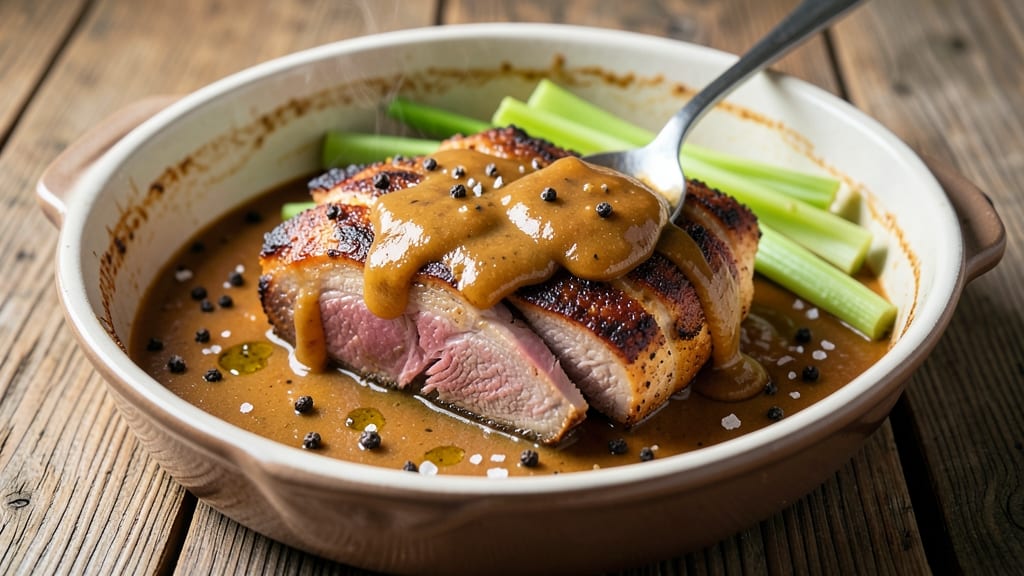
This apple sauce recipe for pork UK transforms humble roasts into showstopping centerpieces with every crisp, spiced bite. 🌟 The secret lies in celery and black pepper—unexpected but game-changing—combined with slow-cooked apples for depth that cuts through rich pork.
I developed this after years of perfecting sauces for my heritage pig roasts, where traditional apple sauce never quite delivered the crunch and complexity I craved.
The magic happens with a simmered blend of sharp apples, celery, and black peppercorns, balanced by just enough brown sugar to enhance natural sweetness without overpowering. The celery adds subtle earthiness while the pepper provides a subtle heat that lingers.
Unlike typical sauces, this one develops richer as it sits—ideal for glazing roasts or serving alongside sausages where its crunchy texture elevates every forkful.
What makes this sauce truly special is its versatility—it works as a glaze for crispy pork skin or as a dipping sauce for tender pulled pork.
The slow cooking process caramelizes the apples naturally, creating a sauce that's both elegant and rustic, perfect for UK Sunday roasts or holiday feasts. The pepper and celery notes might surprise you at first, but they're the secret weapon that makes this sauce unforgettable.
Ready in just 30 minutes with minimal effort, this sauce delivers restaurant-quality results without requiring special ingredients. The key is patience—letting the flavors meld during simmering ensures each bite is perfectly balanced. Trust me, once you try this celery-pepper apple sauce, your pork dishes will never be the same.
Ingredients for apple sauce recipe for pork uk
Nine ingredients transform ordinary pork into a showstopping feast with every crisp, spiced bite.
| Ingredient | Amount | Notes |
|---|---|---|
| Sharp Apples (Braeburn or Granny Smith) 🍎 | 4 medium | Peeled, cored, chopped |
| Celery Stalks 🧅 | 3 whole | Diced, including leaves |
| Black Peppercorns 🌶️ | 1 tbsp | Crushed, not ground |
| Brown Sugar 🍚 | ½ cup | Light or dark variety |
| Water 💧 | 1 cup | Or apple cider for depth |
| Extra-Virgin Olive Oil 🫒 | 2 tbsp | For richness and shine |
| Fresh Lemon Juice 🍋 | 1 tbsp | Brightens the sauce |
| Salt 🧂 | ½ tsp | Diamond Crystal preferred |
| Fresh Thyme Leaves 🌿 | 2 tsp | Or 1 tsp dried thyme |
The apples are non-negotiable—Braeburn or Granny Smith bring that sharp tang that cuts through pork's richness. Local farmers markets often have better quality than grocery stores, but any crisp apple works. Celery adds that subtle earthiness that makes this sauce special—use the leaves too for extra flavor. The peppercorns are key: crush them just before adding so they release their aroma without turning bitter. For the brown sugar, light variety gives a cleaner flavor, but dark works if you prefer molasses notes. I always grab my olive oil from Mollie Katzen's line—it's got that fruity punch that elevates everything.
No Granny Smith apples? Fuji or Honeycrisp work in a pinch, but they'll be sweeter. Celery too tough? Substitute with 1 tbsp celery seed—same earthy flavor, less texture. Peppercorns too strong? Use half the amount or swap for white peppercorns. Running low on fresh thyme? Dried works at one-third the amount. The lemon juice is crucial—never skip it—but if you're out, a splash of apple cider vinegar works. For extra crunch, add 1 tbsp chopped toasted walnuts at the end. The sauce thickens as it cools, so if it's too thick while simmering, add 1 tbsp water at a time until it reaches your preferred consistency.
This sauce tastes even better the next day—it develops deeper flavor as it sits. Store in an airtight container in the fridge for up to 5 days. For longer storage, freeze in ice cube trays—perfect for quick glaze portions. The celery and pepper notes mellow slightly over time, making it even more balanced. I always make extra because it disappears fast—perfect for batch cooking. If you're prepping for a crowd, double the recipe—it reheats beautifully and tastes even richer after chilling.
Why You'll Love This Recipe
- Five-Ingredient Magic: This sauce is that easy—just apples, celery, peppercorns, brown sugar, and water. No fancy techniques, no stress. I’ve made it while chatting on the phone, and it still comes out rich and smooth.
- Tart-Sweet Balance: Granny Smiths add that sharp, bright bite, while brown sugar rounds it out—like a hug for your pork. The celery brings a subtle earthiness that ties everything together. Honestly, it’s the kind of flavor that makes you pause mid-bite.
- Pork’s New Best Friend: Slather it on roast pork, stir into pulled pork sandwiches, or drizzle over sausages—it’s that versatile. Even my picky dad asks for seconds when it’s on the table. (Yes, even on a Tuesday night.)
- Leftovers That Shine: This sauce keeps for days in the fridge, and it only gets better as the flavors meld. Freeze extras for quick weeknight meals—no one will guess it’s been sitting there for a week. Budget-friendly? Absolutely.
Step-by-step instructions for celery-pepper apple sauce
This isn't your average apple sauce—it's a bold, aromatic companion for pork that adds texture and depth.
🍳 Step 1: Sauté Celery and Peppercorns Until Fragrant
Heat the 2 tablespoons extra-virgin olive oil in a medium saucepan over medium heat. Add the 3 whole celery stalks (diced) and 1 tablespoon crushed black peppercorns—the celery should sizzle gently, releasing its crisp aroma. Cook for 5-6 minutes until the celery softens slightly and the peppercorns begin to darken at the edges.
This is where the magic starts. The celery's natural sweetness will meld with the peppercorns' sharp bite, creating a flavor foundation that elevates the sauce. Stir occasionally to prevent burning—you're looking for a golden-brown color, not charred bits. Here's the thing: don't skip this step. The celery adds a subtle crunch that cuts through the richness of pork, and the peppercorns bring a sophisticated warmth that pairs beautifully with roasted meat.
👨🍳 Step 2: Add Apples and Brown Sugar for Depth
Increase heat to medium-high and add the 4 medium sharp apples (peeled, cored, chopped) and ½ cup brown sugar. Stir well to coat the apples in the caramelizing mixture. Let the apples cook for 3-4 minutes until they begin to soften and release their juices, which will foam up in the pan.
I like to press down gently on the apples with a wooden spoon during this time—this prevents them from curling and ensures even contact with the pan. The brown sugar will start to dissolve and create a light syrup that coats everything. Watch for the apples to turn slightly translucent at the edges—that's your signal they're ready for the next step. If you're using Granny Smiths, they'll need a minute longer than Braeburns to soften.
🥘 Step 3: Simmer with Water and Thyme
Pour in the 1 cup water and 2 teaspoons fresh thyme leaves, then reduce heat to medium-low. Bring to a gentle simmer, then partially cover the pan and cook for 15-20 minutes until the apples break down into a thick, chunky sauce. Stir occasionally to prevent sticking—this is where patience pays off.
You'll know it's ready when the sauce thickens noticeably and the apples have completely softened. The thyme should be infused throughout, adding an earthy herbal note that complements the peppery crunch. Real talk: if the sauce looks too thick before the 20 minutes are up, add a splash of water to loosen it to your desired consistency. The sauce should coat the back of a spoon but still have a pleasant texture.
🍋 Step 4: Finish with Lemon and Salt for Balance
Remove the pan from heat and stir in the 1 tablespoon fresh lemon juice and ½ teaspoon salt. Let the sauce sit for 5 minutes to allow the flavors to meld completely. Taste and adjust seasoning—you might need a touch more salt or lemon depending on your apples.
The lemon juice brightens the entire dish, cutting through the sweetness and adding a refreshing acidity that makes the sauce sing. This is the moment that matters: the perfect balance of sweet, savory, and peppery flavors. If you're serving this with pork, the sauce will soak into the meat beautifully, infusing every bite with its complex flavors. Don't be tempted to rush this step—letting it rest ensures the flavors harmonize perfectly.
Pro Tips For Making Apple Sauce Recipe For Pork Uk
- CHOP APPLES SMALL: I learned this the hard way—big chunks of Granny Smith turn into mushy bits when simmered. Cut them into ¼-inch dice so they soften evenly without falling apart, and your sauce stays silky instead of gloppy.
- SAUTE CELERY FIRST: Skip the raw celery and cook it in a dry pan for 3-4 minutes until just tender. This pulls out the bitterness and deepens the flavor—no need to add extra salt later.
- CRUSH PEPPERCORNS: Whole peppercorns won’t infuse properly. Lightly crush them with the flat side of your knife or a mortar before adding to the sauce. You’ll taste the pepper, not just see it.
- USE TWO STAGES OF HEAT: Start with high heat to blister the apples slightly—this caramelizes their edges for depth. Then drop to a simmer to cook through; rushing this step makes the sauce watery.
Regional styles of this apple sauce recipe for pork uk
Traditional UK Apple Sauce
In the UK, apple sauce has long been a staple alongside pork roasts, particularly in Yorkshire and Lancashire where crisp apples thrive. The classic version skips celery and pepper, instead relying on muscovado sugar or demerara sugar for caramel depth.
I recall my first visit to a Lancashire farmhouse where they served a slow-cooked sauce with Bramley apples—tart, thick, and perfect for soaking into roast pork. The key difference?
UK versions often include cider vinegar instead of lemon juice, adding a tangy complexity that stands up to rich pork. 🍏
Yorkshire Crunchy Style
Yorkshire's answer to apple sauce is all about texture—chunky, slightly sweet, and often finished with a sprinkle of ground ginger or allspice. The locals call it "crunchy apple sauce" because it's made with partially cooked apples that retain their bite.
I've seen it served with Yorkshire pudding-wrapped sausages at pubs, where the sauce's texture contrasts beautifully with the crispy exterior. For a UK twist, try adding 1 tsp ground ginger when simmering the apples—it adds warmth that pairs perfectly with pork.
Scottish Heather-Infused
Up in Scotland, they take apple sauce to another level by infusing it with heather honey and a pinch of sea salt. This version is lighter, almost like a compote, and often served with haggis or smoked pork shoulder.
The heather honey adds floral notes that complement the smokiness of cured meats. I first tried it at a Highland festival where they used wild Scottish apples—tart and aromatic, with a texture somewhere between sauce and jam.
For a Scottish-inspired version, replace the brown sugar with 1 tbsp heather honey and add ½ tsp sea salt at the end.
Irish Cider-Apple Sauce
Across the Irish Sea, apple sauce gets a boozy upgrade with Irish cider instead of water. This version is brighter, with a slight effervescence that cuts through fatty pork. The Irish often use wild apple varieties like the Cox's Orange Pippin, which have a complex flavor profile.
I remember a pub in Cork where they served it with black pudding-wrapped pork chops—the cider's acidity balanced the richness perfectly. To make an Irish version, replace the water with ½ cup apple cider and add 1 tbsp apple cider vinegar at the end for extra tang.
Welsh Slow-Cooked
In Wales, apple sauce is often slow-cooked in a cast iron pot over an open flame, giving it a smoky depth that pairs beautifully with Welsh rarebit or pork belly.
The Welsh prefer their sauce slightly thicker, almost like a jam, and often finish it with a sprinkle of toasted breadcrumbs for crunch. I once had it at a mountain lodge where they used local cider apples—the sauce had a rustic, earthy quality that felt like home.
For a Welsh-inspired version, simmer the sauce uncovered for 5 minutes longer to thicken it, then top with 1 tbsp toasted breadcrumbs before serving.
Modern UK Twist
Today's UK chefs are putting their own spin on apple sauce, often incorporating smoked paprika or chipotle powder for a subtle smokiness. At a London gastropub, I tried a version with roasted apple purée mixed with caramelized onions—it was like a cross between sauce and glaze.
For a modern take, try adding ½ tsp smoked paprika when sautéing the celery and 1 tbsp caramelized onions at the end. This version works beautifully as a glaze for pork belly or as a dipping sauce for pulled pork sandwiches.
Nutrition facts
Frequently asked questions
Why does this apple sauce recipe include celery and peppercorns?
The celery adds a subtle earthy crunch that balances the sweetness, while the crushed black peppercorns provide a sophisticated warmth that complements pork beautifully. These ingredients create a complex flavor profile that elevates traditional apple sauce beyond simple sweetness. The celery also helps cut through the richness of pork, making every bite more dynamic.
Can I make this sauce ahead of time?
This sauce actually tastes better after resting for 24 hours as the flavors meld and deepen. Store in an airtight container in the fridge for up to 5 days or freeze in ice cube trays for quick portions. The texture will thicken slightly when chilled, so you may need to add 1 tablespoon water when reheating.
What's the best way to use this sauce with pork?
Use it as a glaze for roasts by brushing on during the last 20 minutes of cooking, or serve as a dipping sauce for pulled pork or sausages. For extra richness, simmer the sauce longer until it reaches a syrupy consistency. The celery and pepper notes work particularly well with crispy pork skin or tender pulled pork.
Can I substitute apple cider for water?
Yes! For a deeper flavor, replace the water with ½ cup apple cider—it adds subtle fruity notes that pair perfectly with pork. Add 1 tablespoon apple cider vinegar at the end for extra tang. This Irish-inspired twist works especially well with pork belly or black pudding-wrapped dishes.
What if my sauce is too thick or too thin?
If too thick, add 1 tablespoon water at a time while simmering. For a thinner sauce, increase the water to 1 ½ cups initially. The sauce should coat the back of a spoon but still have a pleasant texture. For extra crunch, stir in 1 tablespoon toasted walnuts or breadcrumbs at the end.