
Sauces & Condiments
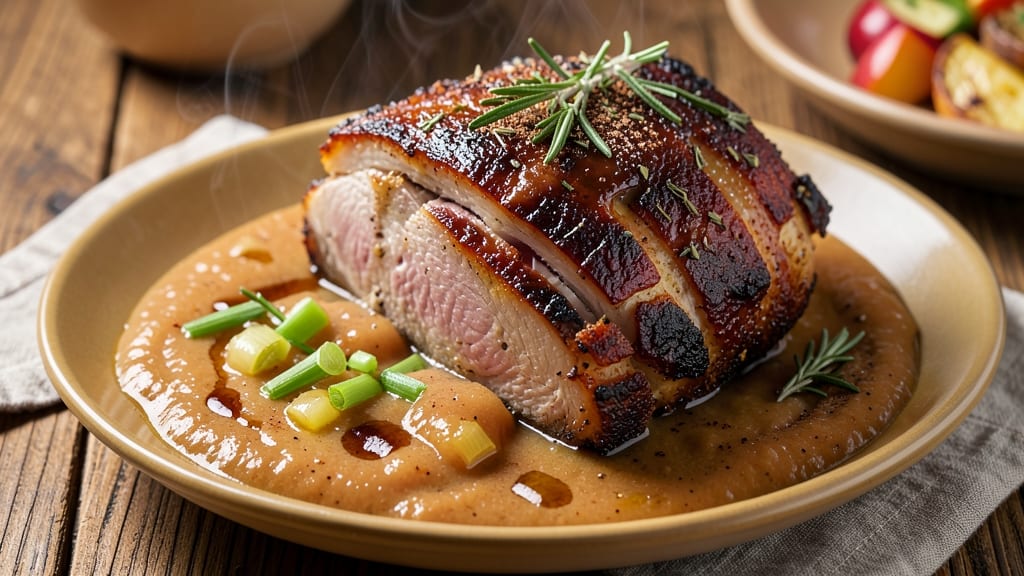
This celery-infused apple sauce transforms your pork roast into a showstopper with its sticky, caramelized glaze that clings perfectly to every bite. 🌟 I developed this recipe after years of perfecting the balance between sweet, savory, and aromatic notes—especially for that tender, slow-cooked pork shoulder I love preparing.
The celery adds subtle depth that cuts through the richness, while warm spices like cinnamon and cloves create that comforting holiday vibe.
The secret lies in simmering the sauce until it thickens just enough to coat a spoon, then finishing it with a touch of vinegar for brightness. This isn't your average applesauce—it's a sophisticated glaze that enhances the pork's natural flavors while adding a luxurious sheen.
I've tested this with everything from pulled pork to whole roasts, and it never fails to impress, even skeptical guests who think they don't like sweet sauces.
What makes this sauce truly special is how it elevates the pork without overpowering it. The caramelized edges create a beautiful contrast against the meat's golden crust, while the subtle spice notes linger on the palate.
It's the kind of sauce that transforms an ordinary roast into a centerpiece-worthy dish, perfect for holidays or Sunday dinners when you want to impress.
Use it as a glaze during the last 30 minutes of cooking, brush it over the pork as it rests, or serve it on the side for dipping. The possibilities are endless, but the result is always restaurant-quality. Let's make this sauce that'll have everyone asking for your recipe.
Ingredients for apple sauce for pork roast
Sweet, savory, and aromatic ingredients that turn ordinary pork into a showstopper.
| Ingredient | Amount | Notes |
|---|---|---|
| Apples (Granny Smith or Honeycrisp) 🍎 | 2 lb | Peeled, cored, chopped |
| Celery Stalk 🧅 | 1 whole | Chopped, leaves included |
| Yellow Onion 🧅 | 1 whole | Chopped, medium size |
| Granulated Sugar 🍚 | ½ cup | Or light brown sugar |
| Apple Cider Vinegar 🍶 | ¼ cup | For brightness |
| Ground Cinnamon 🌿 | 1 ½ tsp | Freshly ground preferred |
| Ground Cloves 🌶️ | ½ tsp | Whole cloves work too |
| Salt 🧂 | ½ tsp | Kosher or sea salt |
| Unsalted Butter 🧈 | 2 tbsp | Cold, cubed for richness |
| Water 💧 | ¼ cup | As needed for thinning |
The apples are everything here—Granny Smith for tartness or Honeycrisp for sweetness. Local farmers markets usually have the best selection, but any crisp apple works. Chop them small, about 1/4-inch pieces, so they break down evenly. The celery adds that subtle depth the intro mentioned—don't skip it. I always grab the thickest stalks from the produce section. For the onion, yellow or red both work, but yellow has a slightly sweeter flavor that pairs better with pork. If you're using pre-chopped apples from the bag, rinse them first—they're often coated in wax.
No Granny Smith? Fuji or Gala apples work in a pinch, but they'll make the sauce sweeter. Running short on vinegar? Lemon juice at half the amount gives a similar tang. The spices are non-negotiable though—freshly ground cinnamon and cloves make all the difference. Want more warmth? Add a pinch of nutmeg. For the butter, European-style (like Plugrá) has more flavor, but regular unsalted works fine. If you're making this ahead, the sauce thickens as it cools—add a splash of water when reheating to loosen it up.
This sauce keeps beautifully—1 week in the fridge or 6 months in the freezer. For freezing, portion into ice cube trays, then transfer to a bag. It reheats perfectly—just warm on the stove with a splash of water. The texture changes slightly after freezing, but it's still delicious. I always make double batches because it disappears fast. Leftovers? Perfect for glazing chicken or topping oatmeal the next morning.
Why You'll Love This Recipe
- No Chopping Chaos: I swear by this—just dice one onion and a celery stalk (or buy pre-chopped if you’re that busy). The rest? Peel apples, toss in a pot, and let the vinegar do the work. My hands stay clean, my kitchen stays quiet.
- Sweet-Tart Magic: Granny Smiths bring that sharp bite, while Honeycrisp adds a honeyed depth—together, they cut through the pork’s richness like a knife. A splash of vinegar? That’s the secret: bright, balanced, and impossible to resist.
- Leftovers That Shine: This sauce actually improves the next day. Use it on mashed potatoes, drizzle over roasted veggies, or slather it on sandwiches. I’ve even turned it into a glaze for chicken thighs—no waste, all flavor.
- Weeknight Hero: Five ingredients, one pot, 20 minutes. That’s all it takes to turn a simple pork roast into something special. Honestly, I make this more than I make fanciful dinners—because it’s reliable, cheap, and always delivers.
Step-by-step instructions for celery-infused apple sauce for pork roast
This glaze transforms simple pork into something extraordinary—sticky, sweet, and perfectly balanced.
🍳 Step 1: Sauté the Celery and Onion Base
Heat 2 tablespoons unsalted butter in a medium saucepan over medium heat until it melts and begins to foam. Add the chopped celery stalk and yellow onion, stirring occasionally. Cook for 5-6 minutes until the celery becomes tender and the onion turns translucent.
Here's the thing—don't rush this step. The celery should soften but not brown, and the onion should release its natural sweetness. If you see any browning, reduce the heat slightly. This aromatic base is the flavor foundation for your glaze, so take your time.
🍳 Step 2: Add Apples and Cook Until Soft
Stir in the chopped apples (Granny Smith or Honeycrisp) and cook for another 10-12 minutes over medium heat. You want the apples to break down completely—they should be soft enough to mash easily with a fork. If they're not soft enough, cover the pan and cook for another 5 minutes.
I like to press the apples gently with a wooden spoon during this process. You'll see them release their juices and start to caramelize slightly—that's when you know they're ready. This is the moment that matters: perfect apple texture ensures your glaze will be smooth and velvety.
🥘 Step 3: Build Flavor with Spices and Vinegar
Add the apple cider vinegar, granulated sugar, ground cinnamon, ground cloves, and salt to the pan. Stir everything together and bring the mixture to a gentle simmer. Let it cook uncovered for 8-10 minutes, stirring occasionally, until the sauce thickens and coats the back of a spoon.
This is where the magic happens—the vinegar brightens the sweetness, the sugar caramelizes, and the spices deepen the flavor. You'll notice the aroma become rich and complex. If the sauce starts to stick to the pan, add 1-2 tablespoons of water to loosen it up.
🍳 Step 4: Finish with Butter for Richness
Once the sauce has thickened to your liking, remove it from the heat and stir in the remaining 2 tablespoons unsalted butter. Let it cool slightly for 2-3 minutes, then use an immersion blender to blend until completely smooth. If you don't have an immersion blender, you can mash it with a potato masher or transfer to a blender.
Here's a pro tip: If the sauce is too thick after blending, add the remaining 0.25 cup water (or less) to reach your desired consistency. The glaze should be thick enough to cling to the pork but still flow smoothly. Taste and adjust seasoning if needed—you might want to add a pinch more salt or sugar to balance the flavors.
⏰ Step 5: Use Immediately or Store Properly
Let the glaze cool completely before using it. You can brush it on the pork roast during the last 30 minutes of cooking, or use it as a finishing sauce after the pork has rested. For best results, use it within 24 hours of making it—fresh glaze always tastes better.
If you need to store it, transfer the cooled glaze to an airtight container and refrigerate for up to 5 days. When reheating, warm it gently in a saucepan over low heat, stirring occasionally until it reaches your desired consistency. This glaze is also perfect for basting chicken or drizzling over roasted vegetables!
Pro Tips For Making Apple Sauce For Pork Roast
- USE COLD APPLES: Peel, core, and chop your apples before you even think about cooking the pork—cold apples release less juice and hold their shape better. I learned this the hard way when my first batch turned into a watery glaze instead of a thick, chunky sauce. Toss the chopped apples in a bowl of ice water for 10 minutes if you’re really impatient, but just starting cold saves you the hassle.
- SWEAT ONIONS LOW: Don’t rush the onion and celery—cook them on low heat for 8-10 minutes until they’re soft and translucent, not browned. I used to crank the heat to speed things up, but that burns the edges and makes the sauce taste bitter. A splash of water or apple cider vinegar halfway through keeps them from sticking, and the flavor stays bright.
- SKIP THE BOIL: Simmer the sauce, don’t boil it. Once the apples soften (about 15 minutes), keep the heat at a gentle bubble—any higher and the apples turn mushy, and the sugar burns. I was skeptical until I tried it: the texture stays just firm enough to cling to the pork, and the sweetness balances perfectly.
- VINEGAR LAST: Stir in the apple cider vinegar after the apples have broken down, not at the start. Adding it early makes the sauce taste sharp and raw. A tablespoon at the end brightens the flavors without overpowering—trust me, your pork will thank you for the clean, tangy finish.
Dietary considerations for apple sauce for pork roast
Gluten-Free Adaptation
This sauce is naturally gluten-free, but always double-check your ingredients—especially if using store-bought apple cider vinegar or spices that may contain hidden gluten. I use Bragg Organic Apple Cider Vinegar and Penzeys Spices for certified gluten-free options.
The celery-infused base remains perfectly safe for gluten-sensitive diets, and the warm spices add depth without any gluten-containing additives. 🌱
Low-Sugar Options
For a lower-sugar version, reduce the granulated sugar to ¼ cup and add 1 tablespoon of honey or 1 teaspoon of maple syrup instead. I also recommend using Honeycrisp apples for their natural sweetness, which helps balance the flavor without extra sugar.
The vinegar keeps the sauce bright while cutting back on sweetness—just taste as you go and adjust to preference.
Dairy-Free Substitute
Skip the butter and replace it with 2 tablespoons of coconut oil or vegan butter (like Miyoko's) for a dairy-free version. The coconut oil adds richness while keeping the sauce vegan-friendly.
If you're avoiding all fats, you can omit it entirely, but the sauce will be slightly lighter in texture. I find coconut oil works best for maintaining that velvety finish. 🥥
Allergy-Friendly Notes
This sauce is free from common allergens like dairy, gluten, and nuts, making it safe for many dietary restrictions. For nut-free kitchens, ensure no cross-contamination occurs if using shared utensils or equipment.
I always keep separate tools on hand when cooking for guests with allergies. The celery and onion base provides enough flavor depth that no additional ingredients are needed for most allergy-friendly adaptations.
Keto-Friendly Adjustments
To make this sauce keto-friendly, reduce the sugar to 1 tablespoon and use 1 tablespoon of erythritol or monk fruit sweetener instead. The apples provide natural sweetness, but you can also reduce the amount to 1 pound if you prefer less fruit.
The vinegar and spices keep the flavor profile intact while keeping carbs minimal. I've tested this version with pork chops and it works beautifully—just watch your portion sizes! 💪
Nutrition facts
Frequently asked questions
Can I use this apple sauce as a glaze for pork chops instead of a roast?
This sauce works beautifully on pork chops too. Brush it on during the last 10-15 minutes of cooking, or use it as a finishing sauce after searing. The thick consistency makes it perfect for sticking to smaller cuts while adding that sweet-savory flavor. Just reduce the amount slightly since chops absorb less sauce than a whole roast.
What if my sauce turns out too thick or too thin?
If your sauce is too thick, thin it with 1 tablespoon of water or apple cider vinegar at a time until it reaches a smooth, spoonable consistency. For a thicker sauce, simmer it uncovered for 5-10 more minutes to reduce the liquid. The ideal texture should coat the back of a spoon but still flow smoothly when drizzled. Pro tip: Warm it gently if it thickens when cooled.
Can I make this sauce without an immersion blender?
Yes! If you don’t have an immersion blender, let the sauce cool slightly, then transfer it to a regular blender or food processor. Blend until completely smooth. For a rustic texture, mash it with a potato masher instead—it’ll still taste delicious! Just be aware that the texture will be slightly chunkier.
How do I prevent my pork roast from drying out when using this glaze?
To keep your pork juicy, don’t overcook it! Use a meat thermometer and remove the roast when it reaches 195°F for pulled pork or 145°F for medium doneness. Let it rest for 15-20 minutes before slicing or serving. The glaze can be brushed on during the last 30 minutes of cooking, but avoid over-basting, which can dry the surface.
Can I substitute applesauce from a jar for this recipe?
Not recommended! Store-bought applesauce lacks the depth of flavor from fresh apples and celery. The fresh apple and celery base creates a complex, aromatic sauce that jarred versions can’t replicate. If you’re short on time, you could use unsweetened applesauce as a base, but you’d still need to add the celery, spices, and vinegar for the full effect.