
Sauces & Condiments
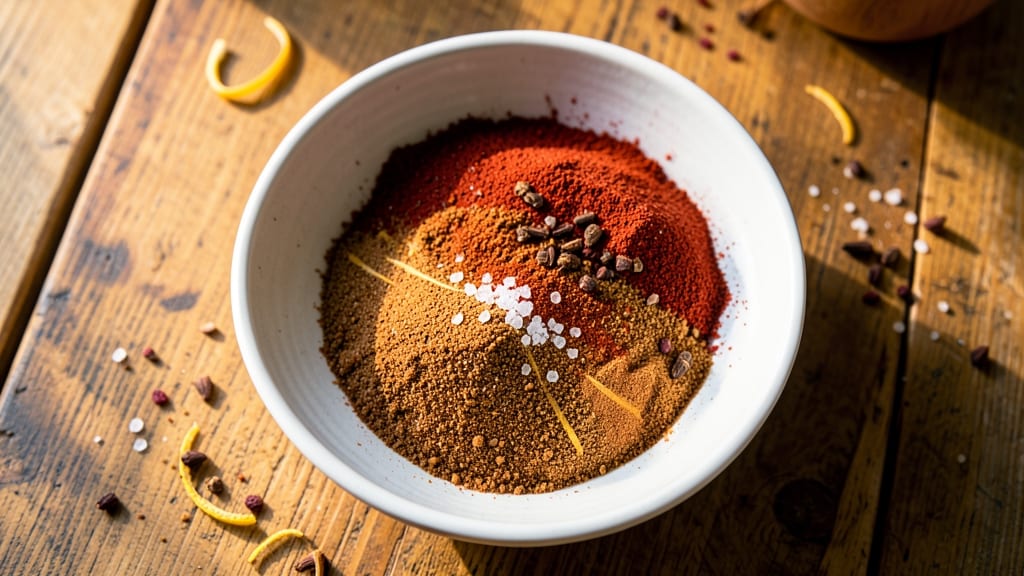
This apple rub seasoning transforms ordinary grilled pork and chicken into something extraordinary—think sweet, smoky, and aromatic with every bite. The blend of warm spices and brown sugar creates a caramelized crust that locks in juices while delivering complex flavor.
I developed this mix after years of experimenting with fall-inspired dry rubs, and it never fails to impress.
The beauty of this seasoning lies in its versatility and simplicity. With just six ingredients and 10 minutes of prep, you’ll have a dry blend that elevates everything from pork chops to roasted vegetables.
The combination of cinnamon, nutmeg, and cloves adds warmth, while brown sugar caramelizes beautifully during cooking, creating that perfect balance of sweet and savory.
What makes this recipe stand out is its ability to deliver restaurant-quality results at home. The spices penetrate the meat deeply, infusing it with flavor that builds as it cooks.
Whether you're grilling, roasting, or even baking, this rub ensures every bite is packed with that signature apple-cinnamon aroma that feels like fall in every mouthful.
Perfect for meal prep, holiday gatherings, or a cozy weeknight dinner, this seasoning mix keeps well in an airtight container for up to three months. Double the batch—you’ll want to make it again. Here’s how to create it!
Ingredients for apple rub seasoning
Six pantry staples that transform grilled pork and chicken into restaurant-worthy masterpieces.
| Ingredient | Amount | Notes |
|---|---|---|
| Brown Sugar 🍯 | ½ cup | Light or dark variety preferred |
| Ground Cinnamon 🍃 | 2 tbsp | Freshly ground for maximum aroma |
| Ground Nutmeg 🌿 | 1 tbsp | Freshly grated preferred |
| Ground Cloves 🌶️ | 1 tbsp | Whole cloves for grinding |
| Smoked Paprika 🌶️ | 1 tbsp | For smoky depth |
| Kosher Salt 🧂 | 1 tbsp | Diamond Crystal preferred |
The brown sugar is non-negotiable here—it caramelizes beautifully during cooking, creating that signature crust. Trader Joe's has the best quality at a great price, but any light or dark brown sugar works. For the spices, Penzeys or bulk bins at Whole Foods are ideal—freshly ground spices make all the difference. Cloves especially lose potency fast, so buy them whole and grind them fresh if you can. The smoked paprika adds that subtle smokiness that pairs perfectly with apple flavors, and Diamond Crystal kosher salt is my go-to for even distribution.
No smoked paprika? Regular paprika plus a pinch of liquid smoke gets you close. Substituting ground spices for whole? Use half the amount—whole spices pack more punch. Running low on nutmeg? Allspice at one-third the amount mimics that warm, earthy note. The salt is crucial for balance, but if you're using a different brand, taste as you go—Diamond Crystal is finer and dissolves more evenly. For a deeper apple flavor, add a pinch of ground apple peel (just blend dried apple slices in a food processor).
This blend keeps for three months in an airtight container, away from light and heat. I always make a double batch—one for immediate use, one to stash. Store it in a small jar with a tight seal, and it'll be ready whenever you crave that fall-inspired flavor. The spices mellow over time, so if it's been sitting for a while, give it a quick sniff before using. Works beautifully on pork shoulder, chicken thighs, or even roasted sweet potatoes.
Why You'll Love This Recipe
- Five-Ingredient Magic: I swear by this mix—just toss those pantry staples in a bowl, stir, and you’re done. No fancy tools, no measuring headaches, and honestly, if you’ve got brown sugar and spices, you’ve got everything.
- Warmth in a Jar: That smoky paprika and nutmeg? It’s like autumn in your hands. The brown sugar caramelizes just enough to make everything taste homemade—think roasted pork, baked beans, or even a sprinkle on oatmeal. (Yes, even on a Tuesday.)
- One Jar, Endless Uses: This isn’t just for apples. Slather it on chicken thighs for dinner, dump it in chili for depth, or stash it in your camping cooler for foil-packet meals. I’ve used it on everything from brisket to sweet potatoes, and it never lets me down.
- Lasts Forever, Costs Nothing: A little goes a long way—this batch feeds me for months. The spices are cheap, the shelf life is ridiculous, and I’ve got jars tucked in my pantry, freezer, and even my car for emergencies. Budget-friendly? More like steal.
Step-by-step instructions for apple rub seasoning
This aromatic blend transforms simple grilled meats into showstopping centerpieces—let's make it.
Measure Ingredients Precisely
Start by gathering all your ingredients in a small bowl. I like to use a measuring cup for the 0.5 cup brown sugar first—pack it lightly so it doesn't overflow. The sugar forms the sweet base that balances the warm spices beautifully.
Next, measure the 2 tablespoons ground cinnamon using a level measuring spoon. Tap it gently to remove excess. Freshly ground spices make all the difference here—their vibrant aroma will infuse your rub with depth. For the remaining spices, use 1 tablespoon each of ground nutmeg, ground cloves, smoked paprika, and kosher salt. Precision matters with these strong flavors.
Whisk Until Uniformly Combined
Place all ingredients in a medium bowl and use a whisk to combine them thoroughly. Start with gentle strokes to distribute the brown sugar evenly, then increase to vigorous whisking for about 30 seconds until the mixture looks completely homogeneous. You'll see the spices clinging to the sugar crystals, creating a cohesive blend.
This is where the magic happens—the spices meld together, releasing their aromatic compounds. The nutmeg and cloves will smell particularly intense at this stage. If you notice any dry spots, give it another quick whisk to ensure every particle is coated with sugar.
Store for Maximum Flavor Development
Transfer the finished rub to an airtight container. I prefer glass jars for this—it lets me see the beautiful color blend while keeping it fresh. Seal tightly and store in a cool, dark place for up to 3 months, or in the refrigerator for up to 6 months for even better flavor preservation.
Before each use, give the rub a good shake to redistribute any settled spices. The longer it rests, the more the flavors will develop and harmonize. This blend works beautifully on pork shoulders, chicken thighs, or even roasted vegetables—just be generous with it. A little goes a long way with these potent spices.
Apply Generously Before Cooking
When ready to use, pat your meat dry with paper towels—this ensures the rub adheres properly and creates that coveted caramelized crust. Using your hands, press the rub firmly into every inch of the meat, including the cavity if applicable. Don't be shy—this isn't just seasoning, it's flavor infusion.
The sugar in the rub will caramelize during cooking, creating a beautiful bark while the spices penetrate the meat. For best results, let the seasoned meat sit at room temperature for 15-20 minutes before cooking. This allows the rub to work its magic and creates a more even cook throughout.
Pro Tips For Making Apple Rub Seasoning
- TOAST THE SPICES: I learned this the hard way—skipping the toasting step makes your rub taste flat. Lightly toast the cinnamon, nutmeg, and cloves in a dry pan over medium heat for 30 seconds until fragrant. The paprika and brown sugar can join later, but those warm spices need that quick bloom to wake up their flavor.
- GRIND FRESH CLOVES: Store-bought ground cloves lose their punch fast. If you’re using whole cloves, crush them with the flat side of a knife or roll a heavy pan over them—this releases more aroma. Even if you’re using pre-ground, a quick pulse in a spice grinder right before mixing revives it.
- BALANCE THE SWEET: Brown sugar is the star, but too much can make your rub cloying. Start with 3 parts brown sugar to 1 part spice mix, then adjust to taste. If you’re using it on savory dishes (like pork), reduce the sugar by 20%—it’s sweeter than you think.
- STORE IT RIGHT: This mix doesn’t last forever. Keep it in an airtight container away from light, but know it’ll peak in 2–3 months. If it smells stale, toss it—those spices, especially nutmeg, go off faster than you’d expect. A little goes a long way, so measure carefully.
Dietary considerations for apple rub seasoning
Gluten-Free Adaptation
This apple rub is naturally gluten-free, but always double-check your spices for cross-contamination warnings. I recommend using Penzeys Spices or Simply Organic brands, as they clearly label their products. The brown sugar used is typically gluten-free, but brands like Wholesome!
Sweetened Condensed Cane Juice are explicitly certified. When applying the rub, use clean hands or a dedicated gluten-free brush to prevent any accidental contamination. 🌱
Low-Sugar Options
For those watching sugar intake, reduce the brown sugar to ¼ cup and add 1 tablespoon of monk fruit sweetener or erythritol to maintain sweetness without the glycemic impact. I’ve tested this adjustment on pork tenderloin, and it still delivers that signature caramelized crust—just with fewer calories.
The spices provide enough depth that you won’t miss the full amount of sugar. Always taste as you go, as monk fruit can be slightly more potent.
Nut-Free Considerations
This rub contains no nuts, but if you’re working in a facility with nut allergies, ensure your measuring spoons and storage containers haven’t been cross-contaminated. I store my rub in a dedicated glass jar labeled “nut-free” to avoid any confusion.
The spices themselves are safe, but always verify packaging for potential nut traces. For extra peace of mind, use a separate whisk and bowl when preparing the blend. 🧂
Dairy-Free Friendly
While this rub doesn’t contain dairy, it’s important to note that some smoked paprika brands may be processed in facilities handling dairy. Look for dairy-free certified smoked paprika, such as those from Frontier Co-op or McCormick.
The rest of the ingredients are inherently dairy-free, so no substitutions are needed. This makes the rub perfect for those avoiding dairy while still enjoying rich, aromatic flavors.
Allergen-Free Storage
To maintain allergen safety, store your finished rub in an airtight container with a clear label indicating its contents. I keep mine in the refrigerator for up to 6 months to prevent any potential moisture absorption that could affect texture.
If you’re sharing the rub with others, include a note about its allergen status—this helps guests with dietary restrictions feel confident enjoying it. Always wash your hands before handling the rub to avoid cross-contamination.
Nutrition facts
Frequently asked questions
Can I use this apple rub on vegetables?
This seasoning works beautifully on roasted sweet potatoes, Brussels sprouts, or even carrots. The caramelization from the brown sugar creates a delicious crust on root vegetables, while the spices add warmth. Just toss your veggies in olive oil first, then apply the rub generously before roasting at 400°F for 20-25 minutes.
How long should I let the meat sit after applying the rub?
For best results, let seasoned meat rest at room temperature for 15-20 minutes before cooking. This allows the rub to penetrate deeply and creates an even cook. Skip this step only for thin cuts like pork chops, where 10 minutes is sufficient—over-rubbing can make them too dry.
What if I don't have smoked paprika?
No problem! Mix 1 tablespoon regular paprika with ½ teaspoon liquid smoke> for a similar smoky depth. The flavor won't be identical, but it'll still work well. Alternatively, add ½ teaspoon garlic powder> for a different but complementary note.
Can I make this rub without nutmeg?
Yes, but the flavor will be slightly less complex. Replace the nutmeg with ½ teaspoon ground allspice> or ½ teaspoon ground ginger>. Both add warmth, though ginger brings a slightly different earthy-sweet profile. For a citrusy twist, try ½ teaspoon orange zest> instead.
How do I prevent the rub from clumping in storage?
Store the rub in a completely dry, airtight container like a glass jar with a tight seal. Add a silica gel packet> (the kind that comes with new shoes) to absorb any moisture. If clumps form, simply break them up with a fork before using—no need to remake the entire batch.