
Sauces & Condiments
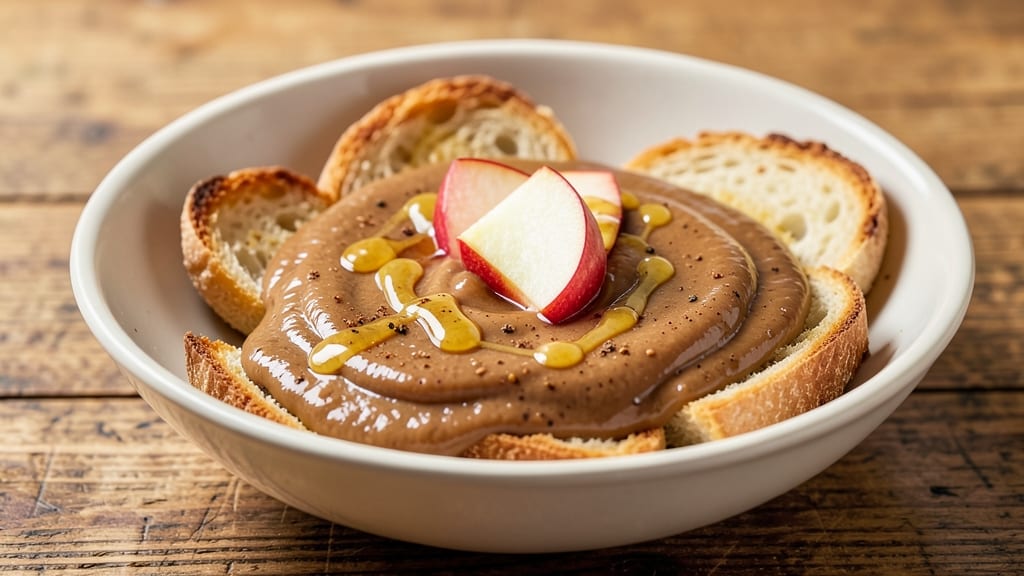
This apple mustard sauce transforms grilled meats with its perfect balance of sweet, tangy, and savory flavors. 🌟 The secret lies in simmering fresh apple cider with Dijon mustard and a touch of vinegar until thickened—creating a glaze that caramelizes beautifully on pork chops, chicken, or even roasted vegetables.
I developed this recipe after years of searching for a sauce that could stand up to bold flavors without overpowering them.
The beauty of this sauce is its versatility—it works as a dipping sauce for fries, a glaze for grilled meats, or even a spread for sandwiches. The apples add natural sweetness, while the mustard brings depth, and a hint of cinnamon or cloves ties it all together.
With just 10 minutes of active prep and 15 minutes of simmering, you’ll have a sauce that’s restaurant-quality but made entirely at home.
What makes this sauce truly special is how it elevates simple dishes into something extraordinary. The caramelized edges on grilled chicken or pork are irresistible, and the tangy-sweet balance cuts through rich meats perfectly.
Plus, it keeps well in the fridge for up to 5 days, making it a go-to for meal prep or last-minute entertaining.
Whether you’re glazing ribs, drizzling over roasted Brussels sprouts, or using it as a sandwich spread, this sauce delivers bold flavor with minimal effort. The best part? You can adjust the sweetness or tang to your taste—just start with the recipe and tweak as you go. Let’s get started!
Ingredients for apple mustard sauce
Nine ingredients that balance sweet, tangy, and savory perfectly for grilling or dipping.
| Ingredient | Amount | Notes |
|---|---|---|
| Fresh Apple Cider 🍎 | 1 cup | Unfiltered for best flavor |
| Dijon Mustard 🍯 | ½ cup | High-quality, smooth variety |
| Apple Cider Vinegar 💧 | ¼ cup | For tangy depth |
| Granulated Sugar 🍚 | ¼ cup | Adjust for sweetness preference |
| Ground Cinnamon 🌿 | ½ tsp | For subtle warmth |
| Ground Cloves 🌶️ | ¼ tsp | Optional, for depth |
| Unsalted Butter 🧈 | 2 tbsp | Cold, cubed for richness |
| Salt 🧂 | ½ tsp | Kosher or sea salt |
| Black Pepper 🌶️ | ¼ tsp | Freshly ground preferred |
| Fresh Thyme Leaves 🌿 | 1 tbsp | Chopped, for herbal note |
The apple cider is the heart of this sauce—Mott's or Woodchuck brands give the most authentic flavor, but any unfiltered variety works. Grab a quart from the refrigerated section at the grocery store, not the shelf-stable stuff. The Dijon mustard? Maille is my go-to, but any smooth Dijon will do—just avoid that cheap yellow stuff. If you're feeling fancy, toast the cinnamon and cloves in a dry pan for 30 seconds before adding to deepen their flavor. That little effort makes a huge difference. For the vinegar, Bragg or any organic brand keeps things fresh and bright.
No apple cider vinegar? White vinegar or lemon juice works in a pinch, but you'll lose some of that classic tang. Short on sugar? Honey or maple syrup adds complexity—just reduce the liquid slightly first to avoid thinning the sauce. The butter is non-negotiable for that silky finish, but if you're dairy-free, vegan butter or coconut oil works (though texture will differ). Fresh thyme is ideal, but dried at one-third the amount gets you close. Want more heat? Add a pinch of cayenne. For extra thickness, stir in 1 tsp cornstarch mixed with 1 tbsp water at the end.
This sauce keeps beautifully in the fridge for 5 days—just store it in a sealed jar with a thin layer of oil on top to preserve freshness. For longer storage, freeze in ice cube trays and transfer to a bag. Thaw in the fridge overnight. The flavor actually improves after a day as everything melds together. I like to make a double batch—one for immediate use and one to freeze for lazy weeknights. It reheats perfectly in the microwave or on the stovetop, though I prefer the stovetop for that caramelized finish.
Why You'll Love This Recipe
- No-Fuss Simmer: I swear by this recipe because it’s basically foolproof—just toss everything in a saucepan, stir, and let it bubble for 10 minutes. No peeling, no dicing, no stress. Honestly, the only thing harder is deciding whether to use it on pork or drizzle it over roasted carrots.
- Sweet-Tangy Magic: That perfect balance of sharp apple cider vinegar, creamy Dijon, and a whisper of cinnamon? It’s the kind of flavor that makes you pause mid-bite. The sugar caramelizes just enough to round out the bite, while the mustard keeps it bright—like autumn in a jar.
- Weeknight to Holiday: I’ve used this sauce for everything from grilled chicken to Thanksgiving sides, and it never feels out of place. Make a big batch on Sunday, and you’ve got a pantry staple that works for tacos, sandwiches, or even a quick glaze. Between us, it’s my secret weapon for lazy dinners.
- Pantry Goldmine: This recipe costs next to nothing—just a few dollars for vinegar and spices—and keeps for weeks in the fridge. I’ll be real: I’ve had jars of it sitting for months, and it still tastes fresh. Plus, the ingredients are things you probably already have, so no extra grocery runs.
Step-by-step instructions for apple mustard sauce
This tangy-sweet glaze comes together in minutes with simple technique.
🍳 Step 1: Melt Butter and Bloom the Spices
In a medium saucepan over medium heat, add the 2 tbsp unsalted butter and let it melt completely, swirling occasionally until it foams. This takes about 1-2 minutes—don't rush it or the butter will brown too quickly.
Once melted, reduce heat to low and add the 0.5 tsp ground cinnamon and 0.25 tsp ground cloves. Stir constantly for 30 seconds until fragrant—you should smell warm, earthy spices that'll infuse the sauce. This step, called "blooming," releases the full flavor of the spices before adding liquids. Don't skip it—it makes all the difference in depth of flavor.
🍳 Step 2: Combine Wet Ingredients for Balance
Pour in the 1 cup fresh apple cider and 0.25 cup apple cider vinegar all at once. Stir vigorously with a wooden spoon to combine, scraping up any browned bits from the bottom of the pan. These bits are packed with flavor—don't let them go to waste.
Next, add the 0.5 cup Dijon mustard and 0.25 cup granulated sugar, stirring continuously until everything is fully incorporated. The mixture will thicken slightly as it heats. Here's the thing—taste it now. The balance of sweet, tangy, and mustard should be complex but harmonious. If it's too sweet, add a splash more vinegar; if too sharp, add a pinch more sugar. This is your flavor foundation.
🔥 Step 3: Simmer Until Thickened
Increase heat to medium-high and bring the mixture to a gentle boil. Once boiling, reduce heat to medium-low and let it simmer uncovered for 8-10 minutes, stirring occasionally. You're looking for the sauce to reduce by about 25%—it should coat the back of a spoon and have a syrupy consistency.
Watch carefully as it thickens—the sauce will go from glossy to slightly glossy with a thicker body. If it starts to stick or burn, add 1-2 tablespoons water to loosen it. The goal is a smooth, velvety texture that'll cling beautifully to grilled meats. The spices should be fully dissolved with no graininess remaining.
👨🍳 Step 4: Finish with Seasoning and Herbs
Remove the saucepan from heat and stir in the 0.5 tsp salt, 0.25 tsp black pepper, and 1 tbsp fresh thyme leaves. Let the mixture sit for 2-3 minutes—this resting period allows the flavors to meld completely. The thyme will add an herbal brightness that cuts through the richness of the mustard and butter.
Give it one final taste and adjust seasoning if needed. The sauce should be perfectly balanced—tangy from the vinegar, sweet from the apple and sugar, with a deep mustard backbone and warm spice notes. If you're using this for grilled meats, you might want to thin it slightly with 1-2 tablespoons water for easier brushing, but don't overdo it or it'll be too runny.
⏰ Step 5: Cool and Use Immediately
Transfer the sauce to a bowl and let it cool for 5 minutes before using. This brief rest allows the flavors to settle and the texture to stabilize. The sauce will thicken slightly more as it cools—this is normal and actually improves its clinging properties.
Use immediately for best results—this sauce doesn't keep well due to the fresh thyme and butter. It's perfect for brushing on grilled chicken, pork chops, or even as a dip for roasted vegetables. The combination of apple's natural sweetness with Dijon's depth creates a glaze that caramelizes beautifully on hot meat, adding both flavor and moisture.
Pro Tips For Making Apple Mustard Sauce
- Simmer Slow and Steady: I learned this the hard way—rushing the sauce on high heat turns it into a gloppy mess. Keep it at a gentle simmer (tiny bubbles, not rolling) for 8–10 minutes. This lets the flavors meld without burning the sugar or separating the mustard.
- Strain the Cider First: Cloudy apple cider makes your sauce look dull. Strain it through a fine-mesh sieve before using—yes, even if it’s "fresh." Five minutes of effort keeps the sauce silky smooth (and impresses people who ask, "What’s the trick?").
- Balance the Vinegar Early: Skip the vinegar until the end, and the mustard will taste sharp and unfinished. Whisk in 1–2 teaspoons of apple cider vinegar with the sugar at the start—it rounds out the flavor without overpowering. Taste as you go; you can always add more.
- Warm the Mustard: Cold Dijon mustard clumps like a stubborn lump in your sauce. Give it a quick pulse in the blender with a splash of warm cider (or microwave for 10 seconds) before mixing. Smooth every time—no scraping bowls later.
Best sauces and condiments for apple mustard sauce
Grilled Meat Glaze
This sauce transforms into a showstopping glaze for grilled meats when brushed on during the last 5-7 minutes of cooking. The apple cider caramelizes beautifully on pork chops or chicken thighs, creating a sticky, flavorful crust.
I like to grill the meat first to 165°F internal temperature, then baste with sauce while it rests. For ribs, apply sauce in the final 10 minutes of smoking to prevent burning. 🔥
Dipping Sauce
Serve this sauce warm as a dipping sauce for fried chicken, mozzarella sticks, or crispy Brussels sprouts. The tangy-sweet balance cuts through fried foods perfectly. I keep a small bowl of the sauce at room temperature for dipping, but reheat it gently on the stovetop if it's been chilled.
For extra crunch, sprinkle with toasted pecans or crumbled bacon before serving.
Sandwich Spread
Thicken the sauce slightly by simmering an extra 2-3 minutes to create a spreadable consistency for sandwiches. Spread on toasted sourdough or brioche with grilled ham, turkey, or smoked salmon. The mustard adds depth while the apple keeps it fresh.
I love this on a Reuben sandwich—swap the traditional Thousand Island for this sauce and add sauerkraut for tangy contrast.
Roasted Vegetable Drizzle
Brush this sauce over roasted carrots, sweet potatoes, or cauliflower during the last 10 minutes of roasting. The natural sugars in the vegetables caramelize beautifully with the sauce's tangy-sweet profile.
Toss with toasted almonds for crunch. It also works as a drizzle for grilled corn on the cob—just brush on after grilling and sprinkle with flaky salt.
Breakfast Twist
Use this sauce as a pancake or waffle syrup alternative. Warm it slightly and drizzle over fresh pancakes or French toast. The cinnamon and cloves add warmth that pairs perfectly with maple syrup or whipped cream. For extra decadence, top with caramelized apples and crumbled bacon. It’s a breakfast game-changer!
Storage Hacks
For longer storage, freeze the sauce in 1-tablespoon portions in ice cube trays. Pop out what you need and thaw quickly in the microwave. I also like to store it in a small glass jar in the fridge for up to 5 days.
If the sauce thickens too much after refrigeration, thin it with 1 teaspoon water** while reheating. The flavors actually deepen over time, making it perfect for meal prep. ✨
Nutrition facts
Frequently asked questions
Can I substitute apple cider vinegar with another type of vinegar?
Yes, but with some adjustments. White vinegar or lemon juice work in a pinch, though they'll lack the depth of apple cider vinegar. Use the same amount, but you may need to add an extra ½ teaspoon of sugar to balance the sharper acidity. For a richer flavor, try balsamic vinegar—reduce it slightly first to prevent thinning your sauce.
How do I fix a sauce that's too thick or too thin?
For a too-thick sauce, thin it with 1-2 teaspoons of water or apple cider while reheating. For a too-thin sauce, simmer uncovered for an extra 2-3 minutes to reduce. If needed, mix 1 teaspoon cornstarch with 1 tablespoon cold water, stir into the sauce, and cook for 1 minute until thickened.
Can I make this sauce without butter for a dairy-free version?
Replace the butter with 2 tablespoons of coconut oil or vegan butter. The texture will be slightly lighter, but the flavors remain rich. If using coconut oil, choose refined to avoid coconut taste. For extra thickness, simmer the sauce for an additional 2 minutes to help it gel without dairy.
What's the best way to reheat leftover sauce?
Gently reheat on the stovetop over low heat for 2-3 minutes, stirring constantly to prevent burning. If using the microwave, heat in 20-second intervals, stirring between each, until warmed through. For the best texture, add 1 teaspoon of water if the sauce thickens too much during reheating.
Can I use this sauce on seafood instead of meat?
Yes, but with caution. The tangy-sweet profile works well with mild fish like cod or tilapia, but avoid fatty fish like salmon or mackerel—the sauce may overpower them. Brush the sauce on during the last 3-5 minutes of cooking to prevent the fish from absorbing too much liquid. Pair it with lemon or herbs to balance the flavors.