
Sauces & Condiments
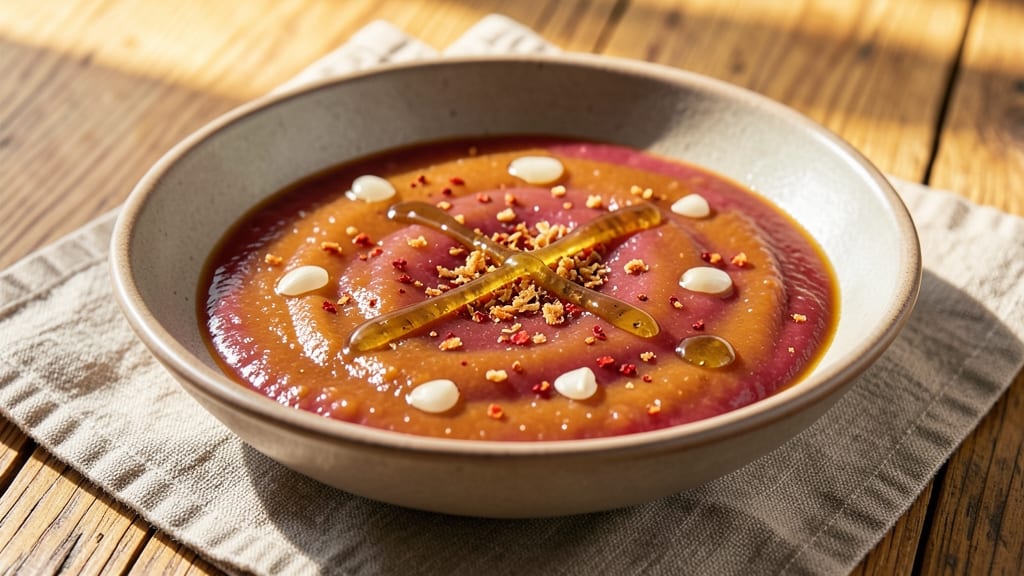
This apple kimchi sauce recipe transforms fermented heat into a velvety, tangy-sweet condiment that elevates everything from grilled meats to roasted vegetables. The magic happens when sharp kimchi meets caramelized apples, creating a balance of fermented funk, bright acidity, and natural sweetness that lingers on the palate.
What starts as a simple blend of ingredients becomes a complex, restaurant-worthy sauce with just 10 minutes of active work and a few hours of resting time.
The secret lies in fermentation control—using well-aged kimchi (not too sour, not too mild) as the base, then mellowing its intensity with apple purée and a touch of honey.
A splash of rice vinegar brightens the sauce, while a pinch of red pepper flakes adds just enough heat to keep it interesting. This isn’t just a dipping sauce; it’s a versatile marinade, glaze, or finishing touch that works with everything from pork belly to crispy tofu.
By the time you’re done, you’ll have a sauce that’s smooth yet textured, with layers of umami from the kimchi and fruity depth from the apples. The flavors develop even more as it sits, making it perfect for meal prep.
Whether you’re drizzling it over tacos, brushing it on grilled chicken, or serving it as a dip with fries, this sauce delivers complexity without effort—proof that fermented flavors can be both bold and balanced.
Store it in the fridge for up to 2 weeks, where the flavors will continue to meld and deepen. The best part? You can adjust the sweetness, tang, or heat to suit your taste by tweaking the apple-to-kimchi ratio. Let’s make this sauce—it’s about to become your new go-to condiment.
Ingredients for apple kimchi sauce
Nine ingredients blend fermented funk with sweet tartness for a sauce that’s restaurant-worthy yet effortless.
| Ingredient | Amount | Notes |
|---|---|---|
| Kimchi 🥬 | 1 cup | Well-aged, not too sour |
| Applesauce 🍎 | ½ cup | Unsweetened, smooth texture |
| Honey 🍯 | 1 tbsp | Wildflower or clover preferred |
| Rice Vinegar 🍶 | 1 tbsp | Seasoned if available |
| Red Pepper Flakes 🌶️ | ½ tsp | Adjust for desired heat |
| Garlic Cloves 🧄 | 2 cloves | Minced, for depth |
| Sesame Oil 🫒 | 1 tsp | Toasted for aroma |
| Fresh Ginger 🌿 | ½ tsp | Grated, for brightness |
| Soy Sauce 🍶 | 1 tbsp | Light or all-purpose |
| Water 💧 | ¼ cup | For thinning if needed |
The kimchi is the heart of this sauce—look for well-aged varieties at the refrigerated section of your grocery store, not the shelf-stable ones. Korean markets often carry the best, but the regular produce aisle at Whole Foods or Trader Joe's usually has decent options. If your kimchi is too sour, reduce the amount slightly (start with 3/4 cup instead of 1). The applesauce should be unsweetened—Mott’s or Mutti are reliable brands. For extra depth, add a splash of apple cider vinegar if you’re feeling adventurous, but rice vinegar is perfect for this balance.
No rice vinegar? Apple cider vinegar or white vinegar work in a pinch, though the flavor will be slightly different. Short on honey? Maple syrup or agave nectar are great swaps—just remember they’re sweeter, so start with half the amount. The red pepper flakes can be omitted entirely if you prefer no heat, or bumped up to 1 tsp for extra kick. Fresh ginger is ideal, but ground ginger at half the amount works if you’re in a hurry. The garlic and sesame oil are non-negotiable—they bring the umami and aroma that tie everything together.
This sauce tastes even better the longer it sits—let it rest for at least 2 hours before using. Store it in an airtight container in the fridge for up to 2 weeks, where the flavors will continue to meld beautifully. If it thickens too much, stir in a splash of water or apple juice. I like to make a big batch and keep it on hand for quick meals—it’s perfect for drizzling over grilled meats, roasted veggies, or even as a dip for fries. Freezes well for up to 3 months if you want to prep ahead.
Why You'll Love This Recipe
- Five-Ingredient Magic: I swear, this sauce comes together with ingredients I already have. Blend kimchi, applesauce, honey, and vinegar—no fancy techniques, just a quick pulse. The red pepper flakes add heat in seconds, and honestly? That’s all it takes.
- Sweet-Savory Balance: Between us, the honey and applesauce soften kimchi’s bite while keeping its tang. The rice vinegar brightens it up, and those red pepper flakes? They sneak in just enough kick to make it irresistible. It’s the kind of flavor that lingers—like a hug for your taste buds.
- Dip or Dressing: Slather it on grilled chicken, drizzle it over rice bowls, or use it as a tangy dip for fries. I’ve even tossed it with noodles for a quick lunch. It’s that kind of sauce—versatile enough to save dinner when I’m stuck staring at an empty fridge.
- Lasts All Week: Make a big batch and stash it in the fridge. The flavors actually deepen over time, so it’s perfect for meal prep. Plus, it’s cheap—kimchi and applesauce stretch far, and I’m always finding new ways to use it up before it disappears.
Step-by-step instructions for apple kimchi sauce
Here's how to blend fermented kimchi with sweet applesauce for a vibrant, tangy-sweet sauce.
Prepare the Base Ingredients
Start by draining the 1 cup kimchi thoroughly, pressing out as much liquid as possible with a clean towel or paper towels. This ensures your sauce isn't watered down. In a medium saucepan, combine the drained kimchi, 0.5 cup unsweetened applesauce, and 1 tablespoon honey. Stir well to create a smooth base mixture.
You'll notice the kimchi releases some of its natural juices—this is normal and adds depth to the flavor. Let the mixture sit for 2 minutes while you prep the remaining ingredients. This brief pause helps the flavors meld slightly before cooking.
Add Aromatics and Acid
Increase the heat to medium-low and add the 2 cloves minced garlic, 0.5 teaspoon grated fresh ginger, 1 tablespoon rice vinegar, and 1 tablespoon soy sauce. Stir continuously for 3-4 minutes until the mixture begins to bubble gently and you can smell the garlic's aromatic depth.
Here's the thing—don't rush this step. The garlic should soften but not brown, and the ginger should infuse its bright, citrusy notes. If the mixture looks too thick, add 1-2 tablespoons of the 0.25 cup water to help it blend smoothly. You want a consistency that's thick enough to coat the back of a spoon but still pourable.
Simmer and Thicken
Reduce the heat to low and let the sauce simmer uncovered for 8-10 minutes, stirring occasionally. You'll see the sauce darken slightly as the flavors meld, and the applesauce begins to break down into a smoother texture. This is when the magic happens—the kimchi's tanginess balances with the sweetness of the applesauce.
After 8 minutes, taste the sauce. If it needs more heat, add 0.25 teaspoon of the 0.5 teaspoon red pepper flakes (start with half to avoid overpowering). For extra richness, stir in the 1 teaspoon sesame oil and let it infuse for 1 minute—this adds a nutty depth that ties everything together.
Adjust and Finish
Remove the sauce from heat and let it cool slightly. Taste again and adjust the balance—add more honey if it's too tangy, or a splash of rice vinegar if it needs more acidity. The sauce should be vibrant, with a bright red hue from the kimchi and a glossy sheen from the applesauce.
If the sauce is too thick after cooling, thin it with the remaining 0.25 cup water (or less) until it reaches your desired consistency. For the best texture, strain it through a fine-mesh sieve to remove any remaining kimchi bits if you prefer a silky finish. Serve warm over noodles, rice, or as a dipping sauce for spring rolls.
Pro Tips For Making Apple Kimchi Sauce
- STRAIN THE KIMCHI JUICE: Drain your kimchi twice—first to remove the watery brine, then squeeze the leftover paste through a clean towel or cheesecloth. That extra step cuts the sauce’s thinness and keeps it from turning into a watery glaze. (I learned this the hard way after slathering a glaze that dripped off the chicken like sad tears.)
- SIMMER LOW AND SLOW: Once you’ve combined everything, reduce heat to medium-low and let it bubble gently for 5-7 minutes. Rushing it on high heat turns the applesauce grainy and the sauce clings like syrup instead of coating evenly. Think "gentle kiss," not "microwave blitz."
- SALT THE APPLESAUCE FIRST: Sprinkle a pinch of salt (about ¼ teaspoon) into the applesauce before mixing it with the kimchi. It balances the sweetness and mellows the sharpness—no need to overcorrect with honey later. (Yes, it’s weird, but trust the process.)
- USE GRANULATED HONEY: Skip the thick, gooey honey—reach for granulated or light honey instead. It dissolves faster, blends smoother, and won’t turn your sauce into a sticky mess. If you’re lazy like me, microwave it for 10 seconds first to speed things up.
Best sauces and condiments for this apple kimchi sauce
Dipping Sauce Powerhouse
This sauce transforms into an irresistible dip when thinned slightly with 1-2 tablespoons water and served chilled. I love pairing it with crispy Korean fried chicken, spring rolls, or veggie sticks like carrots and cucumbers.
The sweet-tangy balance cuts through fried foods beautifully, while the subtle heat keeps it exciting. For extra flair, garnish with toasted sesame seeds and a drizzle of chili oil right before serving. 🍗
Grilled Meat Glaze
Brush this sauce generously over pork chops, chicken thighs, or even salmon during the last 5-7 minutes of grilling. The fermented funk caramelizes beautifully, creating a sticky, flavorful crust. I recommend using it on Korean BBQ ribs—the sauce clings perfectly and adds a tangy contrast to the smoky meat.
For best results, let the meat rest for 5 minutes after grilling to let the sauce set before slicing. 🔥
Ramen Noodle Upgrade
Stir 2-3 tablespoons of this sauce into hot ramen broth just before serving. The apple-kimchi combo adds a bright, umami-rich depth that elevates simple instant noodles to restaurant quality.
Top with soft-boiled eggs, sliced green onions, and a sprinkle of furikake for a complete bowl. The sauce’s natural sweetness balances the saltiness of the broth beautifully. 🍜
Taco and Bowl Topper
Use this sauce as a drizzle or dollop on tacos, burrito bowls, or grain bowls. It pairs perfectly with grilled shrimp tacos, carnitas, or even black bean bowls. The acidity cuts through rich meats, while the apple sweetness brightens hearty dishes.
For a fusion twist, mix it with 1 teaspoon lime juice before serving to enhance the tang. 🌮
Pan Sauce for Pasta
After cooking pasta, reserve ½ cup pasta water, then deglaze your pan with 2 tablespoons apple kimchi sauce and a splash of the reserved water. Toss the pasta in the sauce, adding 1 tablespoon butter or olive oil for richness.
The sauce clings beautifully to linguine or fettuccine, creating a fermented, slightly sweet al dente dish. Garnish with crispy shallots for extra texture. 🍝
Preservation Tips
Store leftovers in an airtight container in the fridge for up to 2 weeks, where flavors deepen over time. For longer storage, freeze in ice cube trays—thaw quickly in the microwave for single-use portions.
The sauce thickens when refrigerated, so stir in 1-2 teaspoons water to restore pourability. I always make a double batch—it disappears fast! ❄️
Nutrition facts
Frequently asked questions
Can I use store-bought kimchi for this recipe?
Yes, but choose well-aged kimchi from the refrigerated section—not the shelf-stable kind. The fermented flavor develops over time, so look for bright red kimchi with visible liquid. If it's too sour, reduce the amount to 3/4 cup and add 1/2 teaspoon more honey to balance the tang.
How do I adjust the sweetness or heat level?
Start with the recipe as written, then tweak to taste. For more sweetness, add 1/2 teaspoon honey at a time. For extra heat, increase the red pepper flakes by 1/4 teaspoon increments. If it's too spicy, stir in 1/2 teaspoon more applesauce to mellow the flavor.
Can I make this sauce without cooking?
For a no-cook version, blend 1 cup drained kimchi, 0.5 cup applesauce, 1 tbsp honey, 1 tbsp rice vinegar, 1 tsp sesame oil, and 1 tsp grated ginger in a food processor. Let it sit for 1 hour to meld flavors, then adjust seasoning. This works best as a dip or marinade.
What’s the best way to use leftovers?
Leftovers keep for 2 weeks in the fridge. Use it as a glaze for grilled meats, stir into ramen broth, or drizzle over noodles. For extra richness, reheat gently with 1 tsp butter or oil. If too thick, thin with 1 tsp water or apple juice before using.
Why does my sauce look watery?
Kimchi releases liquid during cooking. Simmer uncovered for 5-10 extra minutes to reduce it, or blend with a hand mixer to break down ingredients. If needed, strain through a fine-mesh sieve for a smoother texture. For thicker results, reduce the water in the recipe by 1 tbsp next time.