
Sauces & Condiments
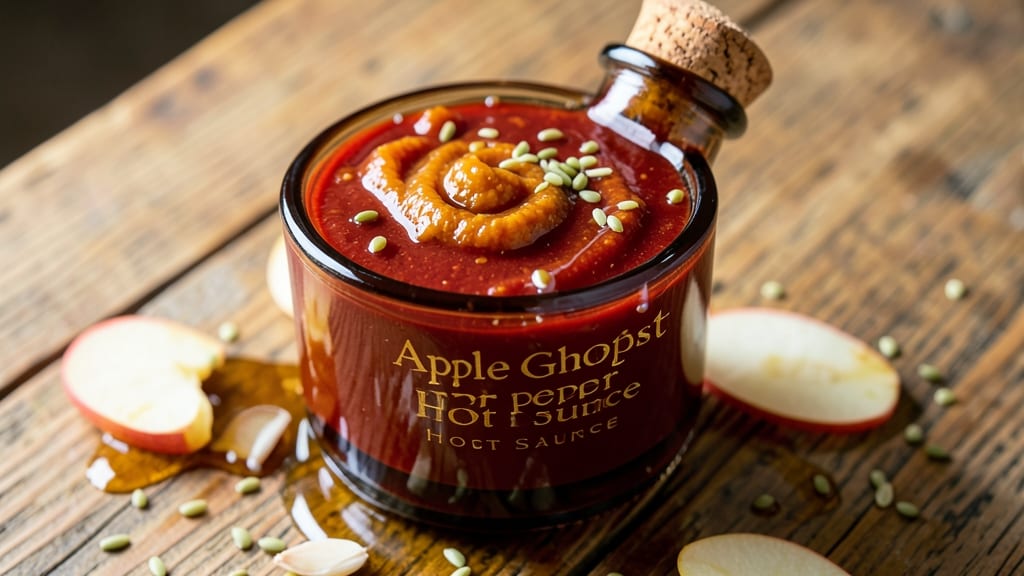
This apple ghost pepper hot sauce delivers a perfect balance of sweet, tangy apple flavor and extreme heat that lingers without overpowering. The secret lies in fermenting the apples with ghost pepper paste—creating a complex sauce that's both fruity and fiery.
Handling ghost pepper requires caution, but the result is a sauce that transforms everything from tacos to grilled meats into an unforgettable experience.
The process begins with fermenting apple chunks in vinegar and salt to develop depth, then blending with ghost pepper paste for that signature heat. Straining ensures a smooth texture, while optional celery seeds add a subtle crunch that elevates every bite.
Unlike store-bought hot sauces, this recipe delivers layers of flavor that build with each use, making it a pantry staple for heat lovers.
What sets this sauce apart is its versatility—drizzle it on wings, mix into marinades, or use as a dip for chips. The sweetness of the apples mellows the ghost pepper’s intensity, creating a heat that’s intense yet approachable.
With proper storage, this sauce keeps for months, allowing you to enjoy homemade heat anytime.
For safety, always wear gloves when handling ghost pepper, and taste cautiously. The reward? A sauce so bold and balanced, it’ll redefine your idea of what hot sauce can be. Let’s get started on creating your own batch.
Ingredients for apple ghost pepper hot sauce
Sweet apples meet fiery ghost pepper for a hot sauce that's bold yet balanced.
| Ingredient | Amount | Notes |
|---|---|---|
| Apples 🍎 | 2 lbs | Sweet-tart variety like Honeycrisp |
| White Vinegar 💧 | 2 cups | Distilled for best results |
| Ghost Pepper Paste 🌶️ | ½ cup | Or 4-5 fresh ghost peppers |
| Granulated Sugar 🍚 | ½ cup | For balancing heat |
| Celery Seeds 🧅 | 1 tbsp | Optional for crunch |
| Garlic Cloves 🧄 | 4 cloves | Freshly minced |
| Salt 🧂 | 1 ½ tsp | Kosher or sea salt |
| Apple Cider Vinegar 🍎 | ½ cup | For tangy depth |
| Olive Oil 🫒 | ¼ cup | Extra-virgin preferred |
| Water 💧 | 1 cup | For thinning if needed |
The apples are the heart of this sauce—Honeycrisp or Fuji work best for that perfect sweet-tart balance. Grab a couple pounds from the produce section, but avoid anything too soft or bruised. If you can't find ghost pepper paste, fresh peppers from a specialty store (like Penzeys) will give you the most intense heat. Handle with gloves—this isn't a pepper for the faint of heart! The vinegar should be white distilled for clarity, but apple cider vinegar adds a nice fruity note if you prefer. For the celery seeds, Trader Joe's sells them pre-ground, which saves time, but whole seeds give better texture if you're willing to toast and grind them.
No ghost pepper? Red habanero or Scotch bonnet can work in a pinch, but you'll need about twice as much for comparable heat. Fresh apples? Substitute unsweetened applesauce at half the amount, but the texture will be thinner. Want less sugar? Reduce to 0.25 cup and adjust to taste. The olive oil is key for blending—extra-virgin has better flavor, but any light oil works. If your sauce turns out too thick, add water 1 tbsp at a time until it reaches a drizzling consistency. And trust me, taste as you go—this sauce builds heat, so start conservative.
This sauce gets better with age—1-2 weeks in the fridge lets flavors meld. Store in a clean glass jar with a tight seal. Sterilize the jar first by running it through hot water to prevent mold. The ghost pepper heat intensifies over time, so label it clearly. Keeps for up to 6 months in the fridge or 1 year in the freezer. Pro tip: Freeze in ice cube trays for single-use portions—perfect for adding heat to marinades without overpowering. Always wear gloves when handling ghost pepper, and never taste raw—blend everything first!
Why You'll Love This Recipe
- Five-Minute Stir: I swear, this sauce comes together faster than I can say "ghost pepper." Just toss chopped apples, vinegar, and that fiery paste into a pot—no peeling, no fancy prep. Honestly, the hardest part is waiting for it to simmer.
- Sweet Heat Magic: That apple adds a tangy brightness that cuts through the ghost pepper’s punch, but don’t let the sugar fool you—it’s dangerously spicy. Between us, I’ve seen grown men reach for milk after one drizzle.
- Pantry Powerhouse: I keep a jar in my fridge for everything: fried chicken, tacos, even scrambled eggs. (Yes, even on a Tuesday night.) The celery seeds add a subtle crunch that makes it feel gourmet without the effort.
- Lasts All Week: A single batch stretches for days—perfect for when I’m too lazy to cook. Plus, the vinegar keeps it from spoiling fast, so I’m not scrambling to use it up before it’s gone. Budget-friendly? Absolutely.
Step-by-step instructions for apple ghost pepper hot sauce
Here's how to balance sweet, tangy, and fiery flavors into a hot sauce that delivers serious heat with every drop.
🍳 Step 1: Sterilize and Prepare the Apples
Start by washing the 2 lbs apples thoroughly under cold water, then peel and core them. I like to cut them into ½-inch chunks for even cooking. Place the apple pieces in a large, heavy-bottomed saucepan and add the 2 cups white vinegar and 1 cup water. This vinegar-water bath helps sterilize the fruit and prevents mold during the long cook.
Bring the mixture to a boil over medium-high heat, then reduce to a simmer. Cook uncovered for 20-25 minutes until the apples are completely tender and the liquid has reduced by about half. You'll know it's ready when the apples mash easily with a fork and the mixture smells intensely fruity with a hint of caramelization. Keep an eye on it—don't let it burn, as that can make the sauce bitter.
🍳 Step 2: Blend Until Silky Smooth
Once the apples are tender, remove the pan from heat and let it cool slightly. Transfer the contents to a blender or food processor, leaving behind any large apple skins or cores. I use an immersion blender for this step—it's easier to clean up. Blend until completely smooth, scraping down the sides as needed. The texture should be like thick applesauce with no lumps.
Return the blended mixture to the saucepan and add the 0.5 cup granulated sugar, 1.5 tsp salt, 0.5 cup apple cider vinegar, and 0.25 cup olive oil. Stir well to combine. The sugar will help balance the ghost pepper's heat while enhancing the apple's natural sweetness. The olive oil adds richness and helps emulsify the sauce later. Bring the mixture back to a gentle simmer over medium-low heat and cook for 10 minutes, stirring occasionally to prevent sticking.
🔥 Step 3: Add Heat and Aromatics
Reduce the heat to low and add the 0.5 cup ghost pepper paste, 4 minced garlic cloves, and 1 tbsp celery seeds. Stir well to distribute the ghost pepper evenly—this is where the sauce gets its signature fiery kick. Let the mixture simmer for 15-20 minutes, stirring frequently. You'll notice the sauce thicken slightly as the flavors meld together. The ghost pepper's heat will develop, but don't worry if it doesn't feel intense yet—it will mellow and deepen as it cools.
Here's the thing—ghost pepper has a unique, fruity heat that pairs surprisingly well with apples. The celery seeds add a subtle crunch and earthy note that cuts through the sweetness. Taste the sauce now—it should be sweet, tangy, and spicy, but still balanced. If it's too thin, you can reduce it further by simmering uncovered for another 5-10 minutes. If it's too thick, add 1-2 tablespoons of water to reach your desired consistency.
⏰ Step 4: Strain and Bottle
Let the sauce cool completely to room temperature, then strain it through a fine-mesh sieve or cheesecloth into a clean bowl or jar. This step removes any remaining seeds or skins, giving you a silky-smooth sauce. I like to press the mixture gently with a spoon to extract every last bit of flavor. The strained sauce should be a vibrant amber color with a glossy sheen from the olive oil.
Transfer the hot sauce to sterilized jars or bottles. I use 4-ounce amber glass bottles for storage—they protect the sauce from light, which can degrade the ghost pepper's potency over time. Seal the jars tightly and let them sit at room temperature for 24 hours before refrigerating. This resting period allows the flavors to fully meld and the heat to develop. The sauce will keep in the refrigerator for up to 3 months, or you can process it in a water bath for long-term storage.
🍽️ Step 5: Test and Adjust
After the 24-hour rest, give your hot sauce a final taste. The heat from the ghost pepper should be noticeable but not overwhelming—it should complement the apple's sweetness rather than overpower it. If the sauce is too sweet, add a splash of apple cider vinegar to brighten the flavor. If it's too thin, simmer it again until it reaches the desired consistency. If the heat is lacking, you can always add a bit more ghost pepper paste, but start with ½ teaspoon at a time to avoid making it too spicy.
The perfect batch should have layers of flavor: the initial sweetness of the apples, a tangy kick from the vinegars, a subtle crunch from the celery seeds, and a lingering, fruity heat from the ghost pepper. This sauce is incredible on grilled meats, in Bloody Marys, or even drizzled over pizza. Store it in the fridge and enjoy the bold, complex flavors whenever you crave a little heat with your sweet.
Pro Tips For Making Apple Ghost Pepper Hot Sauce
- Peel and Core Apples: DESCRIPTION: I learned this the hard way—grating raw apple peels into the sauce adds bitterness and grit. Use a mandoline or sharp knife to slice apples into thin wedges (skin off), then core them with a paring knife. This keeps the texture smooth and the flavor clean.
- Simmer Low and Slow: DESCRIPTION: High heat turns ghost pepper paste into a bitter mess. After the initial boil, drop the heat to a gentle simmer (barely bubbling) and let it cook for 20–30 minutes. This lets the flavors meld instead of burning, and the vinegar mellows out.
- Toast Celery Seeds First: DESCRIPTION: Skip the raw seeds—they’ll just float and add no depth. Dry-toast them in a small pan over medium heat for 30 seconds until fragrant, then grind them into a powder before adding to the sauce. This makes a real difference in aroma and warmth.
- Strain Twice for Clarity: DESCRIPTION: After simmering, strain the sauce through a fine-mesh sieve, then press the solids with a spoon. For extra clarity, strain it again through a cheesecloth-lined sieve. The first strain catches chunks; the second removes the cloudiness that makes homemade sauce look amateur.
Regional styles of this dish
Caribbean Fusion Twist
In the Caribbean, ghost peppers are often paired with tropical fruits to balance their extreme heat. For this version, replace ½ cup of the white vinegar with ½ cup lime juice and add 1 tbsp grated ginger and 1 tsp allspice when simmering.
The lime brightens the apple's sweetness, while ginger and allspice add a warm, spicy depth reminiscent of Jamaican jerk seasoning. Serve this fusion sauce with grilled jerk chicken or seafood tacos for a bold, island-inspired kick. 🌴
Southern U.S. BBQ Style
Southern hot sauces often blend sweet and smoky flavors, making this apple ghost pepper sauce a perfect fit. After blending the apples, stir in 1 tbsp smoked paprika and ½ tsp liquid smoke (like Traeger's Original) during the simmering step.
Reduce the sugar to ⅓ cup and add 1 tbsp molasses for a deeper, caramelized note. This version shines on pulled pork sandwiches or as a dipping sauce for crispy fried chicken. The ghost pepper's heat lingers beautifully with the smoky undertones. 🍖
Mexican Mole-Inspired
For a Mexican-inspired take, blend in ½ cup roasted chiles de árbol (or ½ cup chipotle paste) along with the ghost pepper paste. Add 1 tsp ground cumin, ½ tsp cinnamon, and ¼ tsp cloves during the final simmer.
The result is a complex, layered sauce with smoky, spicy, and slightly sweet notes—perfect for drizzling over enchiladas or tacos al pastor. The ghost pepper adds an unexpected but delicious heat that complements the earthy warmth of the mole spices. 🌶️
Asian-Inspired Umami Boost
Inspired by Thai and Vietnamese hot sauces, this version swaps apple cider vinegar for ½ cup rice vinegar and adds 1 tbsp fish sauce (like Red Boat) and 1 tsp soy sauce during the simmer.
Stir in 1 tsp grated fresh galangal or ½ tsp ground galangal for an aromatic kick. The umami-rich fish sauce deepens the sauce's complexity, while the ghost pepper provides a fruity, intense heat. Use this sauce to glaze grilled shrimp or drizzle over pho for a bold, flavor-packed finish. 🍜
European Sweet-Heat
European hot sauces often balance sweetness with heat using fruits like plums or cherries, but apples work beautifully too. For this version, reduce the ghost pepper paste to ¼ cup and add ½ cup dried apricots (soaked in ¼ cup warm water) during the blending step.
After simmering, stir in 1 tsp dried thyme and ½ tsp black pepper for a Mediterranean touch. This sauce pairs perfectly with roasted lamb or as a glaze for grilled vegetables. The ghost pepper's heat is mellowed by the apricots, creating a sophisticated, sweet-heat profile. 🍇
Global Heat Adjustments
Regional tastes vary widely in heat tolerance. For milder versions, reduce the ghost pepper paste to ¼ cup and add 1 tsp honey to further balance the heat. For extra intensity, increase the paste to ⅔ cup and add ½ tsp cayenne pepper to amplify the burn.
In regions where ghost peppers are rare, substitute red habanero or Scotch bonnet (use twice the amount for comparable heat). Always taste as you go—adjustments are easier before bottling! 🌍
Nutrition facts
Frequently asked questions
How do I handle ghost pepper safely?
Always wear food-safe gloves when handling ghost pepper—its oils can cause severe burns to skin and eyes. Never touch your face while working with it, and avoid inhaling the powder. If you accidentally touch your skin, wash immediately with cold water and soap. For extra safety, work near an open window or under a vent to avoid fumes.
Can I adjust the heat level in this recipe?
For milder heat, reduce the ghost pepper paste to ¼ cup and add ½ tsp honey or 1 tsp sugar to balance. For extra intensity, increase to ⅔ cup paste and add ½ tsp cayenne. Taste as you go—heat builds during simmering, so start conservative.
Why does my sauce look cloudy after straining?
Cloudiness usually means tiny apple particles or ghost pepper oils escaped the strainer. For a clearer sauce, press the mixture through a fine-mesh sieve or cheesecloth, then transfer to a clean jar. If it's still cloudy, let it settle for 24 hours before bottling—the oils will rise to the top and can be skimmed off.
How long should I ferment the apples before blending?
The recipe doesn’t require fermentation—simmering the apples for 20-25 minutes is sufficient to tenderize them. However, if you prefer deeper flavor, let the apple-vinegar mixture sit at room temperature for 1-2 hours before blending. Just ensure the apples are fully submerged in liquid to prevent mold.
Can I make this sauce without a blender?
Yes! Mash the cooked apples with a potato masher or fork until smooth, then strain through a fine sieve. For extra creaminess, press the mixture with a spoon. The texture will be slightly thicker but still delicious. Pro tip: Simmer the mashed apples longer to compensate for the lack of blending.