
Main Courses
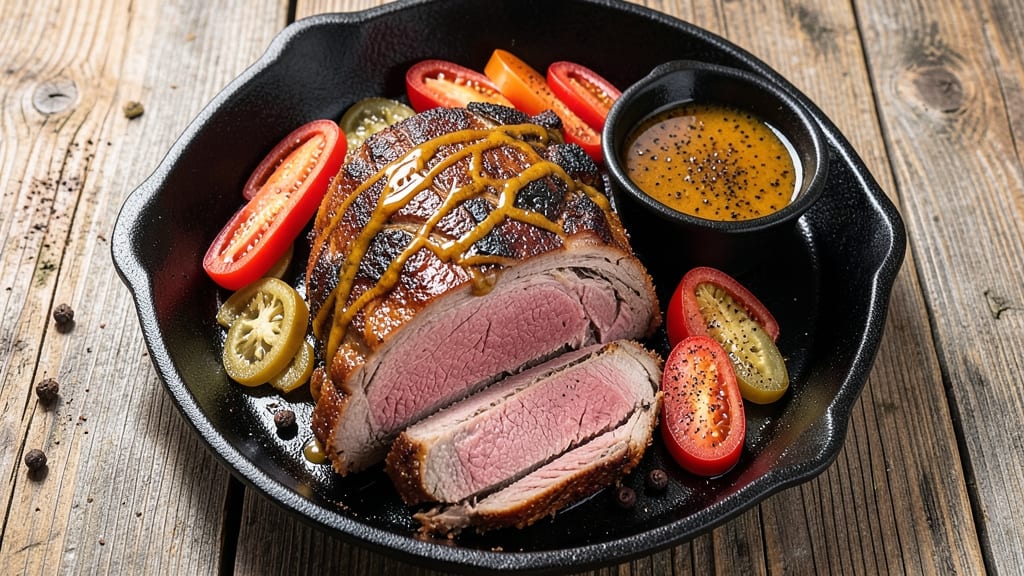
This apple cider vinegar-spritzed brisket delivers restaurant-quality bark with a perfect balance of smoky depth and bright tang. The secret lies in a simple spritz of apple cider vinegar and spices that tenderizes the meat while creating an irresistible crust.
I've perfected this technique over countless cookouts, and the results consistently impress even the most skeptical guests.
The process begins with a dry rub that clings to the meat, followed by a strategic spritz of apple cider vinegar during cooking. This method breaks down collagen for tender meat while developing that coveted crackling bark.
The vinegar also enhances the natural sweetness of the beef, creating a flavor profile that's both complex and approachable.
What you'll end up with is brisket that's fork-tender inside with a deep mahogany crust that practically falls apart when sliced. The apple cider vinegar adds a subtle tang that cuts through the richness, while the smoky bark delivers satisfying texture with every bite.
This is the kind of brisket that makes people ask for seconds before they've even finished their first plate.
The beauty of this recipe is its flexibility—it works equally well for pulled brisket sandwiches or sliced brisket platters. Whether you're hosting a backyard BBQ or preparing a special family dinner, this technique ensures impressive results with minimal fuss.
Let's get started on creating brisket that will be the star of your next gathering.
Ingredients for apple cider vinegar spritz brisket
Six pounds of brisket plus a few key ingredients transform into restaurant-quality bark with perfect smoky-tangy balance.
| Ingredient | Amount | Notes |
|---|---|---|
| Packer Brisket 🥩 | 6 lb | Whole packer cut with fat cap intact |
| Yellow Mustard 🍯 | ¼ cup | For initial fat cap coating |
| Apple Cider Vinegar 🍎 | ½ cup | Raw, unfiltered preferred |
| Kosher Salt 🧂 | ½ cup | Diamond Crystal preferred |
| Black Peppercorns 🌶️ | 1 tbsp | Freshly cracked coarse |
| Smoked Paprika 🌶️ | 2 tbsp | Hot smoked preferred |
| Garlic Powder 🧄 | 2 tsp | Not garlic salt |
| Onion Powder 🧅 | 2 tsp | Fresh ground preferred |
| Brown Sugar 🍚 | 2 tbsp | Light or dark works |
| Wood Chips 🌳 | 4 cups | Hickory or oak preferred |
| Beef Broth 🥫 | 1 cup | Low-sodium preferred |
| Beef Tallow 🧈 | ¼ cup | Or substitute beef fat |
| Fresh Rosemary 🌿 | ¼ cup | Chopped, for spritz |
| Fresh Thyme 🌿 | ¼ cup | Chopped, for spritz |
The brisket cut matters most—packer brisket with the fat cap intact is non-negotiable. Costco or local butcher shops usually carry this cut, often labeled as 'whole packer' or 'brisket point with deckle'. Look for good marbling and a thick fat cap (at least 1/4 inch). If you can't find packer, a flat cut with thick fat works, but the bark won't be quite as dramatic. The apple cider vinegar should be raw and unfiltered—Bragg or Texas Pete are solid choices, but any good quality will do. For the wood chips, Traeger or Butcher's Choice brands are reliable, but any food-grade hickory or oak chips from the grocery store will work in a pinch.
No yellow mustard? Olive oil works perfectly—just use the same amount. Running out of beef tallow? Substitute with beef fat or even bacon fat (yes, really). The fresh herbs in the spritz can be swapped for dried rosemary and thyme at one-third the amount, but fresh makes a noticeable difference. For the dry rub, if you can't find smoked paprika, regular paprika plus a pinch of liquid smoke gets you close. The beef broth should be low-sodium—Annie's or Imagine brands are great, or just use water with a bouillon cube if you're in a bind. Pro tip: Toast your wood chips for 5 minutes in a dry skillet before using—they'll smoke better and last longer.
This brisket tastes even better the next day once the flavors meld. Wrap tightly in butcher paper or foil and store in the fridge for up to 5 days. For longer storage, vacuum-seal portions and freeze for up to 3 months. The bark stays crispy for about 3 days if kept dry, so plan your gatherings accordingly. I always make extra—leftovers transform into perfect sandwiches or nacho toppings. The spritz liquid can be saved and reduced into a glaze for serving if you're feeling fancy.
Why You'll Love This Recipe
- Four-Ingredient Magic: That’s it—just brisket, mustard, vinegar, and salt. Honestly, I’ve made this while scrolling through my phone because it’s that simple. The vinegar spritz does all the work while you sip your coffee.
- Tangy Crispy Perfection: That bright apple cider vinegar punch cuts through the richness, leaving you with a brisket that’s got bite—not sweet, not smoky, just pure, sharp satisfaction. The mustard ties it all together like a hug from your favorite cook.
- Leftovers That Beg: Between us, this brisket tastes better the next day. I’ll be real: I’ve reheated slices straight from the fridge for sandwiches, and no one ever complains. It’s the kind of meal that keeps giving without extra effort.
- Budget-Friendly Feast: You’re feeding a crowd for less than takeout, and the ingredients won’t break the bank. That gallon jug of apple cider vinegar? It’ll last for months, and the brisket stretches across meals like a champ. My wallet thanks me every time.
Step-by-step instructions for apple cider vinegar-spritzed brisket
Master this technique for a brisket with a crackling bark that balances sweet, smoky, and tangy flavors.
Prepare the Brisket with Mustard and Dry Rub
Begin by trimming the fat cap of the 6 lb packer brisket to about ¼-inch thickness, leaving the fat intact on the sides. Using a paper towel, pat the entire surface dry—this ensures the mustard adheres properly and promotes better bark formation. In a small bowl, combine the 0.25 cup yellow mustard, 0.5 cup kosher salt, 1 tbsp freshly cracked black peppercorns, 2 tbsp smoked paprika, 2 tsp garlic powder, 2 tsp onion powder, and 2 tbsp brown sugar. Mix thoroughly with your hands to create a coarse, even-textured rub.
Spread the mustard evenly over the entire brisket, including the fat cap. Then, generously apply the dry rub, pressing it firmly into the meat so it adheres well. Place the brisket on a wire rack set over a rimmed baking sheet and refrigerate uncovered for 12-24 hours. This step is crucial for developing deep flavor and ensuring the bark forms properly during cooking.
Set Up the Smoker and Preheat
Prepare your smoker by filling the wood chip tray with 4 cups of hickory or oak wood chips. Preheat the smoker to 225°F, maintaining a consistent temperature throughout the cook. The smoke should be clean and blue, with minimal white vapor. Once the temperature stabilizes and you see steady smoke, place the brisket fat-side up on the smoker grates. Avoid moving it during the initial cook—this helps create an even bark.
Let the brisket smoke undisturbed for 6-8 hours, or until the internal temperature reaches 165-170°F. This is when you'll hit "the stall," a point where the temperature plateaus as moisture evaporates. Don't panic—this is normal and expected. During this time, the brisket will develop its initial bark, and the fat cap will begin rendering.
Spritz and Monitor for the Stall
Every 2-3 hours during the initial smoke, prepare a spritz by combining 0.5 cup apple cider vinegar, 0.25 cup beef broth, and 0.25 cup beef tallow in a spray bottle. Shake well to emulsify. Once the brisket reaches the stall, spritz it generously all over, including the fat cap. The vinegar and tallow will help break through the stall and keep the bark tender and crackly.
Continue smoking the brisket, spritzing every 2 hours, until the internal temperature reaches 200-205°F and a probe slides in like butter. This typically takes an additional 4-6 hours after the stall. The bark should be dark mahogany with a glossy sheen, and the meat should be fork-tender. The apple cider vinegar spritz adds a tangy brightness that cuts through the richness of the fat and smoke.
Rest and Slice for Maximum Juiciness
Once the brisket reaches the target temperature, remove it from the smoker and wrap it tightly in butcher paper (not foil). Place it in a cooler or insulated container to rest for at least 1 hour, or up to 2 hours. This resting period allows the juices to redistribute throughout the meat, ensuring every slice is moist and flavorful. The butcher paper breathes better than foil, preserving the bark while keeping the meat tender.
After resting, unwrap the brisket and slice it against the grain into ¼-inch thick slices. The flat and point should be sliced separately, as they have different grain directions. Serve immediately, as the brisket will continue to release its juices and flavors. The bark should crack open slightly when sliced, revealing a pink smoke ring beneath. Each bite should deliver a perfect balance of smoky, tangy, and sweet flavors.
Pro Tips For Making Apple Cider Vinegar Spritz Brisket
- SPRITZ AT 165°F: The vinegar spritz loses its magic if the brisket’s internal temp dips below 165°F—you’re just steaming it then. Wait until the thermometer hits that mark before spraying, or you’ll end up with soggy bark and a sad, watery rub.
- BRINE THE BRISKET: Skip the dry rub first thing—soak the brisket in a mix of 1 cup apple cider vinegar, 1 cup water, and 2 tablespoons kosher salt for 4–6 hours instead. The acid tenderizes deeper, and the salt penetrates better than surface seasoning ever could.
- DON’T DROWN THE MUSTARD: Yellow mustard is your glue, but too much turns the bark into a sticky mess. Use just enough to coat the brisket lightly—about 2 tablespoons spread thin—then press the peppercorns and salt into it. Scrape off any excess before smoking.
- PEPpercorns BEFORE SMOKING: Crack the black peppercorns with the flat side of a knife before grinding them—it releases more oils and aroma. Toss them into the mustard mix fresh, so they don’t lose their bite while you’re prepping. (Yes, it’s extra work, but it’s worth it.)
Storing and reheating this dish
Refrigerator Storage
Store your cooked brisket in an airtight container lined with parchment paper to preserve that coveted bark. I use glass Pyrex containers with snap-on lids—they keep the brisket fresh for up to 5 days in the fridge. The apple cider vinegar spritz actually enhances the flavor overnight, so leftovers taste even better the next day. Just
Freezer Preservation
For longer storage, wrap individual portions tightly in butcher paper before vacuum-sealing. This method maintains the bark's integrity for up to 3 months in the freezer. I like to portion it into 1-2 lb servings for easy reheating. Thaw overnight in the fridge before reheating—never microwave directly from frozen, or you'll risk drying out the meat. 🧊
Stovetop Reheating
My preferred method preserves both texture and flavor. Place brisket slices in a heavy-bottomed skillet over medium-low heat with 2 tbsp beef broth per pound. Cover and heat for 10-15 minutes, stirring occasionally, until reaching 165°F internal temperature.
The broth prevents drying while the bark stays intact. Add a splash of apple cider vinegar at the end for that tangy brightness. 🔥
Oven Reheating
For larger portions, preheat your oven to 275°F and place wrapped brisket on a baking sheet. Reheat for 15-20 minutes until warmed through. The low temperature prevents the bark from becoming tough.
I often reheat the whole brisket this way when preparing for a big gathering—it keeps everything juicy and ready to slice. 🍽️
Microwave Safety
If you're in a hurry, microwave reheating works best in short bursts. Place brisket on a microwave-safe plate with a damp paper towel, then heat on 50% power for 2-3 minutes.
Stir, then continue in 30-second intervals until reaching 165°F. The bark won't be as crispy, but the meat stays tender. Add a drizzle of beef tallow after reheating to restore moisture. ⚡
Bark Maintenance Tips
The bark stays best when kept dry. Store slices in a single layer with parchment paper between them. For serving, I like to reheat just before plating to restore that satisfying crackle.
If the bark loses its crispness, a quick 3-minute broil with a sprinkle of brown sugar brings it back to life. The apple cider vinegar in the original spritz helps preserve that tangy depth even after reheating. 💫
Nutrition facts
Frequently asked questions
Why does the apple cider vinegar spritz make the bark so good?
The vinegar's acidity breaks down the sugars in the rub, creating a deeper caramelization during smoking. It also tenderizes the meat while keeping the bark moist and crackly. The tang cuts through the richness of the beef and smoke, balancing flavors perfectly. Plus, it helps prevent the bark from becoming too hard or dry during long cooks.
Can I use this technique with other cuts of meat?
This method works beautifully with pork shoulder, ribs, or even chicken thighs. The apple cider vinegar spritz enhances any fatty, flavorful cut by tenderizing and adding that bright tang. Just adjust cooking times—pork typically needs 10-12 hours at 225°F to reach 195°F internal temp.
What if my smoker doesn't get below 250°F?
No problem! Use the oven instead—preheat to 250°F and place the brisket on a rack over a baking sheet. Spritz every 2 hours and cook until it reaches 205°F internal temp (about 8-10 hours). The bark will be slightly different but still delicious. For extra smoke flavor, add wood chips in a foil tray below the rack.
How do I know when the brisket is done?
Use a meat thermometer inserted into the thickest part—it should read 200-205°F. The probe should slide in like butter, and the bark should be dark mahogany with a glossy sheen. If you're unsure, check for tenderness by pressing gently with tongs—the meat should separate easily. The apple cider vinegar spritz helps speed up the process by breaking through the stall.
Can I make the spritz ahead of time?
Yes, but store it in the fridge for no more than 3 days. Shake well before using, as the tallow may separate. For longer storage, mix the vinegar and broth (without tallow), refrigerate, then add tallow when ready to use. The fresh herbs in the spritz can be chopped ahead and stored in an airtight container for up to 5 days.