
Sauces & Condiments
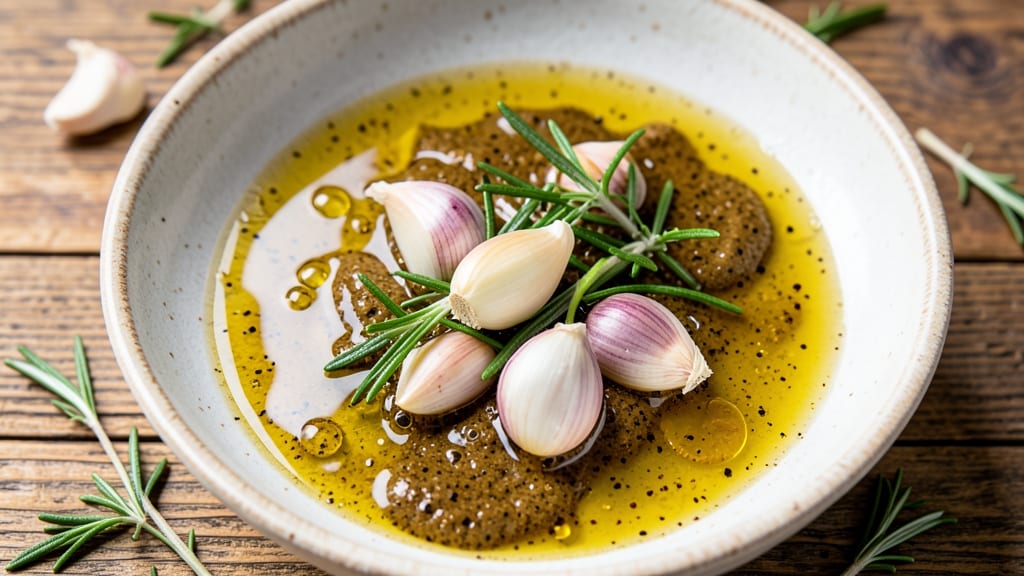
Apple cider vinegar marinade transforms tough cuts into melt-in-your-mouth perfection with just 30 minutes of prep time. The acidity breaks down proteins while infusing flavor, making it a game-changer for grilled chicken, steak, or pork. This marinade uses simple pantry staples—no fancy ingredients required—to deliver restaurant-quality tenderness every time.
The secret lies in balancing acidity with fat and sweetness: apple cider vinegar tenderizes, olive oil carries flavor, and honey or brown sugar adds depth. Fresh herbs like rosemary or thyme elevate the profile, while garlic and mustard create layers of complexity.
The key is timing—never marinate longer than 4 hours for poultry or 24 hours for beef to avoid over-tenderizing.
What you’ll achieve is meat that’s fork-tender with a perfect sear, thanks to the marinade’s ability to caramelize during cooking. The vinegar’s tang cuts through richness, while the oil ensures a juicy finish. This isn’t just a marinade—it’s a flavor multiplier that turns simple proteins into showstopping centerpieces.
Store leftovers in the fridge for up to 5 days, shaking before use. For best results, reserve some marinade before applying to meat and use it as a finishing sauce—it’s that good. Let’s make this marinade!
Ingredients for apple cider vinegar marinade
Nine pantry staples that turn tough meat into melt-in-your-mouth perfection.
| Ingredient | Amount | Notes |
|---|---|---|
| Apple Cider Vinegar 🍏 | ½ cup | Raw, unfiltered preferred |
| Extra-Virgin Olive Oil 🫒 | ½ cup | High-quality, fruity variety |
| Raw Honey 🍯 | ¼ cup | Or light brown sugar |
| Garlic Cloves 🧄 | 4 cloves | Peeled, minced fine |
| Dijon Mustard 🍯 | 1 tbsp | Whole-grain preferred |
| Fresh Rosemary 🌿 | ¼ cup | Finely chopped, stems removed |
| Kosher Salt 🧂 | 1 ½ tsp | Diamond Crystal preferred |
| Freshly Ground Black Pepper 🌶️ | ½ tsp | Freshly cracked |
| Worcestershire Sauce 🍶 | 1 tbsp | Vegan if needed |
The apple cider vinegar is non-negotiable here—Bragg or Texas Pete are my go-tos, but any raw, unfiltered kind works. That tangy acidity is what breaks down the meat fibers. For the honey, local raw honey adds depth, but light brown sugar is a perfect swap if you're out. Fresh rosemary makes all the difference—Trader Joe's sells it pre-chopped, which saves time. The garlic? Freshly minced beats pre-minced every time—just smash those cloves with the side of your knife for easier peeling.
No Dijon mustard? Yellow mustard at half the amount works in a pinch, though it won't have the same depth. Short on Worcestershire? Soy sauce or tamari adds umami, but you'll lose that vinegar-forward complexity. The olive oil matters—California avocado oil has a higher smoke point if you're grilling, but extra-virgin olive oil is fine for marinating. Want extra zing? Add a dash of smoked paprika. This marinade is forgiving, but the balance of acid, fat, and sweetness is what makes it magic.
Store leftovers in a glass jar in the fridge for up to 5 days, shaking before each use. For best results, reserve 2 tbsp before applying to meat—it makes an incredible finishing sauce. Freezes beautifully for 3 months if you want to make a big batch. Pro tip: Double the recipe and freeze half—you'll thank yourself later when you're ready to grill.
Why You'll Love This Recipe
- Here’s what sold me: that bright, almost dancing contrast between the sharp apple cider vinegar and the smooth, golden honey. The Dijon mustard ties it all together with a little depth, while the garlic? Oh, it’s the quiet hero—adding layers without overpowering. It’s the flavor equivalent of a perfectly balanced bite.
- Five-Ingredient Magic: I swear, this marinade is the kind of recipe that makes you question why you ever complicated things. Just toss those five staples—vinegar, oil, honey, garlic, and mustard—into a jar, shake, and you’re done. No fancy gadgets, no measuring cups (eyeball it), and zero cleanup.
- Tangy-Sweet Balance: Here’s what sold me: that bright, almost dancing contrast between the sharp apple cider vinegar and the smooth, golden honey. The Dijon mustard ties it all together with a little depth, while the garlic? Oh, it’s the quiet hero—adding layers without overpowering. It’s the flavor equivalent of a perfectly balanced bite.
- Weeknight to BBQ Hero: Between us, this marinade works everywhere. Slather it on chicken thighs for a weeknight dinner, let it sit on steaks before grilling, or even drizzle it over roasted veggies. Honestly, I’ve used it on everything from pork chops to tofu, and it never lets me down. (Yes, even on a Tuesday night.)
Step-by-step instructions for apple cider vinegar marinade
This marinade transforms tough cuts into melt-in-your-mouth perfection in minutes.
Combine Wet Ingredients for Maximum Flavor
In a medium mixing bowl, whisk together the 0.5 cup apple cider vinegar and 0.5 cup extra-virgin olive oil until fully emulsified. The vinegar should be completely incorporated into the oil, creating a smooth base. This step is crucial—vinegar breaks down proteins, while olive oil carries flavor deep into the meat fibers.
Next, add the 0.25 cup raw honey and 1 tbsp Worcestershire sauce, whisking until everything is perfectly blended. The honey adds natural sweetness that balances the acidity, while Worcestershire contributes that umami depth. Let the mixture sit for 5 minutes at room temperature to allow the flavors to meld together before proceeding.
Add Aromatics and Seasonings
In a small bowl, finely mince the 4 cloves garlic using a sharp knife or microplane. The goal is to create a paste-like consistency—this ensures even distribution in the marinade. Add the minced garlic to your marinade mixture along with the 1 tbsp Dijon mustard, 0.25 cup fresh rosemary, 1.5 tsp kosher salt, and 0.5 tsp freshly ground black pepper. Stir vigorously with a wooden spoon to fully incorporate all ingredients.
Here's where the magic happens: the rosemary's piney notes complement the vinegar's tang, while Dijon mustard adds a subtle complexity. The salt and pepper enhance every flavor component. Let the marinade rest for 10 minutes—this final resting period allows the rosemary to release its full aroma and the garlic to soften slightly, creating a more cohesive blend.
Marinate Meat for Perfect Tenderness
Place your meat of choice in a resealable plastic bag or shallow dish. Pour the marinade over the meat, ensuring complete coverage. For best results, I recommend using this marinade on chicken thighs, pork chops, or beef steaks—these cuts benefit most from the tenderizing properties. Seal the bag or cover the dish and refrigerate for at least 1 hour, though 4 hours yields the most dramatic tenderness.
The acid in the vinegar begins breaking down muscle fibers immediately, but the real transformation happens during refrigeration. For maximum safety, never marinate longer than 8 hours—beyond this point, the vinegar can start to "cook" the meat's surface, potentially altering texture. When ready to cook, pat the meat dry with paper towels before searing or grilling to ensure a perfect crust.
Cook Immediately After Marinating
Remove the meat from the marinade and discard any remaining liquid (never reuse marinade that has touched raw meat). The marinade's job is done—now it's time to cook. For best results, sear the meat over high heat for 2-3 minutes per side until you achieve a deep golden-brown crust. This step locks in the marinade's flavors while creating that irresistible texture contrast.
Finish cooking according to your preferred method—grilling, broiling, or pan-searing all work beautifully. The internal temperature should reach 165°F for poultry or 145°F for beef. Let the meat rest for 5 minutes before slicing—this resting period allows the juices to redistribute, ensuring each bite remains tender and flavorful. The result? Juicy, perfectly seasoned meat with a balance of sweet, tangy, and herby notes that will have everyone asking for your secret.
Pro Tips For Making Apple Cider Vinegar Marinade
- Mince That Garlic: I learned this the hard way—chopping garlic cloves whole just means you’ll taste big, uneven chunks. Use a knife or the flat side of your blade to smash them first, then mince into tiny, even pieces. This way, every bite gets that bright, balanced garlic punch without surprise texture hits.
- Whisk the Honey First: Pour the raw honey into the vinegar before adding the olive oil—this stops the honey from clumping like a stubborn kid at a birthday party. Stir vigorously for 30 seconds until it’s fully dissolved. Trust me, skipping this step means you’ll end up with a lumpy, uneven marinade that clings poorly.
- Let It Bloom: After mixing everything, let the marinade sit for 10 minutes before using it. The vinegar and honey need time to mellow out their sharp edges, and the garlic will soften slightly. I know, I know—you’re eager to toss that chicken in there. But wait. Your future self will thank you.
- Measure the Vinegar Right: Apple cider vinegar is potent—don’t eyeball it. Use a scale or measuring cup for the full ¼ to ½ cup called for. Too much, and you’ll drown the other flavors; too little, and the tang won’t cut through the richness of the olive oil or honey. I’ve done both, and neither is fun.
Best sauces and condiments for this apple cider vinegar marinade
Sweet-Tangy Glaze
Use the reserved marinade as a finishing glaze for extra depth. After cooking, simmer the reserved 2 tbsp marinade in a small saucepan over medium heat for 3-4 minutes until slightly thickened.
Brush this glaze over your cooked meat just before serving—it caramelizes beautifully under the broiler for 1-2 minutes. The honey and vinegar create a perfect balance of sweet and tangy notes that complement grilled flavors. 🍯
Herb-Infused Oil
Strain the used marinade through a fine-mesh sieve to remove solids, then use the liquid as a base for herb-infused oil. Heat ½ cup extra-virgin olive oil with the strained marinade and 1 tbsp fresh thyme in a small saucepan over low heat for 5 minutes.
Pour over roasted vegetables or drizzle over salads for an aromatic finish. This infused oil keeps for 3 days in the fridge.
Vinaigrette Upgrade
Transform leftover marinade into a bold vinaigrette by whisking ¼ cup strained marinade with ¼ cup olive oil and 1 tsp Dijon mustard. Toss with mixed greens, roasted Brussels sprouts, or grilled asparagus.
The apple cider vinegar adds brightness while the rosemary and garlic elevate the flavor profile. Store in an airtight container for up to 5 days.
Pickling Liquid
Use strained marinade as a quick-pickling brine for vegetables. Toss 1 cup sliced radishes, cucumbers, or red onions with ½ cup strained marinade and let sit for 30 minutes before serving.
The acidity softens the vegetables while adding a tangy crunch. Perfect for charcuterie boards or as a refreshing side dish. 🥒
Meat Rub Base
Reduce leftover marinade by simmering ½ cup strained marinade in a saucepan until it thickens to a syrup-like consistency (5-7 minutes). Mix with 1 tbsp brown sugar and 1 tsp smoked paprika to create a dry rub.
Apply to pork shoulder or ribs before smoking for a sticky, flavorful crust. This technique works especially well for pulled pork.
Cocktail Mixer
Strain the marinade and use it as a base for cocktails. Mix 2 oz gin or vodka with 1 oz strained marinade, ½ oz honey syrup, and a splash of soda water.
Garnish with a rosemary sprig for an herbal twist. The apple cider vinegar adds a sophisticated tang to cocktails without overpowering them. Perfect for summer sipping! 🍹
Nutrition facts
Frequently asked questions
Can I use this marinade on vegetables or tofu?
The acidity in apple cider vinegar works beautifully on vegetables like Brussels sprouts, mushrooms, or eggplant—toss them in the marinade for 15-30 minutes before roasting or grilling. For tofu, marinate for 1-2 hours to tenderize, then press and pan-fry for extra crispiness. The key is shorter marinating times to avoid over-softening plant-based proteins.
What's the best way to store leftover marinade?
Transfer leftovers to a glass jar with an airtight lid and refrigerate for up to 5 days. For longer storage, freeze in ice cube trays (thaw as needed) or 1-cup portions in freezer bags for 3 months. Always shake before using to redistribute settled ingredients.
Can I adjust the sweetness level?
For more sweetness, increase honey to ⅓ cup or add 1 tbsp maple syrup. For less sweetness, reduce honey to 2 tbsp or swap for 1 tbsp brown sugar. The vinegar's acidity balances sweetness, so adjust gradually—taste as you go.
Why did my meat turn mushy after marinating?
Over-marinating (especially with vinegar) breaks down proteins too much, causing a mushy texture. For poultry, limit to 4 hours; beef can handle 24 hours. Always pat meat dry before cooking and use high heat for a proper sear.
Can I make this without honey?
Yes! Substitute honey with 2 tbsp maple syrup, 1 tbsp agave nectar, or 1 tbsp light corn syrup. For a sugar-free version, omit honey entirely—just reduce Worcestershire to ½ tbsp to maintain balance. The vinegar's tang will still shine through.