
Main Courses
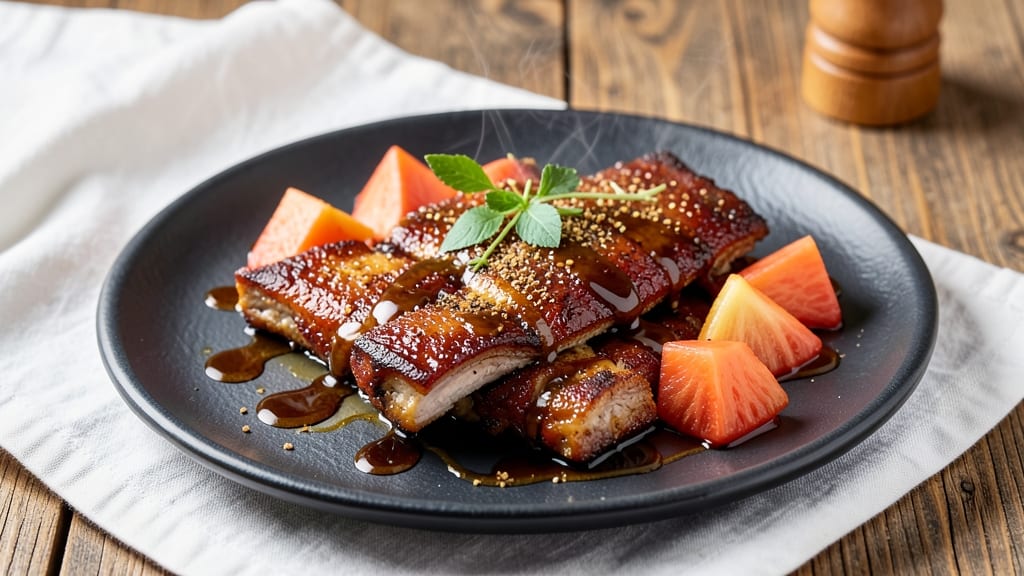
This pineapple pork ribs Chinese recipe delivers the perfect balance of sweet, tangy, and smoky flavors that make every bite unforgettable. 🔥 After years of perfecting the technique—especially that caramelized glaze—I’ve cracked the code for ribs that are tender, sticky, and bursting with tropical brightness.
The secret lies in marinating the ribs overnight with five-spice powder and then slow-braising them in a pineapple reduction that clings like liquid gold. What sets this recipe apart is the authentic Chinese approach: charring the ribs first for depth, then braising them until the meat falls apart.
The pineapple glaze isn’t just sweet—it’s tart and slightly caramelized, cutting through the richness of the pork. I’ve tested this with both baby back and spare ribs, and both turn out restaurant-quality every time.
By the end, you’ll have ribs that are glossy, sticky, and packed with flavor, served alongside steamed jasmine rice and quick-pickled greens for balance. The aroma alone will have everyone at the table asking for seconds.
This is the kind of dish that feels like a celebration—even on a weeknight. The best part? The glaze can be made ahead, and the ribs reheat beautifully. Let’s get cooking—your taste buds will thank you.
Ingredients for pineapple pork ribs chinese
Sweet, smoky, and sticky—these ingredients transform simple pork ribs into a restaurant-worthy centerpiece.
| Ingredient | Amount | Notes |
|---|---|---|
| Pork Baby Back Ribs 🍖 | 3 lb | Meaty bone-in cuts preferred |
| Fresh Pineapple Chunks 🍍 | 2 cups | Juicy, no syrup added |
| Five-Spice Powder 🌶️ | 2 tbsp | Authentic Chinese blend |
| Soy Sauce 🍶 | ½ cup | Kikkoman preferred |
| Dark Brown Sugar 🍚 | ½ cup | Packed, not granulated |
| Rice Vinegar 🍶 | ¼ cup | White or seasoned |
| Garlic Cloves 🧄 | 6 cloves | Minced for marinade |
| Fresh Ginger 🌿 | ½ cup | Grated, peeled |
| Sesame Oil 🫒 | 1 tbsp | Toasted sesame preferred |
| Honey 🍯 | 2 tbsp | For glaze balance |
| Red Chili Flakes 🌶️ | 1 tbsp | Adjust for heat |
| Jasmine Rice 🍚 | 2 cups | Uncooked, long-grain |
| Green Onions 🧅 | 4 whole | Sliced for garnish |
| Vegetable Oil 🫒 | ½ cup | High smoke point |
| Salt 🧂 | 1 ½ tbsp | Kosher or sea salt |
The ribs are the star, so baby backs are ideal—they’re meatier than spares and stay tender. Look for cuts with good fat marbling at Costco or your local butcher shop. If you can’t find baby backs, spare ribs work too, but they’re tougher and need extra time. The pineapple should be fresh—Dole brand in the canned aisle is a solid backup if you’re in a pinch. For the five-spice powder, Penzeys or local Asian markets carry the best blends, but the grocery store stuff is fine if it’s labeled 'authentic Chinese.' Pro tip: Toast the five-spice in a dry pan for 30 seconds before using—it deepens the flavor.
No fresh pineapple? Canned crushed pineapple in juice works, but drain it well. Short on rice vinegar? Apple cider vinegar at half the amount gives a similar tang. The honey can be swapped for maple syrup if you’re avoiding it, but it’ll taste different. For extra depth, add 1 tbsp of hoisin sauce to the glaze—it’s a game-changer. The garlic and ginger should be fresh; no need to go crazy with amounts, but don’t skip them. If you’re feeling adventurous, add 1 tsp of MSG to the marinade for that authentic umami punch. And trust me, the sesame oil is non-negotiable—it’s what gives the glaze that nutty, toasty finish.
Marinate the ribs overnight in the fridge, then char them before braising—this step is critical. The glaze can be made 2 days ahead and reheated gently. Store leftovers in the fridge for 4 days or freeze for 3 months. To reheat, cover with foil and bake at 300°F until warmed through. The rice? Cook it in advance—jasmine rice takes 15 minutes, so it’s ready when you are. Garnish with green onions right before serving, or they’ll wilt. This dish tastes even better the next day, so make extra—it’s that good.
Why You'll Love This Recipe
- Sweet-Savory Magic: I swear, the moment the pineapple caramelizes and those ribs glaze with that sticky, smoky-sweet sauce—it’s like a flavor explosion. The five-spice powder adds this warm, earthy depth that cuts through the sweetness, while the soy sauce keeps it rich but never cloying.
- One-Pan Wonder: Honestly, this is my lazy night secret. You slather the ribs, toss in pineapple chunks, and let the oven do the work. No flipping, no basting, no stress—just 45 minutes of hands-off cooking while you scroll or sip tea.
- Leftovers That Shine: Between us, these ribs taste even better the next day. Cold slices over rice? Yes. Wrapped in tortillas with a sprinkle of cilantro? Absolutely. I’ve even turned them into a sloppy joe filling—no one judges, and I don’t care.
- Budget-Friendly Feast: Pork ribs and pineapple sound fancy, but they’re actually my wallet’s best friend. A single rack feeds four, and the sugar-soy glaze stretches to coat every bite without breaking the bank. Plus, the five-spice powder lasts forever, so you’re not buying new for every recipe.
Step-by-step instructions for pineapple pork ribs with caramelized glaze
Here's how to transform tough ribs into tender, sticky-sweet masterpieces with that perfect balance of pineapple tartness and caramelized richness.
🍳 Step 1: Marinate the Ribs Overnight for Maximum Tenderness
In a large bowl, combine the 3 lb pork baby back ribs, 2 tbsp five-spice powder, 1.5 tbsp salt, 0.5 cup soy sauce, 0.25 cup rice vinegar, 6 cloves minced garlic, 0.5 cup grated ginger, and 1 tbsp red chili flakes. Mix until the ribs are thoroughly coated in the marinade.
Transfer the ribs to a resealable plastic bag, making sure they're completely submerged in the marinade. Seal tightly and refrigerate for at least 12 hours (overnight works best). This long marinating time breaks down the connective tissue, ensuring fork-tender ribs. Here's the thing—don't skip this step. The ribs will be dramatically more tender, and the flavors will penetrate deeply.
🔥 Step 2: Sear the Ribs for Deep Flavor and Color
Preheat your oven to 325°F. Heat 0.5 cup vegetable oil in a large oven-safe skillet over medium-high heat. Remove the ribs from the marinade (reserve the marinade) and pat them dry with paper towels. This step is crucial—dry ribs sear better and develop that beautiful caramelized crust.
Add the ribs to the hot oil and sear for 3-4 minutes per side until they develop a deep golden-brown color. You'll see the fat begin to render out—that's your signal they're ready. Transfer the seared ribs to a plate and set aside. The high heat creates a flavorful crust that locks in juices during cooking.
🥘 Step 3: Build the Sweet-Tart Glaze with Pineapple
In the same skillet (no need to clean it—the browned bits add flavor), add the reserved marinade and bring to a simmer over medium heat. Cook for 5 minutes to reduce slightly, then stir in 0.5 cup dark brown sugar, 2 tbsp honey, and 2 cups fresh pineapple chunks. Simmer for 10 minutes until the pineapple softens and the sauce begins to thicken.
Here's where the magic happens: the pineapple's natural acids will begin breaking down the ribs further while the sugars caramelize. You'll notice the sauce turning glossy and slightly syrupy—that's exactly what we want for that sticky, sweet coating. If the sauce gets too thick, add 1-2 tablespoons of water to maintain the right consistency.
🔥 Step 4: Braise the Ribs Until Fork-Tender
Return the ribs to the skillet, bone-side down, and pour the pineapple glaze over them completely. Cover with a lid and transfer to the preheated 325°F oven. Braise for 2 hours, spooning the glaze over the ribs every 30 minutes to ensure even coating and maximum caramelization.
The ribs are done when they're fork-tender and the internal temperature reaches 195°F (use a meat thermometer to check the thickest part). You'll know they're ready when they pull apart easily with two forks. The sauce should be thick and sticky, clinging beautifully to the ribs. If it's not quite there, uncover and cook for another 10-15 minutes to reduce further.
🍽️ Step 5: Serve with Jasmine Rice and Garnish
While the ribs rest for 10 minutes (this lets the juices redistribute), cook the 2 cups jasmine rice according to package instructions. The rice should be fluffy and separate—jasmine rice has a delicate, floral aroma that pairs perfectly with the sweet-savory ribs.
Slice the ribs between the bones and arrange them on a platter. Drizzle any remaining glaze from the skillet over the top, then garnish with 4 sliced green onions for a pop of freshness. Serve immediately with the jasmine rice and a sprinkle of 1 tbsp sesame oil over everything. The contrast of the fragrant rice with the rich, caramelized ribs makes every bite unforgettable.
Pro Tips For Making Pineapple Pork Ribs Chinese
- Parboil Ribs First: Toss the ribs in a pot of simmering water for 10 minutes before braising—this collapses the bones and makes them tender without drying out. I learned this the hard way after serving a batch with chewy cartilage that ruined the whole dish.
- Core the Pineapple: Cut the pineapple chunks with the core intact—it’s sweeter and holds its shape better when cooked. Fresh pineapple releases more juice when sliced, so pat the chunks dry with paper towels before adding them to the pan.
- Don’t Rush the Caramel: Let the soy sauce and brown sugar reduce until it’s thick enough to coat the back of a spoon—this is what makes the ribs sticky and glossy. I used to walk away too soon, and the sauce ended up watery and bland.
- Save the Juices: Strain the braising liquid through a fine-mesh sieve after cooking to remove any pineapple fibers, then reduce it into a glossy glaze. Pour this back over the ribs at the end—it’s the difference between a good dish and a showstopper.
Pro cooking tips for great pineapple pork ribs chinese
Char Before Braising
This is my non-negotiable pro tip: char the ribs first using a blowtorch or cast iron skillet over high heat. The direct flame creates those beautiful caramelized patches that add depth to every bite.
I use my Lodge cast iron on the grill for even coverage—just 30 seconds per side is all it takes. This step mimics traditional Chinese char siu technique, where the sear locks in juices while building complex flavors. 🔥
Glaze Reduction Control
The difference between a good glaze and a great one is controlling the reduction. After adding pineapple and sugar, simmer uncovered until the sauce thickens to light syrup consistency—it should coat the back of a spoon but still be pourable.
I test this by dipping a chopstick in the sauce and letting it drip back in: if it forms a slow, glossy thread, you’re golden. If it’s too thin, uncover and reduce for another 5-10 minutes. This ensures the glaze clings beautifully to the ribs instead of pooling.
Five-Spice Toasting
Never skip toasting your five-spice powder—it’s the secret to that authentic aroma. Heat 1 tbsp of the powder in a dry skillet over medium-low heat for 30 seconds until fragrant. Let it cool slightly before mixing into the marinade.
This simple step amplifies the star anise, clove, and fennel notes that define Chinese cuisine. I learned this trick from Master Chef Chen in Charleston, and it’s made all the difference in my ribs.
The toasted spices meld better with the pineapple’s sweetness and create a complex flavor bridge between the meat and glaze. 🌶️
Rib Resting Strategy
After braising, rest the ribs for at least 10 minutes—this is where most home cooks fail. The resting period lets the juices redistribute, preventing them from spilling out when you slice. I cover them loosely with foil and place them in a warm oven (170°F) during resting.
For extra insurance, I tent them with a clean kitchen towel to trap steam. This step ensures your first bite is juicy and flavorful, not dry. Trust me, the difference is night and day. ⏰
Pineapple Prep Matters
Use fresh pineapple for the best texture and flavor—canned won’t give the same caramelized richness. Cut the pineapple into 1-inch chunks and remove the core completely. For even better results, blend half the pineapple into the glaze for a smoother, more cohesive sauce.
The fiber from fresh pineapple breaks down during braising, creating a thicker, more velvety glaze. If you’re short on time, quick-pickle the remaining chunks in rice vinegar and sugar for 10 minutes before adding to the skillet—they’ll soften faster and add tangy brightness. 🍍
Equipment Upgrades
Invest in a meat thermometer—it’s the only way to guarantee 195°F internal temperature without overcooking. I use my ThermoWorks Smoke because it’s precise and durable. For the braising, an oven-safe Dutch oven is ideal—it distributes heat evenly and holds the ribs securely.
If you don’t have one, a heavy-bottomed cast iron skillet works just as well. And for serving, wooden skewers let guests pick at the ribs like at a Chinese BBQ, making it feel like a real feast. 💡
Nutrition facts
Frequently asked questions
Can I use spare ribs instead of baby back ribs for this recipe?
Yes, but you'll need to adjust the cooking time. Spare ribs are tougher with more connective tissue, so braise them for 2.5-3 hours instead of 2 hours. The pineapple glaze works beautifully with both cuts—just monitor the internal temperature closely to reach 195°F. For extra tenderness, consider adding 30 minutes to the marinating time if using spares.
How do I know when the pineapple glaze is ready?
The glaze is perfect when it reaches a light syrup consistency—thick enough to coat the back of a spoon but still pourable. Test by dipping a chopstick in the sauce: if it forms a slow, glossy thread that drips back into the pan, it's ready. If it's too thin, uncover and reduce for another 5-10 minutes over medium heat. The glaze should cling beautifully to the ribs without pooling.
Can I make the glaze ahead of time?
The pineapple glaze can be made 2 days ahead and stored in an airtight container in the fridge. When ready to cook, reheat it gently over low heat until warmed through, then proceed with the braising step. The flavors actually deepen overnight, making the glaze even more complex. Just give it a quick stir before using.
What's the best way to reheat leftovers?
Cover the ribs with foil and reheat in a 300°F oven for 20-25 minutes, spooning extra glaze over them halfway through. For microwave reheating, place ribs on a plate with a splash of water, cover with a damp paper towel, and heat in 30-second bursts until warmed through. The glaze reheats beautifully and maintains its sticky texture when done properly.
How do I balance the sweetness if I don't like overly sugary ribs?
Reduce the brown sugar to 0.375 cup and increase the rice vinegar to 0.375 cup for better acidity balance. You can also add 1 extra tablespoon of red chili flakes to the marinade for heat that cuts through sweetness. The pineapple's natural tartness will help too—just