
Sauces & Condiments
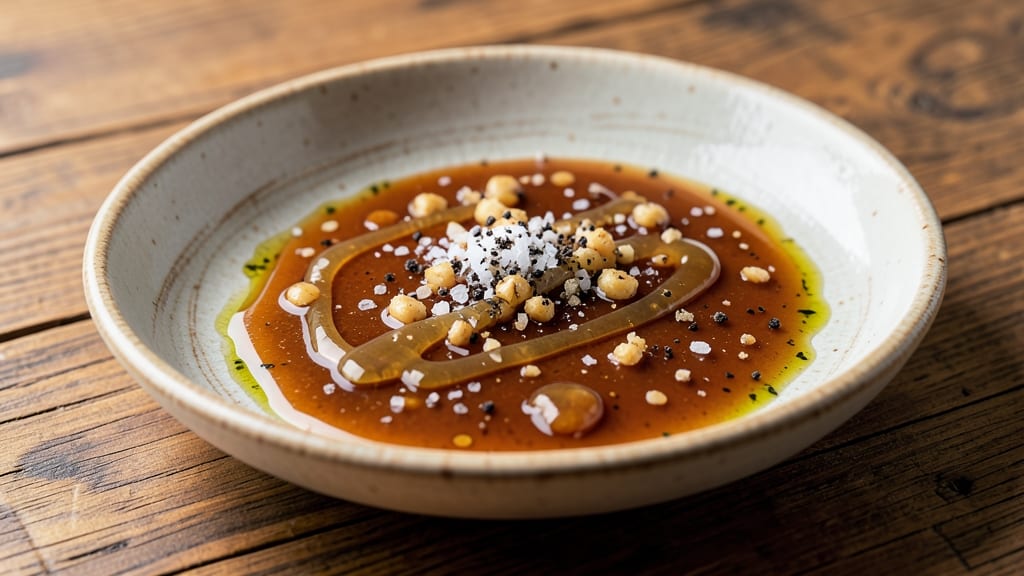
This apple cider vinegar, garlic, and honey recipe transforms simple pantry staples into a versatile glaze that elevates everything from roasted meats to fresh salads. The tangy brightness of vinegar cuts through richness, while honey adds natural sweetness and a velvety finish—creating a balance that’s both bold and approachable.
I developed this after craving a sauce that could stand up to hearty dishes while still working as a light dressing, and it’s become my go-to for adding depth without overpowering flavors.
The magic lies in the three-way harmony of ingredients: raw garlic for aromatic punch, honey for smooth sweetness, and apple cider vinegar for that signature tang. Unlike store-bought glazes loaded with preservatives, this version relies on real, functional ingredients that deliver restaurant-quality results in just 10 minutes of active time.
The sauce thickens slightly as it cools, making it perfect for drizzling, marinating, or even deglazing pans for extra flavor.
What sets this apart is its versatility—use it as a glaze for roasted chicken or pork, a tangy dressing for kale salads, or a marinade for grilled vegetables.
The honey ensures it’s not overly acidic, while the garlic adds layers of complexity that make it far more interesting than plain vinaigrettes. Best of all, it keeps well in the fridge for up to 2 weeks, so you’ll always have a flavor booster on hand.
For those who prefer a smoother texture, simply whisk the ingredients until fully combined; for extra thickness, simmer gently for 2–3 minutes. This isn’t just a sauce—it’s a flavor multiplier that turns ordinary meals into something special with minimal effort. Let’s make it.
Ingredients for apple cider vinegar garlic and honey
Eight ingredients combine to create a restaurant-quality glaze with restaurant-quality results.
| Ingredient | Amount | Notes |
|---|---|---|
| Apple Cider Vinegar 🍏 | ½ cup | Raw, unfiltered preferred for depth |
| Raw Garlic Cloves 🧄 | 6 cloves | Minced for aromatic release |
| Raw Honey 🍯 | ½ cup | Local preferred for floral notes |
| Extra-Virgin Olive Oil 🫒 | ¼ cup | Light fruity variety for balance |
| Diamond Crystal Kosher Salt 🧂 | ½ tsp | Fine grain for even distribution |
| Freshly Ground Black Pepper 🌶️ | ¼ tsp | Freshly cracked for brightness |
| Pure Water 💧 | ¼ cup | Filtered preferred for clarity |
| Organic Dijon Mustard 🍯 | 1 tbsp | For subtle emulsification |
The apple cider vinegar should be raw and unfiltered—think brands like Bragg or Texas Pete for that robust, slightly smoky depth. Local orchard vinegars often have more complexity, but any quality brand works. Garlic is non-negotiable here; roasted garlic adds sweetness but loses the sharp punch this sauce needs. For honey, local varieties (like clover or wildflower) offer subtle floral notes that elevate the glaze. I always double-check the olive oil label—extra-virgin with a harvest date within the last year ensures optimal freshness. The Dijon mustard acts as a natural emulsifier, so Maille or French's are reliable choices for consistent texture.
No apple cider vinegar? White wine vinegar or balsamic work in a pinch, though the flavor profile shifts slightly. Swap raw honey for maple syrup (reduce by 1 tbsp to account for water content) or agave nectar for a vegan option. If you're avoiding garlic, garlic-infused olive oil (1 tbsp) can mimic the flavor without the texture. For a smoother sauce, blend the garlic with the water before combining—this creates a silky consistency. The salt and pepper are flexible, but Diamond Crystal dissolves more evenly than table salt. For extra richness, add 1 tbsp of tahini or almond butter to the final mixture.
This glaze thickens as it cools, so whisk vigorously before use for a pourable consistency. Store in a glass jar in the fridge for up to 2 weeks, or freeze in ice cube trays for single-serving portions. The vinegar and honey preserve the sauce naturally, but adding a thin layer of olive oil on top prevents crystallization. For roasts, brush on 10 minutes before cooking to caramelize; for salads, drizzle just before serving to maintain crispness. The flavor actually improves overnight as the ingredients meld.
Why You'll Love This Recipe
- Five-Ingredient Magic: I swear by this combo—just smash garlic, drizzle honey, toss in vinegar and oil, then let it sit. No fancy gadgets, no stress, just pure flavor in minutes.
- Tangy-Sweet Balance: That first bite? The vinegar cuts through the honey’s richness while the raw garlic adds a punch—like a sophisticated dip without trying. My kids ask for it at parties, and I secretly take credit.
- Dresses Up Everything: Slather it on roasted veggies, drizzle over grilled chicken, or dip crusty bread into it. Honestly, I’ve used it as a marinade, salad dressing, and even a glaze—it’s my pantry’s Swiss Army knife.
- Lasts All Week: A little goes a long way, and it keeps in the fridge for days. I make a big batch on Sundays and use it until it’s gone—no waste, no fuss, just flavor whenever I need it.
Step-by-step instructions for apple cider vinegar, garlic, and honey glaze
This vibrant glaze combines tangy vinegar, aromatic garlic, and sweet honey for a perfect balance of flavors.
Prepare the Garlic and Mustard Base
In a small saucepan, combine the 6 cloves raw garlic cloves (minced) with the 1 tablespoon organic Dijon mustard over low heat. Cook for 2-3 minutes until the garlic becomes fragrant but doesn't brown—this prevents bitterness. Stir constantly to ensure even heating and prevent scorching.
Here's the thing—garlic burns quickly, so keep the heat gentle. You'll know it's ready when the aroma fills your kitchen and the garlic loses its raw sharpness. Remove from heat immediately after this brief cooking time to preserve its delicate flavor.
Whisk in Vinegar and Honey
Add the 0.5 cup apple cider vinegar and 0.5 cup raw honey to the saucepan. Stir well to dissolve the honey completely, using a whisk for smooth incorporation. The mixture will begin to simmer gently—this is normal and helps blend the flavors.
Simmer for 3-4 minutes until the honey fully integrates and the mixture thickens slightly. You're looking for a syrupy consistency that coats the back of a spoon. If it thickens too quickly, add 1 tablespoon of the 0.25 cup pure water to adjust the texture—this ensures proper emulsification later.
Incorporate Olive Oil and Seasonings
Remove the saucepan from heat and let it cool slightly for 2 minutes. Then, slowly drizzle in the 0.25 cup extra-virgin olive oil while whisking vigorously. This step is crucial for emulsification—the oil and vinegar need gentle coaxing to combine smoothly. The mixture should thicken noticeably as the oil incorporates.
Add the 0.5 teaspoon diamond crystal kosher salt and 0.25 teaspoon freshly ground black pepper, stirring until fully dissolved. Taste and adjust seasoning if needed—this glaze should balance sweet, tangy, and savory notes perfectly. For roasts, aim for a slightly sweet-forward profile, while salads benefit from a more balanced acidity.
Finish and Rest the Glaze
Return the saucepan to low heat and add the remaining 0.25 cup pure water if needed to reach your desired consistency. Simmer gently for 1-2 minutes to meld all flavors. The glaze should coat a spoon with a glossy sheen—this indicates proper emulsification and readiness for use.
Transfer the glaze to a clean jar or bowl and let it cool completely at room temperature. This resting period allows the flavors to fully develop and the emulsification to stabilize. The glaze will thicken slightly as it cools, making it ideal for drizzling over roasted meats or tossing with salads. Store in the refrigerator for up to 1 week or freeze for longer shelf life.
Pro Tips For Making Apple Cider Vinegar Garlic And Honey
- Crush the Garlic Hard: I learned this the hard way—raw garlic cloves left whole just sit there, releasing flavor like a stubborn kid. Smash them into a paste with the flat side of your knife first, then mince. That way, the allicin (the good stuff) actually infuses into the vinegar and oil.
- Simmer the Vinegar Low: This isn’t a race. Heat the apple cider vinegar and garlic on medium-low until it just bubbles gently—about 3-4 minutes. Too hot, and you’ll burn the honey’s delicate caramel notes. Too low, and you’ll be waiting forever. Find that sweet spot where it’s warm enough to work but not aggressive.
- Salt Before the Honey: Diamond Crystal kosher salt dissolves slower than table salt, so add it first when you’re combining everything. Stir it into the warm vinegar and oil, let it sit for a full minute, then drizzle in the honey. This guarantees even distribution—no gritty surprises later.
- Use Raw Honey, No Heating: I was skeptical until I tried it—heating honey destroys its enzymes and makes it taste flat. Instead, let the vinegar and garlic mixture cool just enough to touch (about 2 minutes off the heat), then swirl in the honey. It’ll blend smoothly without losing that floral depth.
Storing and reheating this apple cider vinegar garlic and honey
Fridge Storage Secrets
Store your glaze in a glass jar with an airtight lid in the refrigerator for up to 2 weeks. The vinegar and honey act as natural preservatives, but I always add a thin layer of olive oil on top to prevent crystallization and maintain freshness.
The flavors actually deepen overnight as the ingredients meld together—this is when it becomes truly magical. 💫
Freezing for Long-Term Use
For extended storage, freeze the glaze in ice cube trays—each cube makes a perfect single-serving portion for drizzling. Once frozen, transfer cubes to a ziplock bag and flatten to save space.
Thaw overnight in the fridge before using, or microwave for 10-15 seconds to soften. The texture remains stable, though it may separate slightly—just whisk vigorously to re-emulsify.
Reheating for Roasts
When using as a glaze for roasted meats, warm the chilled glaze in a small saucepan over low heat for 2-3 minutes, stirring constantly. This reactivates the emulsification and restores that glossy sheen.
For extra richness, add 1 teaspoon of butter during reheating—it creates a luxurious finish. Brush onto meats 10 minutes before serving to caramelize beautifully. 🔥
Salad Dressing Revival
If your glaze has thickened too much for salads, thin it with 1-2 tablespoons of water while whisking vigorously. For extra vibrancy, add 1 teaspoon of fresh lemon juice to brighten the acidity.
Shake well before using—this dressing works best when freshly tossed. I like to store salad dressings in small mason jars so they're ready to shake and pour whenever inspiration strikes.
Deglazing Pan Sauces
Save any leftover glaze for deglazing pans after cooking roasts or searing meats. Simply add 2-3 tablespoons to the hot pan, scraping up browned bits with a wooden spoon.
Simmer for 1-2 minutes to thicken, then finish with a pat of butter for a silky sauce. This technique transforms scraps into a restaurant-worthy sauce with minimal effort. 💡
Texture Troubleshooting
If your glaze separates after refrigeration, don't panic! Simply whisk in 1 teaspoon of Dijon mustard or 1 tablespoon of olive oil to re-emulsify. For a smoother texture, blend briefly with an immersion blender—this works wonders for restoring that silky consistency.
The key is patience: let it sit at room temperature for 5 minutes before blending for best results.
Nutrition facts
Frequently asked questions
Can I use this glaze as a marinade?
This glaze works beautifully as a marinade for chicken, pork, or fish. For best results, use 1/4 cup of the glaze per pound of meat and marinate for 2-4 hours in the refrigerator. The acidity in the vinegar helps tenderize the meat while infusing it with flavor. Just pat the meat dry before cooking to ensure a good sear.
What if I don't have apple cider vinegar?
You can substitute with white wine vinegar or balsamic vinegar in a pinch. White wine vinegar will give a slightly milder flavor, while balsamic adds a deeper, slightly sweet complexity. Use the same amount (0.5 cup) and adjust the honey slightly if needed to balance the acidity.
How can I make this glaze spicier?
Add 1/2 teaspoon of cayenne pepper or 1 teaspoon of hot sauce when incorporating the seasonings. For a smoky kick, stir in 1/2 teaspoon of smoked paprika or a dash of chipotle powder. If you prefer fresh heat, blend in 1 minced jalapeño with the garlic for a bright, spicy twist.
Will this glaze work for vegetarian dishes?
Yes! It's perfect for drizzling over roasted vegetables, tofu, or tempeh. For extra richness, toss cooked vegetables with 1 tablespoon of olive oil before adding the glaze. It also makes a fantastic dip when thinned slightly with water—great for crudité platters or falafel.
Can I make this without Dijon mustard?
Certainly! Skip the mustard or replace it with 1/2 teaspoon of ground mustard powder or 1/2 teaspoon of soy sauce for umami depth. The sauce will still emulsify well, though it may separate slightly more. For a smoother texture, whisk vigorously after adding the olive oil, or blend briefly with an immersion blender.