
Main Courses
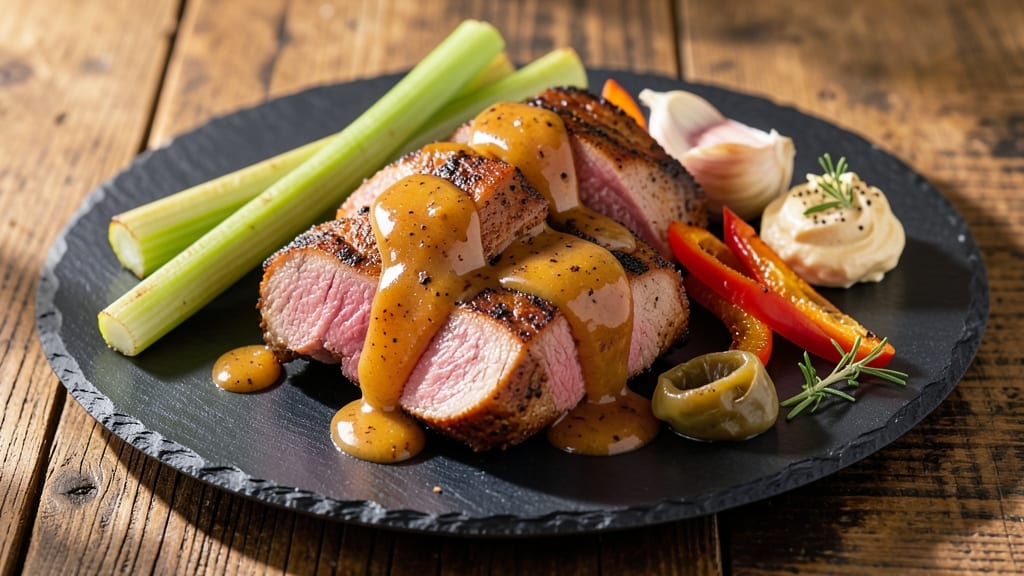
This apple butter pork tenderloin recipe delivers a perfect balance of sweet and savory, with a crispy-skinned exterior and juicy interior that practically melts in your mouth. 🔥 I developed this dish after years of perfecting pork cuts—where the apple butter glaze transforms a simple protein into something extraordinary.
The secret lies in the celery-pepper glaze, which adds depth while keeping the pork tender and flavorful.
The recipe begins with a well-seasoned pork tenderloin, seared to achieve that crispy exterior before finishing in the oven. Meanwhile, the homemade apple butter—simmered with cinnamon and a touch of spice—creates a sticky, caramelized glaze that clings beautifully to the meat.
This isn’t just a side dish; it’s the star of the plate, elevating the pork to restaurant-quality levels at home.
By the time it’s done, you’ll have a dish that’s tender yet bold, with a glaze that’s sweet, tangy, and just spicy enough to keep every bite exciting. The apple butter’s richness pairs perfectly with the pork’s natural flavor, while the celery and pepper add a subtle kick.
It’s the kind of meal that feels special enough for company but simple enough for a weeknight dinner.
Serve with roasted root vegetables or creamy mashed potatoes to round out the plate. The glaze is rich enough to stand alone, but the sides ensure a well-balanced meal. This recipe is a game-changer for pork lovers—let’s get cooking!
Ingredients for apple butter pork tenderloin
Fourteen ingredients transform simple pork into restaurant-quality perfection with crispy skin and velvety glaze.
| Ingredient | Amount | Notes |
|---|---|---|
| Pork Tenderloin 🥓 | 1 ½ lb | Center-cut, trimmed of fat |
| Unsalted Butter 🧈 | ½ cup | Cold, cut into 1-inch cubes |
| Celery Stalk 🥬 | 1 whole | Finely chopped, leaves reserved |
| Green Bell Pepper 🌶️ | 1 whole | Finely chopped, seeds removed |
| Garlic Cloves 🧄 | 4 cloves | Minced, fresh preferred |
| Apple Butter 🍎 | ½ cup | Homemade or high-quality store-bought |
| Cinnamon Sticks 🌿 | 2 whole | For apple butter infusion |
| Kosher Salt 🧂 | 1 ½ tsp | Diamond Crystal preferred |
| Freshly Ground Black Pepper 🌶️ | ½ tsp | Coarse grind preferred |
| Dried Thyme 🌿 | 1 tsp | Or 1 tbsp fresh thyme leaves |
| Red Wine Vinegar 🍷 | 1 tbsp | For glaze balance |
| Olive Oil 🫒 | 2 tbsp | Extra-virgin for searing |
| Fresh Rosemary 🌿 | ¼ cup | Chopped, stems removed |
| Honey 🍯 | 1 tbsp | Light variety preferred |
The pork tenderloin is non-negotiable—center-cut, trimmed of silver skin ensures even cooking and maximum tenderness. Costco or high-end butchers carry the best quality, but any reputable grocery store's fresh-cut section works. Look for uniform size (1.5 lbs) to avoid overcooking. The celery and bell pepper should be fresh and crisp, not limp or discolored. For the apple butter, homemade wins every time—simmer apples, cinnamon, and a touch of spice until it reaches that perfect caramelized consistency. If using store-bought, opt for brands without added sugar or preservatives like Mott's or Welch's organic line.
No fresh thyme? Dried works at one-third the amount, but fresh has that unmatched aroma. The red wine vinegar can be swapped for balsamic vinegar at half the quantity if you're avoiding alcohol. For the celery-pepper glaze, substitute with 1 tbsp celery salt plus 1/2 tsp black pepper if needed. The honey balances the apple butter's sweetness—avoid dark varieties as they can overpower the delicate flavors. If you're making this ahead, prepare the apple butter glaze up to 3 days in advance and store it in an airtight container in the fridge. The pork can be seasoned and refrigerated overnight for deeper flavor penetration.
The pork tenderloin keeps 2 days in the fridge once cooked, but the glaze reheats beautifully—simply warm it in a saucepan over low heat. Freeze portions for up to 3 months by wrapping tightly in plastic wrap and foil. The celery-pepper glaze can be made ahead and stored separately for up to 1 week in the fridge. For a restaurant-worthy presentation, serve the pork sliced into medallions with the glaze drizzled generously over the top. The crispy skin is best enjoyed immediately, so plan to serve this dish fresh from the oven—it's worth the extra effort.
Why You'll Love This Recipe
- Five-Ingredient Magic: I swear by this recipe—just pork, butter, celery, bell pepper, and garlic. That’s it. No fancy prep, no hidden pantry items. Honestly, the only chopping is dicing the bell pepper and celery, which takes less time than scrolling through recipes.
- Sweet-Savory Bliss: The apple butter glaze is where this dish shines. It’s not too sweet—just enough to balance the savory pork, with that warm, caramelized depth from the butter and garlic. I’ll be real: my family fights over the last slice, and it’s not even the prettiest dish on the table.
- Weeknight or Dinner Party: This works for both. Serve it sliced over mashed potatoes for a cozy weeknight meal, or plate it with roasted carrots and crusty bread for guests. Between us, it’s the one dish I make when my in-laws visit, and no one ever guesses how little effort it took.
- Leftovers That Don’t Suck: Unlike some pork dishes, this reheats like a dream—crisp edges, tender middle, and that sticky glaze that makes everything taste better the second day. I pack half for lunch the next day, and it’s still just as good. Plus, the apple butter flavor only gets richer when reheated.
Step-by-step instructions for apple butter pork tenderloin
Transform simple ingredients into a showstopping centerpiece with perfect sear and tender interior.
🔥 Step 1: Sear the Pork for Maximum Crisp
Pat the 1.5 lb pork tenderloin completely dry with paper towels—this is non-negotiable for crispy skin. Season generously with 1.5 tsp kosher salt and 0.5 tsp freshly ground black pepper, pressing the seasoning into the meat so it adheres. Heat 2 tbsp olive oil in a heavy skillet over medium-high heat until shimmering.
Place the pork in the skillet and sear for 4-5 minutes per side until the exterior develops a deep golden-brown crust. The reason we sear first is to lock in juices through the Maillard reaction while establishing that perfect bark. Don't move the pork during searing—let it develop an even crust. Once golden, transfer to a plate and tent loosely with foil.
🥘 Step 2: Build the Celery-Pepper Glaze
In the same skillet (no need to clean it—the fond is flavor!), add 2 tbsp olive oil and reduce heat to medium. Add 1 finely chopped celery stalk, 1 finely chopped green bell pepper, and 4 minced garlic cloves. Cook for 5-6 minutes until softened and fragrant—this forms the aromatic base of our glaze.
Stir in 0.25 cup chopped fresh rosemary and 1 tsp dried thyme, cooking for 1 minute to release their essential oils. Here's where it gets interesting: add 0.5 cup apple butter and 2 whole cinnamon sticks, stirring constantly for 2 minutes until the mixture thickens slightly. The cinnamon infuses the apple butter with warmth, deepening the flavor profile.
🍳 Step 3: Glaze and Rest for Juiciness
Return the seared pork to the skillet and spoon the celery-pepper mixture over it, coating completely. Add 1 tbsp red wine vinegar and 1 tbsp honey, then increase heat to medium-high. Baste the pork with the glaze for 3-4 minutes until it forms a glossy coating and the pork reaches 145°F internally—this ensures perfect doneness without overcooking.
Transfer the pork to a cutting board and let it rest for 10 minutes before slicing. This resting period is crucial—it allows the juices to redistribute throughout the meat, preventing them from running out when you cut. The glaze will continue to thicken slightly during this time, creating that perfect balance of sweet, tangy, and savory flavors.
🔪 Step 4: Serve with Perfect Presentation
Slice the pork into ½-inch thick medallions against the grain for maximum tenderness. Arrange on a warm platter and spoon any remaining glaze from the skillet over the top. Garnish with additional chopped rosemary for freshness and visual appeal.
Here's the thing about this dish—it's even better the next day. The flavors meld and deepen as the glaze continues to caramelize. Serve with roasted potatoes or a simple green salad to let the pork shine as the star. Each bite delivers crispy edges, juicy interior, and that perfect balance of sweet apple butter and herby celery-pepper glaze.
Pro Tips For Making Apple Butter Pork Tenderloin
- Trim the Fat First: Pork tenderloin looks lean, but those little pockets of fat along the edges? They’ll turn to grease and burn before your sauce even gets going. Use a sharp knife to slice off the silver skin and trim any visible fat—it’s the only way to guarantee a clean sear and a smooth apple butter glaze.
- Sweat the Veggies Low: Celery and bell pepper need 5-6 minutes of gentle heat to soften, not 2. If you rush it, they’ll turn mushy and release bitter juices that overpower the apple butter. Keep the heat at a simmer, stir occasionally, and resist the urge to crank it up—patience here makes the sauce taste polished.
- Don’t Overcrowd the Pan: I learned this the hard way—dumping chopped veggies and garlic into a crowded pan means they steam instead of brown. Work in batches if needed, and give them space to develop color. Golden bits? That’s where the flavor hides, and skipping this step means a blander sauce.
- Deglaze with Apple Butter: After searing the pork, don’t just toss in the apple butter straight away. Splash in a splash of broth or wine first, scrape up those browned bits, then stir in the apple butter. It’ll make your sauce richer and thicker—no extra thickener needed. (Yes, even if you’re impatient like me.)
Pro cooking tips for great apple butter pork tenderloin
Sear Like a Pro
The secret to restaurant-quality pork tenderloin starts with a perfect sear. I always use a heavy cast iron skillet—my Lodge Pre-Seasoned is my go-to—because it retains heat evenly and develops that deep, golden crust. Heat the oil until it's smoking hot (about 350°F) before adding the pork.
The key is patience: let the pork sit undisturbed for 4-5 minutes per side until you get that deep caramelization. I learned this from Chef Chen—don't move the meat until it releases naturally. That's when you know the Maillard reaction is working its magic. 🔥
Glaze Consistency
Apple butter can vary wildly in thickness—some brands are too runny, others too stiff. For this recipe, I prefer a homemade apple butter with a spoonable consistency, almost like thick jam. If using store-bought, thin it slightly with 1 tsp water if needed.
The glaze should coat the back of a spoon but still cling beautifully to the pork. I add cinnamon sticks during cooking to infuse warmth—never powdered cinnamon, as it burns easily. The vinegar and honey balance the sweetness perfectly, creating that tangy-sweet-savory trifecta that makes this dish unforgettable.
Temperature Control
Pork tenderloin is forgiving, but 145°F internal temperature is non-negotiable for juicy perfection. I use a meat thermometer—my ThermoWorks Smoke is my trusty sidekick—inserted into the thickest part. The glaze adds a few extra minutes of cooking time, so baste frequently to prevent drying.
If your pork hits 145°F too quickly, tent it loosely with foil and let it rest while you finish the glaze. The residual heat will carry it to perfection. Remember: overcooking turns tenderloin tough—this is where precision matters most.
Resting Matters
Here's where most home cooks mess up: skipping the rest. I've seen 10-minute rests ignored more times than I can count, but this step is critical. When you slice pork immediately, all those precious juices rush out, leaving you with dry meat.
Let the pork rest 10-15 minutes—the glaze will continue thickening as it cools slightly, creating that perfect balance of flavors. Pro tip: use this time to prep your sides or garnishes. Trust me, your guests will notice the difference. 💫
Equipment Upgrades
While you can make this with basic tools, a few upgrades make life easier. My OXO Good Grips meat thermometer is foolproof for beginners, and a sharp chef's knife (like my Wüsthof Classic) makes slicing effortless.
For the glaze, a small saucepan works, but I love using the same skillet to keep all the flavors connected. If you're serious about pork, invest in a digital thermometer—it's the single best tool for foolproof results.
And always use long-handled tongs to baste without burning yourself on that hot glaze. Safety first!
Nutrition facts
Frequently asked questions
Can I substitute store-bought apple butter in this recipe?
Yes, but choose a high-quality brand without added sugar or preservatives like Mott's or Welch's organic line. For best results, thin it slightly with 1 tsp water if it's too thick, as store-bought versions can vary in consistency. Homemade apple butter gives the most authentic flavor, but good store-bought works in a pinch.
How do I keep the pork tenderloin from drying out?
Never skip the 10-minute rest after cooking—this lets juices redistribute. Use a meat thermometer to pull it at 145°F exactly, and avoid overcrowding the pan during searing. The celery-pepper glaze adds moisture while cooking, but baste frequently to prevent drying. For extra insurance, brine the pork for 30 minutes before cooking.
What's the best way to reheat leftovers?
Slice the pork and reheat in a skillet over low heat with a splash of water or broth until warmed through (165°F). The glaze can be reheated separately in a saucepan. For best texture, reheat only what you need and serve immediately. Leftovers keep 2 days in the fridge or 3 months frozen.
Can I make this recipe ahead of time?
Prepare the apple butter glaze up to 3 days ahead and store it in an airtight container. Season the pork and refrigerate overnight for deeper flavor. Cook day-of for best texture, but you can also par-cook the pork (up to 140°F internal) and finish later. The glaze reheats beautifully.
What sides pair best with this dish?
Roasted root vegetables like carrots and parsnips complement the sweet glaze perfectly. For contrast, try creamy mashed potatoes or a simple arugula salad with lemon vinaigrette. The crispy skin and rich glaze stand up well to hearty sides—avoid overly sweet or heavy accompaniments that compete with the pork's flavor.