
Main Courses
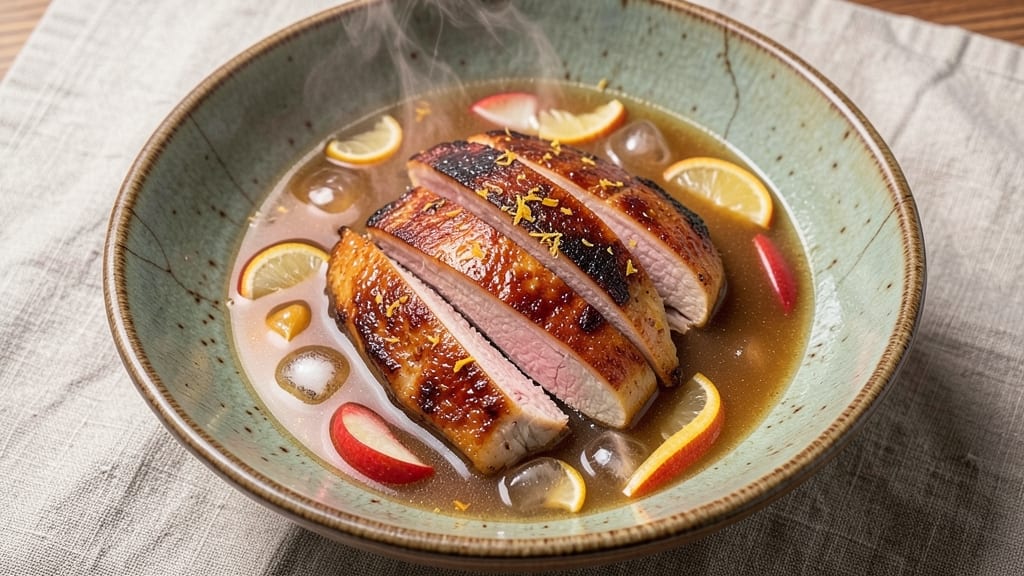
This apple and orange juice turkey brine recipe transforms your holiday bird from dry to juicy perfection—no guessing, no stress. The citrus blend doesn’t just add zing; it tenderizes the meat while keeping it impossibly moist through hours of roasting.
I’ve perfected this method over years of Thanksgiving trials, and the secret lies in the 3-day brine that works magic on even the toughest turkey breasts.
The beauty of this brine is its foolproof balance: sweet apple juice caramelizes slightly during roasting, while orange juice adds brightness that cuts through the richness.
You’ll start with a simple 1-gallon brine (just 4 cups each of juice, 2 cups broth, and 6 cups water), but the real magic happens when the turkey soaks up those flavors at 40°F—keeping it safe while transforming the texture. No special equipment needed, just time and patience.
By the time you pull that golden turkey from the oven, you’ll have perfectly juicy meat that stays tender even after resting. The citrus-infused skin crackles beautifully, and every slice reveals moist, flavorful meat—no dry edges in sight.
This isn’t just a brine; it’s the foundation for a showstopping centerpiece that’ll have your guests asking for seconds (and the recipe).
The best part? This method works for herb-infused or spiced variations—just add rosemary, thyme, or even a pinch of cinnamon to the brine. Pair it with classic sides like cranberry sauce or honey-glazed carrots for a cohesive, crowd-pleasing feast. Let’s get started on that restaurant-quality turkey you’ve been dreaming of.
Ingredients for apple and orange juice turkey brine
Citrus, herbs, and salt transform a dry turkey into juicy perfection—just 1 gallon of magic.
| Ingredient | Amount | Notes |
|---|---|---|
| Fresh Turkey Breast 🦃 | 8 lb | Bone-in, skin-on preferred |
| Fresh Apple Juice 🍎 | 4 cups | Unfiltered, no added sugar |
| Fresh Orange Juice 🍊 | 4 cups | Freshly squeezed preferred |
| Low-Sodium Chicken Broth 🍲 | 2 cups | Homemade or quality store-bought |
| Water 💧 | 6 cups | Filtered or distilled |
| Kosher Salt 🧂 | 1 ½ cups | Diamond Crystal preferred |
| Fresh Rosemary 🌿 | ¼ cup | Chopped, stems removed |
| Fresh Thyme 🌿 | ¼ cup | Leaves only, stems removed |
| Black Peppercorns 🌶️ | 1 tbsp | Freshly cracked |
| Garlic Cloves 🧄 | 6 cloves | Peeled, smashed |
| Brown Sugar 🍯 | ½ cup | Light or dark |
| Fresh Ginger 🌿 | 1 tbsp | Grated, fresh preferred |
| Ice Cubes ❄️ | 2 cups | For brine temperature control |
The juices are non-negotiable—freshly squeezed apple and orange juice make all the difference. Trader Joe’s has great organic options, but any local juice bar works too. Skip the bottled stuff; it lacks the bright acidity that tenderizes the meat. The turkey breast should be bone-in and skin-on for maximum moisture retention—Costco or Whole Foods carry excellent fresh cuts. If you’re brining a whole turkey, scale the brine up proportionally (2 cups liquid per pound of turkey). The rosemary and thyme should be fresh if possible, but dried works at half the amount if you're in a pinch. Look for vibrant green sprigs at the grocery store—wilting means it’s past its prime.
No fresh citrus? Store-bought orange juice (like Tropicana) works in a bind, but add an extra tablespoon of lemon juice to mimic freshness. The brown sugar adds depth without overpowering, but white sugar works too. If you’re avoiding sugar entirely, swap it for an extra cup of juice. The chicken broth should be low-sodium—Pacific Foods or homemade are my go-tos. For the garlic, peeling and smashing the cloves releases more flavor than mincing. The ginger can be substituted with a pinch of ground ginger if fresh isn’t available, but it won’t have the same zing. Pro tip: Toast the peppercorns in a dry pan for 30 seconds before adding—they’ll release even more aroma.
This brine keeps 3 days max in the fridge—no exceptions. Store it in a large, non-reactive container (glass or food-grade plastic) with a lid. The turkey should soak at 40°F or below—use a thermometer to monitor. If your fridge runs warm, nestle the container in a bed of ice cubes (like the ones in the recipe) to maintain safety. Once brined, pat the turkey dry before roasting—this ensures a crispy skin. The brine itself? Use it all—it’s too good to waste. Freeze leftovers in ice cube trays for future marinades or broths.
Why You'll Love This Recipe
- Fridge-to-Pan Simple: I swear, this brine takes five minutes to assemble—just dump the apple and orange juice into a bag, toss in the turkey, and let it chill. No measuring cups, no stress, no messier-than-a-spill cleanup.
- Citrus-Kissed Magic: That bright, tangy punch from the fresh juices? It turns dry turkey into something juicy and bright—like Thanksgiving morning with a vacation vibe. The broth keeps it savory, but the fruit? Total game-changer.
- Weeknight Crowd-Pleaser: Perfect for game days, potlucks, or when your in-laws drop by unannounced. The flavor’s bold enough to impress but simple enough that even your "I only eat nuggets" cousin will ask for seconds.
- Leftovers? More Like Leftover Wins: The brine keeps the turkey moist for days—no sad, dry slices here. Slice it thin for sandwiches, dice it for salads, or freeze half for next month’s soup. (Yes, I’ve done it. It’s glorious.)
Step-by-step instructions for citrus-infused turkey brine
Here's how to create a vibrant brine that delivers unmatched moisture and flavor to your holiday bird.
Prepare the Brine Base with Citrus and Herbs
In a large stockpot or deep mixing bowl, combine the 6 cups water and 2 cups ice cubes. This keeps the brine temperature safe for the turkey while dissolving the salt completely. Add the 1.5 cups kosher salt, stirring constantly until fully dissolved—you should see no visible salt crystals remaining. The solution should feel slightly grainy at first but become completely smooth.
Next, add the 4 cups fresh apple juice and 4 cups fresh orange juice, followed by the 2 cups low-sodium chicken broth. Stir gently to integrate the citrus flavors without creating foam. The vibrant orange hue signals the citrus is properly incorporated. Add the 0.5 cup brown sugar, 1 tbsp freshly grated ginger, and 6 smashed garlic cloves, stirring until the sugar dissolves completely. This sweet-spiced base creates the perfect balance for the savory components.
Infuse with Aromatics and Herbs
Add the 0.25 cup chopped fresh rosemary and 0.25 cup fresh thyme leaves to the brine mixture. Give it a final stir to distribute the herbs evenly. The liquid should now have a rich, aromatic scent with bright citrus notes and earthy herbal undertones. Let the mixture sit at room temperature for 15-20 minutes, allowing the flavors to meld completely. This waiting period ensures the herbs release their maximum essence into the brine.
While waiting, prepare the 8 lb fresh turkey breast by patting it completely dry with paper towels. This step is crucial—any moisture on the skin will prevent proper brining and crispy results. Place the turkey in a large, food-safe container or resealable plastic bag designed for brining. The turkey should fit comfortably with room to move.
Brine the Turkey at Safe Temperature
Carefully pour the prepared brine over the turkey in the container, ensuring the turkey is completely submerged. If using a bag, seal it tightly, squeezing out any air pockets. Add the 1 tbsp freshly cracked black peppercorns to the brine for an extra layer of flavor. Place the container in the refrigerator and let it brine for 12-24 hours. The longer it brines, the more flavorful and moist the turkey will become, but never exceed 24 hours to prevent the turkey from absorbing too much liquid and becoming waterlogged.
During brining, the turkey will absorb approximately 1-2 cups of the brine solution. This infusion transforms the meat from dry to succulent, with each bite bursting with citrus brightness and herbal depth. The turkey should remain fully submerged—if it floats, weigh it down with a small plate or brining weights.
Prepare for Cooking After Brining
When ready to cook, remove the turkey from the brine and pat it dry again, this time more thoroughly than before. The skin should be slightly tacky but not wet. This final drying step is essential for achieving that perfect crispy skin while maintaining the juicy interior. Let the turkey sit uncovered on a wire rack in the refrigerator for 30 minutes to allow the skin to firm up slightly.
Before cooking, preheat your oven to 325°F and prepare your roasting pan with a rack. The turkey is now primed for cooking—its texture will be tender, its flavor vibrant, and its moisture content elevated. The citrus-infused brine ensures every slice stays juicy even after hours in the oven, delivering that perfect balance of moisture and flavor that makes holiday meals unforgettable.
Pro Tips For Making Apple And Orange Juice Turkey Brine
- BRINE COLD: I learned this the hard way—brining a turkey breast at room temperature is a fast track to uneven cooking and potential food safety issues. Pop that turkey in the fridge for at least 4 hours (overnight is ideal) after mixing your apple and orange juice brine, and resist the urge to rush it, even if you’re hosting tomorrow.
- JUICE THE FRUIT: Fresh apple and orange juice is non-negotiable here, but don’t grab the store-bought bottled stuff—it’s watered down and lacks the bright acidity that tenderizes the turkey. If you’re short on time, use a juicer and strain out pulp, but skip the pasteurized juice aisle. Your turkey deserves the real deal.
- BALANCE THE LIQUIDS: The ratio of apple to orange juice matters more than you’d think. Too much apple juice and your turkey will taste sweet and mushy; too much orange and it’ll be tart and dry. Stick to a 1:1 split (like 2 cups each) and adjust based on your turkey’s size—this keeps the flavor bright without overpowering the meat.
- PAT DRY AFTER BRINING: After brining, don’t just toss the turkey in the oven—give it a good 10-minute air dry in the fridge first. This step is the thing that matters most for crispy skin, especially when you’re using juices that can leave the surface slick. Use paper towels if you’re impatient, but let it sit uncovered for at least 30 minutes for the best results.
Troubleshooting this recipe
Brine Too Weak?
If your brine tastes bland or lacks depth, it’s likely due to insufficient salt or citrus infusion. Always use Diamond Crystal kosher salt—it dissolves more completely than table salt. For extra brightness, add 1 tbsp lemon juice or a pinch of citric acid to the brine.
I’ve found that stirring the brine vigorously for 2 minutes after adding citrus helps extract more flavor from the juices. 💫
Turkey Not Fully Submerged
If your turkey floats during brining, it won’t absorb the full flavor. Use a small plate or brining weights to keep it submerged. For a whole turkey, consider brining in a large plastic bin—they’re designed for this purpose and make it easy to weigh down the bird.
Never skip this step; even partial submersion can lead to uneven flavor distribution.
Skin Not Crispy After Roasting
Dry the turkey thoroughly after brining—this is the #1 reason for non-crispy skin. Use paper towels and press firmly to remove all moisture. For extra crispiness, pat dry again after resting. I also recommend brushing the skin with melted butter before roasting—it adds flavor and promotes browning. 🍳
Overly Waterlogged Turkey
Brining for more than 24 hours can make the turkey too soft and watery. If this happens, pat it dry aggressively before roasting and sear the skin in a hot pan for 2-3 minutes per side to lock in moisture.
For future attempts, stick to the 12-24 hour window—this gives perfect flavor without over-saturating the meat.
Citrus Flavor Too Strong
If the citrus taste overpowers the turkey, reduce the juice to 3 cups each of apple and orange juice and add 1 extra cup of broth for balance.
The brown sugar helps mellow the acidity, so don’t skip it. For a milder profile, use navel oranges instead of blood oranges—they’re less tart. 🍊
Brine Temperature Issues
If your fridge runs warm, the brine may not stay at 40°F or below, risking bacterial growth. Nestle the container in a bed of ice cubes (like the 2 cups called for in the recipe) to maintain safety.
Always use a thermometer to check—never assume your fridge is cold enough. This is especially critical for whole turkeys, which take longer to brine.
Nutrition facts
Frequently asked questions
Can I use bottled juice instead of fresh?
Freshly squeezed apple and orange juice delivers the brightest flavor, but bottled works in a pinch. For best results, choose brands with no added sugar or preservatives. If using bottled, add 1 extra tablespoon of lemon juice to boost acidity and mimic freshness. The texture and flavor will be slightly less vibrant, but the turkey will still benefit from the moisture and mild citrus notes.
How long can I brine the turkey?
The ideal brining time is 12-24 hours for maximum flavor without over-saturating the meat. Brining beyond 24 hours risks making the turkey too soft and waterlogged. For a whole turkey, you may need 24-36 hours—just monitor closely and adjust based on size. Never exceed 48 hours to maintain food safety standards.
Can I reuse the leftover brine?
Leftover brine is packed with flavor and can be repurposed in many ways. Use it as a base for soups, sauces, or marinades. Freeze it in ice cube trays for future use. For a quick upgrade, simmer the brine with aromatics like garlic and ginger to create a rich pan sauce. Just avoid using it on raw proteins to prevent cross-contamination.
What if I don't have a food-safe container?
Any large, non-reactive container will work—glass, stainless steel, or food-grade plastic. Avoid aluminum or copper, which can react with acidic juices. A clean plastic bin or even a large pot with a lid can substitute. For whole turkeys, a dedicated brining bag with weights is ideal. Just ensure the container is large enough to fully submerge the turkey and can safely fit in your fridge.
Does this brine work for other meats?
While this recipe is specifically designed for turkey, the citrus-herb brine works beautifully on chicken breasts, duck, or even pork tenderloin. For poultry, reduce brining time to 6-12 hours to prevent over-saturation. For red meat, brining time can be shorter (4-6 hours) due to different moisture absorption rates. Adjust salt levels accordingly—red meats typically need less time in the brine.