
Sauces & Condiments
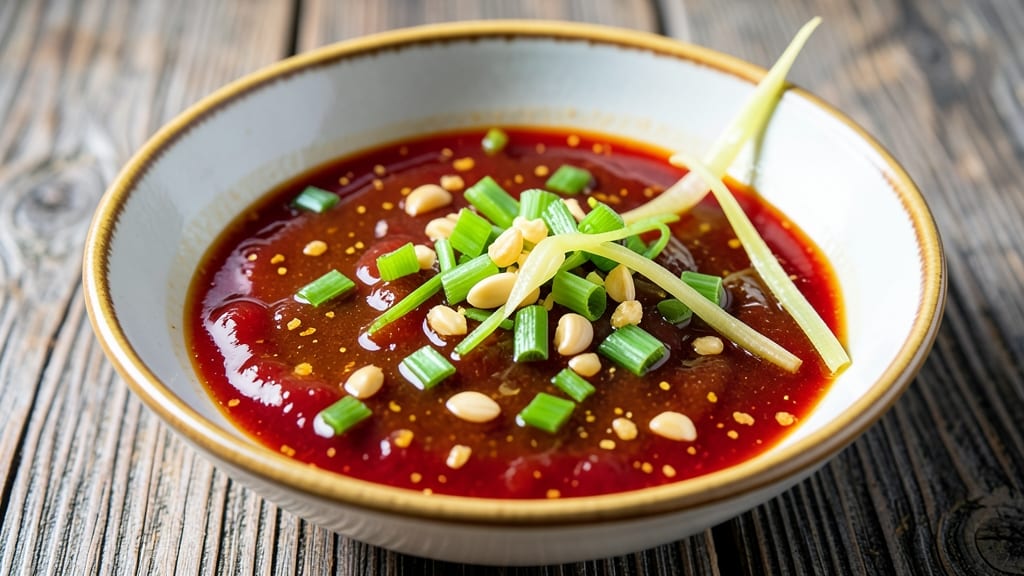
This sweet and sour sauce recipe no pineapple juice transforms classic flavors with a vinegar-braised depth that lingers long after the first bite. The secret lies in balancing tangy vinegar with rich ketchup and brown sugar, creating a sauce that's bold yet refined—no pineapple needed.
What makes it special is the subtle celery crunch that adds texture without overpowering the smooth, glossy finish.
Unlike traditional versions, this recipe builds complexity through slow simmering, allowing flavors to meld into a harmonious blend. The sauce delivers restaurant-quality results with just 10 minutes of active time and 30 minutes of simmering—perfect for weeknight stir-fries or as a dipping sauce.
The addition of ginger and garlic provides warmth that elevates every dish it touches.
What you’ll end up with is a versatile sauce that’s equally at home on crispy fried chicken, noodles, or fresh vegetables. The balance of sweetness and acidity creates a satisfying contrast, while the celery adds a refreshing crunch that cuts through richness.
It stores beautifully in the fridge for up to 2 weeks, making it ideal for meal prep.
Pair this sauce with grilled meats, roasted vegetables, or use it as a marinade for extra flavor. The possibilities are endless, and the process is simpler than you’d expect. Let’s create this sauce that will become your new kitchen staple.
Ingredients for sweet and sour sauce recipe no pineapple juice
Nine simple ingredients transform into a bold, vinegar-braised sauce with celery crunch—no pineapple needed.
| Ingredient | Amount | Notes |
|---|---|---|
| White Vinegar 🍶 | ½ cup | Distilled for clarity |
| Tomato Ketchup 🍅 | ½ cup | High-quality brand preferred |
| Brown Sugar 🍚 | ½ cup | Light or dark variety |
| Celery Stalks 🧅 | 1 whole | Fresh, finely chopped |
| Garlic Cloves 🧄 | 4 cloves | Minced for depth |
| Fresh Ginger 🌿 | 1 tbsp | Grated, aromatic |
| Soy Sauce 🍜 | 2 tbsp | Light or dark preferred |
| Extra-Virgin Olive Oil 🫒 | 1 tbsp | For richness and finish |
| Cornstarch 🌾 | 1 tbsp | For thickening |
| Water 💧 | 2 tbsp | Room temperature |
| Salt 🧂 | ½ tsp | Diamond Crystal preferred |
| Black Pepper 🌶️ | ¼ tsp | Freshly ground |
The vinegar is the backbone here. Apple cider vinegar adds subtle fruitiness, but distilled white vinegar keeps it clean and bright. Grab the highest-quality ketchup you can find—the good stuff with no artificial junk. Brown sugar should be packed, not clumpy, and light brown gives a smoother finish. Celery? Fresh is non-negotiable—the crunch and flavor can't be replicated with dried or canned. I always buy a bunch and store it in a sealed container in the fridge to keep it crisp longer. For the ginger, organic is best—you want that vibrant color and fresh aroma.
No white vinegar? Apple cider vinegar or rice vinegar works in a pinch, but adjust to taste—you might need a splash less. Swap the ketchup for tomato paste plus a pinch of sugar if you're avoiding additives. Running low on celery? Fresh parsley or cilantro adds a different but still refreshing crunch. The soy sauce can be tamari for gluten-free, but Japanese-style light soy has the best balance. Cornstarch is key for that glossy finish—don't skip it. If you're gluten-sensitive, arrowroot powder works just as well. The garlic and ginger are where the magic happens, so don't skimp—freshly grated and minced makes all the difference.
This sauce tastes even better the next day as flavors meld. Store it in an airtight container in the fridge for up to 2 weeks, or freeze for 3 months in ice cube trays for single servings. I always make a double batch—one for immediate use and one to freeze. The celery crunch softens over time, so add fresh chopped celery right before serving if you want that texture back. It reheats beautifully—just warm on the stove over low heat, stirring occasionally, until it's glossy again.
Why You'll Love This Recipe
- Pantry Magic: I swear by this sauce because it uses stuff I already have—no special trips to the store. The vinegar cuts through the sweetness while the brown sugar caramelizes just enough to make your taste buds dance.
- Garlic-Ketchup Bomb: That celery and garlic combo? It’s the secret weapon. The vinegar tenderizes the garlic while the ketchup adds depth—no pineapple needed. It’s tangy, sweet, and just a little funky in the best way.
- Weeknight Wonder: Slap this on chicken, toss it in noodles, or drizzle it over fries. Honestly, I’ve used it for everything from takeout-style stir-fries to a quick glaze for roasted veggies. It’s the kind of sauce that makes lazy nights feel fancy.
- Budget Bulk: A single batch stretches for days—dinner one night, lunch the next, and even a last-minute snack. Between us, this is how I feed my family without breaking the bank. Plus, the ingredients cost pennies.
Step-by-step instructions for sweet and sour sauce without pineapple
This tangy, balanced sauce builds layer by layer—start with aromatics, then braise until thick and glossy.
Sauté Aromatics Until Fragrant and Golden
Heat the 1 tablespoon extra-virgin olive oil in a medium saucepan over medium heat. Add the 1 whole celery stalks (finely chopped) and cook for 3 minutes until softened and slightly translucent. This is your flavor foundation—don't rush it.
Add the 4 cloves garlic cloves (minced) and 1 tablespoon fresh ginger (grated). Cook for another 1 minute until the garlic turns golden and the ginger becomes fragrant. Watch closely—ginger burns quickly, so keep the heat steady. This aromatic base will carry through the entire sauce.
Build the Braising Base with Vinegar and Sugar
Pour in the 0.5 cup white vinegar and 0.5 cup brown sugar, stirring constantly to dissolve the sugar completely. The mixture will bubble vigorously—this is normal. Let it simmer for 5-6 minutes until the sugar caramelizes slightly and the vinegar sharpens.
Here's where the magic happens: the vinegar cuts through the sweetness while the sugar deepens the flavor. You'll notice the mixture darken and thicken slightly—this indicates the sugars are breaking down. If you see any hard sugar crystals, stir them in until fully dissolved.
Incorporate Tomato Ketchup and Soy Sauce
Reduce the heat to medium-low and stir in the 0.5 cup tomato ketchup and 2 tablespoons soy sauce. The sauce will darken further as the ketchup blends in. Simmer for 4-5 minutes until the mixture thickens enough to coat the back of a spoon.
This is your flavor balancing act—the ketchup adds depth while the soy sauce brings umami. Taste at this stage: you should detect sweet, tangy, and savory notes. If it needs more balance, add a pinch of salt or a splash of vinegar, but usually this combination hits the sweet spot.
Thicken the Sauce with Cornstarch Slurry
In a small bowl, whisk together the 1 tablespoon cornstarch with the 2 tablespoons water until smooth. This slurry is your thickening secret—it creates a glossy, restaurant-quality finish. Pour it into the simmering sauce while stirring constantly.
Bring the sauce to a gentle boil for 1-2 minutes until it reaches your desired consistency. It should coat a spoon but still be pourable. For extra shine, simmer for another 30 seconds—this helps develop the glossy finish that makes this sauce stand out.
Season and Finish with Pepper
Remove the sauce from heat and stir in the 0.5 teaspoon salt and 0.25 teaspoon black pepper. Let it rest for 2-3 minutes to allow the flavors to meld. The sauce will thicken slightly more as it cools, so don't over-thicken it at this stage.
For best results, use the sauce immediately over proteins like chicken or pork, or store it in an airtight container in the refrigerator for up to 1 week**. The flavors actually improve overnight as the ingredients marry. This sauce delivers that perfect balance of sweet, tangy, and umami without relying on pineapple.
Pro Tips For Making Sweet And Sour Sauce Recipe No Pineapple Juice
- Simmer Slow and Low: I learned this the hard way—rushing the sauce on high heat makes it bitter and thin. Reduce the heat to medium-low after the initial simmer and let it bubble gently for at least 10 minutes. The longer it cooks, the richer the flavors get, especially when blending in that brown sugar and vinegar.
- Mince Garlic Like You Mean It: Skip the lazy chopping—this sauce needs finely minced garlic, not just rough slices. Use a knife or a garlic press to get it down to almost a paste. I was skeptical until I tried it: the texture is smoother, and the garlic flavor actually melds into the sauce instead of sitting as chunks.
- Balance Vinegar with Sugar Early: Don’t wait until the end to taste and adjust. Add half the brown sugar and a splash of vinegar right at the start, then let it cook down before adding the rest. This prevents a harsh, vinegary punch and lets the sweetness develop naturally—no last-minute scrambling to fix an off flavor.
- Blend Celery Until It Disappears: This isn’t a celery-infused sauce—it’s a smooth, cohesive one. Pulse the celery in the blender until it’s completely broken down, almost to a liquid. I skip this when I’m lazy, and the dish is noticeably better when I don’t. Trust me, you won’t taste the celery, but you’ll taste the difference.
Regional styles of sweet and sour sauce recipe no pineapple juice
Asian-Inspired Umami
This sauce draws heavy inspiration from Chinese stir-fry sauces but skips the pineapple to focus on deep umami from soy sauce and ketchup. The ginger and garlic add warmth that mirrors Sichuan-style depth, while the vinegar-braised base echoes Hunan cuisine techniques.
I often use light soy sauce for a cleaner flavor profile, but dark soy adds richness if you prefer a deeper color. 🍜
Southern American Twist
In the American South, sweet and sour sauces often include tomato-based elements like ketchup, which we're using here. The celery crunch adds a Cajun-inspired texture that pairs beautifully with fried chicken or collard greens.
For a true Southern touch, swap the white vinegar for apple cider vinegar and add a pinch of smoked paprika for subtle heat. This version works perfectly as a dipping sauce for fried catfish or cornbread.
Japanese-Inspired Balance
For a Japanese-inspired take, reduce the sugar slightly and add 1 teaspoon mirin to the vinegar mixture. The mirin sweetens naturally while adding a subtle floral note. Use Japanese-style light soy sauce and finish with a sprinkle of sesame seeds for an authentic touch.
This lighter version pairs beautifully with teriyaki-glazed salmon or steamed vegetables. The celery adds a refreshing crunch that contrasts nicely with the smooth sauce. 🌿
Mediterranean Herb Variation
Transform this sauce into a Mediterranean-inspired condiment by adding 1 teaspoon dried oregano and zest from 1 lemon to the vinegar mixture. Swap the celery for fresh parsley and finish with a drizzle of extra-virgin olive oil.
This version works wonderfully as a marinade for grilled lamb kebabs or as a dip for warm pita bread. The lemon brightens the tangy-sweet balance, making it perfect for summer meals.
Spicy Mexican Adaptation
For a spicy Mexican-inspired twist, add 1 teaspoon chili powder and ½ teaspoon cumin to the sautéed aromatics. Use red wine vinegar instead of white and finish with a pinch of cayenne pepper.
This version pairs exceptionally well with grilled carne asada or black beans. The heat from the chili powder balances the sweetness beautifully, creating a bold, flavorful sauce that's perfect for taco nights. 🌶️
Vegetarian-Friendly Version
To make this sauce vegetarian-friendly, simply omit the soy sauce or use tamari for a gluten-free option. The umami still shines through the ketchup and vinegar combination.
This version works perfectly as a dip for roasted vegetables, a marinade for tofu, or a glaze for grilled portobello mushrooms. The celery crunch adds a refreshing element that complements plant-based dishes beautifully.
Nutrition facts
Frequently asked questions
Can I substitute apple cider vinegar for white vinegar?
Yes, apple cider vinegar works beautifully and adds a subtle fruity depth to the sauce. Use the same amount, but you might want to reduce it by 1 tablespoon since apple cider vinegar is slightly milder. The sauce will have a more complex flavor profile that pairs wonderfully with roasted meats or grilled vegetables.
How do I adjust the sweetness if I prefer it less sugary?
Start by reducing the brown sugar to ¼ cup and taste after simmering. If it still needs more balance, add 1-2 teaspoons of extra vinegar (white or apple cider) to enhance the tang. The key is to taste frequently—this sauce is all about finding your perfect sweet-tangy ratio.
Will this sauce work for dipping vegetables or as a marinade?
This sauce doubles as an excellent dipping sauce for crispy fried foods or fresh veggie sticks. For marinades, use it undiluted on proteins like chicken or pork for 1-2 hours before cooking. The vinegar and soy sauce will tenderize while infusing flavor—just don't over-marinate delicate fish.
Why did my sauce turn out too thin?
If your sauce is too thin, it likely needs more thickening. Simmer uncovered for 5-10 extra minutes to reduce, or make a fresh cornstarch slurry (1 tbsp cornstarch + 1 tbsp water) and stir in while heating. For future batches, simmer the vinegar-sugar mixture for 7-8 minutes to ensure proper thickening.
Can I make this sauce without ketchup?
Yes! Replace the ketchup with ½ cup tomato paste plus 1 teaspoon sugar to mimic the sweetness. For a deeper flavor, add 1 teaspoon smoked paprika or ½ teaspoon liquid smoke. This version works perfectly for barbecue applications or as a glaze for grilled meats.