
Main Courses
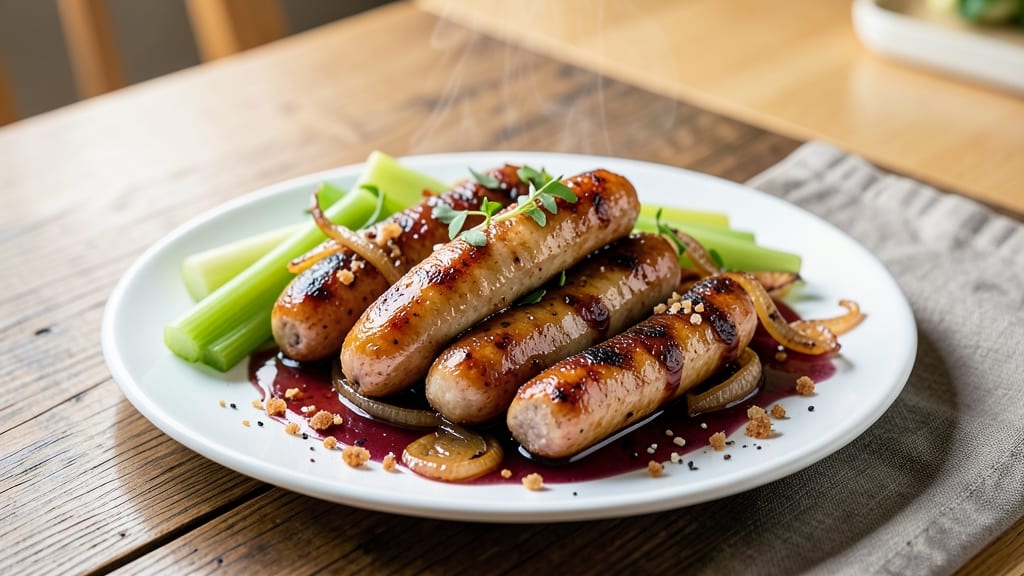
This smoked apple chardonnay chicken sausage recipe transforms simple ingredients into a restaurant-worthy dish that balances sweet, smoky, and wine-braised flavors. 🔥 As someone who's spent years perfecting the marriage of apple and wine in savory dishes, I can tell you this combination is a game-changer for weeknight dinners that feel special.
The secret lies in the celery caramelization—it adds depth without overpowering the delicate chicken sausage.
The process starts with marinating the sausage in a blend of apple cider and chardonnay, letting the wine's acidity tenderize while infusing subtle fruit notes. Then, we develop a rich braising liquid using celery, onions, and a touch of brown sugar that caramelizes beautifully as it reduces.
This technique ensures every bite delivers that perfect balance of crisp edges and tender centers, with just the right amount of wine-braised richness.
What you'll end up with is a dish that's elegant enough for dinner guests but simple enough for a weeknight—golden-brown sausage with caramelized glaze, served alongside roasted apples or a crisp salad. The wine and apple flavors complement each other beautifully, creating a harmonious blend that's both comforting and sophisticated.
The best part? This recipe scales effortlessly, making it perfect for feeding a crowd or meal prepping for the week.
Whether you're a seasoned pitmaster or a home cook looking to elevate your weeknight meals, this smoked apple chardonnay chicken sausage will become a staple in your rotation. The combination of techniques—smoking, braising, and caramelization—delivers professional-quality results with minimal fuss. Let's get cooking!
Ingredients for smoked apple chardonnay chicken sausage
Wine, apples, and celery caramelization—this trio creates restaurant-worthy flavor with minimal effort.
| Ingredient | Amount | Notes |
|---|---|---|
| Chicken Sausage Links 🍗 | 8 whole | Smoked chicken sausage, ~12 oz total |
| Dry Chardonnay Wine 🍷 | ½ cup | Bold, dry variety preferred |
| Apple Cider 🍎 | ½ cup | Unfiltered for best flavor |
| Celery Stalks 🧅 | 3 whole | Trimmed, cut into 1-inch pieces |
| Yellow Onion 🧅 | 1 whole | Medium, diced |
| Brown Sugar 🍚 | 2 tbsp | Light or dark variety |
| Olive Oil 🫒 | 2 tbsp | Extra-virgin for richness |
| Fresh Thyme 🌿 | ¼ cup | Leaves only, chopped |
| Garlic Cloves 🧄 | 3 cloves | Minced, fresh preferred |
| Apple Cider Vinegar 🍋 | 1 tbsp | For brightness |
| Salt 🧂 | 1 ½ tsp | Diamond Crystal kosher salt |
| Black Pepper 🌶️ | ½ tsp | Freshly cracked |
| Fresh Apples 🍏 | 2 medium | Honeycrisp or Fuji, peeled and sliced |
| Unsalted Butter 🧈 | 1 tbsp | For finishing |
The sausage is the star, so look for high-quality smoked chicken sausage at specialty butchers or Trader Joe's—their brand has perfect balance. Honeycrisp apples are ideal for their crisp texture and sweetness, but any firm apple works. The celery? Organic stalks from the grocery store's produce section stay crisp longer. For the wine, any dry chardonnay will do—Kendall-Jackson or Sutter Home are crowd-pleasers. Pro tip: Buy the apples and celery the same day you cook for maximum freshness in the caramelization.
No chardonnay? Substitute apple juice plus a splash of lemon juice—it won't be identical, but still delicious. Short on apples? Pear slices work beautifully. The thyme can be swapped for 1 tsp dried thyme, but fresh adds that extra layer of aroma. For a quicker prep, pre-dice the onion and celery while the sausage marinates—it saves 10 minutes later. The brown sugar is non-negotiable though—it's what creates that perfect caramelized glaze. Light brown sugar gives a cleaner flavor, but dark works too if you're in a pinch.
Marinate the sausage overnight for maximum flavor infusion. The braising liquid keeps for 5 days in the fridge, so make extra—it's perfect for roasted veggies or rice. For serving, reheat gently in a skillet with a splash of water to keep everything moist. The apples? Roast them alongside at 375°F for 20 minutes with a drizzle of olive oil and cinnamon—trust me, it's worth the extra minute.
Why You'll Love This Recipe
- I’ll be real: I keep a bottle of Chardonnay and apple cider on hand just for this. It’s not fancy enough to drink, but it transforms cheap chicken sausage into something special—no fancy cuts or last-minute grocery runs needed. Plus, the celery and onion stretch the flavor so far, you’ll forget how little you spent.
- One-Pan Magic: I swear by this for nights when I’d rather not scrub pots—just toss the sausage, chopped celery, and onion on a sheet pan, pour in that Chardonnay and apple cider, and let the smoker do the work. The wine reduces into a glossy sauce that clings to everything, so you’re basically done.
- Flavor Bomb Combo: That smoky sausage meets the bright, almost caramelized sweetness of the apple cider, then gets a sophisticated lift from the Chardonnay—it’s like a hug from a fancy bistro, but with zero pretension. Honestly, the celery adds this unexpected crunch that keeps it from being too heavy.
- Weeknight or Weekend: Between us, this is my go-to for game day snacks or lazy Sunday brunches. The leftovers? Even better cold in sandwiches the next day, and the sauce thickens up just enough to make it feel like a meal, not a side thought.
Step-by-step instructions for smoked apple chardonnay chicken sausage
Here's the method that delivers smoky, caramelized depth with wine-braised richness—every bite is pure comfort.
🔥 Step 1: Sear the Sausage Until Deeply Browned
Heat a large cast-iron skillet over medium-high heat until hot. Add the 8 whole chicken sausage links and sear for 4-5 minutes per side until they develop a deep golden-brown crust. This initial sear locks in juices and builds the foundation for that smoky flavor.
I like to press down gently on the sausages during the first minute—this prevents them from curling and ensures even contact with the pan. You'll know they're ready to flip when they release easily from the skillet. Remove the sausages and set them aside on a plate, but keep the pan on the burner for the next step.
🍳 Step 2: Build the Celery-Caramelized Base
In the same skillet (no need to clean it—those browned bits are pure flavor), add 2 tablespoons olive oil and 2 tablespoons brown sugar. Swirl to coat the pan evenly, then add the 3 whole celery stalks and 1 whole yellow onion, both diced. Cook for 8-10 minutes until the vegetables soften and the sugar begins to caramelize.
Stir occasionally to prevent burning, and watch for that beautiful amber color—this is where the magic happens. The sugar will start to darken slightly, creating a complex, slightly sweet base for the sauce. Add the 3 cloves minced garlic and 0.25 cup chopped fresh thyme and cook for another 1 minute until fragrant.
🍳 Step 3: Deglaze with Wine and Cider
Pour in the 0.5 cup dry Chardonnay wine and 0.5 cup apple cider, scraping up all those delicious browned bits from the bottom of the pan with a wooden spoon. This deglazing step captures all the concentrated flavor you've built so far. Let the liquid simmer for 3-4 minutes until reduced by about half.
The alcohol will cook off, leaving behind rich, fruity notes from the wine and subtle tartness from the cider. Add the 1 tablespoon apple cider vinegar, 1.5 teaspoons salt, and 0.5 teaspoon black pepper, and stir to combine. This is where the sauce starts to come together—watch for it to thicken slightly as it reduces.
🥘 Step 4: Braise the Sausage in the Sauce
Return the seared sausages to the skillet and pour in just enough water to come about halfway up the sides of the sausages—about 1 cup. Bring to a gentle simmer, then cover and cook for 20-25 minutes until the sausages are cooked through and the sauce has thickened to a glossy consistency.
Here's the thing—you want the sausages to finish cooking in their own juices, but not so much that they turn dry. Check for doneness by piercing one with a fork—it should slide in easily with no resistance. The sauce should coat the back of a spoon and have a beautiful sheen. If it's too thin, uncover and simmer for another 5 minutes to reduce further.
🍏 Step 5: Finish with Apples and Butter
Add the 2 medium fresh apples, peeled and sliced, to the skillet. Simmer uncovered for 3-4 minutes until the apples soften slightly but still retain some bite. They should absorb the flavors of the sauce while adding a touch of sweetness and texture.
Remove the sausages from the skillet and transfer them to a serving platter. Stir the 1 tablespoon unsalted butter into the sauce until melted and fully incorporated. The butter will add richness and help emulsify the sauce, giving it that silky finish. Spoon the sauce over the sausages and garnish with any remaining thyme leaves for a pop of color and freshness.
Pro Tips For Making Smoked Apple Chardonnay Chicken Sausage
- BROWN THE SAUSAGE FIRST: I learned this the hard way—skipping the initial sear makes the sauce taste flat and the sausage mealy. Hit a screaming-hot pan with 1 tablespoon oil, then cook the sausages until deeply golden (about 3-4 minutes per side) before pulling them out. That crust locks in flavor when the wine and cider hit.
- USE A DULL KNIFE ON ONIONS: Celery and onions release less sulfur-y heat when cut with a dull knife—yes, even if it takes a second longer. A 10-second sharpening on the countertop edge (or just a few firm presses with your palm) makes all the difference for a smoother, sweeter base for the sauce.
- DEGLAZE WITH COLD WINE: After removing the sausage, pour in the chardonnay cold—not straight from the fridge, but chilled to room temp. The alcohol burns off faster, and you’ll get a richer, less boozy reduction. I used to dump it hot and end up with a sauce that tasted like it had been cooked in a car engine.
- SIMMER LOW AND LONG: Once the wine and cider reduce by half, drop the heat to a gentle simmer (you should barely see bubbles). Rushing this step turns the sauce bitter—my first attempt looked like syrup, tasted like vinegar. Twenty minutes of steady, low heat gives you a glossy, balanced coating for the sausage.
Serving suggestions for this recipe
Apple & Chardonnay Pairings
Serve this dish with a crisp Honeycrisp apple salad—toss sliced apples with 1 tbsp lemon juice, 1 tbsp olive oil, 1 tsp honey, and a pinch of cinnamon. The natural sweetness complements the wine-braised sausage beautifully. 🍏
For a sophisticated touch, pair with a buttery Chardonnay—I love Kendall-Jackson Vintner's Reserve—its citrus notes mirror the apple cider in the recipe. If you prefer red, a light Pinot Noir works surprisingly well with the smoky depth.
Crusty Bread Sides
Warm sourdough bread or brioche rolls make perfect vessels for soaking up the rich sauce. Brush with garlic butter before serving—just 1 tbsp softened butter mixed with 1 minced garlic clove and a pinch of salt. The contrast of soft bread against the crisp sausage is pure comfort. 🥖
Seasonal Vegetable Sides
Roasted brussels sprouts with balsamic glaze add a tangy, earthy balance. Toss halved sprouts with 1 tbsp olive oil, 1 tsp balsamic vinegar, and ½ tsp smoked paprika, then roast at 400°F for 20 minutes. The caramelized edges pair perfectly with the wine-braised sausage.
Cheese Board Finish
For a shareable spread, arrange the sausage with aged cheddar, brie, and sharp gouda. Add dried apricots, walnuts, and honey for a sweet-savory contrast. The cheese cuts through the richness while enhancing the apple-chardonnay flavors. 🧀
Make-Ahead Serving
Reheat leftovers in a skillet with 2 tbsp water over medium heat for 5-7 minutes, stirring occasionally. The residual moisture keeps the sausage tender. For a crowd, assemble everything on a large platter and let guests serve themselves—this dish always disappears fast! ✨
Nutrition facts
Frequently asked questions
Can I substitute chicken sausage with pork or beef sausage?
The recipe is designed for chicken sausage because of its delicate texture and mild flavor, which pairs beautifully with the wine and apple. Pork sausage would work but may overpower the dish—choose a mild Italian-style pork sausage. Beef sausage is too heavy and would clash with the bright apple-chardonnay flavors. If substituting, reduce cooking time by 2-3 minutes since beef sausage cooks faster.
What if I don't have chardonnay wine? Can I use another type?
A dry white wine like Sauvignon Blanc or Pinot Grigio works well, but avoid sweet wines like Riesling. For a non-alcoholic version, use apple juice + 1 tsp lemon juice per ½ cup to mimic the acidity. The key is balancing sweetness and acidity—if using a different wine, taste as you go and adjust with vinegar or sugar if needed.
How do I prevent the sausage from drying out during braising?
Never overcook the sausages! After searing, braise just until they reach 165°F internally. The water level should be halfway up the sausages—if it evaporates too quickly, add 1-2 tbsp more as needed. Covering the skillet traps steam, keeping everything moist. For extra insurance, add 1 tbsp butter during the final 5 minutes of cooking.
Can I make this recipe in a slow cooker?
Yes, but with adjustments. Sear the sausages first, then transfer them to the slow cooker with all ingredients except the apples. Cook on Low for 4-5 hours or High for 2-3 hours. Add apples only in the last 30 minutes to prevent them from turning mushy. The sauce may be thinner—reduce it on the stovetop after removing the sausages.
What's the best way to reheat leftovers?
Reheat gently in a skillet with 2 tbsp water over medium heat for 5-7 minutes, stirring occasionally. Microwaving dries out the sausage—always use a stovetop method. For extra richness, add 1 tbsp butter or a splash of apple cider while reheating. Leftovers keep for 3-4 days in the fridge.