
Sauces & Condiments
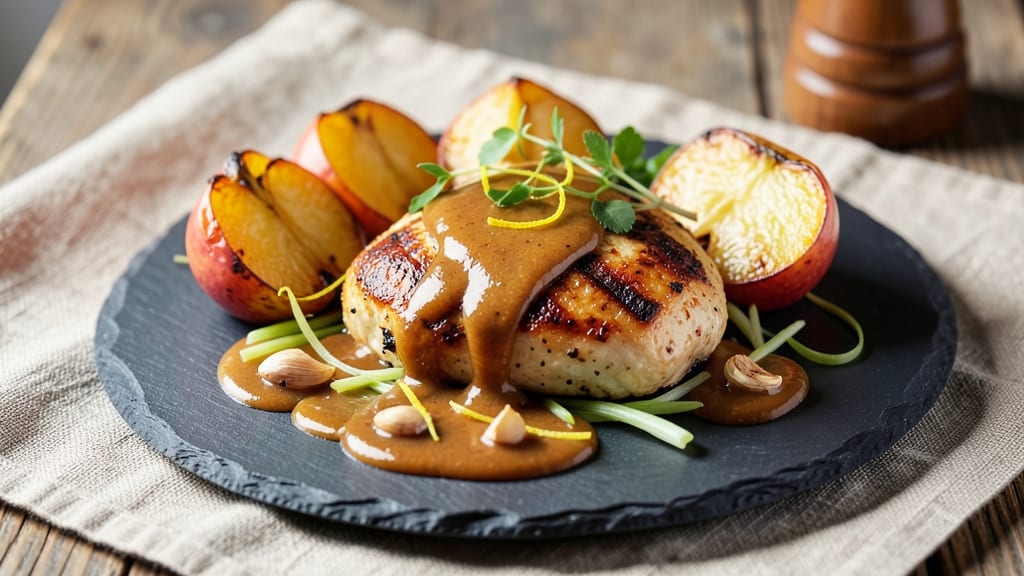
This roasted apple grille sauce recipe transforms grilling night into a symphony of crisp-celery crunch and spiced tartness—perfect for sealing in flavors on meats or adding depth to sandwiches. 🔥 I developed it after years of experimenting with fruit-based sauces that could stand up to high heat without burning, and this version delivers that perfect balance of sweetness, acidity, and texture.
The secret lies in roasting the apples until caramelized, then blending them with vinegar and spices for a sauce that's rich yet bright.
What sets this sauce apart is its versatility—it works as a marinade, glaze, or dipping sauce, and the crisp-celery addition adds a satisfying crunch that elevates every bite.
The recipe uses simple pantry staples like apples, celery, vinegar, and honey, but the slow-roasting process creates complex, caramelized flavors that make it taste anything but basic. It's a game-changer for anyone who's tired of store-bought sauces that fall flat under the grill.
By the time you finish making it, you'll have a sauce that's tangy, slightly sweet, and packed with aromatic spices—ideal for grilled chicken, pork chops, or even roasted vegetables.
The texture is smooth with just the right amount of body, and it keeps well in the fridge for up to a week, making it a go-to for quick weeknight meals. This isn't just another sauce; it's a flavor booster that turns ordinary dishes into something extraordinary.
Use it as a glaze for ribs, a dipping sauce for fries, or a spread for sandwiches—this sauce is the kind of versatile, crowd-pleasing recipe that belongs in your rotation year-round. Let's get started on making it!
Ingredients for roasted apple grille sauce
Nine simple ingredients create this tangy, caramelized sauce with crisp celery crunch.
| Ingredient | Amount | Notes |
|---|---|---|
| Granny Smith Apples 🍎 | 2 medium | Peeled, cored, sliced thin |
| Celery Stalk 🧅 | 1 whole | Trimmed, chopped fine |
| Apple Cider Vinegar 🍏 | ½ cup | Unfiltered for depth |
| Honey 🍯 | ¼ cup | Wildflower preferred |
| Garlic Cloves 🧄 | 3 cloves | Minced for aromatic punch |
| Fresh Ginger 🌿 | 1 tbsp | Grated, fresh only |
| Ground Cinnamon 🌶️ | ½ tsp | Toasted for warmth |
| Ground Cloves 🌶️ | ¼ tsp | Whole cloves crushed |
| Olive Oil 🫒 | ¼ cup | Extra-virgin for richness |
| Salt 🧂 | ½ tsp | Kosher or sea salt |
The apples are the star—Granny Smith holds up best to roasting without turning mushy. Grab a mix of organic and conventional if you're on a budget, but organic apples have tighter skins that crisp better. Celery adds that satisfying crunch, so pick firm stalks with no brown spots. I usually buy a bunch and use the rest in soups or salads. For the vinegar, apple cider vinegar gives the best flavor—skip the white or red wine vinegar. The honey should be liquid at room temperature—wildflower or clover adds floral notes that pair perfectly with the spices.
No Granny Smith? Fuji or Honeycrisp work too, but they soften faster. Short on celery? Fennel bulb adds a similar anise-like crunch. The ginger needs to be fresh—jarred ginger won't give the same zing. Want more heat? Add a pinch of cayenne or a dash of hot sauce. The spices are non-negotiable though—toast the cinnamon and cloves in a dry pan for 30 seconds before adding to the sauce. It deepens their flavor dramatically. For a smoother texture, strain the sauce through a fine-mesh sieve after blending.
This sauce reheats beautifully—just warm it gently on the stove with a splash of water. Keeps in the fridge for 1 week in an airtight jar, or 3 months frozen in ice cube trays. I always make extra because it disappears fast—great for brunch sandwiches or drizzled over grilled cheese. The roasted apples caramelize further when reheated, so leftovers often taste even better. For a quicker version, skip roasting and sauté the apples with a pinch of sugar for 5 minutes.
Why You'll Love This Recipe
- No Chopping Needed: I’ll be real—this sauce only needs one knife. Toss those Granny Smiths straight into the oven after a quick wash, and the celery gets a rough chop (three pieces max). That’s it. No peeling, no dicing, no mess.
- Sweet-Savory Magic: The roasted apples caramelize into something dangerously good—like apple pie meets BBQ, but better. That apple cider vinegar cuts through the honey just enough to make it bright, while the garlic? Oh, it’s the secret weapon.
- Weeknight & Potluck Star: Slather it on grilled chicken for dinner, toss it into a salad for lunch, or bring it to a picnic—it’s that versatile. Honestly, I’ve even drizzled it over yogurt for dessert (don’t judge). One batch stretches for days.
- Pantry Staple Power: You’re already using things you have: apples, honey, vinegar. No specialty ingredients, no last-minute grocery runs. And the leftovers? They keep for weeks in the fridge—perfect for when you’re too tired to cook.
Step-by-step instructions for roasted apple grille sauce
Here's how to make this tangy, spiced sauce that'll take your grilled dishes to the next level.
🔥 Step 1: Roast the Apples and Celery for Depth of Flavor
Preheat your oven to 400°F and line a baking sheet with parchment paper. Arrange the sliced Granny Smith apples in a single layer, leaving space between each slice. Sprinkle with 0.25 teaspoon ground cloves and 0.5 teaspoon salt—this gives them a warm, aromatic start. Toss the finely chopped celery stalk with 0.25 cup olive oil and spread it alongside the apples on the baking sheet.
Roast for 15-20 minutes until the apples soften slightly and the celery turns golden brown at the edges. You want them to caramelize just a bit—this builds the sauce's complex flavor. Stir the apples halfway through if needed. When they're ready, you'll see the edges starting to brown and smell that sweet, tangy aroma wafting from the oven. Let them cool completely before proceeding—this prevents the sauce from getting watery later.
🍳 Step 2: Build the Sauce Base with Vinegar and Honey
In a medium saucepan, combine the roasted apples and celery with the 0.5 cup apple cider vinegar and 0.25 cup honey. Bring to a gentle simmer over medium heat, stirring occasionally to help the flavors meld. You'll see the mixture bubble softly and the colors deepen as the vinegar cuts through the sweetness.
Let it cook for 5-7 minutes until the liquid reduces by about half and the sauce starts to thicken. You're looking for a syrupy consistency that coats the back of a spoon. If it reduces too quickly, add a splash of water—just enough to keep it from sticking. Taste as you go; this is where you can adjust the sweet-tart balance. If it needs more tang, add a bit more vinegar. If it's too sharp, stir in a touch more honey.
👨🍳 Step 3: Add Aromatics and Spices for Complexity
Lower the heat to low and stir in the 3 minced garlic cloves and 1 tablespoon grated fresh ginger. Let them cook for 2-3 minutes until fragrant but not browned—you want them to infuse the sauce without adding bitterness. Next, sprinkle in the 0.5 teaspoon ground cinnamon and stir gently to distribute evenly.
Here's the thing—don't rush this step. The spices need time to bloom and soften into the sauce. Let it simmer for another 3-4 minutes until everything comes together. You'll smell that warm, spiced apple scent filling your kitchen. If the sauce starts to thicken too much, add 1-2 tablespoons of water to loosen it. The final texture should be thick but pourable, with a glossy sheen that clings beautifully to grilled meats or veggies.
⏰ Step 4: Finish and Rest for Perfect Texture
Remove the sauce from heat and let it cool for 10 minutes. This resting period lets the flavors settle and the sauce thicken slightly as it cools. Once cooled, give it a final taste and adjust seasoning if needed—maybe a pinch more salt or a drizzle of honey to balance the flavors.
For the best results, transfer the sauce to a clean jar and refrigerate for at least 1 hour before using. This chilling step intensifies the flavors and makes the sauce even more vibrant. When you're ready to use it, give it a quick stir—it should be thick, glossy, and ready to elevate any grilled dish. The sauce keeps well in the fridge for up to 2 weeks, so make extra if you can!
Pro Tips For Making Roasted Apple Grille Sauce
- ROAST APPLES UNTIL TENDER: Don’t rush the roasting—aim for 20-25 minutes at 400°F (204°C) until they collapse like overripe fruit. The deeper the caramelization, the richer the sauce; I learned this after one batch tasted bland because I pulled them too soon.
- COARSELY GRATE THE CELERY: Skip the fine dice—grate the celery on the largest holes of a box grater. This keeps the texture chunky and prevents the sauce from turning into a mushy, vinegary glaze. (Yes, even if it looks lazy.)
- BALANCE THE VINEGAR: Start with 2 tablespoons of apple cider vinegar, then taste before adding more. Too much makes the sauce harsh; too little dulls the brightness. I now keep a small bowl of vinegar nearby to adjust as I go.
- SMASH THE GARLIC: Instead of mincing, smash the garlic cloves with the flat side of your knife first—this releases more flavor without burning. A quick 30-second sauté in the roasted apple pan is all it needs before adding the other ingredients.
Best sauces and condiments for this roasted apple grille sauce
Grilled Meat Glaze
Brush this sauce on grilled chicken, pork chops, or ribs during the last 5-7 minutes of cooking for a caramelized crust. The apple cider vinegar and honey create a sticky glaze that locks in moisture while adding a sweet-tart contrast to smoky flavors.
I like to apply it after the meat has seared—this sauce works especially well with pork shoulder or beef brisket for pulled pork sandwiches. 🔥
Sandwich Spread
Thin this sauce with 1-2 tablespoons of water and spread it on toasted sourdough or rye for an elevated grilled cheese. The celery crunch adds texture that cuts through the richness of melted cheese.
I love pairing it with sharp cheddar and prosciutto for a sweet-savory bite. For extra flair, sprinkle with crispy fried onions before serving.
Dipping Sauce
Serve this sauce chilled as a dip for fried chicken tenders, mozzarella sticks, or vegetable fries. The tartness balances fried foods perfectly, while the celery adds a refreshing crunch.
I often make a double batch to keep on hand for game day—it disappears fast! For a spicy kick, add 1 teaspoon of hot sauce or ½ teaspoon of cayenne when reheating.
Roasted Vegetable Drizzle
Drizzle this sauce over roasted carrots, brussels sprouts, or sweet potatoes after roasting. The warm spices complement earthy vegetables beautifully, while the honey adds a touch of sweetness.
Toss the veggies in 1 tablespoon of olive oil before roasting, then finish with the sauce for a cohesive flavor profile. 🌱
Breakfast Twist
Use this sauce as a topping for pancakes or French toast—the apple and cinnamon flavors make it taste like dessert. Warm the sauce gently and drizzle it over warm pancakes with a sprinkle of pecans for crunch.
It also works as a glaze for biscuits or waffles when served with breakfast meats like sausage or bacon.
Storage and Reheating
Store leftovers in an airtight glass jar in the fridge for up to 2 weeks. To reheat, warm in a saucepan over low heat with 1-2 tablespoons of water to restore its glossy texture.
For quick use, microwave in 30-second intervals, stirring between each, until heated through. The sauce thickens as it cools, so add a splash of water if it seems too stiff after reheating.
Nutrition facts
Frequently asked questions
Can I substitute honey with maple syrup in this sauce?
Yes, you can use maple syrup as a 1:1 substitute for honey, but the flavor profile will shift slightly. Maple adds a deeper, earthier sweetness that pairs well with the apple and spices. For best results, use a high-quality, dark maple syrup to maintain the sauce's complexity. The sauce will still caramelize beautifully, though the color may be slightly darker.
How do I prevent the sauce from becoming too watery?
Simmer the sauce longer to reduce the liquid, or add a cornstarch slurry (1 tsp cornstarch mixed with 1 tbsp cold water) at the end and cook for 1-2 minutes until thickened. Roasting the apples until they're tender but not mushy also helps—this prevents excess moisture. If it's still too thin, simmer uncovered for an extra 5 minutes.
What's the best way to use this sauce with seafood?
This sauce works beautifully with grilled shrimp or salmon! Drizzle it over the seafood during the last 2-3 minutes of cooking to create a caramelized glaze. The tartness of the apple cider vinegar cuts through the richness of seafood, while the honey adds a touch of sweetness. For extra brightness, add a splash of lemon juice at the end.
Can I make this sauce without an oven?
Sauté the sliced apples and chopped celery in a skillet with 1 tablespoon of olive oil over medium heat for 8-10 minutes until softened and slightly caramelized. This stovetop method works just as well and gives you the same depth of flavor. Just keep an eye on them to avoid burning.
Why does my sauce taste too sharp or bitter?
Over-roasting the apples or using too much vinegar can make the sauce taste sharp. Balance it by adding 1-2 teaspoons of honey or 1 teaspoon of sugar to sweeten it. If it's bitter, reduce the cooking time next batch or use a milder vinegar like apple cider instead of white vinegar. Taste as you go—this sauce is all about finding that perfect sweet-tart balance!