
Main Courses
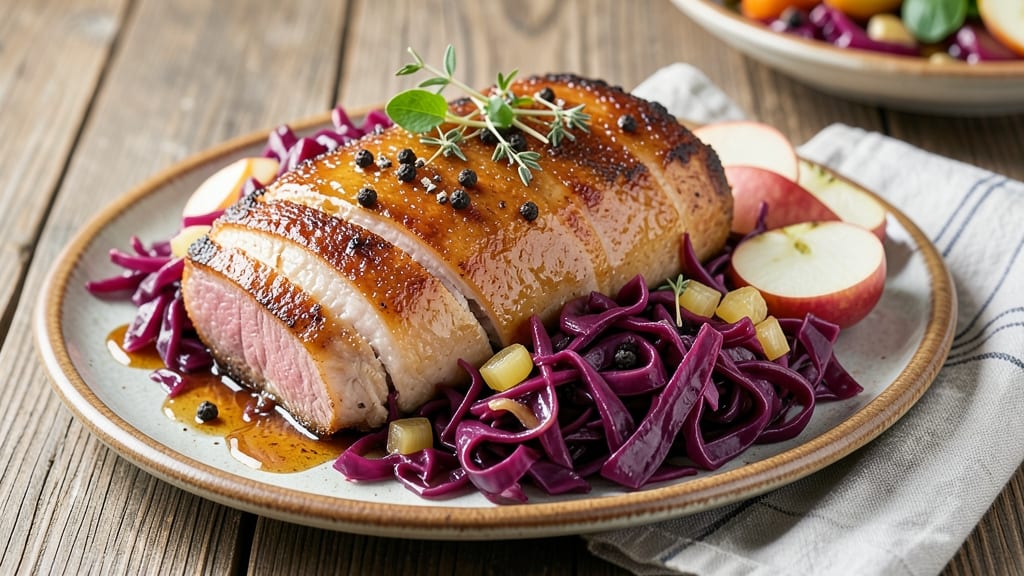
This pork with red cabbage and apples recipe brings together tender, slow-braised pork with the perfect balance of sweet-tart cabbage and caramelized apples—a dish that tastes like autumn in a skillet. 🍂 I developed this recipe after years of perfecting braised pork techniques, ensuring the meat stays juicy while the vegetables develop deep, complex flavors through gentle cooking.
The secret lies in layering spices and letting everything simmer until the cabbage softens and the apples meld into a sweet, jammy consistency.
What makes this dish special is how the flavors come together: the rich, savory pork absorbs the aromatic spices, while the cabbage and apples provide a bright, slightly tangy contrast.
We start by searing the pork for depth, then braise it low and slow with onions, garlic, and a splash of apple cider—this creates a deeply flavorful sauce that coats every bite.
The red cabbage gets tender yet retains a satisfying crunch, and the apples caramelize beautifully, adding natural sweetness that balances the dish perfectly.
By the time you serve this, you'll have a restaurant-quality meal that's hearty enough for a family dinner but elegant enough for company. The pork will be fork-tender, the cabbage perfectly softened, and the apples infused with warm spices—all coming together in a harmonious, one-pan wonder.
This is the kind of dish that gets better with leftovers, as the flavors deepen overnight. Ready to make it?
Whether you're cooking for a cozy weeknight or a special gathering, this recipe delivers comfort food at its finest—rich, satisfying, and full of autumnal warmth. The best part? It's a foolproof method that works every time, with minimal effort but maximum flavor. Let's get started!
Ingredients for pork with red cabbage and apple
Six ingredients transform into a cozy, restaurant-worthy autumnal feast—just one skillet needed.
| Ingredient | Amount | Notes |
|---|---|---|
| Pork Shoulder (Bone-In) 🥩 | 3 lb | Cut into 1.5-inch chunks, skin on |
| Red Cabbage 🧅 | 1 ½ lb | Thinly sliced, core removed |
| Apples 🍎 | 3 medium | Firm variety, peeled and sliced |
| Yellow Onions 🧅 | 2 large | Thinly sliced, about 3 cups |
| Garlic Cloves 🧄 | 6 cloves | Minced, about 2 tbsp |
| Apple Cider 🍏 | 1 cup | Or substitute with apple juice |
| Dry Red Wine 🍷 | 1 cup | Bold variety like Cabernet |
| Beef Broth 💧 | 2 cups | Low-sodium preferred |
| Brown Sugar 🍚 | ¼ cup | Packed, light brown preferred |
| Dijon Mustard 🍯 | 1 tbsp | For depth of flavor |
| Fresh Thyme 🌿 | 2 sprigs | Or 1 tsp dried thyme |
| Fresh Bay Leaves 🍃 | 2 whole | Removed before serving |
| Kosher Salt 🧂 | 1 ½ tsp | Diamond Crystal preferred |
| Freshly Ground Black Pepper 🌶️ | 1 tsp | Coarsely ground |
| Olive Oil 🫒 | 2 tbsp | Extra-virgin for searing |
The pork shoulder is where this dish shines—bone-in, skin-on cuts stay juicy and develop incredible flavor. Grab one from Costco or your local butcher—they'll cut it for you if you ask. Look for good marbling and avoid anything with grayish edges. The apples? Honeycrisp or Fuji hold up best to cooking, but Granny Smith adds a tangy kick. Red cabbage can be pre-shredded, but whole heads last longer in the fridge—just slice it yourself when ready. Thyme sprigs are non-negotiable for that earthy aroma, but dried works in a pinch at one-third the amount.
No red wine? Beef broth with a splash of balsamic works beautifully. Short on apples? Pear slices add a different dimension. The brown sugar caramelizes into a glossy glaze—light brown sugar has more molasses flavor than white. For extra depth, add a pinch of cinnamon or star anise. The cabbage should be tender-crisp when done—check at 45 minutes if you prefer it firmer. If your mustard is too strong, cut it with a teaspoon of apple cider to mellow the heat.
This dish tastes even better the next day—flavors meld overnight. Store in an airtight container in the fridge for 4-5 days, or freeze portions for up to 3 months. I always make a double batch—one for dinner, one for lunches. The pork stays tender when reheated gently with a splash of broth or water. For serving, garnish with fresh thyme leaves and a drizzle of the braising liquid—trust me, it's worth the extra minute.
Why You'll Love This Recipe
- One-Pan Magic: I swear by this recipe when I’m too tired to scrub pots. The pork, cabbage, and apples all cook together—no flipping pans, no fuss—just rich, caramelized flavors by the time the pork falls off the bone.
- Sweet-Savory Balance: That crisp-tender cabbage with juicy apples? It’s like autumn in a skillet. The onions and garlic deepen as they cook, turning the whole thing into something you’ll reach for when you crave comfort without heaviness.
- Leftovers That Shine: Honestly, I make double batches because the next-day pork is even better. Shred it into sandwiches, toss it into pasta, or just reheat it with a sprinkle of fresh herbs—it’s the kind of meal that gets better as it sits.
Step-by-step instructions for braised pork shoulder with red cabbage and apples
This slow-cooked masterpiece balances tender pork, crisp-tender cabbage, and sweet apples in a rich, spiced sauce.
🔥 Step 1: Sear the Pork Shoulder for Deep Flavor
Pat the 3 lb pork shoulder dry with paper towels—this is non-negotiable for crispy skin. Heat 2 tbsp olive oil in a large Dutch oven over medium-high heat until shimmering. Working in batches if needed, add the pork chunks and sear for 4-5 minutes per side until deeply browned and golden.
Don't crowd the pan—this ensures maximum surface contact for that coveted Maillard reaction. Once browned, transfer the pork to a plate. Here's the thing—those browned bits are pure flavor, so we'll scrape them up later when we deglaze. While the pork rests, keep the Dutch oven on the heat.
👨🍳 Step 2: Build the Sweet-Spiced Base
Add the 2 large yellow onions and 1.5 lb red cabbage to the Dutch oven, stirring to coat in the rendered pork fat. Cook for 5-6 minutes until the onions soften and the cabbage begins to wilt. Add the 3 medium apples (peeled and sliced) and cook another 3 minutes until they start to caramelize at the edges.
Stir in the 6 cloves minced garlic, 1 tbsp Dijon mustard, 0.25 cup packed brown sugar, 1.5 tsp kosher salt, and 1 tsp freshly ground black pepper. Let this mixture cook for 2 minutes until fragrant—this is where all the magic begins. The sugar will help caramelize the vegetables and balance the acidity from the wine and cider coming next.
🍳 Step 3: Deglaze and Simmer the Braising Liquid
Pour in the 1 cup dry red wine and scrape up every last browned bit from the bottom of the pan with a wooden spoon. Let it simmer for 3-4 minutes until reduced by half. Add the 1 cup apple cider and 2 cups beef broth, along with the 2 sprigs fresh thyme and 2 whole fresh bay leaves. Bring to a gentle boil, then reduce heat to low—we're aiming for a simmer, not a rolling boil.
Return the pork to the Dutch oven, along with any accumulated juices. The liquid should come about halfway up the pork chunks. Cover tightly with a lid and transfer to a 350°F oven. This is where patience pays off—braising at this temperature ensures tender, fall-apart pork without drying it out.
⏰ Step 4: Braise Until Fork-Tender
Let the pork braise for 2.5 to 3 hours, until the meat is fork-tender and pulls apart easily. About 45 minutes before it's done, check the liquid level—if it's reduced too much, add ½ cup water to keep everything moist. The cabbage should be tender but still hold its shape, and the apples should be soft with a hint of jammy sweetness.
Here's a pro tip: If you're short on time, you can increase the oven temperature to 375°F for the last 30 minutes to help thicken the sauce. Just keep an eye on it—you don't want the cabbage to turn mushy. The pork is done when it reaches an internal temperature of 203°F at its thickest part.
🥘 Step 5: Finish and Serve with Crispy Edges
Once the pork is tender, carefully remove it from the Dutch oven and transfer to a cutting board. Tent loosely with foil and let it rest for 15 minutes—this resting period is crucial for juicy slices. Skim any excess fat from the braising liquid, then adjust the seasoning if needed.
Slice the pork into ½-inch thick pieces against the grain for maximum tenderness. Return the sliced pork to the Dutch oven and stir gently to coat in the sauce. Serve immediately over mashed potatoes or crusty bread, with extra braising sauce spooned on top. The contrast of tender pork, crisp-tender cabbage, and sweet apples makes this dish unforgettable.
Pro Tips For Making Pork With Red Cabbage And Apple
- CRISP THE SKIN FIRST: The pork shoulder’s skin is your shortcut to flavor—sear it skin-side down in a cold pan for 8–10 minutes until it’s deep golden and crackling before adding liquid. I used to skip this, and the meat always tasted duller, no matter how long I braised it. (Yes, even if you’re impatient like me.)
- SHRED THE CABBAGE THIN: Slice the red cabbage paper-thin—about 1/8-inch or less—so it cooks down evenly without turning mushy. I learned this the hard way after serving a batch where the cabbage was still crunchy in the middle. A sharp knife and steady hand make this faster than you’d think.
- DON’T SKIP THE APPLE PEEL: Leave the skin on the apples—it adds texture and depth of flavor that peeled fruit can’t match. I was skeptical until I tried it: the peel holds up during cooking and gives the dish a subtle earthiness that balances the sweetness. (Your future self will notice.)
- SAVE THE BRAISING LIQUID: Deglaze the pan with the pork drippings after searing, then use that rich, meaty liquid as your base for the braise instead of water or broth. It’s the thing that matters most for making the sauce taste like it simmered all day—not just a quick weeknight hack. (Does it look weird? Yes. Does it work? Every single time.)
Make-ahead tips for leftovers
Prep Ahead Strategy
I always start by prepping the pork shoulder and red cabbage the night before—this saves 45 minutes of active time on cooking day. Pat the pork dry and season it with 1 tsp salt and ½ tsp pepper, then refrigerate uncovered on a plate for 12 hours.
This dry-brining step ensures maximum crispiness when searing. For the cabbage, remove the core and thinly slice it—store in an airtight container with a damp paper towel to keep it crisp. 🍎
Vegetable Prep Timeline
The apples and onions can be prepped 2 days ahead—peel and slice the apples, then store them in a bowl of cold water with 1 tsp lemon juice to prevent browning. Thinly slice the onions and store them in a sealed container.
When ready to cook, simply drain and pat dry. I find this method keeps the apples vibrant and the onions from wilting. The garlic can be minced ahead too—just store it in a small container in the fridge.
Braising Liquid Prep
Make the braising liquid components 1 day ahead by combining the red wine, apple cider, beef broth, and spices in a bottle or jar. This lets the flavors meld beautifully—just shake it gently before using. Store it in the fridge until ready to deglaze.
I also like to make a quick spice blend of 1 tsp thyme, 1 bay leaf, ½ tsp cinnamon, and ¼ tsp cloves—this adds depth without extra steps during cooking. 🌿
Slow Cooker Adaptation
For a hands-off approach, transfer the seared pork and all prepped vegetables to a 6-quart slow cooker with the braising liquid. Cook on LOW for 8 hours or HIGH for 5 hours, adding ½ cup water if needed. The slow cooker keeps everything moist while you're busy with other tasks—perfect for weeknight dinners. Just
This dish tastes even better the next day, so I always make a double batch. Store leftovers in an airtight container in the fridge for 4-5 days or freeze portions for 3 months. To reheat, warm gently in a skillet with a splash of beef broth or apple cider—this prevents drying out. For a quick lunch, serve over mashed potatoes or with crusty bread to soak up the sauce. The flavors deepen overnight, making it ideal for meal prep. 🥣 Don't have a Dutch oven? A heavy-bottomed pot or even a large oven-safe skillet works—just monitor the heat closely. If you're short on time, use a Make-Ahead Serving Suggestions
Equipment Shortcuts
For the cabbage, I sometimes microwave it for 5 minutes** before adding it to the pot to jumpstart the cooking process. Every little shortcut adds up when you're juggling a busy schedule. ⏰
Nutrition facts
Frequently asked questions
Can I substitute pork shoulder with another cut?
Yes, but choose wisely! For best results, use pork loin (cut into chunks) or pork neck bones—both stay tender when braised. Avoid lean cuts like tenderloin, as they dry out. If using pork chops, reduce braising time to 1.5 hours and keep the liquid level high to prevent drying.
How do I adjust the recipe for fewer/more servings?
This recipe scales beautifully! For 4 servings, reduce all ingredients by 2/3. For 8 servings, increase to 4 lb pork, 2 lb cabbage, and 4 apples. Keep the Dutch oven size in mind—crowding affects browning. Adjust braising time by 30 minutes per pound of pork.
What if I don't have red wine?
No problem! Use 1 cup beef broth + 1 tbsp balsamic vinegar for depth, or 1 cup apple cider + 1 tsp soy sauce for umami. For extra richness, add 1 tbsp tomato paste when deglazing. The dish will still be delicious—just slightly less complex.
Can I make this in a slow cooker?
Sear the pork first, then transfer everything to a 6-quart slow cooker with the braising liquid. Cook on LOW for 8 hours or HIGH for 5 hours. Add ½ cup water if needed to keep the cabbage moist. The slow cooker version is perfect for hands-off weeknight cooking.
Why did my cabbage turn mushy?
Overcooking is usually the culprit! Red cabbage should be tender but still hold its shape. Check it at 45 minutes—if it's too soft, remove it early and keep warm separately. For firmer texture, reduce braising time by 15-20 minutes. Also ensure your Dutch oven has enough liquid to prevent drying.