
Main Courses
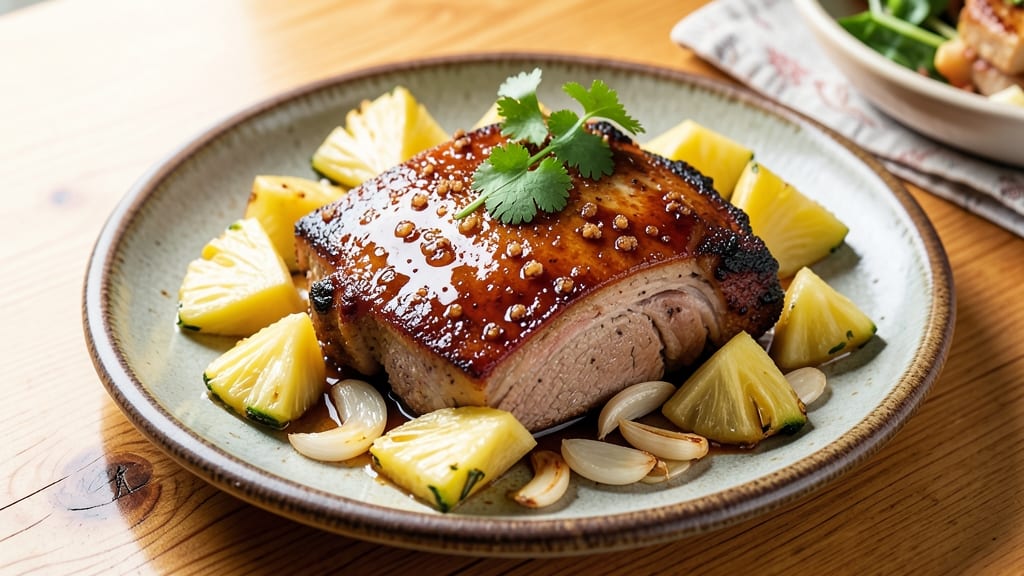
This Filipino-style pork with pineapple recipe transforms humble ingredients into a bold, sweet-savory masterpiece that tastes like home. 🌟 The magic happens when tender pork shoulder simmers with tangy adobo flavors and juicy pineapple chunks, creating a dish that balances heat, sweetness, and umami in every bite.
I first tasted this dish at my college friend's family gatherings in Manila, where it was always the centerpiece—now I recreate it in my Portland kitchen with the same care.
The secret lies in the marinade: a perfect blend of soy sauce, vinegar, garlic, and spices that tenderizes the meat while building layers of flavor. Unlike other fusion dishes, this recipe keeps the cooking simple—just one pan, minimal prep, and 30 minutes of hands-off time.
The pineapple doesn't just add sweetness; it caramelizes beautifully during cooking, creating pockets of sticky, golden glaze that make this dish irresistible.
What you'll end up with is restaurant-quality Filipino comfort food that's rich enough for company but simple enough for weeknight dinners. The pork becomes fork-tender, the sauce thickens into a glossy glaze, and the pineapple adds just the right amount of brightness.
Serve it over steamed rice to soak up every last bit of that delicious sauce—it's the kind of meal that disappears faster than you can say "lechon kawali."
This recipe works equally well for meal prep or last-minute gatherings. The flavors actually improve as the dish sits, making it perfect for making ahead. Pair it with a simple green salad or steamed vegetables to balance the richness.
Let's get cooking—your taste buds are about to go on a Filipino adventure.
Ingredients for pork with pineapple recipe filipino style
Sweet, tangy, and packed with umami—these ingredients turn simple pork into Filipino comfort food magic.
| Ingredient | Amount | Notes |
|---|---|---|
| Boneless Pork Shoulder 🥩 | 1 ½ lb | Cut into 1-inch cubes |
| Fresh Pineapple Chunks 🍍 | 1 cup | Fresh or canned in juice |
| Soy Sauce 🥄 | ½ cup | High-quality, like Kikkoman |
| White Vinegar 💧 | ¼ cup | For tangy depth |
| Garlic Cloves 🧄 | 6 cloves | Minced, fresh preferred |
| Brown Sugar 🍚 | ¼ cup | Light or dark variety |
| Ground Black Pepper 🌶️ | 1 tsp | Freshly ground for best flavor |
| Ground Cinnamon 🌿 | ½ tsp | For warmth |
| Olive Oil 🫒 | 2 tbsp | For searing |
| Green Onions 🧅 | ¼ cup | Sliced, for garnish |
| Salt 🧂 | 1 ½ tsp | Adjust to taste |
| Water 💧 | ¼ cup | For deglazing |
The pork shoulder is your secret weapon here—it stays tender and juicy even after simmering. Look for well-marbled cuts at the meat counter, and ask for it pre-cut if you're short on time. Filipino markets or Asian grocery stores often have the best selection, but the regular supermarket works too. I always grab extra because it freezes beautifully. For the pineapple, fresh is ideal (those juicy chunks caramelize best), but canned in juice saves time—just drain well before adding. The soy sauce should be the good stuff; Kikkoman or Silver Swan are my go-tos, but any high-quality brand works.
No fresh garlic? Garlic powder at half the amount gets you close, though fresh is definitely better. Running low on brown sugar? White sugar plus 1/4 tsp cinnamon mimics the flavor. The vinegar can be swapped for rice vinegar or apple cider vinegar—just add a pinch more sugar to balance. If you're making this ahead, double the soy sauce and reduce the water by half for a thicker sauce later. The green onions? Fresh if you've got them, dried if you don't—just use a quarter of the amount. And trust me, the cinnamon is non-negotiable—it's what gives this dish that authentic Filipino warmth.
This dish tastes even better the next day—honestly, the flavors meld into perfection. Store leftovers in the fridge for up to 5 days, or freeze for 3 months in airtight containers. I like to portion it into meal prep containers so I can grab it straight from the freezer for quick weeknight dinners. The sauce thickens as it cools, so if it's too thick after reheating, just add a splash of water or pineapple juice. Garnish with those crisp green onions right before serving—they add a fresh pop that cuts through all the richness.
Why You'll Love This Recipe
- One-Pan Simplicity: I swear by this recipe when I’m too tired to wash extra dishes—just toss the pork, pineapple, and garlic in one pan, let the vinegar cut through the fat, and walk away. The soy sauce caramelizes right there, turning sticky and sweet without any fuss.
- Sweet-Savory Magic: That first bite? The pork gets tender while the pineapple stays juicy, and the garlic-vinegar punch makes it taste like a hug from a Filipino lola. It’s the kind of dish where you realize you’ve been missing out on pure comfort.
- Weeknight to Party: Between us, this feeds a crowd but still feels like a weeknight win. Serve it over rice for a quick meal, or pile it on skewers for a picnic—no one will guess it took less than 45 minutes. (Yes, even on a Tuesday night.)
- Budget-Friendly Leftovers: Pork shoulder stretches forever, and pineapple adds brightness without breaking the bank. I make double batches because reheated, it’s just as good—crispy edges, tender meat, and that tangy kick that makes it taste fresh.
Step-by-step instructions for Filipino-style pork with pineapple
This one-pan wonder blends sweet, savory, and tangy flavors—easy to make but packed with restaurant-quality taste.
🔥 Step 1: Sear the Pork for Maximum Flavor
Heat the 2 tablespoons olive oil in a large skillet or Dutch oven over medium-high heat until shimmering. Add the 1.5 lb boneless pork shoulder cut into 1-inch cubes, arranging them in a single layer without overcrowding. Let them sear undisturbed for 3-4 minutes until golden brown on one side.
Flip the pork and cook another 3-4 minutes until deeply browned all over. This step is crucial—it builds deep, caramelized flavor that cuts through the sweetness later. If the pan gets too crowded, work in batches to avoid steaming the meat instead of searing it.
🍳 Step 2: Build the Sweet-Savory Sauce Base
Remove the seared pork and set it aside. In the same skillet, reduce heat to medium and add the 6 minced garlic cloves. Cook for 30 seconds until fragrant—don't let it brown or it'll turn bitter. Add the 0.25 cup brown sugar and stir for 1 minute until it melts slightly and becomes aromatic.
Pour in the 0.5 cup soy sauce and 0.25 cup white vinegar, scraping up any browned bits from the bottom of the pan. These bits are pure flavor—don't miss this step! Add the 1 cup fresh pineapple chunks and 0.25 cup water, then stir to combine. The mixture should look glossy and slightly syrupy.
🥘 Step 3: Simmer the Pork Until Tender
Return the pork to the skillet and bring everything to a gentle simmer over medium-low heat. Sprinkle with the 1.5 teaspoons salt, 1 teaspoon ground black pepper, and 0.5 teaspoon ground cinnamon. Partially cover the skillet and let it cook for 45-50 minutes, stirring occasionally, until the pork is fork-tender.
Here's the thing—Filipino adobo-style cooking is all about patience. The pork should pull apart easily with two forks, and the sauce should thicken into a glossy, slightly sticky consistency. If it reduces too quickly, add 1-2 tablespoons water to maintain moisture. The pineapple should soften but still hold its shape slightly.
⏰ Step 4: Finish and Garnish for Perfect Balance
Once the pork is tender, increase heat to medium-high and let the sauce reduce for another 5-7 minutes until it coats the back of a spoon. Taste and adjust seasoning—you might want to add a pinch more salt or a splash of vinegar for brightness. The sauce should be sweet, tangy, and savory all at once.
Turn off the heat and stir in the 0.25 cup sliced green onions. Let the dish sit for 5 minutes to allow flavors to meld. Serve immediately over steamed rice, letting everyone scoop up the pork and pineapple with the delicious sauce. The green onions add a fresh contrast to the rich, sweet-savory flavors.
Pro Tips For Making Pork With Pineapple Recipe Filipino Style
- Sear the Pork First: Before tossing it in the sauce, hit the pork shoulder with a quick sear—medium-high heat, 3-4 minutes per side—until it’s golden. I learned this the hard way: skipping this step means the sauce will cling like glue instead of caramelizing into a glossy crust. (Yes, even if you’re impatient like me.)
- Use Vinegar Sparingly: That white vinegar cuts through the sweetness, but too much turns your dish into a tangy punch. Start with 2 tablespoons, taste as you go, and add more only if the pineapple’s natural acidity isn’t enough. My grandmother swore by this, and she was right: balance is everything.
- Don’t Overcrowd the Pan: If you’re braising or simmering, give the pork and pineapple space to sizzle—not a crowded, steaming mess. Too many chunks? Work in batches. I used to rush this and ended up with soggy pork and undercooked edges. (Your future self will thank you.)
- Char the Garlic: Mince the garlic after frying it in oil until it’s fragrant and just turning golden—about 30 seconds. Raw garlic? It’ll linger like a bitter aftertaste. Sounds weird, but it works: the depth of flavor changes the whole dish. (And yes, this isn’t the prettiest method, but it’s the tastiest.)
Pro cooking tips for this recipe
Sear Like a Pro
Don’t skip the searing—this is where the magic happens! Use a large skillet or Dutch oven (I love my Lodge cast iron) and heat the olive oil until it shimmers. Arrange the pork cubes in a single layer so they brown properly, not steam.
Let them cook undisturbed for 3-4 minutes per side—this builds deep, caramelized flavor that makes the dish sing. If your pan is too small, work in batches to avoid crowding. 🔥
Garlic Timing Matters
Fresh garlic is non-negotiable here, but timing is everything. Sauté the 6 minced cloves for just 30 seconds over medium heat—any longer and they’ll turn bitter. The goal is to release their aroma, not burn them.
After adding the sugar, stir constantly for 1 minute until it melts and becomes fragrant. This step forms the flavor base for the entire dish. 🧄
Deglaze for Depth
Never ignore those browned bits at the bottom of your pan—they’re packed with flavor! After removing the pork, pour in the soy sauce and vinegar while scraping up every last bit with a wooden spoon. This technique, called deglazing, lifts all the caramelized goodness into your sauce.
Add the pineapple and water next, then return the pork to the pan. Every spoonful of sauce will be richer because of this step. 🥄
Patience Pays Off
Filipino cooking is all about slow, gentle simmering. After adding the spices, cover the pan partially and let it cook on medium-low heat for 45-50 minutes. The pork should become fork-tender, and the sauce should thicken into a glossy glaze.
If it reduces too quickly, add 1-2 tablespoons water to keep it moist. Trust the process—rushing leads to dry meat and thin sauce. ⏳
Balance the Flavors
Before serving, taste and adjust the seasoning. Need more tang? Add a splash of vinegar. Too sweet? A pinch of salt or a squeeze of lemon juice helps. The sauce should hit all three notes: sweet (pineapple/brown sugar), savory (soy sauce), and tangy (vinegar).
Stir in the green onions at the end—they add a fresh, crisp contrast to the rich pork. 🌿
Make-Ahead Magic
This dish tastes even better the next day! Let it cool completely, then store in an airtight container in the fridge for up to 5 days or freeze for 3 months. Reheat gently on the stovetop with a splash of water or pineapple juice to restore moisture.
The flavors meld beautifully overnight, making it perfect for meal prep. Grab a portion straight from the freezer for a quick weeknight dinner. ❄️
Nutrition facts
Frequently asked questions
Can I use pork tenderloin instead of pork shoulder?
Yes, but with adjustments! Pork tenderloin cooks much faster than shoulder, so cut it into 1-inch cubes and reduce the simmering time to 20-25 minutes—it's ready when internal temp reaches 145°F. The texture will be more delicate but still delicious. Just watch it closely to avoid overcooking.
How do I make this dish spicier?
Add 1/2 teaspoon ground black pepper or 1/4 teaspoon cayenne pepper during the simmering stage. For heat lovers, try 1 tablespoon chopped chili peppers with the garlic. The pineapple's natural sweetness balances the spice beautifully—just don't overdo it or the sauce may become too sharp.
What's the best way to store leftovers?
Let the dish cool completely, then store in an airtight container in the fridge for up to 5 days or freeze for 3 months. To reheat, warm gently on the stovetop with 1-2 tablespoons water or pineapple juice to restore moisture. The flavors actually improve overnight!
Can I substitute canned pineapple?
Use 1 cup canned pineapple chunks in juice, drained well. For extra flavor, add 1/2 teaspoon cinnamon to the sauce. Fresh pineapple caramelizes better, but canned works perfectly when you're short on time. Just don't use syrup-packed pineapple—the extra sugar will make the dish too sweet.
Why does my sauce turn out too thin?
This usually happens when the pork releases too much liquid. After simmering, uncover the pan and cook on medium-high heat for 5-10 extra minutes to reduce the sauce. If it's still too thin, mix 1 teaspoon cornstarch with 1 tablespoon water, stir into the sauce, and simmer until thickened. The sauce should coat the back of a spoon.