
Main Courses
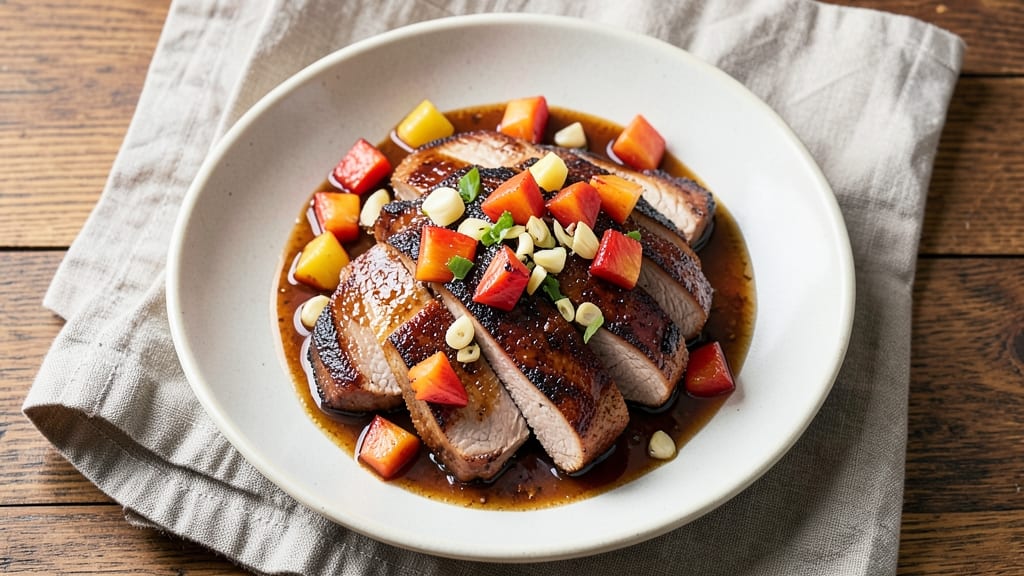
This pork recipe with pineapple tidbits transforms a simple weeknight dinner into a restaurant-worthy feast. The secret lies in balancing tender pork with caramelized pineapple chunks that add bursts of sweetness with every bite.
After years of experimenting with marinades and cooking methods, I've perfected a technique that ensures juicy meat and perfectly glazed fruit every time.
The process begins with a simple yet flavorful marinade that tenderizes the pork while infusing it with savory notes. You'll sear the pork to lock in juices, then slow-cook it until fork-tender.
Meanwhile, fresh pineapple tidbits caramelize beautifully in the same pan, creating a sticky-sweet glaze that coats the meat. This method delivers restaurant-quality results without requiring advanced skills or expensive equipment.
What you'll end up with is succulent pork slices that practically melt in your mouth, each bite punctuated by tender pineapple chunks with caramelized edges. The sauce that forms in the pan is rich, slightly tangy, and perfectly balanced between sweet and savory.
This dish pairs beautifully with steamed jasmine rice or a simple green salad to complete the meal.
The best part about this recipe is its versatility—serve it for a casual family dinner or impress guests at your next gathering. The technique works equally well with pork chops, tenderloin, or even pork belly for a more indulgent version. Let's get started on creating this perfect fusion of flavors!
Ingredients for pork recipe with pineapple tidbits
Balancing sweet caramelized pineapple with tender pork requires just these fourteen ingredients.
| Ingredient | Amount | Notes |
|---|---|---|
| Boneless Pork Loin 🐖 | 1 ½ lb | Cut into 1-inch thick slices |
| Fresh Pineapple 🍍 | 1 cup | Cut into 1-inch tidbits, fresh preferred |
| Soy Sauce 🍶 | ⅓ cup | Low-sodium preferred for balance |
| Brown Sugar 🍚 | ¼ cup | Packed firmly for consistency |
| Honey 🍯 | 2 tbsp | Wildflower for floral notes |
| Garlic Cloves 🧄 | 4 cloves | Minced finely for infusion |
| Fresh Ginger 🌿 | 1 tbsp | Grated finely, not powdered |
| Vegetable Oil 🫒 | 2 tbsp | High smoke point for searing |
| Sesame Oil 🥜 | 1 tbsp | Toasted for aroma, added last |
| Cornstarch 🌾 | 1 tbsp | For thickening glaze |
| Diamond Crystal Kosher Salt 🧂 | 1 tsp | Fine grain for even seasoning |
| Freshly Ground Black Pepper 🌶️ | ½ tsp | Cracked peppercorns preferred |
| Jasmine Rice 🍚 | 1 cup | Uncooked, for serving |
| Green Onions 🧅 | 3 whole | Sliced thin for garnish |
The pork loin is your foundation—look for cuts with good marbling to ensure juiciness. Costco or Whole Foods carry premium options, but any well-marbled loin works. Avoid lean cuts that dry out during slow cooking. For pineapple, fresh is non-negotiable—canned versions lack the caramelization potential. If you can't find fresh, Trader Joe's carries vacuum-sealed pineapple chunks that work in a pinch, though texture differs. The soy sauce should be low-sodium to prevent overpowering the natural sweetness of the pineapple and pork.
No fresh ginger? Powdered works at half the amount, though it lacks the bright zing of fresh. Substitute honey with maple syrup if needed—it adds depth but alters the flavor profile slightly. For a deeper caramelization, brown sugar can be swapped for turbinado sugar, though it won't dissolve as smoothly. The sesame oil is critical for aroma, but if unavailable, toasted peanut oil offers a similar nutty note. Cornstarch is essential for thickening the glaze—arrowroot powder is a 1:1 substitute if you're out. For the rice, jasmine rice is ideal, but basmati or long-grain white will suffice.
Pork marinade keeps 2-3 days in the fridge, but the pineapple should be prepped no more than 2 hours ahead to prevent browning. Store rice uncooked in an airtight container for up to 6 months. The cooked pork reheats beautifully—microwave 1-2 minutes or oven at 325°F for 10 minutes to restore juiciness. For meal prep, portion the rice and pork separately; reheat components separately to avoid sogginess. The glaze thickens as it cools, so reheat gently if it becomes too stiff.
Why You'll Love This Recipe
- One-Pan Magic: I swear by this—just sear the pork, toss in pineapple chunks, and let the soy, honey, and brown sugar glaze do the work. No chopping boards to wash, no extra pots to scrub.
- Sweet-Savory Crave: That caramelized honey glaze? It’s like a hug for your taste buds. The pineapple’s tang cuts through the richness, and the brown sugar adds this deep, molasses-like richness that makes it impossible to stop at one serving.
- Leftover Luxury: Between us, this dish tastes better the next day. The pork stays tender, the pineapple soaks up all the sticky glaze, and reheating it is just microwaving or a quick pan warm-up—no sad, dry meat here.
- Budget Date Night: I’ve served this to friends who think they’re “above” easy meals, and they always ask for the recipe. It’s cheap enough for weeknights but fancy enough for when you want to impress—no takeout delivery fees, either.
Step-by-step instructions for caramelized pork with pineapple tidbits
Transform tender pork loin into a restaurant-worthy dish with a glossy glaze and sweet pineapple tidbits.
Prepare the Pork and Marinade
Slice the 1.5 lb boneless pork loin into 1-inch thick slices and pat them dry with paper towels. In a mixing bowl, combine 0.33 cup soy sauce, 0.25 cup packed brown sugar, 2 tbsp honey, 4 minced garlic cloves, and 1 tbsp finely grated fresh ginger. Stir until the brown sugar dissolves completely, creating a syrupy marinade.
Place the pork slices in a shallow dish and pour the marinade over them, ensuring each piece is fully coated. Let the pork marinate for at least 30 minutes (up to 2 hours for deeper flavor). The marinade should penetrate the meat, ensuring each bite is infused with sweet and savory notes. Cover and refrigerate while you prepare the pineapple tidbits.
Sear the Pork for Maximum Juiciness
Heat 2 tbsp vegetable oil in a large skillet over medium-high heat until shimmering. Remove the pork from the marinade (reserve the marinade) and shake off any excess. Add the pork slices to the skillet in a single layer, being careful not to overcrowd. Sear for 3-4 minutes per side until the pork develops a deep golden-brown crust and reaches an internal temperature of 145°F.
Remove the pork from the skillet and set it aside on a plate. The crust you’ve created will lock in moisture, ensuring the pork stays juicy. If the marinade in the skillet has reduced significantly, add 1-2 tablespoons of water to deglaze and scrape up any browned bits from the bottom of the pan.
Caramelize the Pineapple and Thicken the Glaze
Add the 1 cup fresh pineapple tidbits to the same skillet and cook over medium heat for 3-4 minutes, stirring occasionally, until the pineapple begins to soften and release its juices. In a small bowl, whisk together 1 tbsp cornstarch with 1 tablespoon of water to create a slurry. Slowly pour the slurry into the skillet while stirring continuously.
Return the pork slices to the skillet, along with any reserved marinade. Bring the mixture to a gentle simmer and cook for 2-3 minutes until the glaze thickens to a glossy consistency. The sauce should coat the back of a spoon, indicating it’s ready. If the glaze is too thin, simmer for an additional 30 seconds to reduce further.
Finish with Sesame Oil and Garnish
Remove the skillet from heat and stir in 1 tbsp toasted sesame oil, allowing its nutty aroma to infuse into the dish. Taste and adjust seasoning with 1 tsp Diamond Crystal kosher salt and 0.5 tsp freshly ground black pepper if needed. The glaze should balance sweetness with a touch of savory depth.
Transfer the pork and pineapple to a serving platter, drizzling any remaining glaze over the top. Garnish with 3 sliced green onions for a fresh, vibrant finish. Serve immediately over 1 cup cooked jasmine rice to soak up the delicious caramelized sauce.
Pro Tips For Making Pork Recipe With Pineapple Tidbits
- Slice Pork Thin, Evenly: Fresh pineapple needs tender pork that cooks fast—cut your loin into ½-inch slices (no thicker or they’ll turn rubbery). Use a sharp knife and slice against the grain for that melt-in-your-mouth texture.
- Prep Pineapple Right: Peel, core, and dice the pineapple into ¼-inch cubes—smaller pieces caramelize faster and soak up the sauce better. Pat them dry first; wet fruit steams instead of browning.
- Start with High Heat: Sear the pork in a hot pan for 2 minutes per side before adding sauce—this locks in juices and builds flavor. If your pan isn’t smoking, it’s not hot enough.
- Balance Sweet and Salty: Taste your sauce before serving: if the honey and brown sugar dominate, add a splash of soy sauce; if it’s too salty, drizzle in extra honey. The ratio should feel like a sweet-savory hug.
Storing and reheating this pork recipe with pineapple tidbits
Refrigerator Storage
Let your pork and pineapple tidbits cool completely before storing in an airtight container—I like using glass Pyrex with snap-on lids. Store in the fridge for up to 3 days, but I recommend eating within 2 days for best texture.
The caramelized glaze thickens as it cools, so reheating gently restores its glossy consistency. 💫
Freezer Prep Tips
For longer storage, portion the pork and pineapple separately in freezer-safe bags or containers. Lay them flat to freeze quickly, preventing ice crystals. Label with the date—this dish keeps for up to 3 months without losing flavor. Thaw overnight in the fridge before reheating for even cooking. 🥶
Reheating Pork
My favorite method is stovetop: heat pork in a skillet over medium-low heat with 1 tbsp water or reserved glaze for 5-7 minutes until reaching 165°F.
For microwave reheating, cover with a damp paper towel and heat in 1-minute intervals until steaming. Never microwave uncovered—the glaze dries out instantly. 🔥
Reviving Pineapple
Pineapple reheats best in the same pan as the pork. Add 1 tsp water to the skillet and warm over medium heat for 2-3 minutes, stirring occasionally. The residual caramelized sugars will restore its sweetness. If using frozen pineapple, thaw completely first to avoid uneven cooking. 🍍
Rice Handling
Store cooked jasmine rice separately in an airtight container for up to 4 days in the fridge. Reheat rice in a separate pot with 1 tbsp water over medium heat for 3-4 minutes, stirring gently. Never reheat rice with the pork—it absorbs moisture and turns mushy. ❄️
Glaze Refresh
If the glaze thickens too much after storage, thin it with 1 tsp water while reheating. For extra richness, stir in ½ tsp honey or 1 tsp soy sauce to restore balance. The key is low-and-slow reheating—high heat burns the caramelized edges. Trust me, patience pays off here! 💡
Nutrition facts
Frequently asked questions
Can I use canned pineapple instead of fresh?
Fresh pineapple gives the best caramelized texture and natural sweetness, but you can use canned pineapple chunks in a pinch. Drain them thoroughly and pat dry to prevent excess moisture from steaming the pork. For extra flavor, add ½ teaspoon cinnamon or ¼ teaspoon nutmeg to the marinade to compensate for the lack of fresh pineapple's brightness.
What's the best way to cut pork loin into even slices?
Use a sharp chef's knife and slice perpendicular to the muscle fibers for even thickness. For 1-inch slices, freeze the pork for 15-20 minutes first—this makes cutting easier and ensures uniform thickness. If your slices vary, adjust cooking time by 30 seconds per side for thicker pieces.
How do I prevent the pineapple from burning while caramelizing?
Keep the heat at medium (not high) and stir frequently to distribute heat evenly. If the pineapple starts to brown too quickly, reduce heat to low-medium and cover the pan with a lid for 1 minute to steam slightly. The goal is tender pineapple with just a hint of caramelization, not charred edges.
Can I make this recipe in a slow cooker?
Yes! Brown the pork first in a skillet, then transfer everything (pork, pineapple, and marinade) to the slow cooker. Cook on low for 4-5 hours or high for 2-3 hours until pork reaches 145°F. The glaze will thicken naturally—if it's too thin, remove the lid and cook for 10-15 minutes on high to reduce.
Why did my pork turn out dry?
Overcooking is the most common cause—pork should reach 145°F internally, not higher. Always use a meat thermometer! If your pork was lean, slice it thinner (½-inch) and cook faster. For extra juiciness, brush the pork with 1 tablespoon of reserved glaze during the last 2 minutes of cooking.