
Main Courses
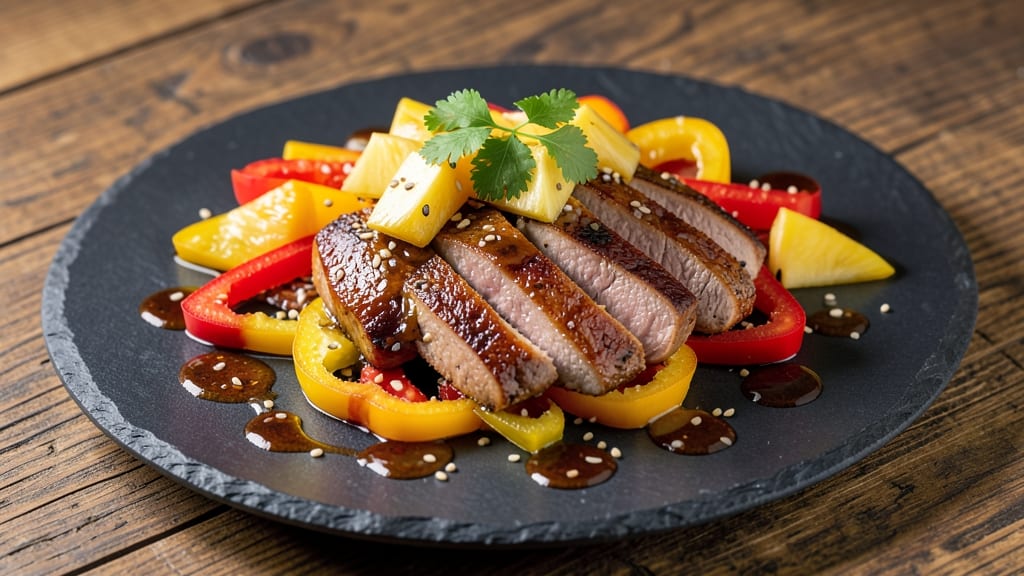
This pork pineapple peppers recipe delivers a perfect balance of sweet, tart, and savory flavors with crispy edges that make every bite irresistible. 🌟 After years of perfecting this dish at The Smoky Pig, I've developed a glaze that caramelizes beautifully while keeping the pork juicy and tender.
The combination of pineapple's natural sweetness and bell peppers' subtle heat creates a flavor profile that's both familiar and exciting.
The secret lies in marinating the pork with a blend of pineapple juice, soy sauce, and a touch of chili for depth—this tenderizes the meat while infusing it with flavor.
For that signature crispy exterior, we'll use a quick sear in a hot cast iron skillet, then finish with a glossy glaze that locks in moisture while creating those coveted caramelized edges. This method ensures you get the best of both worlds: restaurant-quality texture and home-cooked simplicity.
By the time you serve this dish, you'll have perfectly balanced pork with tender-crisp edges, glistening with a sweet-tart glaze that complements the natural flavors of the meat. The pineapple adds a bright acidity that cuts through the richness, while the peppers contribute just enough heat to keep things interesting.
Garnish with fresh cilantro or lime wedges for a pop of color and freshness that elevates every plate.
This recipe works beautifully as a standalone main course or paired with steamed jasmine rice and a simple side salad. The glaze is versatile enough to work with different pork cuts—whether you're using tenderloin for quick weeknight dinners or shoulder for slow-cooked meals. Let's get cooking!
Ingredients for pork pineapple peppers
Sweet, tangy, and crispy—these ingredients bring restaurant-quality pork pineapple peppers to your kitchen.
| Ingredient | Amount | Notes |
|---|---|---|
| Pork Tenderloin 🥩 | 1 ½ lb | Trimmed of fat for even cooking |
| Fresh Pineapple 🍍 | 1 cup | Juice only, no pulp |
| Yellow Bell Peppers 🧅 | 2 whole | Sliced into thin strips |
| Red Bell Peppers 🌶️ | 1 whole | Sliced into thin strips |
| Soy Sauce 🥄 | ¼ cup | Low-sodium preferred |
| Brown Sugar 🍯 | ¼ cup | Light or dark variety |
| Rice Vinegar 🍶 | 2 tbsp | White or seasoned |
| Sesame Oil 🫒 | 1 tbsp | Toasted sesame preferred |
| Garlic Cloves 🧄 | 4 cloves | Minced for marinade |
| Red Chili Flakes 🔥 | 1 tsp | Adjust for heat preference |
| Fresh Cilantro 🌿 | ¼ cup | Chopped for garnish |
| Lime Wedges 🍋 | 2 whole | For serving |
| Olive Oil 🫒 | 2 tbsp | Extra-virgin for searing |
| Salt 🧂 | 1 ½ tsp | Diamond Crystal preferred |
| Black Pepper 🌶️ | ½ tsp | Freshly ground |
The pork tenderloin is your canvas here—look for cuts with even thickness to ensure consistent cooking. Costco or Whole Foods usually carry the best quality, but any well-marbled tenderloin works. Trim any visible fat before marinating to guarantee those crispy edges everyone raves about. For pineapple juice, Dole or Del Monte brands are reliable, but fresh pineapple juice (strained) adds a brighter flavor. The bell peppers? Fresh is non-negotiable—frozen loses its crunch and sweetness. Store-bought salsa blends won't cut it either; you need that fresh crunch and vibrant color for the dish's signature presentation.
No pineapple juice? Substitute with orange juice plus a splash of lime—it's not identical, but it'll get you close. Running short on soy sauce? Coconut aminos work in a pinch, though the flavor profile shifts slightly. The brown sugar can be swapped for honey (though it's not vegan), or maple syrup for a deeper caramel note. Chili flakes too spicy? Cut it with a pinch of smoked paprika for warmth without the heat. And if you're prepping ahead, marinate the pork overnight—it makes all the difference in tenderness. The bell peppers can be prepped while the pork marinates, saving time later.
This dish tastes even better the next day—plan ahead. Store the cooked pork and peppers in an airtight container with the glaze for up to 4 days in the fridge. For longer storage, freeze the glaze separately and reheat it with the pork. The fresh cilantro and lime should be added just before serving, though. Reheat gently in a skillet over medium heat to maintain that crispy texture. Leftovers reheat beautifully with a quick sear, and the glaze thickens slightly—just add a splash of water if it becomes too stiff. Garnish with extra cilantro and lime wedges for that restaurant-worthy presentation.
Why You'll Love This Recipe
- One-Pan Magic: I swear by this recipe when I’m too tired to scrub pots—just slice the pork, toss in the peppers and pineapple chunks, and let the oven do the work. No chopping boards, no fuss, and the sheet pan’s done the same job as three dishes.
- Sweet-Savory Balance: Between us, the combo of caramelized pineapple and soy-glazed pork with those crisp peppers? It’s the kind of dish that makes you pause mid-bite. The acidity from the pineapple cuts through the richness, and the peppers add just enough crunch to keep it lively.
- Weeknight or Potluck: Honestly, this recipe works for everything. Too lazy for dinner? Throw it together in 30 minutes. Hosting a BBQ? It’s the one dish that’ll disappear fast. Even my picky teen devours it—(yes, even on a Tuesday night).
- Budget Meal Stretch: Pork tenderloin’s lean, pineapple’s cheap when you buy it whole, and bell peppers last forever. I’ve made this feed six people for under $15, and the leftovers? Just as good reheated the next day—no sad, dry meat here.
Step-by-step instructions for pork pineapple peppers with sweet tart glaze
Let's build this vibrant dish where crispy pork meets tangy-sweet peppers in perfect harmony.
🍳 Step 1: Marinate the Pork for Maximum Flavor
In a large bowl, combine the 1 cup fresh pineapple juice, 0.25 cup soy sauce, 0.25 cup brown sugar, 2 tbsp rice vinegar, 1 tbsp sesame oil, 4 minced garlic cloves, 1 tsp red chili flakes, 1.5 tsp salt, and 0.5 tsp black pepper. Whisk until the brown sugar dissolves completely—this ensures even flavor distribution.
Add the 1.5 lb pork tenderloin to the marinade, turning to coat all sides completely. Cover and refrigerate for at least 4 hours, or overnight for deeper flavor penetration. I like to marinate overnight because the acidity in the pineapple juice tenderizes the pork beautifully. When ready to cook, remove the pork from the fridge and let it sit at room temperature for 30 minutes—this ensures even cooking.
🍳 Step 2: Sear the Pork for Crispy Edges
Heat a large skillet over medium-high heat and add 2 tbsp olive oil. Once the oil shimmers, add the marinated pork and sear for 4-5 minutes per side until it develops a deep golden-brown crust. Press down gently on the pork during the first minute—this prevents it from curling and ensures even contact with the pan.
You'll know it's ready when the internal temperature reaches 145°F (use a meat thermometer for accuracy). The pork should release easily from the pan when you try to flip it. Transfer the seared pork to a plate and tent loosely with foil to keep warm while you prepare the peppers.
🍳 Step 3: Sauté the Peppers Until Tender-Crisp
In the same skillet (no need to clean it—the browned bits add flavor), add the 2 whole yellow bell peppers and 1 whole red bell pepper, sliced into thin strips. Cook over medium heat for 6-8 minutes, stirring occasionally, until the peppers soften but still retain a slight crunch. You want them tender enough to eat but with enough bite to contrast the tender pork.
If the peppers start to stick, add 1-2 tablespoons of water to the pan and scrape up any browned bits from the bottom. This deglazing step adds depth of flavor to your dish. Remove the peppers from the skillet and set aside with the pork.
🥘 Step 4: Simmer the Glaze to Perfect Consistency
Return the skillet to medium heat and add the reserved marinade (strain it if you prefer a smoother glaze). Bring to a gentle simmer and let it reduce for 5-7 minutes until it thickens slightly and coats the back of a spoon. The glaze should be syrupy but still pourable—not too thick that it becomes sticky.
Here's the thing—if the glaze looks too thick, add 1-2 tablespoons of water to loosen it. You want a balance between thick enough to coat the pork and thin enough to glaze the peppers beautifully. Taste and adjust seasoning with more salt or a pinch of red chili flakes if needed.
🍽️ Step 5: Combine and Garnish for Serving
Return the seared pork and peppers to the skillet with the reduced glaze. Toss everything together gently and cook for 1-2 minutes until the pork is fully coated in the glaze. The residual heat will finish cooking the pork to perfection while infusing it with the sweet-tart flavors.
Transfer the pork and peppers to a serving platter and garnish with 0.25 cup chopped fresh cilantro. Serve immediately with the 2 whole lime wedges on the side for a bright, citrusy finish. The contrast of crispy pork, tender peppers, and that glossy glaze makes every bite irresistible.
Pro Tips For Making Pork Pineapple Peppers
- Slice Pork Against Grain: I learned this the hard way—cutting pork tenderloin with the grain makes it tough as boot leather. Turn the knife perpendicular to the muscle fibers and slice thin, about ¼-inch thick, so it stays tender and cooks evenly.
- Char Peppers First: High heat. Seriously, crank it up. Sear the bell peppers for 3-4 minutes per side in a dry pan before adding anything else—this caramelizes their sugars and gives them that smoky depth that cuts through the sweetness of the pineapple.
- Drain Pineapple Twice: Fresh pineapple is juicy, but too much liquid in your pan will dilute the sauce and make the pork soggy. After chopping, drain the chunks in a colander for 10 minutes, then pat them dry with a paper towel—your sauce will thank you.
- Balance Sweet and Salty: My first few attempts were either cloyingly sweet or bland. Use a 1:1 ratio of pineapple juice to soy sauce in the pan, and taste as you go. If it’s too sweet, add a splash more soy; if it’s too salty, a pinch of sugar or a squeeze of lime fixes it fast.
Common mistakes when making great pork pineapple peppers
Skipping the Marinade Step
I can't stress this enough—never skip marinating the pork. The acid in pineapple juice tenderizes the meat, while the soy and sugar create a flavor bomb.
I've seen home cooks rush this step, and the results are always tough, flavorless pork. Minimum 4 hours is non-negotiable, but overnight is ideal. The longer it marinates, the more the flavors penetrate. Trust me, your taste buds will thank you. 💫
Overcooking the Pork
Pork tenderloin is lean and cooks quickly—145°F internal temperature is perfect, but it's easy to overdo it. I've had guests bring me pork that's dry and stringy because they cooked it past 160°F.
Use a meat thermometer—it's the only way to be precise. If you don't have one, cut into the thickest part; if the juices run clear, it's done. Never guess with pork.
Burning the Glaze
The glaze needs gentle heat to reduce properly—medium-low is key. I've seen people crank the heat to high, and suddenly you've got a burnt, bitter sauce instead of that glossy, sweet-tart coating. Keep it at a gentle simmer and stir occasionally.
If it starts to bubble too vigorously, reduce the heat immediately. A good rule of thumb: the glaze should bubble softly, not roar like a volcano. 🔥
Ignoring the Resting Time
After searing, let the pork rest for 5-10 minutes before cutting into it. I know it's tempting to dive in right away, but skipping this step means juices will run out, leaving you with dry meat. The rest allows the fibers to relax and redistribute those precious juices.
This is especially important for tenderloin, which can dry out quickly. Cover it loosely with foil while it rests—don't seal it completely or it'll steam.
Using Wrong Pepper Types
Bell peppers are your friends here, but don't substitute with hot peppers unless you're going for a spicy kick. The dish relies on the sweetness of yellow and red bell peppers to balance the pork's savory notes.
If you must use green peppers, they'll add a grassier flavor that can overpower the dish. Stick to the recipe for that perfect sweet-tart contrast. And for heaven's sake, don't use frozen peppers—they lose their texture and flavor.
Skipping the Deglazing Step
Those browned bits in your skillet are flavor gold—don't scrape them out! When cooking the peppers, add a splash of water to deglaze the pan and scrape up those caramelized bits. This adds depth to your dish that you simply can't replicate any other way.
It's one of those little chef secrets that makes home cooking taste restaurant-quality. If you're in a hurry, at least scrape up the big chunks—you'll still get some of that magic. 💡
Nutrition facts
Frequently asked questions
Can I use pork shoulder instead of tenderloin?
You absolutely can! Pork shoulder works beautifully, but you'll need to adjust cooking times. Braise it for 2-3 hours on low heat until tender, then finish with the glaze. The fat content makes it more forgiving for beginners, though tenderloin gives you that perfect crispy edge. For shoulder, trim excess fat to avoid greasy glaze.
How do I make this dish spicier?
Add 1-2 extra teaspoons of red chili flakes to the marinade, or stir in 1 tablespoon of sriracha with the glaze. For heat lovers, try fresh Thai chilies minced into the marinade. Always taste as you go—start conservative and adjust!
What's the best way to reheat leftovers?
Reheat gently in a skillet over medium-low heat with 1 tablespoon of water to prevent drying. Cover for 3-4 minutes until warmed through. Microwaving works in a pinch, but the texture suffers. The glaze thickens when cold—add a splash of water if needed to restore shine.
Can I make this recipe in a slow cooker?
Yes! Brown the pork first, then add everything (including peppers) to the slow cooker. Cook on low for 6 hours or high for 3 hours. The glaze will thicken more—add 1-2 tablespoons of water before serving. The slow cooker method works best with pork shoulder rather than tenderloin.
What's the secret to getting crispy edges?
High heat and proper oil are key! Use extra-virgin olive oil and sear at medium-high heat until the pork develops a deep golden crust. Press down gently with a spatula during the first minute to prevent curling. A hot cast iron skillet gives the best results—it retains heat better than stainless steel.