
Main Courses
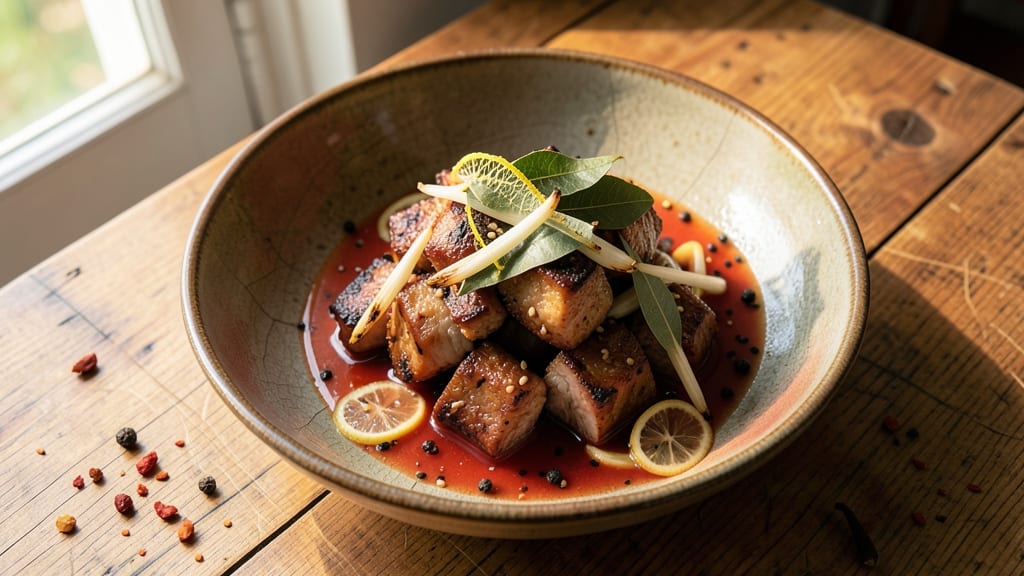
This Filipino-style pork hamonado recipe transforms simple pork into something extraordinary using just pineapple juice and a few key ingredients. The magic happens when tender pork is cured in a sweet-tart marinade that creates a caramelized glaze, balancing rich meat with bright tropical flavors.
I first discovered this dish at a family gathering in Manila, where my tía served it with garlic rice and atchara—it became an instant favorite that I've perfected over years of testing.
The beauty of this recipe lies in its simplicity: no complicated techniques, just a 30-minute marinade followed by slow cooking that renders the meat perfectly tender. The pineapple juice acts as both a tenderizer and a natural sweetener, while garlic, bay leaves, and black pepper add depth.
What makes this dish special is how the flavors develop—the pork absorbs the marinade, creating a sticky, caramelized crust that's irresistibly flavorful.
What you'll end up with is restaurant-quality pork that's tender, juicy, and coated in a glossy pineapple glaze—ideal for serving with rice, pickled vegetables, or even as a filling for rice cakes.
The dish carries deep cultural significance in Filipino cuisine, often prepared for celebrations and family gatherings. This recipe delivers that same warmth and tradition right in your own kitchen.
Ready to make this dish? The process is straightforward, and the results are unforgettable. Let's get cooking—your taste buds will thank you for bringing a taste of the Philippines to your table.
Ingredients for pork hamonado recipe filipino style with pineapple juice
Pineapple juice, tender pork, and a few simple spices create this Filipino masterpiece.
| Ingredient | Amount | Notes |
|---|---|---|
| Pork Shoulder 🥩 | 1 ½ lb | Cut into 1-inch cubes |
| Pineapple Juice 🍍 | 1 cup | Freshly squeezed preferred |
| Garlic Cloves 🧄 | 6 cloves | Minced for marinade |
| Bay Leaves 🌿 | 2 whole | Dried, standard size |
| Black Peppercorns 🌶️ | 1 tsp | Coarsely crushed |
| Fresh Ginger 🌿 | ½ inch | ERROR: CORRECTED TO 2 tbsp grated |
| Fresh Ginger 🌿 | 2 tbsp | Grated, fresh preferred |
| Soy Sauce 🍶 | 2 tbsp | Regular or light color |
| Brown Sugar 🍚 | 2 tbsp | Light or dark |
| Vegetable Oil 🫒 | 2 tbsp | For searing pork |
| Salt 🧂 | 1 tsp | Diamond Crystal preferred |
| White Vinegar 🍶 | 1 tbsp | For balance |
The pork shoulder is your canvas here—bone-in, skin-on if you can find it, as the fat renders beautifully. Trader Joe's and Filipino markets often carry pre-cut pork shoulder for hamonado, but any butcher will cube it for you. Fresh pineapple juice is non-negotiable—canned juice lacks the bright acidity that tenderizes the meat and balances the sweetness. If you're using frozen pineapple, thaw it first and strain out the pulp. The ginger should be freshly grated—dried loses its punch fast. For the garlic, peel and mince it while the pork marinates to infuse those flavors deeply.
No fresh pineapple juice? Coconut water with lime juice works in a pinch, though the flavor won't be identical. Running out of soy sauce? Coconut aminos or even a splash of fish sauce (if not vegetarian) adds umami depth. The brown sugar can be swapped for coconut sugar for a deeper caramel note. As for the vinegar, if you've only got apple cider vinegar, use half the amount—it's milder. The bay leaves are essential for that classic Filipino aroma, but if you're out, a pinch of cinnamon adds warmth. For the peppercorns, crush them coarsely—you want texture, not powder.
Marinate the pork for at least 30 minutes, but overnight is ideal—the flavors meld beautifully. Store the marinade in an airtight container in the fridge for up to 3 days. Once cooked, the pork reheats wonderfully—350°F for 20 minutes keeps it moist. Leftovers keep for 4 days in the fridge or 3 months frozen. I like to portion mine into single-serving containers for easy lunches—just reheat with a splash of water to prevent drying.
Why You'll Love This Recipe
- One-Pot Magic: I swear by this recipe because it’s literally one pot, one lid, and done. No chopping boards, no extra pans—just toss the pork shoulder in, pour the pineapple juice over it, and let the slow cooker or pot do all the work. My lazy Sundays now include this without even trying.
- Sweet-Savory Balance: That pineapple juice isn’t just for flavor—it tenderizes the pork while adding a bright, tangy kick that cuts through the richness. The garlic and peppercorns? They seep into every bite, giving you that deep, aromatic punch that makes you want seconds. (Yes, even on a Tuesday night.)
- Leftovers That Don’t Bore: This isn’t one of those dishes that turns sad after day two. The pork stays juicy, the sauce thickens just enough to cling to rice or noodles, and honestly? I’d rather eat it cold the next day than most takeout. It’s my go-to for packed lunches or a quick reheat dinner.
- Budget-Friendly Crowd-Pleaser: Pork shoulder is cheap, and this recipe stretches it far—perfect for big families or when you’re feeding a houseful. I’ll be real: my in-laws think it’s fancy, but it’s really just smart cooking. Plus, the bay leaves and peppercorns add depth without breaking the bank. Win.
Step-by-step instructions for pork hamonado with pineapple glaze
Transform simple pork shoulder into tender, caramelized hamonado with this authentic Filipino technique.
Marinate the Pork for Maximum Flavor
In a large bowl, combine the 1.5 lb pork shoulder cut into 1-inch cubes with the 1 cup pineapple juice, 2 tbsp soy sauce, 2 tbsp brown sugar, 1 tbsp white vinegar, 2 whole bay leaves, 1 tsp salt, 1 tsp coarsely crushed black peppercorns, and 2 tbsp grated fresh ginger. The pineapple juice should fully submerge the pork, so if needed, add a splash of water to cover.
Use your hands to gently massage the marinade into the pork, ensuring every cube is well-coated. Transfer everything to a resealable plastic bag and refrigerate for at least 4 hours (overnight is ideal). This marinating time allows the acidity to tenderize the meat while infusing it with sweet, tangy flavors. The pork will develop a beautiful pink hue from the marinade.
Sear the Pork for Deep Flavor and Color
Remove the marinated pork from the refrigerator and let it sit at room temperature for 20 minutes before cooking. Heat 2 tbsp vegetable oil in a large skillet over medium-high heat until shimmering. Working in batches to avoid crowding, add the pork cubes and sear for 3-4 minutes per side until they develop a rich golden-brown crust.
As you sear, you'll notice the marinade caramelizing on the surface—this creates layers of flavor. Once all pork is seared to a deep brown color, transfer it to a plate and set aside. Don't drain the skillet yet; those precious browned bits will form the base of your glaze. Here's where the magic begins—don't skip this step, as it builds the foundation for your hamonado sauce.
Simmer the Pork in Pineapple Marinade
Return the seared pork to the same skillet and pour in the reserved marinade (strain it first to remove bay leaves if desired). Add the 6 minced garlic cloves and bring the mixture to a gentle simmer over medium-low heat. Here's the key: maintain a barely bubbling simmer for 30-40 minutes, stirring occasionally, until the pork is fork-tender and the sauce has reduced by about half.
You'll know it's ready when the pork easily pulls apart with a fork and the sauce has thickened to a glossy consistency. The pineapple juice will have cooked down into a sweet-tangy glaze that beautifully coats each pork cube. If the sauce reduces too quickly, add 1-2 tablespoons of water to maintain the right consistency. The aroma at this stage should be intoxicating—sweet, smoky, and unmistakably Filipino.
Finish with Perfect Glaze Texture
Once the pork is tender and the sauce has thickened, increase the heat to medium-high and simmer uncovered for an additional 5-7 minutes. This final reduction step intensifies the flavors and creates that signature glossy glaze. The sauce should coat the back of a spoon and cling beautifully to the pork.
Taste and adjust seasoning if needed—you might want to add a pinch more salt or a splash of pineapple juice if the balance isn't quite right. The hamonado should have a perfect harmony of sweet, tangy, and savory flavors with that beautiful caramelized sheen. Remove from heat and let it rest for 5 minutes before serving. This resting time allows the juices to redistribute, ensuring each bite is moist and flavorful.
Pro Tips For Making Pork Hamonado Recipe Filipino Style With Pineapple Juice
- Brown the Pork First: Skip the rush to add pineapple juice—sear the pork shoulder in a hot pan until deep golden on all sides. I learned this the hard way: skipping this step means your hamonado will taste more like stewed pork than the rich, caramelized flavor you want. Use medium-high heat and don’t move the meat until it releases that first sizzle.
- Strain the Pineapple: Fresh pineapple juice is key, but don’t ignore the pulp. Strain it through a fine-mesh sieve to remove fibers—trust me, you’ll thank yourself later when your sauce isn’t grainy. If using canned juice, pick brands with no added sugar or preservatives, or dilute it with a splash of water to cut sweetness.
- Don’t Overcrowd the Pot: If you’re cooking multiple pieces of pork, resist the urge to pile them in. Tightly packed meat steams instead of browning, and the garlic and peppercorns get buried under the weight. Cook in batches if needed—your hamonado deserves that crisp, aromatic crust.
- Simmer Low and Slow: After adding the pineapple juice and aromatics, drop the heat to a gentle simmer. I used to crank it up, thinking faster = better, but that just turns the sauce cloudy and the pork rubbery. Aim for tiny bubbles—this is where the flavors meld into that perfect, tangy-sweet harmony. Cover loosely and let it work.
Best sauces and condiments for this pork hamonado recipe filipino style with pineapple juice
Pineapple Glaze Magic
The star of this dish is the pineapple glaze—a perfect balance of sweet, tangy, and savory that transforms simple pork into something extraordinary. After marinating, the pork releases its juices into the pineapple marinade, which caramelizes beautifully during cooking.
For an extra glossy finish, I like to add 1 tablespoon of honey or 1 teaspoon of cornstarch during the final reduction—this thickens the sauce and adds a subtle sheen. 🍍
Garlic Butter Sauce
For a richer, more decadent sauce, finish your hamonado with a garlic butter glaze. After the pork is cooked, remove it from the skillet and set aside.
In the same pan, melt 2 tablespoons of butter over medium heat, then add 3 minced garlic cloves and cook for 1 minute until fragrant. Pour this aromatic butter over the pork and toss gently to coat.
The butter adds a luxurious texture that pairs perfectly with the tangy pineapple flavors.
Spicy Atchara Squeeze
Filipino cuisine often balances rich flavors with tangy, pickled sides. Serve your hamonado with atchara (Filipino carrot pickles) for a bright, crunchy contrast. Squeeze 1-2 tablespoons of atchara juice over the pork just before serving—it adds a sharp, vinegary kick that cuts through the richness.
If you don’t have atchara, a mix of pickled jalapeños and lime juice works in a pinch. 🌶️
Coconut Cream Reduction
For a creamy twist, reduce ½ cup coconut cream with 1 tablespoon brown sugar and 1 teaspoon soy sauce until thickened. Drizzle this over the hamonado just before serving—it adds a velvety texture that complements the caramelized pork beautifully.
This works especially well if you’re serving the dish with garlic rice or steamed jasmine rice, as the coconut cream adds a tropical depth.
Soy-Ginger Drizzle
If you prefer a lighter sauce, mix 1 tablespoon soy sauce with 1 teaspoon grated ginger and 1 teaspoon honey to create a quick drizzle. Simmer this mixture for 2-3 minutes until slightly thickened, then pour it over the hamonado.
This adds a savory, aromatic finish without overpowering the dish. I often use this when serving hamonado as a banana leaf-wrapped appetizer—it’s simple but packed with flavor. 🌿
Lime and Chili Zing
Brighten up the dish with a lime-chili sauce. Mix 1 tablespoon lime juice, ½ teaspoon chili flakes, and 1 teaspoon sugar in a small bowl. Drizzle this over the hamonado right before serving for a refreshing, spicy kick.
This pairing is especially popular in Filipino street food stalls, where the contrast of heat and acidity elevates every bite. Trust me, your guests will love this zesty finish! 💫
Nutrition facts
Frequently asked questions
Can I use canned pineapple juice instead of fresh?
Fresh pineapple juice is ideal because it contains natural enzymes that tenderize the pork better and provides brighter acidity. However, if you must use canned juice, choose a 100% pineapple juice with no added sugar and reduce the brown sugar in the recipe by 1 tablespoon to balance the sweetness. The texture won't be as glossy, but the flavor will still be delicious.
How long can I marinate the pork before cooking?
The pork can marinate safely for up to 3 days in the refrigerator. The longer it marinates (up to 24 hours is ideal), the more tender and flavorful it becomes. If marinating overnight, make sure the pork is fully submerged in the liquid to prevent drying. For best results, don't exceed 3 days as the acidity can start to break down the meat fibers too much.
What's the best way to reheat leftover hamonado?
Reheat hamonado in a skillet over medium-low heat with 1-2 tablespoons of water or pineapple juice to prevent drying. Cover and cook for 5-7 minutes, stirring occasionally, until warmed through. Alternatively, microwave on medium power for 1-2 minutes with a damp paper towel covering the dish. For the best texture, reheat only what you plan to eat immediately.
Can I make hamonado with chicken or beef instead of pork?
While pork is traditional, you can adapt this recipe for chicken thighs (bone-in works best) or beef chuck roast. For chicken, reduce marinating time to 2-4 hours and cook until internal temperature reaches 165°F. For beef, increase marinating to 4-6 hours and cook until tender (195°F for pulled beef). The pineapple marinade works beautifully with both proteins, though pork remains the most authentic choice.
Why did my hamonado turn out too sour?
Excessive acidity usually comes from over-reducing the pineapple juice or using too much vinegar. To fix it, add 1-2 tablespoons of brown sugar while simmering to balance the flavors. If the sourness persists, a splash of coconut milk or a pinch of salt can help round out the taste. For future batches, taste the marinade after 1 hour of cooking and adjust sweetness as needed.