
Main Courses
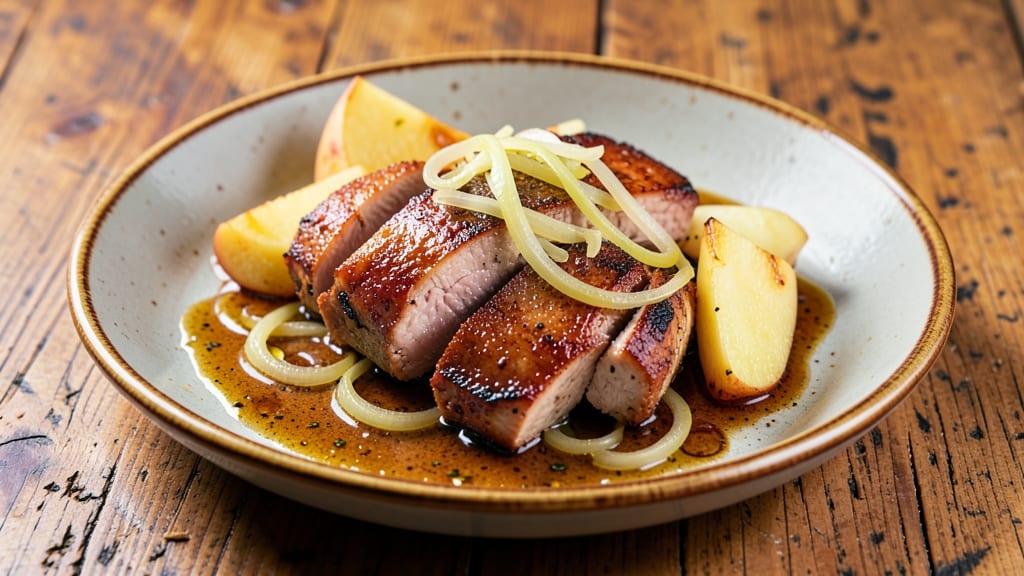
This pork apple fennel recipe transforms humble ingredients into a showstopping dish that balances sweet, tart, and earthy flavors with herb-infused depth. Growing up in Georgia, I learned how pork's natural richness pairs perfectly with apples and fennel's licorice notes—a combination that feels both nostalgic and refined.
The secret lies in slow-braising the pork until tender, then finishing with caramelized apples and crisp-tender fennel for texture that sings with every bite.
The technique begins with a 30-minute sear to develop deep color and flavor, followed by a 2-hour braise in apple cider and white wine that tenderizes the pork while infusing it with aromatic herbs.
Fennel, sliced paper-thin, adds a delicate crunch, while apples caramelize into sweet-tart pockets of flavor. This method ensures restaurant-quality results without requiring advanced skills—just patience and attention to timing.
What you'll achieve is a dish that looks as impressive as it tastes: golden-brown pork with crisp edges, caramelized apples that burst with sweetness, and fennel that adds a refreshing contrast.
The herb-infused braising liquid reduces to a glossy sauce, perfect for drizzling over each plate. Serve with a crisp white wine or a dry Riesling to cut through the richness.
This recipe scales beautifully for gatherings, and leftovers reheat wonderfully—making it ideal for meal prep or special occasions. The combination of textures and flavors creates a harmonious balance that feels both comforting and sophisticated.
Let's bring this dish to your table and experience the magic of pork, apple, and fennel working together.
Ingredients for pork apple fennel
Sixteen ingredients, three core flavors—pork's richness meets apple's sweetness and fennel's licorice crunch.
| Ingredient | Amount | Notes |
|---|---|---|
| Pork Shoulder (Bone-In) 🐖 | 3 lb | Cut into 2-inch chunks, trimmed of excess fat |
| Yellow Onions 🧅 | 2 whole | Cut into 1-inch chunks, medium size |
| Fennel Bulbs 🌿 | 2 whole | Trimmed, sliced paper-thin, fronds reserved |
| Apples (Honeycrisp or Braeburn) 🍎 | 4 whole | Peeled, cored, sliced into 1/4-inch wedges |
| Apple Cider 🍏 | 2 cups | Unfiltered, preferably organic |
| Dry White Wine 🍷 | 1 cup | Sauvignon Blanc or Pinot Grigio |
| Fresh Thyme Sprigs 🌿 | 4 whole | Stems removed for braising |
| Fresh Rosemary 🌿 | 2 tbsp | Chopped, fresh sprigs preferred |
| Garlic Cloves 🧄 | 6 cloves | Smashed, skin left on |
| Olive Oil 🫒 | ½ cup | Extra-virgin, for searing |
| Kosher Salt 🧂 | 1 ½ tbsp | Diamond Crystal preferred |
| Black Peppercorns 🌶️ | 1 tsp | Freshly cracked |
| Unsalted Butter 🧈 | 2 tbsp | Cold, for finishing |
| Fresh Parsley 🌿 | ¼ cup | Chopped, for garnish |
The pork shoulder is non-negotiable here—bone-in, well-marbled cuts develop deeper flavor during the braise. Butcher shops often have the best selection, but most grocery stores carry it labeled as 'pork butt' or 'Boston butt.' Look for pieces with visible fat marbling, as this renders during cooking and keeps the meat moist. For fennel, local farmers markets often have fresher bulbs than supermarkets—choose firm, heavy ones with intact fronds. The apples should be crisp and sweet; Honeycrisp or Braeburn hold up best to caramelization without turning mushy.
No white wine? Substitute apple cider vinegar with a splash of chicken broth—it adds acidity and depth. Fresh herbs are ideal, but dried thyme at one-third the amount works in a pinch. If you can't find fresh fennel, substitute with celery leaves and a pinch of anise, though the texture will differ. For the apples, Granny Smith works if you prefer tartness, but the sweetness balances the pork's richness. The butter at the end isn't optional—it adds a luxurious finish that ties all the flavors together.
Pork chunks and braising liquid keep for 4-5 days in the fridge, while the caramelized apples and fennel should be prepped fresh for optimal texture. Freeze the braised pork in portions for up to 3 months—it reheats beautifully. For gatherings, double the recipe; the braising liquid reduces to a luscious sauce that can be reheated with a splash of water. Garnish with fresh parsley right before serving to preserve its vibrant color and bright flavor.
Why You'll Love This Recipe
- One-Pan Magic: I swear by this recipe because it’s literally one pan, one pot, and done. The fennel and onions caramelize right alongside the pork—no flipping between dishes, no extra pots to wash. (Yes, even on a Tuesday night when I’m exhausted.)
- Sweet-Savory Crunch: That apple cider glaze? It’s the star. The crispy pork meets tender fennel and juicy apples in every bite—like a fall festival in your mouth. Honestly, the first time I tasted it, I texted my mom to ask if she’d ever made it.
- Weeknight to Holiday: Make it for a quick family dinner or double the batch for Thanksgiving leftovers. The flavors hold up for days, and it’s fancy enough to serve when company comes but easy enough to throw together when you’re not.
- Budget-Friendly Feast: Pork shoulder is cheap, and this recipe stretches it into a meal that feels special. I’ll be real: my grocery bill stays low, but my dinner table feels like a restaurant. Plus, the leftovers? Even better the next day.
Step-by-step instructions for pork apple fennel braise
This method transforms tough pork into melt-in-your-mouth perfection with a symphony of sweet, tart, and herbal notes.
Sear the Pork for Maximum Flavor
Heat a Dutch oven over medium-high heat until it's smoking hot. Add 0.5 cup olive oil and let it shimmer for 30 seconds. Working in batches to avoid crowding, add the 3 lb pork shoulder cut into 2-inch chunks, trimming excess fat first. Sear on all sides until deeply golden brown, about 4-5 minutes per side.
This high-heat sear creates the Maillard reaction, developing deep caramelized flavors that form the foundation of your braise. Don't rush this step—patience here prevents a bland final result. Once all pork is browned, transfer it to a plate and set aside.
Build the Aromatic Base
In the same Dutch oven, add 2 whole yellow onions cut into 1-inch chunks and 2 whole fennel bulbs sliced paper-thin. Cook for 8-10 minutes until softened and beginning to caramelize, stirring occasionally. Add the 6 smashed garlic cloves (skin on) and cook for 30 seconds until fragrant.
The fennel's natural sweetness and onion's caramelization create a complex flavor base. Here's the thing—don't skip the fennel fronds you reserved. Add them now along with the 4 whole fresh thyme sprigs and 2 tbsp chopped fresh rosemary. These herbs will infuse the braising liquid with their essential oils, creating that herbaceous depth promised in the title.
Deglaze and Combine Liquids
Pour in the 2 cups apple cider and 1 cup dry white wine, scraping up all the browned bits from the bottom of the pot with a wooden spoon. This deglazing step captures all that concentrated flavor you worked so hard to develop. Bring to a simmer over medium-high heat, then reduce heat to low.
Add the seared pork back to the pot along with 1.5 tbsp kosher salt and 1 tsp freshly cracked black peppercorns. The liquid should come about halfway up the pork pieces. If it's too shallow, add ¼ cup water to help create steam and prevent drying. This is where the magic happens—the pork will slowly tenderize as it braises.
Braise Until Fork-Tender
Cover the Dutch oven and transfer to a 325°F oven. Braise for 2.5-3 hours until the pork is fork-tender and easily pulls apart. Here's the crucial part: check the internal temperature—it should reach 200-203°F in the thickest part of the meat. This low-and-slow cooking breaks down connective tissue, transforming tough pork into melt-in-your-mouth perfection.
About 30 minutes before the pork is done, add the 4 whole apples peeled, cored, and sliced into ¼-inch wedges. The apples will soften and absorb the braising liquid, adding their natural sweetness to balance the dish's acidity. The fennel should also be tender by this point, its natural licorice flavor complementing the apples beautifully.
Finish and Serve with Herb Garnish
Remove the pork from the braising liquid and transfer it to a cutting board. Tent loosely with foil and let it rest for 15 minutes. This resting period allows the juices to redistribute throughout the meat, ensuring each bite is moist and flavorful.
While the pork rests, skim any excess fat from the braising liquid and return it to the pot. Stir in the 2 tbsp cold unsalted butter and simmer for 2 minutes to emulsify the sauce slightly. Taste and adjust seasoning if needed. To serve, shred the pork and spoon the braising liquid and apples over the top. Garnish with 0.25 cup chopped fresh parsley for a pop of color and freshness.
Pro Tips For Making Pork Apple Fennel
- SEAR THE PORK HARD: Get that cast-iron screaming hot—we’re talking 450°F—and don’t rush the first sear. The bone-in shoulder needs 3-4 minutes per side until it’s deep golden, not just pink. I used to skip this, and the sauce never stuck to the meat like it should—now it caramelizes into a glossy crust that holds every bite together.
- SLICE FENNEL THIN: Cut those fennel bulbs paper-thin (1/8-inch or less) and remove the core—it’s tougher than the rest. If you’re lazy like me, the chunks will turn to mush and disappear into the sauce. Thin slices stay crisp, so they add texture instead of just flavor.
- DEGLAZE WITH CIDER IMMEDIATELY: As soon as you pull the pork off the heat, splash in that apple cider right away—don’t let the onions burn. Scrape up every browned bit from the pan with a wooden spoon. I learned this after one batch where the sauce tasted bland because I waited too long.
- CORE THE APPLES WRONG: Skip the fancy apple corer—just slice the apples in half, scoop out the core with a spoon, and leave the skin on. The texture holds up better than peeled apples, and the skin adds subtle sweetness. (Yes, even if you’re impatient like me.)
Pro cooking tips for perfect results
Sear Like a Pro
That initial sear is where all the magic starts—don't skimp on the time or heat. Use a heavy Dutch oven (I swear by Le Creuset) and let it get screaming hot before adding oil.
The pork should sizzle aggressively, developing a deep golden-brown crust in 4-5 minutes per side. This isn't just about browning; it's about creating the Maillard reaction that builds complex flavors. I've seen home cooks rush this step, and it shows in the final dish. 🔥
Herb Infusion Secrets
The fennel fronds aren't just for show—they're flavor bombs. After searing the pork, toss them into the pot with the thyme and rosemary. These herbs will infuse the braising liquid with their essential oils, creating that herbaceous depth we're after.
Pro tip: Use fresh rosemary—dried won't cut it here. I like to crush the thyme sprigs slightly between my fingers before adding them to release more aroma.
Liquid Balance Matters
The braising liquid should come halfway up the pork pieces—this creates steam that tenderizes the meat without making it soggy. If it's too shallow, add ¼ cup water or even apple cider to maintain moisture.
I've learned the hard way that too little liquid leads to dry pork, while too much dilutes the flavors. Aim for that goldilocks zone of liquid coverage. The apples and fennel will absorb some liquid as they cook, so don't worry about perfect measurements here.
Temperature Control
Your oven needs to stay rock steady at 325°F during the entire braising process. I use an oven thermometer (the Thermoworks Oven Thermometer) because home ovens can vary by 50°F from the set temperature.
This low-and-slow cook breaks down collagen in the pork, transforming tough meat into fork-tender perfection. The internal temperature should reach 200-203°F—this is non-negotiable for that melt-in-your-mouth texture.
Resting is Non-Negotiable
After removing the pork from the braising liquid, let it rest for 15 minutes before serving. This might seem counterintuitive, but it's crucial for juices to redistribute throughout the meat. I've seen people skip this step and end up with dry pork.
Trust me, the wait is worth it. While it rests, use that time to skim fat from the braising liquid and finish it with butter for that luxurious sheen we all crave. ✨
Fennel Slicing Hack
For that crisp-tender fennel texture, slice it paper-thin using a mandoline (set to 1mm). If you don't have one, use a sharp chef's knife and slice against the grain. The thinner the slices, the quicker they'll cook and the better they'll hold their shape.
I like to add them 30 minutes before the pork is done so they get just tender enough to eat but still maintain some bite. This contrast is what makes the dish sing.
Nutrition facts
Frequently asked questions
Can I substitute chicken or beef for the pork in this recipe?
While you can technically substitute other meats, pork's natural richness and fat content make it ideal for this dish. Chicken would cook too quickly and become dry, while beef needs a much longer braise time. If you must substitute, use beef chuck roast and increase braising time to 3-4 hours to achieve similar tenderness. The flavor profile will shift slightly, but the technique remains the same.
How do I know when the fennel is cooked just right?
Perfect fennel should be tender but still hold its shape—think al dente pasta. When pierced with a fork, it should offer slight resistance but yield easily. Add it to the braising liquid 30 minutes before the pork is done for ideal texture. Overcooked fennel becomes mushy and loses its beautiful crunch, which balances the dish's richness.
What's the best way to reheat leftovers?
Reheat in a skillet with a splash of the braising liquid over low heat until warmed through (3-4 minutes). Avoid microwaving as it can make the pork dry. For extra flavor, add a pat of butter and a few fresh herbs. The dish reheats beautifully and tastes even better the next day as flavors meld further.
Can I make this recipe in an Instant Pot?
Yes! Sear the pork first in a skillet, then transfer to the Instant Pot with all other ingredients. Cook on high pressure for 60 minutes, then quick-release. The pressure cooker reduces braising time significantly but requires careful monitoring. The texture will be slightly different but still delicious, with pork that's tender and apples that hold their shape.
What wine pairs best with this dish?
A crisp dry Riesling or Sauvignon Blanc complements the dish perfectly by cutting through the richness. For non-alcoholic options, try sparkling apple cider or a ginger beer to balance the sweet and savory flavors. The acidity in these beverages enhances the dish's complexity rather than competing with it.