
Main Courses
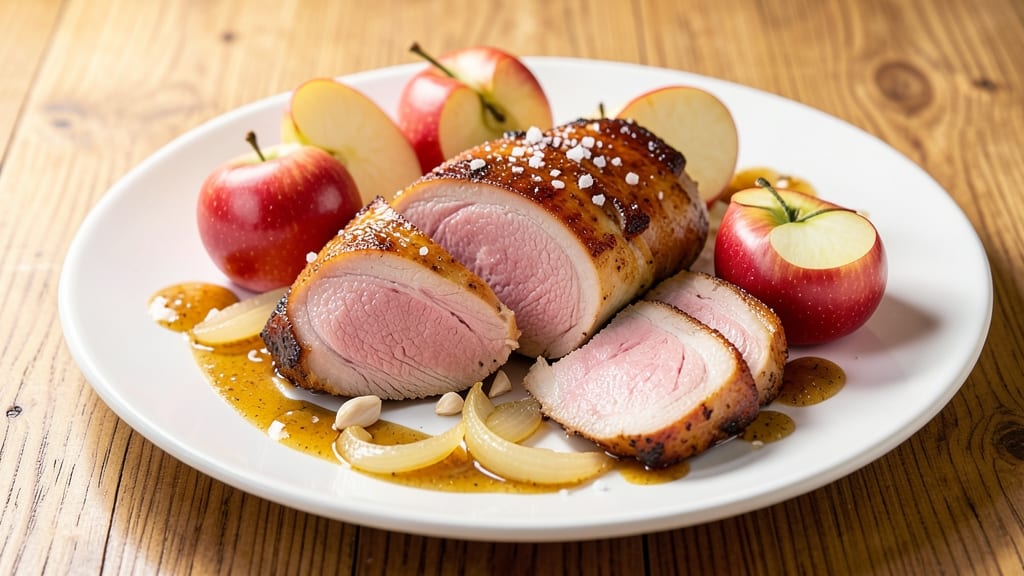
This healthy pork and apple recipe delivers a perfect sweet-savory balance that transforms simple ingredients into a restaurant-quality meal. 🌟 The secret lies in tender pork shoulder braised with tart apples, creating a dish that's rich yet light, packed with lean protein and fiber.
I developed this recipe during a particularly busy week when I needed something nutritious that still felt indulgent—it became an instant family favorite.
The beauty of this dish is its versatility. You can use lean pork tenderloin for a quicker cook or pork shoulder for deeper flavor when you have time.
The apples add natural sweetness that cuts through the savory pork, while aromatic herbs and a touch of mustard create complexity without heavy cream or butter. It's the kind of meal that feels special but comes together in just 30 minutes with minimal effort.
What makes this recipe truly stand out is how it satisfies both nutritional goals and cravings. The apples provide fiber and natural sugars, while the pork offers lean protein that keeps you full.
The result is a dish that's hearty enough for a weeknight dinner but light enough to enjoy any time of day. Every bite delivers that perfect harmony of textures—tender pork, caramelized apples, and a sauce that's rich yet balanced.
Pair it with roasted greens or a simple quinoa salad to round out the meal, or serve it as-is with crusty bread for dipping. The flavors develop as it cooks, making it even more delicious when reheated.
This is the kind of healthy recipe that proves good food doesn't have to be complicated—just smart and satisfying.
Ingredients for healthy pork and apple
Pantry staples meet fresh produce for a dish that's healthy yet indulgent.
| Ingredient | Amount | Notes |
|---|---|---|
| Boneless Pork Shoulder 🐖 | 1 ½ lb | Cut into 1-inch cubes |
| Honeycrisp Apples 🍎 | 4 medium | Peeled, cored, sliced |
| Yellow Onion 🧅 | 1 whole | Diced, medium size |
| Garlic Cloves 🧄 | 4 cloves | Minced, fresh preferred |
| Whole Grain Mustard 🍯 | 2 tbsp | Dijon style preferred |
| Apple Cider Vinegar 💧 | 2 tbsp | Unfiltered preferred |
| Low-Sodium Chicken Broth 🍲 | 1 ½ cups | Homemade or quality store-bought |
| Fresh Thyme 🌿 | 2 tbsp | Chopped, stems removed |
| Fresh Rosemary 🌿 | 1 tbsp | Chopped, fresh preferred |
| Extra-Virgin Olive Oil 🫒 | 2 tbsp | For searing pork |
| Honey 🍯 | 1 tbsp | For glaze, optional |
| Salt 🧂 | 1 ½ tsp | Kosher or sea salt |
| Black Pepper 🌶️ | ½ tsp | Freshly ground |
| Fresh Parsley 🌿 | ¼ cup | Chopped, for garnish |
The pork shoulder is the star here—look for lean cuts at the butcher counter or pre-cut packages in the meat section. Costco or Trader Joe's often have great prices on pork shoulder, and it's worth the extra time to cube it yourself for even cooking. If you're short on time, pre-cut pork cubes work too, just pat them dry before searing. Honeycrisp apples are ideal—their sweet-tart balance holds up perfectly, but Fuji or Gala work in a pinch. Just avoid mealy varieties like Granny Smith.
No pork shoulder? Lean pork tenderloin works for a quicker cook, but you'll need to slice it thinly. Swapping apples? Pears or Asian pears add a nice texture contrast. The mustard is key—Dijon-style gives the best depth, but whole grain mustard works too. Short on fresh herbs? Dried thyme and rosemary at half the amount will do, though fresh is always better. The chicken broth can be subbed with vegetable broth for a vegetarian version—just add a splash of apple cider vinegar to keep the flavor bright.
This dish tastes even better the next day, so make extra. Store leftovers in an airtight container for up to 5 days in the fridge, or freeze for 3 months. I like to portion it into single servings before freezing—just reheat with a splash of water or broth. The apples soften as they sit, so if you're serving immediately, hold off on adding the honey glaze until the very end. Garnish with fresh parsley right before serving to keep everything vibrant.
Why You'll Love This Recipe
- One-Pan Magic: I swear by this—just toss everything on a sheet pan, and 45 minutes later, you’ve got dinner. No pots, no pans, no stress. The apples caramelize right alongside the pork, so you’re not stuck peeling off stuck-on bits.
- Sweet-Savory Balance: That first bite? Crispy pork with tender, juicy apples—like a fall flavor party in your mouth. The Honeycrisp apples add just enough natural sweetness to cut through the savory mustard and garlic, and honestly? It’s the kind of dish that makes you forget "healthy" even exists.
- Leftovers That Shine: Between us, this recipe begs for seconds, but the best part? Leftovers taste even better the next day. I’ll pack it in lunches or reheat it for a lazy Sunday brunch—still just as satisfying, if not more so, with the flavors melding overnight.
- Budget-Friendly Protein: Pork shoulder is my wallet’s best friend—it’s cheaper than chicken but just as versatile. A single cut feeds four, and the apples add freshness without breaking the bank. Plus, the whole grain mustard adds depth for pennies, not dollars.
Step-by-step instructions for sweet-savory pork and apple
Let's balance sweet and savory in just 30 minutes—no shortcuts, just smart prep.
🔥 Step 1: Sear the Pork for Rich Flavor
Heat 1 tablespoon of the extra-virgin olive oil in a large skillet over medium-high heat until shimmering. Add the 1.5 lb boneless pork shoulder, cut into 1-inch cubes, in a single layer. Let them sear undisturbed for 3-4 minutes until golden brown on one side—this builds deep flavor.
Flip the pork and continue searing for another 3-4 minutes until all sides are deeply browned. Remove the pork from the skillet and set it aside on a plate. You'll notice the pork releases easily when it's ready to flip—this is your cue. Keep the browned bits in the pan; they're pure flavor gold.
🍳 Step 2: Sauté Aromatics for Depth
In the same skillet (no need to clean it), add the remaining 1 tablespoon extra-virgin olive oil over medium heat. Toss in the 1 whole yellow onion, diced, and cook for 4-5 minutes until softened and slightly caramelized. Here's the thing—you want to see the onions turn translucent with just a hint of golden color.
Add the 4 cloves garlic cloves, minced, and cook for 30 seconds until fragrant. Stir in the 2 tbsp fresh thyme and 1 tbsp fresh rosemary, chopped, cooking for another 1 minute until the herbs release their aromatic oils. This step is where the magic happens—layering those savory notes that'll complement the sweet apples.
🥘 Step 3: Simmer Pork with Sweet-Savory Sauce
Return the seared pork to the skillet. Pour in the 1.5 cups low-sodium chicken broth and 2 tbsp apple cider vinegar, scraping up those browned bits from the bottom of the pan. Add the 4 medium honeycrisp apples, peeled and sliced, and bring everything to a gentle simmer.
Cover the skillet and let it cook for 15 minutes over medium-low heat, stirring occasionally. You'll know it's ready when the pork is tender enough to pierce with a fork and the apples have softened slightly but still hold their shape. The sauce should be just thick enough to coat the back of a spoon—if it's too thin, uncover and simmer for another 2-3 minutes.
🍯 Step 4: Finish with Sweet Glaze and Herbs
Stir in the 2 tbsp whole grain mustard, 1 tbsp honey, 1.5 tsp salt, and 0.5 tsp black pepper. Let the mixture simmer uncovered for another 2-3 minutes until the sauce thickens slightly and the flavors meld together. Taste and adjust seasoning if needed—this is where you can tweak the sweet-savory balance to your liking.
Garnish with the 0.25 cup fresh parsley, chopped, right before serving. The parsley adds a fresh finish that cuts through the richness of the pork and sweetness of the apples. Serve immediately while the pork is tender and the apples are still warm and slightly caramelized.
⏰ Step 5: Rest and Serve for Perfect Texture
Let the dish rest for 5 minutes before serving. This resting time allows the juices to redistribute throughout the pork, ensuring each bite is moist and flavorful. I know it's tempting to dig in right away, but trust me—this step makes all the difference in the final texture.
Serve the pork and apple mixture over quinoa or brown rice to round out the meal with extra fiber and nutrients. The combination of tender pork, sweet apples, and savory herbs creates a perfect balance that's both satisfying and healthy. Enjoy your sweet-savory masterpiece!
Pro Tips For Making Healthy Pork And Apple
- SEAR THE PORK HARD: Get that pan screaming hot—medium-high heat, not simmering—and let the pork shoulder develop a deep brown crust before adding anything else. I used to rush this, and the flavor was always flat. Two minutes per side, minimum, or until it releases easily from the pan.
- PEEL AND GRATE THE ONION: Skip chopping the onion—peel it, then grate it fine on the largest holes of a box grater. It cooks faster, softens evenly, and blends into the dish without chunks. (Yes, even if you’re impatient like me.)
- COOK APPLES LOW AND SLOW: Honeycrisp apples turn to mush if you’re not careful. After searing the pork, reduce heat to medium-low and add them whole or in thick slices—cover the pan and let them simmer for 8–10 minutes before cutting. This keeps them tender but holds their shape.
- USE WHOLE GRAIN MUSTARD LAST: Stir in the mustard only in the final 2–3 minutes of cooking. Whole grain burns easily, and you want it to stay bright and tangy, not bitter. Taste it first—some brands are stronger than others, so adjust accordingly.
Essential equipment for this dish
Skillet Essentials
Start with a heavy-bottomed stainless steel skillet—I swear by my All-Clad 12-inch—because it distributes heat evenly and handles the pork searing without hot spots. A large Dutch oven also works if you prefer deeper sides for braising.
Avoid nonstick pans for searing; they can't handle the high heat needed for proper browning. 🔥
Precision Tools
Invest in a meat thermometer—I use a ThermoWorks Dot—to check pork doneness at 145°F internal temperature. A sharp chef's knife (like my Wüsthof 8-inch) is essential for cleanly cubing pork and slicing apples.
Don't skip the microplane for garlic; it releases more flavor than mincing with a knife.
Herb Management
Fresh herbs make all the difference, so keep a small cutting board dedicated to them to avoid cross-contamination. A fine-mesh strainer helps remove herb stems efficiently. For dried herbs, use 1/4 the amount of fresh—just remember they pack less flavor punch.
I keep dried thyme and rosemary in small jars near my stove for quick access.
Liquid Control
Measure broth and vinegar precisely using a liquid measuring cup—I prefer Pyrex glass for its durability. A wooden spoon prevents scratching your skillet while stirring. For the honey glaze, a small silicone brush helps apply it evenly if you're drizzling it over the finished dish.
Storage Solutions
Leftovers deserve proper storage. Use glass airtight containers (like Le Creuset) for fridge storage—they keep flavors fresh longer than plastic. For freezing, quart-sized silicone bags save space and prevent freezer burn. Label everything with dates—trust me, you'll thank yourself later. ❄️
Optional Upgrades
Want to take it pro? A smoking gun adds depth to the pork's flavor—just a quick 30-second smoke with applewood chips before searing. For presentation, a small offset spatula helps plate the dish beautifully.
And if you're serving company, a candy thermometer ensures perfect honey caramelization if you're making a fancy glaze.
Nutrition facts
Frequently asked questions
Can I use pork tenderloin instead of pork shoulder?
Yes! For a quicker cook, use 1 lb pork tenderloin sliced into 1/2-inch thick medallions instead of cubes. Sear for 2-3 minutes per side (until 145°F internal temp) and add to the simmering pan with apples for just 8-10 minutes of cooking time. The tenderloin will stay juicier but still absorb all those delicious flavors.
What if I don't have fresh thyme or rosemary?
No problem! Use 1/4 tsp dried thyme and 1/4 tsp dried rosemary instead of fresh. For extra depth, add 1/2 tsp smoked paprika or 1/4 tsp ground coriander to mimic the earthy notes. Just remember dried herbs are more concentrated, so start with less and adjust to taste.
How can I make this dish even healthier?
Swap the pork shoulder for lean pork tenderloin (about 10% less fat) and use extra-virgin olive oil instead of butter. Boost fiber by serving over cauliflower rice or quinoa instead of regular rice. Add 1 cup baby spinach to the skillet during the last 2 minutes of cooking to wilt it naturally.
Why does my pork turn out dry?
Overcooking is the #1 culprit! Use a meat thermometer to check pork at 145°F—never guess. Let the pork rest for 5 minutes after cooking (this redistributes juices). If it's still dry, your pork cubes might be too large—stick to 1-inch pieces max. For extra moisture, add 2 tbsp extra broth during simmering.
Can I make this in a slow cooker?
Brown the pork first in a skillet, then transfer everything to a 3-4 quart slow cooker. Cook on LOW for 6-7 hours or HIGH for 3-4 hours. The slow cooking enhances tenderness, and you can adjust the sauce thickness by adding 1 tbsp cornstarch mixed with water if needed. Perfect for meal prep!