
Sauces & Condiments
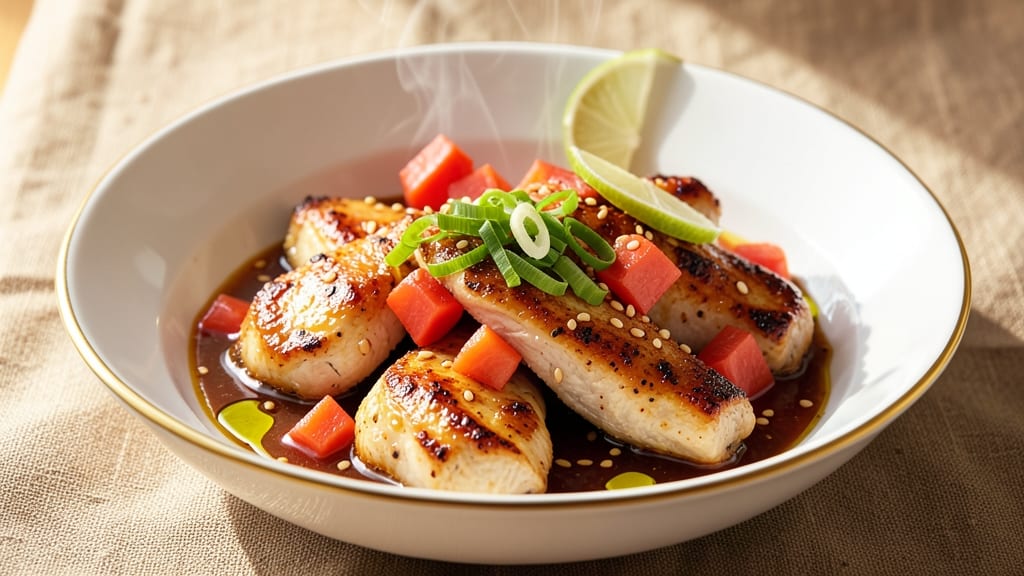
This gluten-free teriyaki sauce with pineapple juice transforms ordinary dishes into something extraordinary—sweet, tangy, and caramelized with tropical depth. 🌟 The pineapple juice adds natural sweetness while balancing the umami richness, creating a sauce that's perfect for glazing, marinating, or drizzling.
What sets this apart is its ability to caramelize beautifully when reduced, adding a glossy sheen and intensified flavor that clings to every bite.
The secret lies in the combination of coconut aminos (a gluten-free soy substitute) and pineapple juice, which work together to mimic traditional teriyaki's complexity without the gluten.
This sauce is versatile enough for grilled meats, tofu stir-fries, or even as a dipping sauce, yet simple enough to make in under 30 minutes. The reduction process concentrates the flavors, ensuring each spoonful delivers bold, restaurant-quality taste.
What you'll end up with is a gluten-free teriyaki sauce that's smooth, aromatic, and packed with caramelized sweetness—ideal for glazing salmon, chicken, or vegetables.
The pineapple juice not only enhances the flavor but also adds a subtle tang that brightens the sauce, making it perfect for both savory and slightly sweet applications.
It stores well in the fridge for up to a week, so you can make a big batch and enjoy it all week long.
Pair this sauce with grilled shrimp skewers, roasted chicken thighs, or crispy tofu for a meal that's both satisfying and dietary-friendly. The caramelized edges and sticky texture make every bite irresistible, proving that gluten-free doesn't mean sacrificing flavor. Let's get started!
Ingredients for gluten free teriyaki sauce recipe with pineapple juice
Tropical sweetness meets umami depth in this gluten-free teriyaki sauce—perfect for glazing or marinating.
| Ingredient | Amount | Notes |
|---|---|---|
| Pineapple Juice 🍍 | 1 cup | Freshly squeezed preferred |
| Coconut Aminos 🥫 | ½ cup | Gluten-free soy substitute |
| Extra-Virgin Olive Oil 🫒 | ¼ cup | For richness and depth |
| Low-Sodium Soy Sauce 🥫 | ¼ cup | Gluten-free tamari preferred |
| Fresh Ginger 🌿 | 2 tbsp | Finely grated, fresh preferred |
| Garlic Cloves 🧄 | 4 cloves | Minced for aromatic depth |
| Honey 🍯 | 2 tbsp | Or maple syrup for vegan |
| Rice Vinegar 🍶 | 2 tbsp | White or apple cider vinegar |
| Sesame Oil 🫒 | 1 tbsp | Toasted sesame oil preferred |
| Diamond Crystal Kosher Salt 🧂 | ½ tsp | Adjust to taste |
The pineapple juice is non-negotiable here—freshly squeezed adds that bright, tropical tang that sets this apart. Trader Joe's and Costco carry affordable canned pineapple juice, but if you've got a blender, fresh is worth the effort. Coconut aminos are the gluten-free secret weapon; La Choy or Annie Chun's are reliable brands. For the ginger and garlic, fresh is ideal, but if you're in a pinch, pre-minced jars work (just drain them well). The olive oil should be extra-virgin—it carries the flavor through the reduction process.
No coconut aminos? Gluten-free tamari or even a mix of low-sodium soy sauce and a pinch of salt gets you close. Skip the honey? Maple syrup or agave works beautifully—just use the same amount. Sesame oil giving you pause? Toasted sesame seeds can be ground into a paste with a pinch of oil, though it won’t be as aromatic. The rice vinegar adds brightness; if you’ve only got apple cider vinegar, use it—just add an extra pinch of salt to balance. For extra depth, a dash of fish sauce (if not vegan) or miso paste can be stirred in at the end.
This sauce tastes even better the next day as the flavors meld. Store in an airtight container in the fridge for up to 1 week. For longer storage, freeze in ice cube trays—thaw and reduce again before using. The reduction process is key: simmer uncovered until syrupy, about 15-20 minutes. If it thickens too much, add a splash of water. The caramelized edges? That’s the magic—don’t rush it.
Why You'll Love This Recipe
- Five-Ingredient Magic: The pantry already has most of this—just add fresh ginger and you’re golden. No fancy techniques, no last-minute grocery runs, just a quick simmer that transforms basic proteins into something irresistible.
- Tropical Twist: That pineapple juice isn’t just for flavor—it cuts through the richness of the olive oil and coconut aminos, balancing everything with a bright, tangy kick. Honestly, I’ve tried store-bought teriyaki, but this tastes like a vacation in a bottle.
- Weeknight & Potluck Star: Drizzle it over grilled chicken for a weeknight dinner, toss it with tofu for meal prep, or bring it to a BBQ—it’s the one sauce that works everywhere. My kids even ask for it at picnics, and that’s saying something.
- Leftovers That Don’t Suck: This sauce actually improves the next day—thicker, richer, and even more flavorful. I make a double batch, store it in the fridge, and use it all week without a single regret. (Yes, even on a Tuesday night.)
Step-by-step instructions for gluten-free teriyaki sauce
Here's how to craft a vibrant, caramelized teriyaki with tropical depth that clings beautifully to proteins.
🍳 Step 1: Bloom the Aromatics in Olive Oil
Heat the 0.25 cup Extra-Virgin Olive Oil in a medium saucepan over medium-low heat. Add the 4 cloves Garlic Cloves and 2 tbsp Fresh Ginger, stirring constantly for 2-3 minutes until fragrant but not browned. You'll know it's ready when the kitchen fills with that bright, citrusy aroma—ginger should smell fresh and garlic should be perfumed, not bitter.
Here's the thing—ginger burns faster than you think. Keep the heat gentle and watch closely. If you see the edges darken, reduce heat immediately. The oil should shimmer gently but not smoke. This aromatic base is the flavor foundation, so don't rush it.
🍳 Step 2: Combine Wet Ingredients for Depth
Pour in the 1 cup Pineapple Juice, 0.5 cup Coconut Aminos, and 0.25 cup Low-Sodium Soy Sauce. Stir well to combine, then add the 2 tbsp Honey and 2 tbsp Rice Vinegar. Bring to a gentle simmer over medium heat, stirring occasionally to prevent sticking. You'll see the sauce start to bubble softly—this is when the flavors begin melding.
Simmer for 8-10 minutes until the liquid reduces by about one-third and the sauce thickens slightly. The pineapple juice will caramelize beautifully, deepening the color to a rich amber. Taste as you go—I like to add a pinch more of the Diamond Crystal Kosher Salt if needed, but the coconut aminos already provide plenty of umami.
🥘 Step 3: Add Final Touches and Finish
Remove the sauce from heat and stir in the 1 tbsp Sesame Oil. This is where the magic happens—the toasty, nutty aroma of sesame oil transforms the sauce into something truly special. Let it cool slightly for 2 minutes, then taste and adjust seasoning. You want a balance of sweet, tangy, and savory with that bright pineapple acidity cutting through.
For a glossy finish, return the sauce to low heat and simmer for another 3-4 minutes until it reaches your desired consistency. It should coat the back of a spoon smoothly but still have body. If it's too thick, whisk in 1-2 tablespoons of water to loosen it. Here's the pro tip: strain it through a fine-mesh sieve if you prefer a silky texture without ginger or garlic bits.
⏰ Step 4: Rest and Caramelize (Optional)
For maximum depth, transfer the sauce to a small saucepan and let it cool completely. Then refrigerate for at least 2 hours (or overnight). This resting period allows the flavors to fully develop and the pineapple sugars to caramelize, creating that signature teriyaki richness. When ready to use, reheat gently over low heat, stirring occasionally, until warmed through.
This step might seem like overkill, but it makes all the difference. The sauce will thicken naturally as it cools, and the caramelization adds layers of complexity. If you're short on time, skip this step—but your sauce will be good, just not quite as extraordinary. Trust me on this one.
Pro Tips For Making Gluten Free Teriyaki Sauce Recipe With Pineapple Juice
- Simmer Low and Slow: This sauce isn’t a race—after combining everything, keep the heat at a gentle simmer (just bubbles occasionally) for 15-20 minutes. I used to crank it up, and the pineapple juice would turn cloudy and lose its bright acidity. Low heat builds depth without scorching the olive oil or turning the coconut aminos bitter.
- Peel and Mince Ginger Like a Pro: Skip the pre-grated ginger—it’s often waterlogged and dull. Instead, peel a 2-inch knob, then mince it finely (almost like a paste) with a sharp knife. The surface area matters: this releases the ginger’s flavor without making the sauce taste like a ginger bomb. (Yes, I’ve burned my tongue on overzealous grating.)
- Balance the Sweet Early: Taste the sauce before adding extra pineapple juice or honey—you’re aiming for a 60/40 sweet-to-salty ratio. Too much pineapple juice later? The sauce gets watery and one-note. Start with half the juice, simmer, then adjust. Trust me, you’ll save yourself from a gloppy mess.
- Use Olive Oil Last: Stir in the extra-virgin olive oil off the heat at the very end—it coats everything beautifully and adds richness without breaking the sauce’s balance. Add it too early, and the heat will turn it bitter. (I learned this after a particularly sad batch where the oil tasted like soap.)
Regional styles of this dish
Hawaiian-Inspired Twist
This teriyaki sauce gets a tropical upgrade by incorporating pineapple juice, a staple in Hawaiian cuisine. The island’s love for sweet-and-tangy flavors shines through, balancing the umami richness of coconut aminos and sesame oil.
For an extra Hawaiian touch, add ½ tsp ground turmeric or 1 tbsp fresh lime juice at the end—both enhance the bright, citrusy profile. 🌺
Japanese Fusion with a Twist
Traditional Japanese teriyaki relies on soy sauce and mirin, but this gluten-free version swaps those for coconut aminos and pineapple juice. The result is a fusion sauce that keeps the classic umami depth while adding tropical sweetness.
For authenticity, use Japanese rice vinegar (like Kikkoman) instead of white vinegar, and finish with a sprinkle of toasted sesame seeds for texture.
Thai-Inspired Glazing Sauce
Thai cuisine loves bold, caramelized glazes, and this teriyaki sauce fits right in. To give it a Thai-inspired kick, stir in 1 tbsp fish sauce (or vegan fish sauce) and 1 tsp red curry paste after removing from heat.
The fish sauce adds depth, while the curry paste introduces a subtle heat. Serve it over grilled chicken or tofu for a dish that’s both familiar and exciting.
Caribbean-Inspired Grilling Sauce
For a Caribbean-inspired twist, swap the rice vinegar for 2 tbsp lime juice and add 1 tbsp chopped cilantro at the end. The lime brightens the sauce, while the cilantro adds a fresh, herbaceous note.
This version works beautifully as a glaze for grilled shrimp or jerk chicken, bringing a fusion of Asian and Caribbean flavors to your table.
Korean-Inspired Gochujang Glaze
For a Korean-inspired fusion, stir in 1 tbsp gochujang (Korean chili paste) and ½ tsp grated ginger during the simmering process. The gochujang adds a spicy, fermented depth that pairs perfectly with the sweetness of the pineapple.
This sauce is ideal for glazing grilled pork belly or tofu, offering a bold, flavorful twist.
Nutrition facts
Frequently asked questions
Can I substitute coconut aminos with another gluten-free soy sauce?
Yes! You can use gluten-free tamari in a 1:1 ratio, or mix low-sodium soy sauce with an extra pinch of salt to mimic the depth. For extra umami, try adding 1 tsp nutritional yeast—it works surprisingly well in sauces. Just remember, coconut aminos have a slightly sweeter profile, so you may need to adjust the honey slightly if using a different substitute.
How do I prevent the sauce from getting too thick or clumpy?
Stir constantly during the 8-10 minute simmer to prevent sticking, and if it thickens too much, whisk in 1-2 tbsp water to loosen it. For a silky texture, strain through a fine-mesh sieve after simmering. The key is patience—don't rush the reduction, or it may seize. If clumps form, simply whisk them out while the sauce is still warm.
What's the best way to use this sauce for grilling?
Brush it on proteins like chicken, shrimp, or tofu in the last 5-7 minutes of grilling for maximum caramelization. For extra stickiness, marinate your protein in half the sauce for 30 minutes before grilling. The pineapple juice helps create a beautiful glaze, so don't be shy—it's made to shine! Pair it with grilled pineapple slices for a tropical twist.
Can I make this sauce without honey?
Swap the honey for 2 tbsp maple syrup or agave nectar for a vegan option, or use 1 tbsp brown sugar dissolved in the pineapple juice. The sauce will still caramelize beautifully, though honey adds a unique floral note. If using brown sugar, reduce the sauce slightly longer to avoid a grainy texture.
How long will this sauce keep, and can I freeze it?
Store in an airtight container in the fridge for up to 1 week, or freeze in ice cube trays for up to 3 months. To use frozen cubes, thaw overnight in the fridge, then reheat gently with a splash of water. The sauce actually improves after resting, so making a big batch is worth it—just