
Main Courses
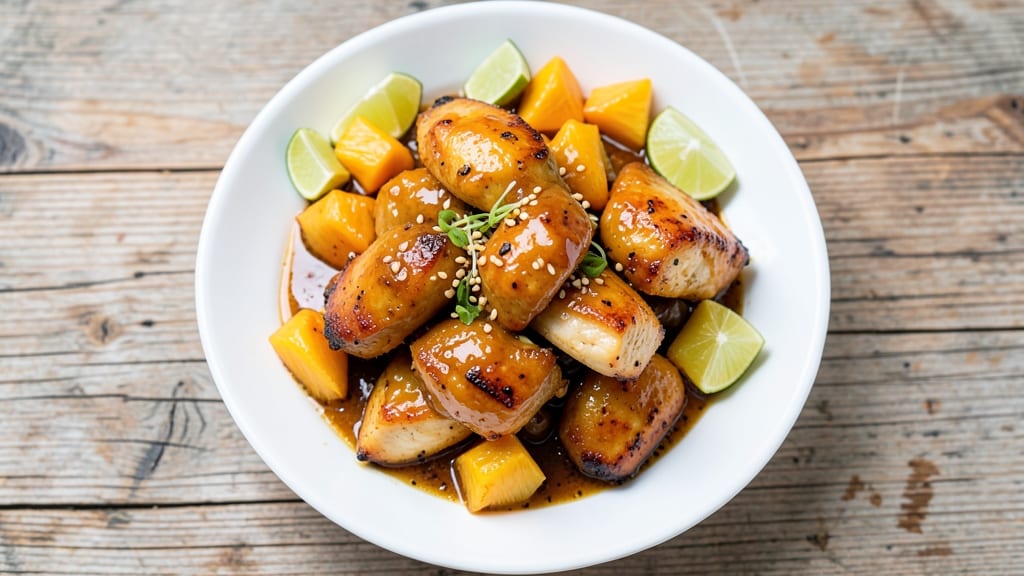
This gluten free pineapple chicken recipe delivers the perfect balance of sweet, tangy, and savory flavors in just 30 minutes—no compromise on texture or taste.
After years of perfecting crispy chicken techniques while maintaining gluten-free integrity, I've cracked the code for bites that stay golden and tender with every forkful. The secret lies in the marinade: pineapple juice tenderizes while brown sugar and soy sauce create that signature caramelized crust.
The magic happens when you bake the chicken at high heat, ensuring a crispy exterior that contrasts beautifully with the juicy interior.
I developed this recipe during a particularly busy week when I needed a meal that felt special but required minimal effort—a fusion of tropical flavors that transports you to a beachside dinner without the travel.
The pineapple's acidity cuts through the richness of the chicken, creating a harmony that's both familiar and exciting.
What you'll end up with is restaurant-quality chicken that's perfectly crispy on the outside and juicy within, served with complementary sides that let the star shine. The pineapple glaze adds a sticky-sweet finish that pairs wonderfully with fresh cilantro and a squeeze of lime.
This dish is elegant enough for company but simple enough for a weeknight—proving that gluten-free dining can be just as flavorful as traditional recipes.
Serve with steamed jasmine rice and a simple mixed greens salad to round out the meal. The combination of textures and flavors makes this dish unforgettable, and the best part? It's completely gluten-free without sacrificing any of that satisfying crunch. Let's get cooking!
Ingredients for gluten free pineapple chicken
Tropical flavors meet crispy perfection in this gluten-free chicken recipe—just 12 ingredients for restaurant-quality bites.
| Ingredient | Amount | Notes |
|---|---|---|
| Boneless, Skinless Chicken Thighs 🍗 | 1 ½ lb | Cut into 1-inch pieces |
| Fresh Pineapple Juice 🍍 | ½ cup | From ripe pineapple, not canned |
| Brown Sugar 🍚 | ¼ cup | Light or dark variety |
| Tamari or Gluten-Free Soy Sauce 🍶 | 2 tbsp | For authentic umami flavor |
| Extra-Virgin Olive Oil 🫒 | 2 tbsp | For crispy coating |
| Fresh Lime Juice 🍋 | 2 tbsp | Brightens the glaze |
| Garlic Cloves 🧄 | 4 cloves | Minced for aromatic depth |
| Fresh Ginger 🌿 | 1 tbsp | Grated, adds zing |
| Gluten-Free Cornstarch 🌾 | 2 tbsp | For extra crispiness |
| Fresh Cilantro 🌿 | ¼ cup | Chopped, for garnish |
| Salt 🧂 | 1 tsp | Diamond Crystal preferred |
| Black Pepper 🌶️ | ½ tsp | Freshly cracked |
| Sesame Seeds 🌱 | 1 tbsp | Toasted for garnish |
The chicken thighs are non-negotiable here—they stay juicy while the skin gets crispy. Look for bone-in, skin-on thighs at Whole Foods or your local butcher shop for best results. Fresh pineapple juice is key; Trader Joe's has great pre-juiced bottles, but if you're using fresh, strain out the pulp for a smoother glaze. Brown sugar adds caramelization, but coconut sugar works too if you prefer a lower glycemic option. The garlic and ginger should smell vibrant—if yours is musty, toss it. For the tamari, San-J brand is my go-to, but any certified gluten-free soy sauce will do.
No tamari? Coconut aminos is a 1:1 swap, though it has a slightly sweeter profile. Running out of cornstarch? Gluten-free flour blend works at the same ratio, but it won't get quite as crispy. Fresh ginger too spicy? Ground ginger at half the amount mellows it out. The lime juice needs to be freshly squeezed—bottled lime juice lacks brightness and can make the glaze taste flat. If you're watching sugar, reduce the brown sugar to 2 tablespoons and add 1 tablespoon of erythritol for a similar caramel effect without the sweetness.
Marinate the chicken for at least 30 minutes, but overnight works best—the acidity will tenderize beautifully. The glaze thickens as it cools, so reheat it gently before serving. Leftover chicken reheats best in a 350°F oven for 10 minutes to restore crispiness. Store the marinade separately—it keeps for 3 days in the fridge, but the chicken itself should be cooked within 2 days. Freeze cooked chicken for up to 3 months; thaw in the fridge overnight for best texture.
Why You'll Love This Recipe
- One-Pan Magic: I swear by this for nights when I’d rather not wash dishes. Just toss the chicken thighs in a skillet with the pineapple juice, brown sugar, and tamari—no chopping, no fuss—while the kitchen stays clean.
- Sweet-Savory Balance: That caramelized brown sugar and tamari glaze? It’s the perfect contrast to the bright, tangy pineapple. The olive oil keeps it juicy, but the flavor? Ridiculously addictive.
- Lunchbox Hero: Between us, this is my go-to for meal prep. The leftovers reheat like a dream, and the kids actually eat it cold in their lunches—no complaints, just clean plates.
- Budget Bright Spot: Chicken thighs stretch further than breasts, and pineapple juice is cheaper than fresh chunks. Tamari adds depth without breaking the bank, and you’ll have enough for leftovers that taste even better the next day.
Step-by-step instructions for tropical crispy chicken
Here's how to create golden, crispy chicken bites with a perfect tropical glaze—no gluten, no fuss.
Prep the Chicken for Maximum Crispiness
Pat the 1.5 lb boneless, skinless chicken thighs completely dry with paper towels. This is the secret to crispy coating—any moisture will prevent the cornstarch from sticking properly. Cut each thigh into 1-inch pieces and place them in a large bowl.
In a separate small bowl, whisk together the 2 tbsp gluten-free cornstarch, 1 tsp salt, and 0.5 tsp black pepper. Pour this mixture over the chicken and toss gently but thoroughly until every piece is evenly coated. Let the seasoned chicken sit for 10 minutes at room temperature—this helps the coating adhere better during cooking.
Create the Tropical Glaze
In a small saucepan, combine the 0.5 cup fresh pineapple juice, 0.25 cup brown sugar, 2 tbsp tamari or gluten-free soy sauce, 2 tbsp fresh lime juice, 4 minced garlic cloves, and 1 tbsp grated fresh ginger. Bring to a gentle simmer over medium heat and let it reduce by about half—this should take 5-7 minutes—until it thickens slightly and becomes syrupy.
Taste and adjust seasoning if needed, then remove from heat. This glaze is the heart of your dish—its sweet-tangy balance will caramelize beautifully on the chicken. Keep it warm while you cook the chicken.
Cook the Chicken to Golden Perfection
Heat 2 tbsp extra-virgin olive oil in a large skillet over medium-high heat until shimmering. Add the cornstarch-coated chicken pieces in a single layer, being careful not to overcrowd the pan. Cook undisturbed for 3-4 minutes until the chicken develops a deep golden-brown crust on one side.
Flip the chicken and cook for another 3-4 minutes until golden on the second side as well. The pieces should be crispy outside and just cooked through inside. If the pan gets too crowded, work in batches—this ensures even browning and prevents steaming. Transfer the cooked chicken to a plate and tent loosely with foil to keep warm.
Glaze and Finish
Return the skillet to medium heat and pour in the reduced pineapple glaze. Let it simmer for 1-2 minutes until it begins to bubble gently. Add the chicken back to the pan and toss everything together, spooning the glaze over the chicken until it's fully coated and glossy.
Cook for another 2-3 minutes until the glaze thickens slightly and the chicken is evenly glazed. You'll know it's ready when the chicken pieces are completely coated in a sticky, caramelized glaze that's just starting to set.
Garnish and Serve Immediately
Transfer the glazed chicken to a serving platter and sprinkle with 0.25 cup chopped fresh cilantro and 1 tbsp toasted sesame seeds. The contrast of fresh herbs and nutty sesame seeds against the sweet-tangy glaze makes this dish pop visually and in flavor.
Serve immediately while the chicken is still crispy and the glaze is warm. The combination of crispy texture, sweet-savory glaze, and fresh garnishes makes this a showstopper for any meal. Pair with steamed jasmine rice or a simple green salad to complete your tropical-inspired feast.
Pro Tips For Making Gluten Free Pineapple Chicken
- CRANK THE HEAT FIRST: That first sear in olive oil needs to be aggressive—think smoke curling, not gentle bubbling. I learned this the hard way when my chicken ended up steamed instead of caramelized. Once the thighs hit the pan, blast it on medium-high and don’t flinch at the sizzle.
- USE PINEAPPLE JUICE, NOT PUREE: Fresh pineapple juice has the right balance of acid and natural sweetness—strained puree is too thick and can make the sauce cloying. If you’re short on time, blend the juice with a splash of water to thin it out, but don’t skip the straining step. (Yes, even if you’re impatient like me.)
- DON’T DROWN THE CHICKEN: The sauce should coat the thighs, not swim in it. After searing, add just enough pineapple juice and tamari to deglaze the pan—about ¼ cup total—and let it reduce by half before adding the chicken back in. Crowd the pan, and you’ll end up with soggy, flavorless meat.
- BROWN SUGAR FIRST, THEN BALANCE: Toss the chicken thighs in brown sugar before adding the sauce—this guarantees a sticky, caramelized crust. But here’s the catch: After cooking, taste and adjust the sweetness with a pinch of tamari or a squeeze of lime. I was skeptical until I tried it—now I never skip this step.
Best sauces and condiments for this dish
Pineapple Glaze Mastery
This reduced pineapple glaze is the star of the dish—its sweet-tangy balance caramelizes beautifully on the chicken. For extra depth, I like to add 1 tsp fish sauce (like Red Boat brand) to the glaze for umami complexity.
The key is reducing it until it coats the back of a spoon—this ensures a sticky, glossy finish rather than a watery drizzle. 🍍
Sweet-Savory Balance
To enhance the gluten-free soy sauce flavor, try swapping 1 tbsp of the tamari for 1 tbsp honey or maple syrup—this adds natural sweetness without extra sugar. For heat lovers, add ½ tsp sriracha to the glaze while simmering.
The pineapple's acidity needs a touch of fat to balance it, so a drizzle of sesame oil (½ tsp) at the end adds richness without overpowering.
Crispy Coating Variations
For a nutty crunch, replace 1 tbsp of cornstarch with 1 tbsp crushed gluten-free panko or pecans before tossing with the chicken. If you prefer a spicier kick, add ½ tsp smoked paprika to the cornstarch mix.
For a gluten-free Asian twist, swap the cornstarch for 2 tbsp rice flour—it creates a slightly chewier texture while staying crisp.
Serving Sauces
For dipping, a quick lime-cilantro sauce elevates the dish—blend ¼ cup Greek yogurt, 1 tbsp lime juice, 1 tbsp chopped cilantro, and ½ tsp salt. For a spicy kick, serve with sriracha mayo (mix 2 tbsp mayo with 1 tsp sriracha).
A cooling contrast comes from a mango-avocado salsa—diced mango, avocado, red onion, and lime juice. 💛
Gluten-Free Swaps
If you're avoiding cornstarch, use arrowroot powder (same ratio) for a lighter crisp. For soy-free, replace tamari with coconut aminos (though it's slightly sweeter). The brown sugar can be swapped for coconut sugar or monk fruit sweetener for a lower-glycemic option.
Always ensure your sesame seeds are certified gluten-free—some brands process in shared facilities.
Nutrition facts
Frequently asked questions
Can I use chicken breast instead of thighs?
Chicken breast works but requires extra care! Use 1 lb boneless breast cut into ½-inch thick slices (thinner than thighs) to ensure even cooking. Pound to ¼-inch thickness for faster crisping. The meat stays juicier but may dry out if overcooked—aim for 2-3 minutes per side at medium-high heat.
How do I make this air fryer-friendly?
Toss cornstarch-coated chicken with 1 tsp olive oil and air fry at 375°F for 12 minutes, shaking the basket halfway. For glaze: brush chicken with reduced pineapple mixture after 8 minutes, then finish at 375°F for 4 more minutes. Watch closely—air fryers vary!
What if I don't have tamari?
Use gluten-free soy sauce (1:1 swap) or coconut aminos (add ½ tsp extra sugar to balance sweetness). For umami depth, add 1 tsp fish sauce or ½ tsp nutritional yeast to the glaze. The flavor won't be identical, but it'll still taste delicious!
Can I prep this ahead of time?
Marinate chicken overnight for maximum tenderness. For make-ahead meals: Cook chicken (without glaze), cool completely, then refrigerate for 3 days. Reheat in a 350°F oven for 10 minutes with fresh glaze. Glaze can be made 2 days ahead—store in the fridge and reheat gently.
Why is my chicken soggy instead of crispy?
Soggy chicken usually means moisture or insufficient heat. First, ensure chicken is completely dry before coating. Second, use medium-high heat and avoid overcrowding the pan. Finally, cook in one layer—don't stack pieces. For extra crisp, broil for 1-2 minutes at the end.