
Main Courses
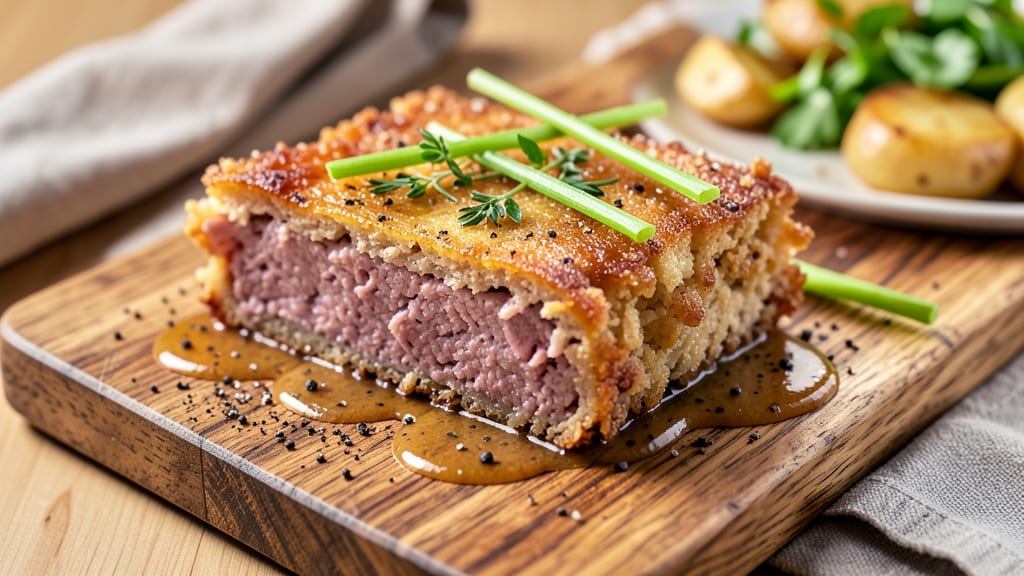
This fried scrapple recipe transforms humble pork scraps into crispy, golden bites with a celery-crusted crunch that’s impossible to resist. 🔥 The secret lies in the perfect balance of cornmeal and spices, creating a texture that’s both satisfying and nostalgic—like a homey breakfast staple with a gourmet twist.
What makes this recipe stand out is the traditional method adapted for modern kitchens, ensuring crispy edges without deep-frying hassles.
The process begins with grinding pork scraps and binding them with cornmeal and spices, then shaping into patties that develop a crispy exterior while staying tender inside. Pan-frying in small batches guarantees even cooking, while the celery crust adds a refreshing contrast to the savory pork.
This dish delivers restaurant-quality results with minimal effort, perfect for breakfast or brunch lovers.
By the time you serve these crispy scrapple bites, your kitchen will smell like a classic diner, and your guests will be reaching for seconds. The golden-brown crust gives way to tender pork, making every bite a flavorful experience.
Serve with maple syrup, gravy, or a fried egg for the ultimate comfort meal.
Whether you're a scrapple purist or a curious home cook, this recipe bridges tradition and convenience. The key is patience—letting the scrapple set properly before frying ensures that crispy texture you crave. Ready to master this hearty dish? Let’s get started.
Ingredients for fried scrapple
Pork scraps, cornmeal, and celery—simple ingredients for restaurant-style crispy scrapple bites.
| Ingredient | Amount | Notes |
|---|---|---|
| Pork Scraps 🥓 | 1 ½ lb | Fresh or frozen, skin removed |
| Yellow Cornmeal 🌽 | 1 cup | Fine grind for crispiness |
| Celery Stalk 🥬 | 1 whole | Finely chopped for crust |
| All-Purpose Flour 🌾 | ½ cup | For binding mixture |
| Ground Black Pepper 🌶️ | 1 tbsp | Freshly ground preferred |
| Salt 🧂 | 1 tsp | Kosher or sea salt |
| Onion Powder 🧅 | ½ tsp | For savory depth |
| Garlic Powder 🧄 | ½ tsp | Freshly ground preferred |
| Vegetable Oil 🫒 | ½ cup | For pan-frying (high smoke point) |
| Eggs 🥚 | 1 whole | For binding mixture |
| Buttermilk 🥛 | ¼ cup | For extra tenderness |
| Fresh Parsley 🌿 | ¼ cup | Chopped for garnish (optional) |
The pork scraps are the star here—fresh or frozen, but make sure they're skinless for that tender bite. Most butchers will trim the fat for you, but if you're using frozen scraps, thaw them overnight in the fridge. Costco or local farms often have the best deals on bulk pork scraps, and they're usually pre-trimmed. For the celery, avoid the stringy outer stalks—pick the crisp, pale green ones from the center of the bunch. The cornmeal matters too: Bob's Red Mill or Annie's are my go-tos for that fine grind that gives the crust its signature crunch. If you can't find fresh scraps, check the freezer section of grocery stores—they often have scraps labeled for 'pork sausage' or 'ground pork' that work perfectly.
No buttermilk? Plain yogurt thinned with a splash of milk does the trick. Short on celery? Substitute finely chopped green bell pepper—it adds a subtle sweetness that works surprisingly well. The egg can be swapped for 1 tbsp flaxseed meal + 3 tbsp water if you're avoiding eggs, but trust me, the egg makes it crispier. For the spices, Diamond Crystal kosher salt is my go-to—it dissolves better than table salt. If you're feeling fancy, add a pinch of nutmeg for that classic diner flavor. The oil is key here: vegetable or canola oil has a high smoke point, but avocado oil is my secret weapon for extra crispiness without burning.
This scrapple is best made fresh, but you can prep the mixture ahead and refrigerate it for up to 24 hours—just let it sit at room temp for 30 minutes before frying. The leftovers? Reheat in a skillet with a little oil until crispy again. They keep for 3-4 days in the fridge, but honestly, they won't last that long. For a restaurant-style touch, serve with maple syrup or gravy—the contrast of sweet and savory is what makes this dish legendary. Freeze any extras in a single layer, then transfer to a bag for up to 3 months. Pro tip: Double the batch—it disappears faster than you can say 'crispy scrapple.'
Why You'll Love This Recipe
- Pork Scraps Put to Work: I swear by this recipe for turning tough cuts into something golden and crispy—no fancy cuts needed. That celery stalk in the mix adds just enough earthy bite to balance the richness, and honestly? It’s the kind of dish where you’re not just feeding people; you’re using what you’ve got.
- Crispy-Creamy Magic: The cornmeal crust gets gloriously crunchy while the inside stays tender—like a hug from your grandma’s kitchen. Black pepper finishes it with a little kick, and between us, that’s the secret to making scrapple taste like it belongs on a breakfast table, not just a trash can.
- Weeknight Workhorse: Serve it for brunch with maple syrup, toss it in a sandwich, or just eat it straight with ketchup—this stuff adapts. I’ve even reheated leftovers in the pan for a quick hash, and no one ever complains. (Yes, even on a Tuesday night.)
- Budget Breakthrough: Pork scraps are cheap, and this recipe stretches them into a full meal without breaking the bank. One batch feeds my whole family, and the leftovers? They’re the reason I don’t stress about grocery bills. Plus, the flour and cornmeal are pantry staples—no extra shopping needed.
Step-by-step instructions for crispy celery-crusted scrapple
Here's how to transform humble pork scraps into golden, crispy scrapple bites that'll have everyone begging for seconds.
👨🍳 Step 1: Prep the Pork Scraps for Maximum Crisp
Start by rinsing the 1.5 lb pork scraps under cold water and patting them completely dry with paper towels. I can't stress this enough—any moisture will prevent that perfect crispy crust. Place them in a large bowl and let them sit at room temperature for 15 minutes before handling. This makes them easier to work with and helps the crust adhere better.
While they're coming to room temperature, chop the 1 whole celery stalk into a fine paste using a food processor or sharp knife. You want it almost like a salsa consistency—this will be the secret to that signature celery crust. The finer you chop it, the more flavor you'll get in every bite. Set it aside for now.
👨🍳 Step 2: Create the Crispy Crust Mixture
In a separate bowl, whisk together the 0.5 cup all-purpose flour, 1 cup yellow cornmeal, 1 tbsp ground black pepper, 1 tsp salt, 0.5 tsp onion powder, and 0.5 tsp garlic powder. This dry mix is what gives scrapple its signature texture and flavor. I like to use freshly ground pepper here—it makes a noticeable difference in the final bite.
In another bowl, beat the 1 whole eggs and 0.25 cup buttermilk until just combined. The buttermilk adds tenderness while the egg helps bind everything together. Add the chopped celery to this wet mixture and stir well. Now pour the wet ingredients into the dry ingredients and mix until you have a thick, crumbly batter that clings together when pressed.
🔥 Step 3: Coat the Scraps for Crispy Perfection
Heat 0.5 cup vegetable oil in a large skillet over medium heat until it shimmers but doesn't smoke. While the oil heats, take each piece of pork scrap and press it gently into the crust mixture, making sure it's fully coated. I press down firmly with my fingers—this ensures even coverage and prevents the crust from falling off during frying. You should have enough crust mixture to coat all the scraps completely.
Let the coated scraps sit for 5 minutes while the oil gets hot. This resting time helps the crust adhere better. You'll know the oil is ready when a small piece of crust dropped in sizzles immediately and turns golden brown within 30 seconds. This is the moment that matters—getting the oil temperature just right ensures that perfect crispy exterior.
🍳 Step 4: Fry Until Golden and Crispy
Working in batches if needed (don't overcrowd the pan), carefully add the coated scraps to the hot oil. Fry for 3-4 minutes per side until they're deep golden brown and the crust is crispy. You'll know they're ready when they release easily from the pan and the crust has that satisfying crunch. If they brown too quickly, reduce the heat slightly—you want even cooking without burning.
As they fry, you'll smell that amazing savory aroma filling your kitchen. That's the smell of scrapple perfection! Transfer the fried scraps to a paper towel-lined plate to drain any excess oil. They'll be piping hot and ready to serve immediately. For extra flavor, sprinkle with the 0.25 cup chopped fresh parsley right before serving—it adds a fresh pop of color and brightness that cuts through the richness.
🍽️ Step 5: Serve Hot with Classic Sides
Serve the crispy scrapple immediately while it's still hot and crispy. I like to cut each piece into bite-sized portions for easy serving. The outside should be golden and crunchy with that perfect celery crust, while the inside remains tender and flavorful. This dish is fantastic on its own, but it's even better with classic sides like scrambled eggs, crispy hash browns, or a simple green salad to balance the richness.
Real talk: the first time I made this, I nearly burned the scraps because I got impatient. Don't rush the cooking process—let them fry until they're golden brown on both sides. That crispy crust is what makes scrapple special, and it's worth the wait. Enjoy your homemade scrapple while it's hot!
Pro Tips For Making Fried Scrapple
- Boil Scraps Longer: I learned this the hard way—pork scraps need a solid 3-4 hours of simmering to break down properly. Skimp here, and your scrapple will stay tough as boot leather, no matter how much you fry it later.
- Grind Celery First: Finely chop that celery stalk before adding it to the pot—it blends in better and adds subtle flavor without chunks. (Yes, even if it looks weird in the mix, trust the process.)
- Don’t Overcrowd the Pan: Fried scrapple needs space to crisp, not a steam bath. Cook in batches if needed—crowding turns your golden crust into soggy disappointment.
- Use Cold Scrapple: Take the scrapple straight from the fridge before slicing—it holds shape better and fries up cleaner. (Your future self will thank you for skipping the "warm it up first" shortcut.)
Troubleshooting your fried scrapple
Crust Not Adhering
If your crust keeps falling off during frying, your pork scraps are likely too wet or the crust mixture isn't sticking properly. First, ensure your scraps are completely dry—pat them with paper towels and let them sit for 15 minutes at room temperature before coating.
For extra adhesion, press the scraps firmly into the crust mixture with your fingers, making sure every surface is fully coated. I also recommend chilling the coated scraps in the fridge for 10-15 minutes before frying—this helps the crust set better. 💡
Uneven Cooking
If one side is crispy while the other remains raw, your oil temperature is likely inconsistent. Use a deep skillet (like a 12-inch cast iron) and maintain medium heat—not too hot, not too low.
Test the oil by dropping in a small piece of crust: it should sizzle and turn golden in 30 seconds. If it browns too quickly, reduce the heat slightly. Avoid overcrowding the pan—fry in small batches for even cooking.
A thermometer (like the Thermoworks Smoke) helps monitor oil temp at 350-375°F.
Soggy Interior
Soggy scrapple usually means the pork wasn’t cooked long enough or the crust absorbed too much oil. Fry each piece for 3-4 minutes per side until the internal temperature reaches 160°F—use a meat thermometer for accuracy.
For extra tenderness, add 1 tbsp extra buttermilk to the wet mixture, but don’t overdo it. Let the fried scraps rest on a wire rack (not paper towels) for 2-3 minutes before serving—this prevents steam from making them soggy. 🥗
Burning Too Fast
If your scrapple burns before it’s fully cooked, your oil is too hot. Reduce the heat to medium-low and let the oil recover—it should shimmer gently, not smoke. Use vegetable or avocado oil (high smoke point) and avoid reusing oil for multiple batches.
If the crust browns too quickly, spread the scraps out more in the pan and fry one side at a time. A splash of cold water in the oil can also help lower the temp temporarily. Patience is key—rush the process, and you’ll end up with charred scraps. 🔥
Dry or Tough Texture
Dry scrapple often means the pork was overcooked or the crust mixture was too dry. Ensure your scraps are fresh or thawed properly—frozen scraps can release moisture unevenly. For extra moisture, add 1 tbsp extra buttermilk or 1 egg yolk to the wet mixture.
Fry at a consistent medium heat (not high) and remove scraps as soon as they’re golden. If they’re still dry after frying, brush with a little melted butter before serving to restore moisture. 💪
Nutrition facts
Frequently asked questions
What’s the best way to store leftover fried scrapple?
Store in an airtight container in the fridge for up to 4 days. Reheat in a skillet over medium heat with a splash of oil until crispy again. For longer storage, freeze in a single layer before transferring to a bag for up to 3 months. Thaw overnight in the fridge before reheating.
Can I make scrapple without pork scraps?
Yes! Use chicken livers or ground pork instead, but texture will differ. For a vegetarian option, try mushrooms or seitan mixed with vital wheat gluten for binding. The crust mixture (cornmeal, celery, egg) remains the same—just adjust cooking time for the alternative protein.
How do I know when the oil is ready for frying?
Drop a small piece of crust into the oil—it should sizzle immediately and turn golden brown in 30 seconds. The oil should shimmer but not smoke. Use a thermometer for precision: aim for 350-375°F. If it browns too quickly, reduce heat slightly or spread scraps out more in the pan.
Why does my scrapple taste bland?
Boost flavor with extra spices: add ½ tsp smoked paprika or ¼ tsp cayenne to the dry mix. For depth, marinate the pork scraps in soy sauce or Worcestershire sauce for 30 minutes before coating. Fresh herbs like parsley or thyme in the crust also elevate the taste.
What’s the best way to serve fried scrapple?
Pair with classic breakfast sides: scrambled eggs, hash browns, or buttered toast. For a sweet-savory twist, drizzle with maple syrup or serve with apple butter. It’s also great in sandwiches with cheddar cheese or on a breakfast burrito.