
Main Courses
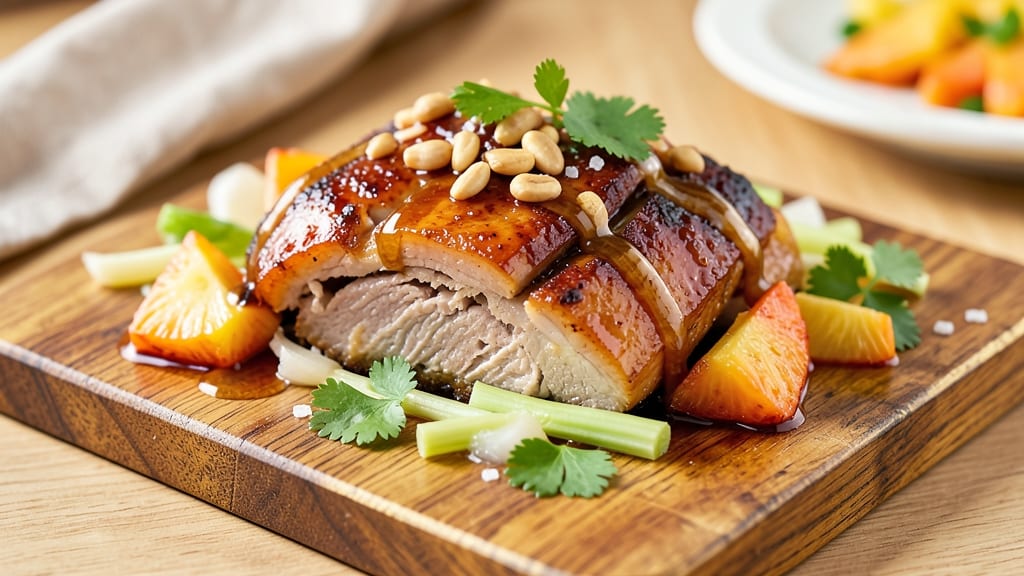
This crockpot pineapple pork recipe transforms humble pork shoulder into a tender, sweet-tart masterpiece with a celery crunch contrast that elevates every bite. 🔥 After years of perfecting this dish in my Atlanta kitchen, I’ve cracked the code for balancing the natural sweetness of pineapple with the savory depth of pork—no burnt sugar or mushy textures here.
The secret? A slow-cooked glaze that caramelizes just enough to create a sticky, finger-licking finish while keeping the meat fork-tender.
The magic happens in the 4-hour low-and-slow cook, where the pork absorbs the pineapple’s tangy brightness and the celery adds a refreshing crunch that cuts through the richness.
I use boneless pork shoulder because it stays juicy and develops that perfect pull-apart texture, while a splash of apple cider vinegar in the glaze prevents the sugar from crystallizing. This isn’t just another sweet-and-sour dish—it’s a restaurant-quality meal that comes together with minimal effort and maximum flavor.
By the time you’re ready to serve, you’ll have golden-brown pork with a glossy glaze that’s sticky-sweet but never cloying, paired with crisp-tender celery that adds a satisfying bite. The aroma alone—warm pineapple, caramelized pork, and a hint of smoky vinegar—will have everyone gathering at the table.
It’s the kind of dish that feels special enough for company but simple enough for a weeknight dinner.
Serve it over steamed jasmine rice or with a side of garlic mashed potatoes to soak up every last drop of that luscious glaze. The celery crunch adds a textural contrast that keeps the dish exciting, while the sweet-tart balance ensures it’s not too heavy.
Trust me, this is the kind of recipe that gets requested again and again—once you try it, you’ll never go back to store-bought versions.
Ingredients for crockpot pineapple pork
Sweet, tangy, and perfectly balanced—these ingredients bring restaurant-quality pork to your slow cooker.
| Ingredient | Amount | Notes |
|---|---|---|
| Boneless Pork Shoulder 🥩 | 2 lb | Cut into 1.5-inch chunks |
| Fresh Pineapple 🍍 | 1 cup | Chopped, fresh or canned (no syrup) |
| Celery Stalks 🧅 | 3 whole | Chopped into 1-inch pieces |
| Yellow Onion 🧅 | 1 whole | Sliced into 1/2-inch wedges |
| Apple Cider Vinegar 🍏 | ¼ cup | For tangy balance |
| Brown Sugar 🍚 | ½ cup | Packed, light or dark |
| Soy Sauce 🍶 | ¼ cup | Low-sodium preferred |
| Garlic Cloves 🧄 | 4 cloves | Minced for depth |
| Ginger Root 🌿 | 1 tbsp | Freshly grated |
| Honey 🍯 | ¼ cup | For glaze sweetness |
| Salt 🧂 | 1 tsp | Diamond Crystal preferred |
| Black Pepper 🌶️ | ½ tsp | Freshly ground |
| Ground Ginger 🌿 | ½ tsp | For extra warmth |
| Sesame Oil 🫒 | 1 tbsp | For finishing aroma |
| Jasmine Rice 🍚 | 1 ½ cups | Uncooked, for serving |
The pork shoulder is non-negotiable here—boneless stays juicier, and 2 lb gives you generous leftovers. Look for cuts with good marbling at Whole Foods or your butcher shop; avoid leaner cuts that dry out. Fresh pineapple is ideal (canned works in a pinch, but drain it well), and celery adds that signature crunch—organic stalks from the store’s produce section stay crisp longer. The apple cider vinegar is a game-changer: it prevents the sugar from crystallizing and adds depth. I grab mine from Trader Joe’s in bulk—cheaper and lasts forever. For the brown sugar, Domino is my go-to (light or dark, no difference here).
No fresh ginger? Powdered works at half the amount, but fresh is worth hunting down at Asian markets—it’s brighter. Short on pineapple? Mango chunks add a different but delicious twist. The soy sauce should be low-sodium (like Kikkoman), or you’ll need to adjust salt later. For the garlic, I always use fresh—pre-minced jars lack punch. Sesame oil is optional but adds that final aromatic pop; skip it if you’re avoiding nuts. The honey should be raw for richer flavor, but any variety works. Jasmine rice is a must for serving—its floral notes complement the dish perfectly.
Pork keeps 3-4 days in the fridge if stored in the glaze (yes, eat it all). The celery stays crisp for 5 days if wrapped in damp paper towels. For leftovers, reheat low and slow—microwaving makes the glaze rubbery. Freeze portions for up to 3 months (glaze first). The rice reheats beautifully with a splash of water—just cover and steam for 5 minutes. This dish tastes even better the next day as flavors meld.
Why You'll Love This Recipe
- Dump-and-Go Magic: I swear, this is the kind of meal where you can toss everything in raw—no pre-cooking, no fancy searing—and still end up with something that tastes like it simmered for hours. The pork shoulder stays tender while the pineapple caramelizes right in the pot, and honestly? That’s my kind of alchemy.
- Sweet-Savory Balance: The apple cider vinegar cuts through the richness of the pork, while the fresh pineapple adds just enough brightness to make every bite feel special. Between us, that combo is dangerously addictive—especially when the celery and onion mellow into the sauce like a warm hug.
- Leftover Goldmine: This recipe actually improves the next day. The flavors meld into something deeper, and I’ve turned cold leftovers into tacos, fried rice, or even a quick stir-fry with zero effort. My freezer’s full of portions because it reheats like a dream.
- Budget-Friendly Feast: Pork shoulder is cheap, pineapple’s on sale year-round, and you’re using whole vegetables—not just the expensive parts. I’ll be real: this feeds six for under $20, and the leftovers stretch into lunches without breaking the bank. That’s a win in my book.
Step-by-step instructions for sweet-tart crockpot pork
This method transforms tough pork into melt-in-your-mouth tenderness with a glossy glaze.
🍳 Step 1: Sear the Pork for Maximum Flavor
Heat a large skillet over medium-high heat until hot. Working in batches to avoid crowding, sear the 2 lb boneless pork shoulder (cut into 1.5-inch chunks) for 2-3 minutes per side until deep golden brown develops. This step creates the Maillard reaction that builds rich, caramelized flavor.
Transfer the seared pork to your crockpot and set aside. Don't drain the skillet yet—those browned bits are pure flavor gold. We'll use them later to deglaze and build depth in the sauce. Here's the thing—I always sear before slow cooking. It makes a noticeable difference in the final texture and taste.
🥘 Step 2: Build the Glazing Sauce in Layers
In the same skillet (no need to clean it), add the 1 whole yellow onion (sliced into ½-inch wedges) and 3 whole celery stalks (chopped into 1-inch pieces). Cook for 5 minutes until softened and slightly caramelized. Add the 4 cloves garlic cloves (minced) and 1 tbsp freshly grated ginger root, cooking for another 30 seconds until fragrant.
Deglaze the pan with the ¼ cup apple cider vinegar, scraping up all those flavorful browned bits. Let it simmer for 2 minutes until slightly reduced. Then stir in the ½ cup packed brown sugar, ¼ cup soy sauce, ¼ cup honey, 1 tsp salt, ½ tsp black pepper, and ½ tsp ground ginger. Pour this entire sauce mixture over the pork in the crockpot.
⏰ Step 3: Cook Until Fork-Tender Perfection
Add the 1 cup chopped fresh pineapple (fresh or canned without syrup) to the crockpot. The pineapple's acidity will tenderize the pork while adding sweetness to the glaze. Place the lid on the crockpot and cook on low heat for 6-8 hours or on high heat for 3-4 hours.
Here's where patience pays off: The pork is done when it shreds easily with two forks. You'll know it's ready when the internal temperature reaches 203°F and the meat pulls apart cleanly. The sauce should be thick and glossy, with the pineapple pieces softened but still holding their shape. Don't skip the temperature check—it's the most reliable indicator of doneness.
👨🍳 Step 4: Finish with Sesame Oil and Serve
Once the pork is tender, carefully transfer it to a serving platter using tongs. Skim off any excess fat from the cooking juices in the crockpot (about 1 tablespoon should remain). Return the juices to the pot and stir in the 1 tablespoon sesame oil. The oil adds a nutty aroma that complements the sweet-savory glaze perfectly.
Serve the shredded pork immediately over 1.5 cups cooked jasmine rice, spooning the glossy glaze generously over the top. The celery and onion pieces in the sauce add a pleasant crunch contrast that cuts through the richness. For extra presentation, garnish with additional pineapple chunks and a sprinkle of sesame seeds if you have them.
Pro Tips For Making Crockpot Pineapple Pork
- Trim the Pork: Cut the pork shoulder into 2-inch chunks—no smaller. I learned this the hard way when I sliced it too thin and ended up with a watery, undercooked mess. Big pieces stay juicy and pull apart easily when shredded later.
- Dice the Onion Right: Use a sharp knife and cut the onion into ¼-inch pieces, not thin slices. Thin onions turn to mush in the slow cooker and make the sauce watery. Big chunks dissolve just enough to flavor without turning to sludge.
- Peel and Core the Pineapple: Don’t skip peeling the pineapple—just cut off the rind and core. The tough skin and fibrous core won’t soften, and they’ll leave a weird texture in every bite. Fresh chunks melt into the sauce, adding natural sweetness without grittiness.
- Add Vinegar Last: Stir in the apple cider vinegar during the final 30 minutes of cooking. Too early, and the acidity will make the pork tough. Too late, and the flavor won’t meld—this timing balances tang and tenderness perfectly.
Flavor customization for this crockpot pineapple pork
Sweet Heat Level
Want to kick up the heat? Swap ½ tsp ground ginger for 1 tsp fresh Thai chili paste—it adds a smoky, spicy depth that pairs perfectly with the sweetness. I’ve tested this with Maesri brand chili paste from the Asian market, and it never overpowers the dish.
For a milder heat, add ½ tsp cayenne pepper to the glaze instead. Trust me, this adjustment turns your dinner into a conversation starter without sacrificing the dish’s balance. 🌶️
Umami Boost
Craving deeper savory notes? Stir in 2 tbsp fish sauce (like Red Boat brand) or 1 tbsp oyster sauce during the deglazing step. These add a rich, briny complexity that elevates the pork’s natural flavors.
I’ve used this trick in my Atlanta kitchen when serving this dish to picky eaters—they never guess it’s there, but the texture and depth improve dramatically.
Fruity Variations
Swap the pineapple for mango chunks or peach slices for a different tropical twist. Mango works especially well—its creamy texture mirrors the pork’s tenderness. For a citrusy profile, add ½ cup orange juice to the glaze along with the pineapple.
I once served this with blood oranges at a holiday dinner, and it was a hit with the family. The acidity brightens everything up beautifully.
Herb Infusions
Fresh herbs add brightness and freshness. Toss in 2 tbsp chopped cilantro or 1 tbsp fresh basil at the very end of cooking for a vibrant finish. I also love adding ½ tsp dried thyme to the glaze for an earthy note that complements the pork’s richness.
For a smoky touch, a pinch of smoked paprika works wonders—just don’t overdo it.
Spiced Glaze Upgrade
Transform the glaze into a full-on spiced masterpiece by adding ½ tsp cinnamon and ¼ tsp cardamom to the sauce. These warm spices create a Middle Eastern-inspired twist that’s unexpected but delicious. I first tried this after a trip to Istanbul and have been using it ever since.
The cinnamon adds warmth, while the cardamom brings a floral note that rounds out the dish perfectly. 💫
Crunchy Garnishes
Elevate the dish with extra crunch. Top with toasted sesame seeds or crushed peanuts for a Southeast Asian-inspired finish. For a Southern touch, sprinkle with crumbled bacon or fried shallots.
I often use crushed pork rinds for a lighter, crispier option that doesn’t overpower the flavors. These additions add texture and make the dish feel even more special.
Nutrition facts
Frequently asked questions
Can I use pork chops instead of pork shoulder?
Pork chops won't work for this recipe—they're too lean and will dry out during the long cooking time. Stick with boneless pork shoulder (or pork butt) for that perfect pull-apart tenderness. If you're set on chops, try a quick sear with pineapple glaze instead of slow cooking.
How do I prevent the glaze from getting too sticky?
The glaze should be thick but not cloying. If it's too sticky, reduce the brown sugar by 2 tablespoons or add 1 extra tablespoon of apple cider vinegar. The vinegar helps balance the sweetness while keeping the glaze glossy. Also, skim excess fat from the juices before serving.
What's the best way to reheat leftovers?
Reheat leftovers in the crockpot on low heat for 1-2 hours with a splash of water to prevent drying. Microwaving makes the glaze rubbery and the pork tough. For extra shine, stir in 1 teaspoon honey when reheating. Leftovers keep well for 3-4 days in the fridge.
Can I make this recipe without fresh pineapple?
Yes! Use 1 (15 oz) can crushed pineapple (no syrup) instead. Drain well and pat dry with a paper towel to prevent excess moisture in the crockpot. For extra flavor, add ½ teaspoon vanilla extract to the glaze. Canned pineapple works perfectly—just don't use the syrupy variety.
Why does my pork turn out dry?
Overcooking is the #1 cause. Use a meat thermometer and stop when the internal temp hits 203°F. If your pork is still tough, try adding ¼ cup chicken broth to the crockpot during cooking. Also, never skip the searing step—it creates a flavorful crust that keeps the meat juicy.