
Sauces & Condiments
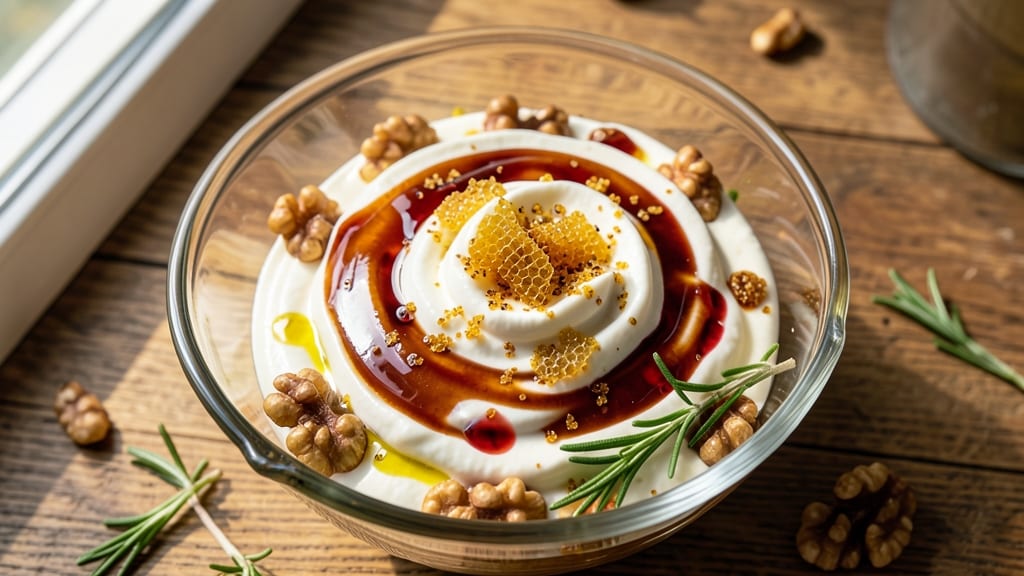
This creamy apple cider vinaigrette salad dressing recipe transforms ordinary salads into autumn masterpieces with just five ingredients and a whisk. The secret lies in balancing apple cider’s natural sweetness with tangy vinegar and rich creaminess, creating a dressing that clings beautifully to greens while adding depth to every bite.
I developed this recipe after years of perfecting vinaigrettes—this one stands out because it stays emulsified for days, even after refrigeration. What makes this dressing truly special is its versatility.
The apple cider base adds a subtle warmth that pairs perfectly with sharp cheeses, roasted vegetables, or crisp apples in salads. Unlike traditional vinaigrettes, this one incorporates a touch of cream (or Greek yogurt for a lighter option) to create a velvety texture without sacrificing brightness.
The emulsification technique ensures smoothness, so you won’t experience that dreaded oil-and-vinegar separation. By the time you finish whisking, you’ll have a dressing that’s rich yet balanced—sweet enough to complement fall flavors but tangy enough to cut through rich ingredients.
It’s ideal for autumn harvest salads, hearty grain bowls, or even drizzled over roasted Brussels sprouts. The best part? It keeps well in the fridge for up to a week, making it perfect for meal prep.
Pro tip: Adjust the sweetness by adding a touch more apple cider if your apples are tart, or a pinch of honey if they’re particularly mild. This dressing is the ultimate crowd-pleaser—elegant enough for dinner parties but simple enough for weeknight meals. Let’s make it!
Ingredients for creamy apple cider vinaigrette salad dressing
Five ingredients, one whisk, endless autumn salads ahead—creamy magic in every bite.
| Ingredient | Amount | Notes |
|---|---|---|
| Apple Cider 🍎 | ½ cup | Unfiltered for best flavor |
| Red Wine Vinegar 🍷 | ¼ cup | Dry variety preferred |
| Extra-Virgin Olive Oil 🫒 | ½ cup | High quality, fruity |
| Heavy Whipping Cream 🥛 | ¼ cup | Full-fat for creaminess |
| Dijon Mustard 🌶️ | 1 tbsp | For emulsification |
| Sea Salt 🧂 | ½ tsp | Fine grain preferred |
| Black Pepper 🌶️ | ¼ tsp | Freshly ground |
| Honey 🍯 | 1 tsp | Optional for extra sweetness |
The apple cider is the heart of this dressing. Trader Joe's and Whole Foods carry the best unfiltered varieties—look for labels that say 'unpasteurized' or 'cloudy' for that authentic fall taste. If you can't find it, plain apple juice works in a pinch, but it won't have the same depth. The olive oil should be extra-virgin with a peppery finish—none of that cheap grocery store stuff. I always grab mine from California Olive Ranch at Costco; it's worth the investment for this recipe. The cream is non-negotiable for that velvety texture, but if you're watching calories, Greek yogurt (full-fat, of course) works beautifully too.
No apple cider? Substitute with equal parts apple juice plus a splash of lemon juice—it won't be identical, but it'll save you. Running low on vinegar? Balsamic vinegar at half the amount adds a caramel note that pairs surprisingly well. The Dijon mustard is crucial for emulsification—skip it and you'll get separation. For a lighter version, replace half the cream with unsweetened almond milk, but trust me on the full-fat version for that restaurant-quality mouthfeel. If your cider is particularly tart, add a pinch more honey—this is your flavor insurance policy.
This dressing keeps like a dream. Store it in a clean glass jar with a tight lid—it'll stay fresh for up to a week in the fridge. Give it a good shake before each use, especially if it's been chilling. For meal prep, I double the batch and portion it into small containers. The emulsification holds up beautifully, so you won't get that dreaded oil separation. If you make extra, drizzle it over roasted Brussels sprouts or toss it with warm grain bowls—it's that good.
Why You'll Love This Recipe
- No Whisk Needed: I just shake it in a jar—no straining, no fuss. The apple cider and vinegar blend effortlessly with the olive oil and cream when you give it a good toss, and honestly? That’s all it takes.
- Fall in Love Fast: That first tangy-sweet bite where the apple cider meets the creamy richness? It’s like autumn in a jar. The Dijon mustard adds a little kick, so it’s never boring—just ridiculously good.
- Weeknight Superstar: Toss it on greens for a quick lunch, drizzle over roasted veggies for dinner, or even use it as a dip for crusty bread. Between us, it’s my go-to when I don’t want to think too hard about dinner.
- Lasts All Week: A little goes a long way, and this keeps in the fridge for at least five days without separating. I make a big batch on Sundays, and by Wednesday, I’m still finding excuses to use it up. Budget-friendly? Yes. Lazy-friendly? Absolutely.
Step-by-step instructions for creamy apple cider vinaigrette salad dressing
This velvety dressing comes together in minutes with simple steps—perfect for fall salads!
Whisk Together the Sweet and Tangy Base
In a medium bowl, combine the 0.5 cup apple cider and 0.25 cup red wine vinegar. I like to use a whisk for this step—it helps emulsify the ingredients right from the start. Let them sit for 1 minute while you gather the remaining ingredients. This gives the apple cider time to mellow slightly and deepen its flavor.
The apple cider should smell rich and slightly spiced, with a hint of tartness from the vinegar. If your vinegar is particularly strong, you might want to use a slightly sweeter apple cider to balance the acidity. This is where the magic starts—those first two ingredients set the perfect foundation for the creamy texture we're building.
Add Dijon Mustard and Honey for Emulsification
Next, stir in the 1 tablespoon Dijon mustard and 1 teaspoon honey using a fork or small whisk. The mustard acts as our emulsifier, helping the oil and vinegar blend smoothly later. The honey adds just enough sweetness to complement the apple cider without overpowering it. Mix until the honey dissolves completely and you see no more streaks of yellow.
Here's the thing—don't skip this step. The mustard is crucial for creating that silky texture. If you're worried about the dressing being too sweet, remember that the acidity from the vinegar will balance it out beautifully. Give this mixture a taste now—you should notice a perfect harmony of sweet, tangy, and slightly peppery notes from the mustard.
Gradually Incorporate the Olive Oil
With the bowl positioned over a sink (just in case), begin adding the 0.5 cup extra-virgin olive oil very slowly while whisking continuously. Start with just a few drops at a time, then gradually increase to a steady stream. This slow incorporation is what creates that luxurious, creamy texture we're after. You'll know you're doing it right when the mixture starts to thicken and become more cohesive.
Keep whisking for about 1-2 minutes after all the oil is incorporated. You're looking for a dressing that coats the back of a spoon and holds its shape when drizzled. If it looks too thick, add 1-2 teaspoons of water to adjust the consistency. The olive oil should be fully emulsified—no separation should occur even when you let it sit for a few minutes.
Finish with Cream and Seasonings
Now for the creamy element—gently fold in the 0.25 cup heavy whipping cream using a rubber spatula. The cream should blend in smoothly, adding richness without making the dressing too heavy. Next, add the 0.5 teaspoon sea salt and 0.25 teaspoon black pepper, mixing well to distribute the seasonings evenly. Taste and adjust the salt if needed—this is where you can really fine-tune the flavor.
Here's a pro tip: If you want an extra layer of flavor, you can add a pinch of cinnamon or a dash of vanilla extract at this stage. The cream will give your dressing that velvety mouthfeel that makes it perfect for hearty fall salads. Give it one final taste—it should be perfectly balanced with sweet, tangy, creamy, and slightly peppery notes.
Rest and Serve for Perfect Texture
Let the dressing rest at room temperature for 10-15 minutes before using. This resting period allows all the flavors to meld together completely and ensures the emulsion remains stable. During this time, you can prepare your salad greens or assemble your salad components.
Once rested, give the dressing one final stir. It should be smooth, creamy, and ready to drizzle over your favorite greens. This dressing pairs beautifully with arugula, spinach, or even kale salads. For extra flair, top with toasted pecans, dried cranberries, or thinly sliced apples. The creamy texture will elevate any salad from ordinary to extraordinary!
Pro Tips For Making Creamy Apple Cider Vinaigrette Salad Dressing
- WARM THE CREAM FIRST: Cold heavy cream will curdle when you mix it into warm vinegar and cider—trust me, I’ve seen it happen. Heat the cream in a small saucepan over low heat until it’s just warm to the touch (about 90 seconds), then let it cool slightly before adding it to the dressing. This keeps the texture silky instead of lumpy.
- USE A WHISK, NOT A FORK: Stirring with a fork is how you end up with streaks of mustard and oil instead of a smooth emulsion. Grab a wire whisk and whip everything together vigorously for 30 seconds—this breaks up the cream and oil into tiny droplets that stay blended. I learned this after making a dressing that looked like a science experiment gone wrong.
- MEASURE THE OIL LAST: Olive oil is the glue here, but adding it too early can dilute the tangy base. Mix the cider, vinegar, mustard, and cream first, then slowly drizzle in the oil while whisking constantly. If it splits, just add a splash of warm water and whisk again—it’ll come back together.
- CHILL BEFORE SERVING: This isn’t a dressing you want to serve straight from the fridge—let it sit at room temperature for 10 minutes first. The flavors meld better, and the cream won’t feel icy when you drizzle it over greens. I used to skip this, and the dressing always tasted disjointed until I tried it.
Troubleshooting this dish
Oil Separation Fix
The most common issue with creamy vinaigrettes is oil separation. If you see a layer of oil on top after refrigeration, don’t panic! First, give the jar a vigorous shake (I mean really shake it—hold the lid on tightly!) for 10-15 seconds.
The Dijon mustard helps stabilize the emulsion, but sometimes it needs a little extra help. If shaking doesn’t work, whisk in 1 teaspoon of warm water or ½ teaspoon of honey to re-emulsify. For future batches, ensure your ingredients are at room temperature before combining—cold cream can cause separation.
Too Thin or Too Thick
If your dressing is too thin, it’s likely because the oil wasn’t incorporated properly or the cream was added too quickly. To fix it, whisk in 1-2 tablespoons of extra-virgin olive oil gradually while whisking.
For a thicker consistency, let it rest in the fridge for 30 minutes—the cold will help it thicken naturally. Pro tip: If you’re prepping ahead, store it in the fridge until ready to use; cold temperatures help maintain thickness.
If it’s still too thin after adjustments, reduce the apple cider by 1 tablespoon in future batches—it’s the most liquid-heavy ingredient.
Grainy Texture from Honey
If your dressing has a grainy texture, it’s usually because the honey didn’t dissolve completely. To fix it, warm the dressing slightly (place the jar in a bowl of warm water for 1-2 minutes) and whisk until smooth.
For future batches, mix the honey with the apple cider first and let it sit for 2-3 minutes before adding other ingredients. This gives the honey time to fully integrate.
If you’re using a substitution like maple syrup, heat it gently to thin it out before adding—it’s thicker than honey and can cause graininess.
Overpowering Vinegar
If the red wine vinegar taste dominates, your apple cider might not be sweet enough or the vinegar was too strong. Balance it by adding ½ teaspoon more honey or 1 teaspoon of apple cider to mellow the acidity.
For future batches, taste the apple cider and vinegar mixture before adding other ingredients—adjust the ratio slightly if needed. A good rule of thumb: the apple cider should be twice the amount of vinegar in sweetness.
If you’re using balsamic vinegar as a substitute, reduce it to ¼ cup and add 1 teaspoon extra honey to compensate for its caramelized sweetness.
Cream Curdling
Cream can curdle if the dressing sits too long at room temperature or if the acidity from the vinegar isn’t balanced. To fix it, whisk in 1 tablespoon of cold water or 1 teaspoon of lemon juice to stabilize the cream.
For prevention, always add the cream last and fold it in gently. If you’re making this ahead, store it in the fridge and bring it to room temperature only when ready to use.
If the cream still curdles, replace it with Greek yogurt in future batches—it’s more stable and adds a tangy depth that works beautifully with apple cider.
Flavor Imbalance
If your dressing tastes too sweet, add 1-2 teaspoons of red wine vinegar to cut through it. Too tangy? Stir in ½ teaspoon honey or 1 teaspoon apple cider. For a more complex flavor, add a pinch of cinnamon or vanilla extract to enhance the autumnal notes.
Taste as you go—this dressing is all about balance! If you’re unsure, remember the golden ratio: sweet (apple cider/honey) should equal tangy (vinegar), with a small pinch of salt to tie it all together. 🍏✨
Nutrition facts
Frequently asked questions
Can I make this dressing without heavy cream?
For a lighter version, replace the 0.25 cup heavy cream with 0.25 cup full-fat Greek yogurt—it adds tangy depth while keeping the creamy texture. Or use 0.25 cup unsweetened coconut milk for a dairy-free option. Just whisk it in gently at the end to avoid curdling.
How long does this dressing keep in the fridge?
This creamy vinaigrette stays fresh for up to 7 days when stored in an airtight glass jar. The emulsion holds beautifully, but give it a good shake before each use. For best flavor, use it within 3-4 days—the apple cider's freshness peaks early.
What's the best way to adjust the sweetness?
Start by tasting the apple cider and vinegar mixture first. If it's too tart, add ½ teaspoon more honey or 1 teaspoon apple cider. For extra depth, try ¼ teaspoon cinnamon or vanilla extract. Remember: the sweetness should balance the tang—aim for equal parts sweet and acidic.
Can I use this dressing on non-salad dishes?
Yes! This versatile dressing works beautifully on roasted Brussels sprouts, grilled chicken, or even as a dip for warm pretzels. The creamy texture pairs well with hearty fall flavors. For a bolder taste, reduce it slightly with 1 teaspoon water before drizzling.
Why did my dressing separate after refrigeration?
This happens when the emulsion breaks, often from cold ingredients or improper mixing. Fix it by whisking in 1 teaspoon warm water or shaking vigorously for 15 seconds. For future batches, ensure all ingredients are room temperature before combining and whisk the oil in very slowly.