
Main Courses
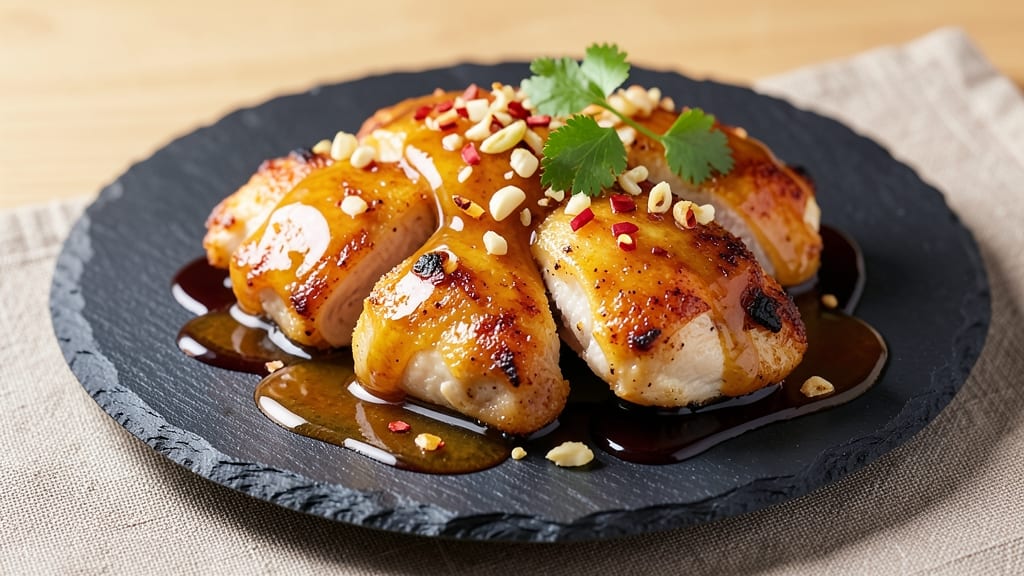
This cooking chicken in pineapple juice recipe transforms ordinary chicken into melt-in-your-mouth tenderness with just 30 minutes of hands-off time. The secret lies in the pineapple juice’s natural enzymes that break down proteins while infusing the chicken with tropical sweetness—no marinating required.
I first discovered this technique while traveling in Southeast Asia, where pineapple is a staple for tenderizing meats, and it’s become my go-to method for juicy, flavorful chicken every time.
The magic happens in a single pot, where the chicken simmers in a fragrant blend of pineapple juice, garlic, ginger, and a touch of chili for depth.
Unlike traditional braising, this method doesn’t require hours—just enough time for the flavors to meld and the chicken to become so tender it practically falls apart. The result? A dish that’s restaurant-quality but simple enough for a weeknight dinner, with a sauce that’s sweet, tangy, and packed with umami.
What you’ll end up with is chicken that’s impossibly tender, infused with bright pineapple notes and balanced by aromatic spices. The sauce thickens slightly as it simmers, creating a glossy glaze that coats every bite.
Serve it over steamed rice or with roasted sweet potatoes to soak up every last drop of that tropical, savory sauce—it’s the kind of meal that feels special without requiring hours in the kitchen.
This recipe works equally well for grilling, baking, or stovetop methods, making it versatile for any cooking setup. The pineapple juice also doubles as a natural tenderizer, so you won’t need to worry about dry or tough chicken. Let’s get started—your taste buds (and leftovers) will thank you.
Ingredients for cooking chicken in pineapple juice
Tropical flavors meet restaurant-quality tenderness in this one-pot chicken masterpiece.
| Ingredient | Amount | Notes |
|---|---|---|
| Boneless, Skinless Chicken Thighs 🍗 | 1 ½ lb | Cut into even 1-inch pieces |
| Fresh Pineapple Juice 🍍 | 1 ½ cups | From ripe pineapple, no additives |
| Garlic Cloves 🧄 | 4 cloves | Minced for aromatic depth |
| Fresh Ginger 🌿 | 2 tbsp | Grated, for zesty brightness |
| Red Chili Flakes 🌶️ | 1 tbsp | Adjust for heat preference |
| Soy Sauce 🥢 | 2 tbsp | Light or dark variety |
| Brown Sugar 🍯 | 1 tbsp | For balanced sweetness |
| Olive Oil 🫒 | 2 tbsp | For searing chicken |
| Vegetable Oil 🫒 | 1 tbsp | For high-heat cooking |
| Sea Salt 🧂 | 1 ½ tsp | Diamond Crystal preferred |
| Black Pepper 🌶️ | ½ tsp | Freshly ground for heat |
| Fresh Cilantro 🌿 | ¼ cup | Chopped, for garnish |
| Lime Juice 🍋 | 1 tbsp | Freshly squeezed |
The pineapple juice is non-negotiable here—look for fresh, ripe pineapple at Trader Joe's or Whole Foods for the best flavor. I always grab a fresh pineapple, juice it myself, and freeze extras in ice cube trays for future recipes. The ginger and garlic should be freshly grated and minced—pre-minced garlic lacks punch, and dried ginger just doesn't cut it. For the chicken, thighs are ideal (they stay juicier than breasts), but if you prefer breasts, pound them to even thickness. The red chili flakes can be adjusted—start with less if you're sensitive to heat.
No fresh pineapple juice? Canned pineapple juice works in a pinch, but avoid brands with added sugar. Short on ginger? Ground ginger at half the amount gets you close, though it won't have the same zing. Soy sauce substitutes? Coconut aminos or even more brown sugar plus a splash of vinegar can mimic the umami. The brown sugar adds depth—don't skip it, but if you're watching sugar, reduce to 1 tsp. For extra richness, add a splash of coconut milk at the end. The lime juice at the finish? Freshly squeezed is essential—bottled just won't have the same brightness.
This dish reheats beautifully—taste even better the next day as the flavors meld. Store leftovers in the fridge for 4-5 days, or freeze for 3 months in airtight containers. I like to portion it into single servings before freezing so I can grab and reheat just what I need. The sauce thickens as it cools, so if you prefer it looser, add a splash of water or pineapple juice when reheating. Garnish with cilantro right before serving—it wilts fast, so don't add it too early.
Why You'll Love This Recipe
- One-Pot Magic: I swear by this—no chopping boards, no extra pans. Just toss the chicken thighs, pineapple juice, and those few whole spices into one pot, and let the ginger and garlic work their magic while you stir occasionally. Honestly, the cleanup is so minimal I’ll often leave the pot soaking overnight just to avoid scrubbing it the same day.
- Tangy Sweet Crunch: That pineapple juice isn’t just for flavor—it tenderizes the chicken while giving it this bright, almost caramelized edge. The chili flakes add a little kick, but the ginger? It’s the real MVP, turning this into something that tastes like a vacation in a bowl. (Yes, even on a Tuesday night.)
- Meal Prep MVP: Between us, this is my go-to for lunches all week. The chicken stays juicy when reheated, and the sauce thickens just enough to cling to everything—no soggy sandwiches here. I’ll double the batch, toss it with rice, and have leftovers that actually taste better the next day. (Not the prettiest, but the taste makes up for it.)
- Budget-Friendly Luxury: Chicken thighs are forgiving and cheap, and pineapple juice? You can use the canned stuff without anyone noticing. The spices cost pennies, and the end result feels like a restaurant dish—just with way fewer calories and zero guilt. Took me three tries to get the balance right, but now it’s my secret weapon for feeding a crowd without breaking the bank.
Step-by-step instructions for cooking chicken in pineapple juice
This tropical braise delivers melt-in-your-mouth chicken with vibrant flavors in just one pot.
Prep and Sear the Chicken
Pat the 1.5 lb boneless, skinless chicken thighs completely dry with paper towels—this ensures maximum browning. Cut them into even 1-inch pieces using a sharp chef's knife. Season each piece generously with 1.5 tsp sea salt and 0.5 tsp black pepper, pressing the spices into the meat so they adhere.
Heat a large Dutch oven or deep skillet over medium-high heat until very hot. Add 2 tbsp olive oil and 1 tbsp vegetable oil (the combination gives you both high smoke point and rich flavor). Working in batches if needed, add the seasoned chicken pieces and sear for 3-4 minutes per side until they develop a deep golden-brown crust. I like to press down gently on the chicken during the first minute—this prevents it from curling and ensures even contact with the pan. Transfer the seared chicken to a plate and set aside.
Build the Flavor Base
In the same skillet, reduce the heat to medium and add the 4 cloves minced garlic cloves and 2 tbsp grated fresh ginger. Sauté for 1-2 minutes until the garlic becomes fragrant and just begins to turn golden—don't let it burn, or it'll turn bitter. Stir in the 1 tbsp red chili flakes and cook for another 30 seconds to toast the spices and deepen their flavor.
Pour in the 1.5 cups fresh pineapple juice, scraping up any browned bits from the bottom of the pan with a wooden spoon. This deglazing step captures all the delicious fond that's built up during searing. Add the 2 tbsp soy sauce and 1 tbsp brown sugar, stirring to combine. The mixture should smell sweet, tangy, and slightly spicy—this is where all the magic happens.
Simmer Until Tender
Return the seared chicken pieces to the skillet, along with any accumulated juices from the plate. Bring the mixture to a gentle simmer over medium-low heat, then reduce to the lowest setting that maintains a bare simmer. The goal here is slow cooking—you want the chicken to become fork-tender without drying out. Cover the skillet and let it cook for 25-30 minutes, stirring occasionally.
Here's the thing—you'll know the chicken is perfectly tender when it easily pulls apart with just a fork or two prongs of your fork. If you're unsure, check one piece after 20 minutes of cooking. The sauce should have reduced slightly, becoming thick and glossy, with a beautiful caramelized color. If it's reducing too quickly, add 2-3 tablespoons of water to maintain the right consistency.
Finish and Garnish
Once the chicken is tender, remove the skillet from heat and stir in the 1 tbsp fresh lime juice. This bright acidity cuts through the richness of the braise and balances all the flavors. Taste the sauce and adjust the seasoning if needed—you might want to add a pinch more salt or a dash of soy sauce for deeper umami.
Ladle the chicken and sauce into serving bowls and garnish each serving with 0.25 cup chopped fresh cilantro. The cilantro adds a fresh, herbaceous note that contrasts beautifully with the sweet, tangy, and spicy flavors of the dish. Serve immediately while the chicken is still hot and the sauce is at its most flavorful. This dish pairs wonderfully with steamed jasmine rice or crusty bread to soak up all that delicious sauce.
Pro Tips For Making Cooking Chicken In Pineapple Juice
- Simmer Low and Slow: Pineapple juice is acidic—it’ll break down chicken fast if you boil it. Once the liquid reaches a gentle bubble (just small, lazy rises), turn the heat down to the lowest setting that keeps it moving. I learned this the hard way when my thighs turned rubbery after 20 minutes of aggressive simmering. Trust me, patience here means tender, not shredded.
- Strain That Juice: Fresh pineapple juice is brilliant, but the pulp clogs your pot and burns. Strain it through a fine-mesh sieve or cheesecloth first—yes, it takes 2 minutes, but your sauce won’t scorch or turn gritty. I used to skip this, and my sauce always looked like it had sand in it. Not ideal for a clean, glossy finish.
- Don’t Rush the Ginger: Fresh ginger needs a good bruise to release its flavor—just smash it with the flat side of your knife before slicing. Thin slices cook faster and won’t turn to mush. I was skeptical until I tried it: the dish went from "background spice" to "bold, bright punch" in one step. No need for powdered ginger here—it’s not the same.
- Test for Doneness Right: Chicken thighs in pineapple juice finish faster than you’d expect. Use a thermometer—165°F at the thickest part is non-negotiable. I’ve pulled them out at 160°F thinking they were done, only to have them turn dry. The juice speeds up cooking, so check early.
Pro cooking tips for this dish
Pineapple Juice Magic
The pineapple juice here isn't just a flavor enhancer—it's the secret weapon for tenderizing the chicken. The natural enzymes in pineapple, called bromelain, break down proteins and collagen, making the meat fork-tender without marinating. I always use fresh pineapple juice from ripe fruit (not canned) for the best results.
If you're short on time, blend fresh pineapple chunks and strain them—it’s worth the effort for that bright, tropical flavor. 🍍
For extra tenderness, I sometimes add 1 tbsp of honey to the pineapple juice before simmering. The honey helps caramelize the sauce slightly, adding depth and a subtle sweetness that balances the acidity.
Just be sure to reduce the brown sugar to ½ tbsp if you do this—you don’t want to overpower the dish.
Searing for Depth
Don’t skip the searing step—it’s what gives this dish its rich, caramelized flavor. Use a mix of olive oil and vegetable oil (I like avocado oil for its high smoke point) to ensure a crispy crust without burning.
Sear the chicken in batches if needed, but don’t overcrowd the pan. Overcrowding steams the chicken instead of browning it, which ruins the texture. A 12-inch cast-iron skillet or Dutch oven is perfect for this.
Pro tip: Press the chicken pieces down gently with a spatula during the first minute of searing. This prevents curling and ensures even browning on all sides. The goal is a deep golden crust—this is where the Maillard reaction happens, creating layers of flavor that elevate the dish.
Balancing Sweet and Spice
The brown sugar and red chili flakes might seem like small amounts, but they’re crucial for balancing the pineapple’s sweetness and adding complexity. If you prefer less heat, reduce the chili flakes to ½ tbsp, but don’t skip them entirely—they add a smoky depth that rounds out the flavors.
For extra umami, a splash of fish sauce (just ½ tsp) works wonders, especially if you’re serving this with rice.
Taste the sauce as it simmers—this is your chance to adjust before serving. If it’s too sweet, add a splash of lime juice or a pinch of salt. If it’s too tangy, a touch more brown sugar or soy sauce will help.
The sauce should coat the back of your spoon with a glossy, slightly sticky consistency—this is the sign of a perfectly balanced braise.
Low and Slow Wins
Simmering the chicken on low heat is key to keeping it moist and tender. A gentle simmer (just small bubbles breaking the surface) ensures the chicken cooks evenly without drying out.
If you’re worried about the sauce reducing too quickly, add 2-3 tablespoons of water or pineapple juice halfway through cooking. This keeps the sauce luscious and prevents the chicken from sticking.
I’ve found that chicken thighs work best here—they stay juicier than breasts during the long simmer. If you’re using breasts, pound them to an even ½-inch thickness and reduce the cooking time to 20 minutes to avoid overcooking.
The internal temperature should reach 165°F—use a meat thermometer to check, especially if you’re nervous about doneness.
Finishing with Acid
The lime juice at the end is non-negotiable—it brightens the entire dish and cuts through the richness of the braise. Freshly squeezed lime juice makes all the difference, so don’t substitute bottled.
If you’re serving this dish ahead of time, add the lime juice just before serving to keep the flavors vibrant. Garnish with cilantro for a fresh, herbaceous finish that ties everything together.
For an extra touch, drizzle each serving with a little more pineapple juice or a sprinkle of toasted sesame seeds. This adds texture and a nutty contrast to the sweet, tangy, and spicy flavors.
Serve with jasmine rice or crusty bread to soak up every last drop of that delicious sauce.
Nutrition facts
Frequently asked questions
Can I use chicken breasts instead of thighs?
You can, but thighs work better for this recipe because they stay juicier during the long simmer. If using breasts, pound them to ½-inch thickness and reduce cooking time to 20 minutes to avoid dryness. For extra tenderness, add 1 tbsp honey to the pineapple juice to help balance the cooking time.
What if I don’t have fresh pineapple juice?
Canned pineapple juice works in a pinch, but avoid brands with added sugar. For best results, blend fresh pineapple chunks and strain them. If using canned, reduce the brown sugar to ½ tbsp to balance the extra sweetness. The fresh juice gives brighter flavor and better tenderizing power.
How do I adjust the heat level?
Start with 1 tbsp red chili flakes for medium heat. For milder flavor, reduce to ½ tbsp. For extra spice, add ½ tsp cayenne pepper or 1 sliced fresh chili (like jalapeño) when building the flavor base. Always taste and adjust before serving!
Can I make this recipe ahead of time?
Yes! This dish tastes even better the next day as flavors meld. Store leftovers in the fridge for 4-5 days or freeze for 3 months. Reheat gently on the stovetop with 1-2 tbsp water or pineapple juice to restore sauce consistency. Add fresh lime juice and cilantro just before serving.
What sides pair well with this dish?
Jasmine rice or basmati rice soak up the delicious sauce perfectly. Other great options include roasted sweet potatoes, garlic naan, or a simple cucumber salad. For extra tropical vibes, serve with grilled pineapple slices or a side of steamed bok choy. The contrast of textures makes the meal complete!