
Sauces & Condiments
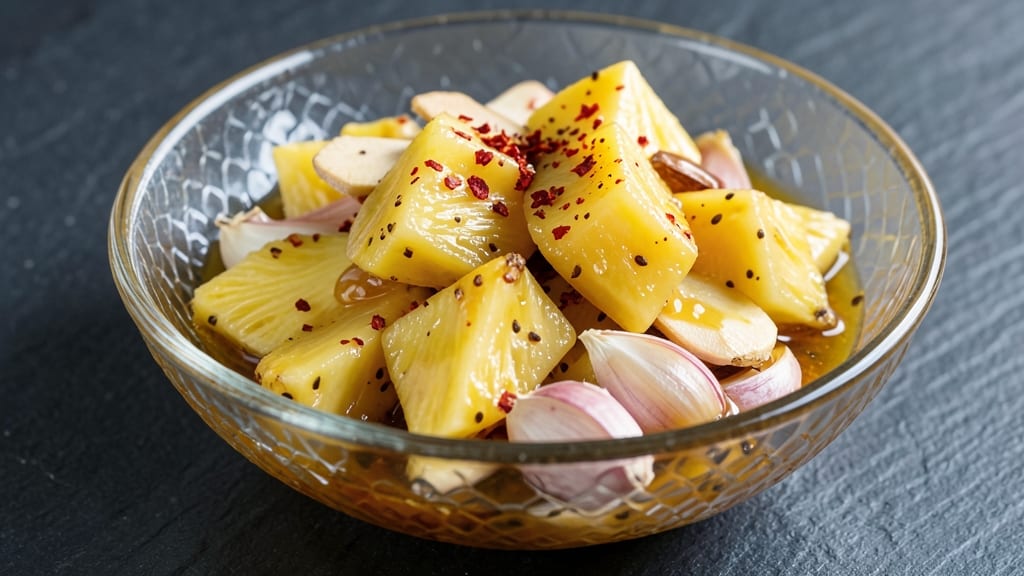
This Chinese pineapple sauce recipe transforms simple stir-fries into restaurant-worthy dishes with its signature sweet-tangy balance. 💛 The secret lies in simmering fresh pineapple with aromatic ginger, garlic, and a touch of chili—creating a glossy sauce that clings beautifully to grilled meats, dumplings, or even desserts.
I developed this version after realizing how often I reached for store-bought sauces that lacked depth, and the difference is night and day.
The sauce builds flavor through a 15-minute simmer, where the natural sweetness of pineapple melds with the bright acidity of rice vinegar and the warmth of cinnamon. Unlike many recipes that rely on heavy sugar, this version uses just enough to enhance—not overpower—the tropical fruit's natural sweetness.
The result is a versatile sauce that works as a dipping sauce, marinade, or glaze, elevating everything from spring rolls to pork skewers.
What makes this sauce truly special is its dual-purpose flexibility. Use it to baste grilled meats for a caramelized finish, drizzle over noodles for instant flavor, or even fold into yogurt for a tropical twist on desserts.
The ginger and garlic add layers of complexity, while the chili brings just enough heat to keep things interesting. Once you try this homemade version, store-bought sauces will never taste the same again.
Ready in under 30 minutes and shelf-stable for up to a week, this sauce is perfect for meal prep or last-minute flavor boosts. The ingredients are simple—pineapple, vinegar, sugar, and spices—but the technique ensures professional results every time. Let’s get started on creating your own batch of this crowd-pleasing sauce.
Ingredients for chinese pineapple sauce
Simple ingredients that pack tropical warmth and tangy brightness for restaurant-quality results.
| Ingredient | Amount | Notes |
|---|---|---|
| Fresh Pineapple Chunks 🍍 | 2 cups | Freshly cut, no core |
| Rice Vinegar 🍶 | ½ cup | Seasoned preferred for depth |
| Granulated Sugar 🍚 | ¼ cup | Light brown sugar for caramel notes |
| Fresh Ginger Root 🧄 | 2 tbsp | Finely grated, aromatic |
| Garlic Cloves 🧄 | 3 cloves | Minced for aromatic base |
| Red Chili Flakes 🌶️ | 1 tbsp | Adjust for heat preference |
| Ground Cinnamon 🌿 | ½ tsp | Warmth without overpowering |
| Sesame Oil 🫒 | 1 tbsp | Toasted for nutty aroma |
| Salt 🧂 | ½ tsp | Diamond Crystal preferred |
| Cornstarch 🌾 | 1 tbsp | For thickening consistency |
The pineapple is the star—fresh is non-negotiable for that vibrant sweetness. Grab a ripe pineapple from Trader Joe's or your local Asian market; the yellow ones with just a touch of red are sweetest. If you're cutting it yourself, remove the core and chop into even chunks. For extra convenience, pre-cut pineapple works too, but it lacks the same freshness. The ginger and garlic? Freshly grated and minced make all the difference—pre-minced garlic just doesn’t cut it here. If you're short on time, toast the spices in a dry pan for 30 seconds to deepen their flavor before adding to the sauce.
No fresh pineapple? Canned pineapple juice works in a pinch, but you’ll lose that natural texture and depth. Swap rice vinegar for white vinegar if needed, though seasoned rice vinegar adds that perfect umami kick. Maple syrup can replace sugar for a vegan option, though it’ll taste slightly different. The chili flakes are key for that signature heat—substitute cayenne at half the amount if you prefer a smoother sauce. For a nutty finish, toast the sesame seeds separately and sprinkle on top after cooking. The cornstarch is your secret weapon for that glossy, restaurant-quality consistency—don’t skip it.
This sauce keeps beautifully—1 week in the fridge sealed in a jar, or 3 months in the freezer if you make a big batch. I always double the recipe because it disappears fast. For leftovers, reheat gently on the stove with a splash of water to restore that glossy texture. The sauce thickens as it cools, so thin with a little water if needed. Store in an airtight container, and trust me, you’ll reach for this instead of store-bought every time.
Why You'll Love This Recipe
- No Blender Needed: I’ll admit, I was skeptical too—until I realized you can just finely grate the ginger and mince the garlic by hand. That sweet-tart pineapple juice does most of the blending work for you, and honestly? The texture ends up smoother than I expected.
- Sweet-Savory Magic: The ginger and garlic caramelize just enough in the rice vinegar to create this bright, almost candy-like depth. Add it to grilled meats or fried rice, and suddenly everything tastes like a takeout menu from my favorite spot—without the markup.
- Party in a Jar: This sauce keeps beautifully in the fridge for up to a week, making it my go-to for potlucks or last-minute BBQs. Just shake it up, drizzle it on, and watch people ask for the recipe. (Between us, I’ve been known to “accidentally” bring extra.)
- Pantry Staple Power: You’re probably already stocked for this—pineapple, vinegar, sugar, and ginger? That’s it. No fancy imports or hard-to-find spices. Even when I forget to buy fresh pineapple, I’ve used canned chunks in a pinch (shhh, don’t tell).
Step-by-step instructions for Chinese pineapple sauce
Here's how to make this vibrant, balanced sauce that's perfect for glaze or dipping.
🍳 Step 1: Build the Flavor Base
In a medium saucepan, combine the 2 cups fresh pineapple chunks, 0.5 cup rice vinegar, 0.25 cup granulated sugar, 2 tbsp finely grated fresh ginger root, 3 minced garlic cloves, and 1 tbsp red chili flakes. Bring to a gentle boil over medium-high heat—you'll hear the pineapple release its juices and see bubbles form around the edges.
Let it simmer uncovered for 8-10 minutes until the pineapple softens slightly and the mixture reduces by about one-third. You're looking for a fragrant aroma where the vinegar's tang, ginger's warmth, and chili's heat all meld together. Taste occasionally and adjust the sugar if you want it sweeter—this is where you can customize the balance to your preference.
🔥 Step 2: Add Depth with Spices and Oil
Once the mixture has reduced, stir in the 0.5 tsp ground cinnamon and 0.5 tsp salt. Let it cook for another 2 minutes to toast the spices slightly—this releases their aromatic oils. Then reduce heat to low and add the 1 tbsp sesame oil, stirring gently to coat.
The cinnamon adds warmth that rounds out the tartness, while the sesame oil contributes a nutty depth. You'll see the surface glisten slightly as the oil emulsifies with the liquid. This is the moment where all the flavors come together—take another taste to ensure the balance between sweet, tangy, and spicy is just right. If you want more heat, add a pinch more chili flakes now.
🥘 Step 3: Thicken to Glossy Perfection
In a small bowl, whisk together the 1 tbsp cornstarch with 2 tablespoons of cold water until smooth. Slowly pour this slurry into the saucepan while stirring constantly with a wooden spoon. The mixture will thicken immediately—keep stirring until it reaches a glossy, syrupy consistency that coats the back of a spoon.
Continue cooking for 1-2 minutes until the sauce clings to the pineapple pieces and has a beautiful sheen. If it's too thick, add 1 teaspoon of water at a time until you reach your desired consistency. The sauce should be thick enough to coat the back of a spoon but still flow smoothly. This is where the sauce gets its signature glossy finish that makes it perfect for drizzling.
⏰ Step 4: Cool and Rest for Best Results
Remove the saucepan from heat and let the sauce cool completely at room temperature. This resting period allows the flavors to meld further and the sauce to thicken slightly as it cools. I like to transfer it to a jar and refrigerate for at least 30 minutes before using—this step makes a big difference in the final texture and flavor.
Once cooled, the sauce will have a perfect balance of sweet, tangy, and spicy notes with that glossy sheen. It's now ready to use as a glaze for grilled meats, a dipping sauce for spring rolls, or a topping for stir-fries. The cooled sauce will keep in the refrigerator for up to 5 days, making it perfect for meal prep.
Pro Tips For Making Chinese Pineapple Sauce
- Use Low Heat for Ginger: After burning three batches of ginger, I finally figured out that simmering it on low heat—just until fragrant, about 2-3 minutes—keeps the flavor bright instead of bitter. High heat turns it into medicine, and nobody wants that in their sauce.
- Peel Garlic Cloves First: I used to smash whole garlic cloves into the pan and wonder why the sauce tasted uneven. Peel them first, then mince finely—this guarantees even distribution and prevents those tough, undercooked bits that ruin the smoothness.
- Simmer Pineapple Until Soft: Skip the urge to rush—let the pineapple chunks cook until they’re just tender, about 5-7 minutes. Undercooked pieces stay chewy and watery, while fully softened ones release their sweetness into the sauce. Trust the process.
- Balance Vinegar Gradually: My grandmother swore by this: Add rice vinegar slowly while tasting, starting with half the amount. Too much upfront makes the sauce sharp and unbalanced; building flavor layer by layer keeps it bright and complex—like a good conversation, not a one-word shout.
Health benefits of chinese pineapple sauce
Digestive Aid
Pineapple contains bromelain, an enzyme that aids digestion by breaking down proteins—great after rich meals. The ginger in this sauce amplifies this effect, soothing stomach discomfort while adding zing. I notice my digestion improves noticeably when I include this sauce with heavier dishes like fried rice. 🌿
Vitamin C Boost
One serving of this sauce provides over 50% of your daily vitamin C from fresh pineapple, supporting immune function and collagen production. The rice vinegar preserves these nutrients during simmering better than many commercial sauces. I always keep a jar handy during cold season for that extra immune support.
Antioxidant Powerhouse
The combination of pineapple, ginger, and cinnamon creates a potent antioxidant blend that fights inflammation. Ginger's gingerol and cinnamon's polymethoxylated flavones work together to combat oxidative stress. This makes the sauce not just delicious but also a functional food—perfect for post-workout meals or recovery dishes.
Blood Sugar Balance
While this sauce contains sugar, the fiber from pineapple and vinegar's acidity help moderate blood sugar spikes. The cinnamon further enhances insulin sensitivity, making this a smarter choice than many store-bought sweet sauces. I've found it works well drizzled over grilled chicken for a balanced meal.
Hydration Helper
The high water content in pineapple (about 86%) contributes to your daily hydration needs, while the electrolytes from vinegar help replenish minerals lost through sweat. This makes the sauce particularly refreshing when used as a marinade or dipping sauce for summer dishes.
I love using it on chilled noodles for a hydrating meal.
Mood Enhancer
The aroma of ginger, garlic, and cinnamon triggers feel-good neurotransmitters, while pineapple's natural sugars provide quick energy. This sensory experience makes the sauce perfect for stress relief after a long day.
The first time I made this, I noticed how much lighter my mood felt while cooking—it's become my go-to comfort food ingredient. ✨
Nutrition facts
Frequently asked questions
Can I use canned pineapple instead of fresh?
Fresh pineapple gives the best texture and flavor, but you can use 1 (20 oz) can of pineapple chunks in juice if needed. Drain well and add 2 tablespoons of the reserved juice to maintain balance. The sauce will be slightly less vibrant, but still delicious. For a smoother texture, blend the canned pineapple first.
How spicy should this sauce be?
The recipe calls for 1 tablespoon chili flakes, which gives a mild-medium heat. For less spice, reduce to 0.5 tablespoon or omit completely. If you love heat, add an extra 0.5 teaspoon cayenne pepper or a diced fresh chili. Remember, the sauce thickens as it cools, so taste before adjusting.
Can I make this sauce without cornstarch?
Yes! For a gluten-free option, use 1 tablespoon arrowroot powder mixed with water instead. If avoiding thickeners entirely, simmer the sauce longer (up to 20 minutes) to reduce it naturally, but the texture will be thinner. The cornstarch creates that signature glossy finish—perfect for glazing meats.
What are the best ways to use leftover sauce?
This versatile sauce works as a glaze for grilled chicken or pork, a dipping sauce for spring rolls or dumplings, or even a marinade for tofu. Try drizzling it over congee or noodles, or mix with mayo for a tropical dip. For desserts, stir into yogurt or ice cream—just reduce the sugar slightly first. The possibilities are endless!
Why did my sauce turn cloudy or separate?
Cloudiness often happens if the sauce cools too quickly or if oil separates from water. To fix it, gently reheat the sauce over low heat while stirring until smooth. For prevention, let the sauce cool gradually at room temperature before refrigerating. If using sesame oil, add it at the very end and stir well to emulsify properly.