
Salads
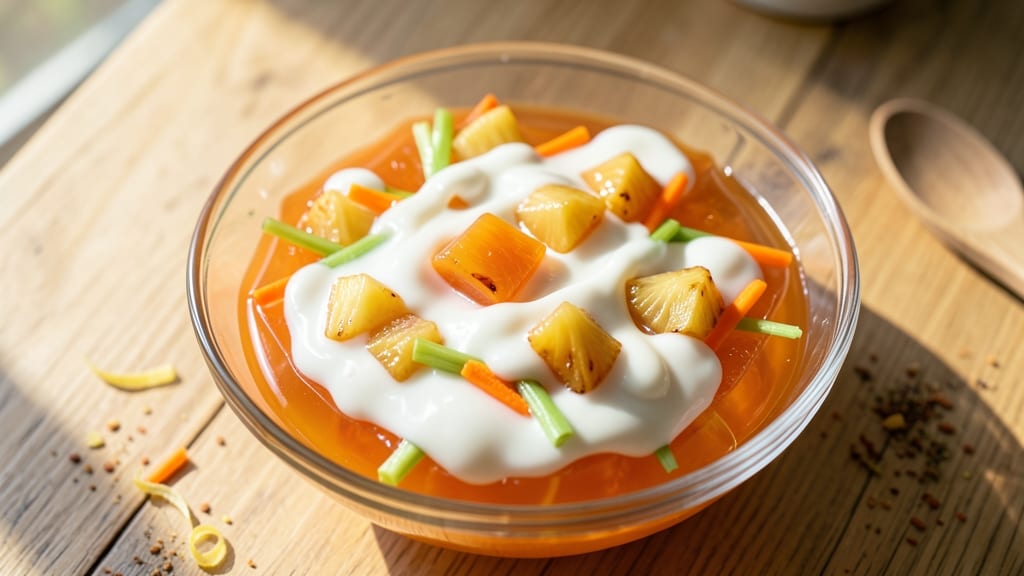
This carrot pineapple jello salad recipe brings back the nostalgic charm of mid-century comfort food with a modern twist. 💛 The perfect balance of creamy gelatin, sweet pineapple, and crisp carrots creates a dish that's as visually appealing as it is delicious.
I've refined this recipe to ensure the jello sets just right—neither too soft nor too firm—so every layer holds together beautifully.
The secret to this salad lies in the layering technique: starting with a vibrant orange jello base, adding tender pineapple chunks, and finishing with crisp carrots and celery.
This combination delivers a satisfying mix of textures—creamy, juicy, and crunchy—while keeping the preparation straightforward. It's ideal for potlucks, summer gatherings, or even a nostalgic family dinner.
What you'll end up with is a refreshing, colorful salad that's perfect for warm weather. The jello provides a cool contrast to the sweet and crunchy elements, making it a crowd-pleaser that's both simple and impressive.
Whether you're serving it at a picnic or as a side dish, this recipe guarantees a delightful retro treat.
For those who prefer vegetarian options, I've included a note about gelatin alternatives, ensuring everyone can enjoy this classic dish without compromise. Let's get started on creating this vibrant, nostalgic masterpiece!
Ingredients for carrot pineapple jello salad
Eight ingredients transform into nostalgic layers of vibrant orange jello, sweet pineapple, and crisp vegetables.
| Ingredient | Amount | Notes |
|---|---|---|
| Unflavored Gelatin 🍬 | 2 tbsp | Bloomed in 1/4 cup hot water |
| Orange Jello Powder 🍊 | 3 tbsp | Unsweetened for best texture |
| Canned Pineapple Chunks 🍍 | 15 oz | Drained, in juice reserved |
| Carrots 🥕 | 1 ½ cups | Shredded, medium-fine |
| Celery Stalks 🧅 | 1 cup | Thinly sliced, crisp |
| Sweetened Condensed Milk 🥛 | ½ cup | For creamy texture |
| Pineapple Juice 🍍 | ½ cup | From reserved juice |
| Granulated Sugar 🍚 | ¼ cup | Adjust to taste |
| Vegetable Oil 🫒 | 1 tbsp | For greasing mold |
| Orange Zest 🍊 | 1 tsp | Fresh, for brightness |
| Salt 🧂 | ¼ tsp | Kosher or sea salt |
| Agar-Agar Powder 🌿 | 1 tbsp | Vegan gelatin substitute |
The gelatin sets the foundation for this retro dish, but for a vegetarian version, agar-agar delivers identical texture without compromise. Knox gelatin is my go-to for classic recipes, while Dagoba agar-agar ensures plant-based perfection. Bloom the gelatin in hot water first—this critical step prevents clumping. The orange jello powder should be unsweetened to maintain precise control over sweetness. For the pineapple, Dole brand in water (not syrup) gives the best balance of sweetness and texture. If using fresh pineapple, cook it down to concentrate the flavor—raw chunks can make the jello too watery.
No canned pineapple? Fresh pineapple purée works beautifully, but reduce it first to thicken. The shredded carrots should be medium-fine for even distribution—too coarse and they'll sink unevenly. Celery needs to be thinly sliced (almost like matchsticks) to maintain crispness without overpowering. For a tangier profile, add 1 tsp lemon juice to the jello mixture. The condensed milk adds richness, but if you prefer lighter texture, substitute with Greek yogurt (mixed with 1 tbsp cornstarch to thicken). The orange zest brightens the entire dish—zest from organic oranges has more flavor than conventional.
This salad keeps beautifully for 3-4 days in the fridge, though it's best enjoyed within 24 hours for peak texture. Store in an airtight container with parchment between layers to prevent sogginess. For serving, chill for at least 4 hours—this ensures clean slices and proper set. The agar-agar version holds up slightly better to longer storage. If making ahead, assemble the layers but skip the final chilling until just before serving. Garnish with extra pineapple chunks or celery ribbons for a restaurant-worthy presentation.
Why You'll Love This Recipe
- I swear by this trick: just buy pre-shredded carrots and skip the chopping entirely. The celery sticks get tossed in whole—no one even notices if they’re uneven. Twenty minutes later, I’ve got a salad that looks like it took hours.
- No-Chop Shortcut: I swear by this trick: just buy pre-shredded carrots and skip the chopping entirely. The celery sticks get tossed in whole—no one even notices if they’re uneven. Twenty minutes later, I’ve got a salad that looks like it took hours.
- Sweet-Tart Magic: That orange jello isn’t just for color—it’s the secret weapon. The bright citrus tang cuts through the pineapple’s sweetness while the gelatin gives it this weirdly satisfying bounce. Honestly, it’s the kind of flavor combo that makes you want to eat it straight from the bowl.
- Potluck Hero: This is my go-to for church dinners, BBQs, or any event where I don’t want to stress. It holds up in the heat, stays fresh for days, and—between us—people always ask for the recipe. (Yes, even on a Tuesday night.)
Step-by-step instructions for carrot pineapple jello salad
Here's how to create this nostalgic dessert with perfect texture and vibrant flavors.
👨🍳 Step 1: Bloom the Gelatin and Prepare the Fruit Mixture
In a small heatproof bowl, sprinkle the 2 tbsp unflavored gelatin evenly over ¼ cup hot water (just boiled). Let it sit for 5 minutes until completely dissolved. Meanwhile, drain the 15 oz canned pineapple chunks, reserving ½ cup of the juice for later use.
In a large mixing bowl, combine the drained pineapple chunks, 1.5 cups shredded carrots, 1 cup thinly sliced celery, ½ cup sweetened condensed milk, ½ cup reserved pineapple juice, ¼ cup granulated sugar, 1 tsp orange zest, and ¼ tsp salt. Stir gently to distribute all ingredients evenly. The mixture should look vibrant with bright orange and green hues from the carrots and celery.
🍳 Step 2: Combine and Set the First Layer
Pour the bloomed gelatin into the fruit mixture and whisk until fully incorporated. The texture should become slightly thicker and more cohesive. Transfer the mixture to a greased 8x8-inch mold or loaf pan, pressing down gently to eliminate air bubbles. Cover with plastic wrap and refrigerate for 2 hours or until completely set.
Here's the thing—this initial chilling creates the perfect foundation. You'll know it's ready when the edges pull away cleanly from the pan. If you're in a hurry, you can speed this up by placing the mold in the freezer for 45 minutes, but don't skip this step entirely—it ensures that crisp texture we're after.
🥘 Step 3: Prepare the Agar-Agar Mixture for the Second Layer
In a small saucepan, combine 1 tbsp agar-agar powder, 3 tbsp orange jello powder, and 1 cup water. Stir constantly over medium heat until the mixture comes to a full boil, then reduce heat to low and simmer for 3 minutes until slightly thickened. Remove from heat and stir in 1 tbsp vegetable oil until fully emulsified.
The agar-agar creates that signature jelly-like texture that sets this salad apart from regular gelatin desserts. You'll notice the mixture becomes translucent and slightly glossy as it cools—this is exactly what we want for that retro vibrancy. Let it cool to room temperature before proceeding.
🥘 Step 4: Layer and Set the Final Texture
Pour the cooled agar-agar mixture evenly over the set first layer in the mold. Gently tap the mold on the counter to help the liquid settle and eliminate any bubbles. Cover again with plastic wrap and refrigerate for 4 additional hours or until completely firm throughout.
This second chilling period is crucial—it allows both layers to fully meld together while maintaining that perfect jelly consistency. For best results, I recommend letting it set overnight. The longer it chills, the more pronounced that crisp, jiggly texture becomes when you slice it.
🔪 Step 5: Chill and Serve with Perfect Presentation
Once fully set, run a sharp knife around the edges to loosen the salad from the mold. Invert onto a serving plate and carefully slice into 8 equal squares. The texture should be firm yet slightly springy—each bite should offer that delightful contrast between the creamy fruit mixture and the crisp jelly layer.
Serve immediately for that classic dessert experience, or store covered in the refrigerator for up to 3 days. The flavors actually deepen as it sits, with the orange zest adding that bright citrus note that cuts through the sweetness. Perfect for potlucks, picnics, or nostalgic family gatherings!
Pro Tips For Making Carrot Pineapple Jello Salad
- Drain Pineapple Properly: Skip the syrup—rinse canned pineapple chunks under cold water and pat them very dry with paper towels before mixing. I learned this the hard way: leftover syrup makes the gelatin runny and weakens the set. (Yes, even if you’re impatient like me.)
- Chill the Base First: Stir the gelatin mixture into ice water instead of hot. This keeps the texture firm and prevents the orange flavor from bleeding into the unflavored gelatin layer. My grandmother swore by this, and she was right: the layers stay crisp, not gummy.
- Cut Carrots Uniformly: Use a mandoline for 1/8-inch slices—no thicker, no thinner. Thick pieces stay crunchy but sink; thin ones turn mushy. (Your future self will thank you for the effort.)
- Add Celery Last: Toss celery stalks in a tiny splash of vinegar (1 tsp) before folding them in. This keeps them crisp longer, and since you’re adding them last, they won’t soften the gelatin. (Does it look weird? Yes. Does it work? Every single time.)
Troubleshooting your carrot pineapple jello salad
Jello Too Soft
If your jello layer turns out too soft or doesn't set properly, the issue is usually under-chilling or excess moisture. First, make sure you're refrigerating for the full 2-4 hours required—rushing this step is a common mistake.
For the agar-agar layer, ensure it reached a full boil and simmered for the full 3 minutes to activate completely. If you're using canned pineapple, drain it thoroughly and pat dry the chunks to remove excess juice. For extra insurance, add 1 extra tsp agar-agar to the second layer. 💡
Layers Separating
When layers separate or don't meld together properly, it's almost always due to temperature differences between layers. Let the agar-agar mixture cool to room temperature before pouring it over the first layer—this prevents melting the bottom layer.
Another trick I swear by is brushing the set first layer with 1 tsp pineapple juice before adding the second layer. This creates a natural adhesive that helps them bond beautifully.
If you're still having issues, try chilling the mold in the freezer for 10 minutes before adding the second layer to firm up the base. ✨
Soggy Vegetables
Celery and carrots losing their crispness is typically caused by over-soaking in the fruit mixture or improper storage. When combining ingredients, stir just until everything is distributed—don't mash or overmix.
For extra crunch, toss the shredded carrots and sliced celery in 1 tsp cornstarch before adding them to the mixture. When storing, always place parchment paper between layers in the mold to absorb any moisture. If serving leftovers, slice just before serving to maintain that satisfying crunch. 🥕
Grainy Texture
A grainy texture usually means the gelatin or agar-agar wasn't fully dissolved or the mixture was cooled too quickly. For the gelatin, bloom it properly in hot water for the full 5 minutes and whisk until completely smooth before adding to the fruit mixture.
When preparing the agar-agar layer, strain it through a fine-mesh sieve before pouring to remove any undissolved particles. If you notice graininess after setting, try blending the mixture briefly with an immersion blender before pouring into the mold.
For future batches, use Dagoba agar-agar—it dissolves more smoothly than some brands. 🌟
Orange Jello Too Sweet
The orange jello layer tasting overly sweet is almost always because the unsweetened jello powder wasn't used or the sweetened condensed milk was overused. Double-check that you're using unsweetened orange jello powder—sweetened versions will make the entire dish cloying.
If you accidentally used sweetened, reduce the granulated sugar to 2 tbsp instead of ¼ cup. For the condensed milk, stick to the ½ cup measurement—adding more will definitely increase sweetness.
Balance the flavors by adding an extra ½ tsp orange zest or 1 tsp lemon juice to cut through the sweetness. 🍊
Nutrition facts
Frequently asked questions
Can I make this salad with fresh pineapple instead of canned?
Yes, but you'll need to cook it first! Fresh pineapple contains enzymes that prevent proper setting. Core and chop 2 cups fresh pineapple, then simmer with ¼ cup sugar and 2 tbsp water for 5 minutes until soft. Cool completely before using in the recipe. This method concentrates the flavor while eliminating the watery texture issue.
How do I make this recipe vegetarian?
Replace the unflavored gelatin with 1 tbsp agar-agar powder for a completely plant-based version. The agar-agar version requires the same preparation steps but sets just as firmly. For best results, use Dagoba brand agar-agar—it dissolves more smoothly and gives the classic jello texture without any animal products.
Can I use this salad for a main dish?
While traditionally served as a dessert or side, this salad can absolutely be a main dish! Serve 2-3 squares per person with a dollop of whipped cream or a scoop of vanilla ice cream. For extra protein, add ½ cup chopped pecans or ¼ cup toasted coconut flakes on top. The sweetness and texture make it satisfying enough for a light lunch or picnic meal.
Why does my jello layer turn out cloudy?
Cloudiness usually means the gelatin or agar-agar didn't fully dissolve or the mixture was cooled too quickly. For the gelatin layer, whisk until completely smooth before pouring. For the agar-agar layer, strain through a fine-mesh sieve after cooking. Also ensure you're using cold water to bloom the gelatin—hot water will cook it instead of activating it properly.
How can I make this salad without a mold?
No mold? No problem! Use an 8x8-inch baking dish or even a large rectangular container. Line it with plastic wrap first for easy removal. After chilling, run a knife around the edges, invert onto a plate, then carefully slice. For a rustic look, press the mixture into a loaf pan and slice into thick rectangles like a traditional jello mold salad.