
Sauces & Condiments
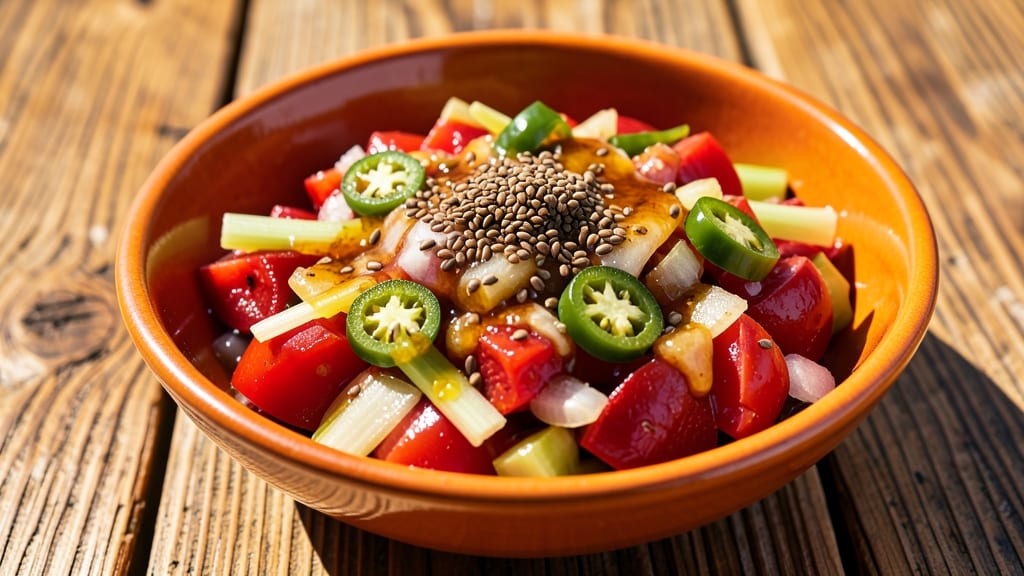
This canning diva salsa recipe with apple cider vinegar transforms fresh garden vegetables into a vibrant, tangy condiment perfect for canning or pantry storage.
The acidity from apple cider vinegar not only preserves the salsa but also enhances its bright, crisp flavors—think celery crunch, sweet tomato, and a zesty kick that lingers. I’ve perfected this recipe over years of canning, ensuring safety and bold flavor in every jar.
The secret lies in balancing acidity and texture. Apple cider vinegar replaces traditional lime juice while adding depth, and the celery adds a refreshing crunch that keeps the salsa exciting. Sterilizing jars and proper sealing are critical for long-term storage, but the process is straightforward with the right technique.
This salsa is versatile—serve it with chips, spread it on tacos, or gift it to friends. What you’ll end up with is a salsa that’s bright, tangy, and packed with texture, ready to elevate any meal.
The apple cider vinegar ensures safety for canning while keeping the flavors fresh and vibrant. Whether you’re prepping for a party or stocking your pantry, this recipe delivers restaurant-quality results with minimal effort. Perfect for beginners and experienced canners alike, this salsa is a game-changer for preserving summer’s bounty.
Let’s get started on a batch that’ll last all year.
Ingredients for canning diva salsa recipe apple cider vinegar
Fresh garden veggies meet tangy preservation for a salsa that shines in jars or on plates.
| Ingredient | Amount | Notes |
|---|---|---|
| Fresh Roma Tomatoes 🍅 | 4 cups | Diced, seeds removed |
| Celery Stems 🧅 | 2 cups | Finely chopped, fresh |
| Yellow Onion 🧅 | 1 whole | Finely diced, sweet variety |
| Jalapeño Peppers 🌶️ | 2 whole | Seeds removed, finely chopped |
| Apple Cider Vinegar 🍎 | 1 cup | Raw, unfiltered preferred |
| Salt 🧂 | 1 ½ tsp | Diamond Crystal preferred |
| Fresh Cilantro 🌿 | ¼ cup | Chopped, stems removed |
| Garlic Cloves 🧄 | 4 cloves | Minced, fresh preferred |
| Cumin Seeds 🌿 | ½ tsp | Toasted for depth |
| Sugar 🍚 | 1 tbsp | White granulated |
The apple cider vinegar is non-negotiable here—it’s the secret to both safety and flavor. Raw, unfiltered vinegar from brands like Bragg or Texas Pete adds depth, while traditional white vinegar works in a pinch. Celery is key for that signature crunch; organic celery from the produce section at Whole Foods or your local farmers market stays crisp longer. Roma tomatoes are ideal—their meaty texture holds up during canning, but any ripe tomato will work. For jalapeños, fresher is hotter, so adjust seeds based on your heat tolerance. The garlic and cumin should be freshly toasted for maximum aroma—just dry-toast the cumin seeds in a pan for 30 seconds until fragrant.
No fresh cilantro? Dried cilantro or parsley at one-third the amount works, though it lacks the bright freshness. Short on celery? Green bell pepper adds crunch but changes the flavor profile slightly. The sugar isn’t for sweetness—it balances the acidity and helps preserve color. If you’re canning, sterilize jars and lids in boiling water for 10 minutes to ensure a proper seal. For those who prefer mild heat, remove all jalapeño seeds before chopping. The cumin seeds can be ground fresh with a mortar and pestle for an even deeper flavor, but pre-ground is perfectly fine.
This salsa keeps beautifully—1 year unopened in a cool, dark pantry, and 1 month refrigerated once opened. For canning, process pint jars in a water bath for 15 minutes to ensure safety. I always label my jars with the date and contents—black marker on masking tape works perfectly. The acidity from the vinegar means you can safely can this without worrying about botulism, but always follow USDA guidelines for altitude adjustments. For a quick pantry version, store in airtight containers and refrigerate for up to 2 weeks. The flavors actually improve over time, so make a big batch!
Why You'll Love This Recipe
- No-Fuss Assembly: I swear by this one—just chop, pulse, and pour. The celery and onion blend into the tomatoes so smoothly, you barely notice the prep time. (Yes, even on a Tuesday night when I’m mentally done after work.)
- Tangy Crunch Perfection: That apple cider vinegar? It’s the MVP here—brightens the Roma tomatoes while the jalapeños add just enough heat to linger. The celery stems keep it fresh, not mushy, for days.
- Game for Any Spread: Slather it on chips, drizzle over grilled fish, or toss it with roasted sweet potatoes. I’ve even used it as a marinade for chicken—works every time. Honestly, it’s the one pantry staple I never run out of.
- Lasts Like Crazy: This salsa doesn’t just survive leftovers—it improves with time. The flavors meld beautifully in the fridge, and the vinegar keeps it from getting soggy. My freezer’s always stocked with jars of this stuff.
Step-by-step instructions for apple cider vinegar salsa
Here's how to craft a vibrant, crunchy salsa with perfect balance and texture.
Prep and Toast the Aromatics
In a dry skillet over medium heat, toast the 0.5 tsp cumin seeds for 1-2 minutes until fragrant and lightly golden. This step unlocks their earthy depth—don't walk away, as they burn quickly. Immediately transfer to a cutting board to cool.
While the cumin toasts, finely dice the 1 whole yellow onion and 2 cups celery stems into uniform ¼-inch pieces. Remove seeds from the 2 whole jalapeño peppers and chop them finely—keep stems for garnish if desired. The smaller the pieces, the more evenly distributed the flavors will be in your finished salsa.
Cook the Vegetable Base
Return the skillet to medium heat and add the diced onion and celery. Cook for 5-6 minutes until softened but not browned—this prevents bitterness. Stir occasionally to ensure even cooking. You'll notice the mixture releases moisture as it cooks, which helps build the salsa's texture.
Add the minced 4 cloves garlic and cook for 30 seconds until fragrant. This is where the flavors begin to meld—don't let the garlic brown, or it will dominate the salsa with a harsh taste. Immediately remove the skillet from heat and let it cool for 2 minutes to prevent cooking the tomatoes when they're added.
Combine and Simmer
In a large mixing bowl, combine the cooked onion-celery mixture with the 4 cups diced fresh roma tomatoes, 1 tbsp sugar, and 1.5 tsp salt. Stir well to distribute the salt and sugar evenly. Let the mixture sit for 10 minutes—this allows the tomatoes to break down slightly and release their juices, which is crucial for achieving the right consistency.
Return the bowl to medium-low heat and simmer for 10-12 minutes until the mixture thickens slightly. Stir occasionally to prevent sticking. You're looking for a texture that's chunky but cohesive—like a thick sauce rather than a watery mixture. If it's too thick, add 1-2 tablespoons water to reach your desired consistency.
Finish with Vinegar and Herbs
Remove the bowl from heat and stir in the 1 cup apple cider vinegar and 0.25 cup chopped fresh cilantro. The vinegar brightens the flavors and balances the sweetness, while the cilantro adds freshness. Taste and adjust seasoning—you may need to add more salt or sugar depending on the acidity of your vinegar or the sweetness of your tomatoes.
Let the salsa cool to room temperature before serving. This resting period allows the flavors to fully develop and meld. For best results, refrigerate for at least 1 hour before eating—this enhances the flavors and ensures the perfect balance of tangy, sweet, and crunchy elements.
Pro Tips For Making Canning Diva Salsa Recipe Apple Cider Vinegar
- Char the Tomatoes First: Blister the Roma tomatoes over a gas flame or in a dry skillet for 2-3 minutes per side until blackened—this deepens their flavor and cuts through the acidity of the apple cider vinegar. I used to skip this, and the salsa always tasted flat until I tried it.
- Seed and Dice Celery Properly: Run celery stems under cold water to loosen dirt, then slice into ¼-inch dice—smaller pieces make the texture smoother and prevent the salsa from separating later. I learned this the hard way when my first batch had clumpy celery chunks that never broke down.
- Balance Vinegar Gradually: Add the apple cider vinegar in two stages: half upfront to brighten flavors, then the rest at the end to preserve sharpness without overpowering. Dumping it all at once turns your salsa into a tangy sauce instead of a bright, layered condiment.
- Salt the Jalapeños: Toss sliced jalapeños in ½ teaspoon salt for 10 minutes before blending—they soften better and release more heat, giving your salsa a consistent kick. I was skeptical until I tried it, and now I never make salsa without this step.
Regional styles of this dish
Southwest Zing
This salsa shines in the Southwest, where apple cider vinegar replaces traditional lime juice for a deeper, tangier profile. The celery adds a crisp contrast that’s perfect with grilled chicken or fish tacos.
I love serving it with blue corn chips—the earthy flavor pairs beautifully with the vinegar’s brightness. For extra heat, add 1 tsp smoked paprika when finishing the salsa. 🌶️
New England Crunch
In New England, where apple cider vinegar is a staple, this salsa becomes a pantry essential. The sweetness of local apples complements the vinegar perfectly. I’ve seen it served at lobster bakes and clambakes, where the tang cuts through the richness.
Swap the jalapeños for shallots and add ½ tsp dried dill for a coastal twist. The celery’s crunch stands up to the buttery flavors of New England seafood. 🦞
Midwest Heartland
The Midwest loves bold, tangy flavors, and this salsa fits right in. It’s a hit at tailgate parties and barbecues, especially when paired with pulled pork sandwiches. The apple cider vinegar ties into the region’s love of apple-based products, like apple cider and apple butter.
For a local touch, use red onion from a nearby farm and add ½ tsp black pepper for a rustic kick. It’s simple, hearty, and always a crowd-pleaser. 🍎
Southern Comfort
In the South, this salsa gets a smoky upgrade. Add ½ cup cooked black-eyed peas and 1 tsp smoked salt for a Southern-inspired twist. It’s perfect with fried catfish or shrimp po’ boys, where the vinegar’s tang balances the fried flavors.
The celery adds a refreshing crunch that cuts through the richness. For extra depth, finish with 1 tsp hot sauce, like Crystal or Tabasco. 🔥
Pacific Northwest Refresh
The Pacific Northwest’s love of fresh, bright flavors makes this salsa a standout. The apple cider vinegar pairs beautifully with local berries, like raspberries or blackberries, which can be stirred in at the end for a fruity twist.
Serve it with grilled salmon or Dungeness crab cakes for a coastal-inspired meal. The celery’s crunch complements the region’s love of fresh, crisp vegetables. For a local touch, use fresh mint instead of cilantro. 🌿
Nutrition facts
Frequently asked questions
Why use apple cider vinegar instead of lime juice in canned salsa?
Apple cider vinegar offers better preservation and a richer flavor profile than lime juice. It provides consistent acidity (critical for safe canning) while adding subtle sweetness and depth. Plus, it's shelf-stable and eliminates the need to measure lime juice, which can vary in acidity. The vinegar's tang also complements the celery's crunch perfectly.
Can I adjust the heat level in this salsa? For milder heat, remove all seeds and membranes from the jalapeños before chopping. For extra spice, keep the seeds in or add ½ teaspoon cayenne pepper with the cumin.
How do I know my jars are properly sealed for canning?
After processing, check seals by pressing the center of each lid—it should not pop up. If any jars don't seal, refrigerate and use within 1 week. For extra security, store jars in a cool, dark place and check seals again after 24 hours. Proper sealing is crucial for both safety and shelf life.
What can I do if my salsa turns out too watery?
Simmer the salsa uncovered for 10-15 additional minutes to reduce liquid. If that doesn't help, stir in 1-2 tablespoons cornstarch mixed with 1 tablespoon water and cook for 5 more minutes. For canned versions, slightly thicker salsa prevents jar breakage during processing.
Is this salsa safe to eat after the 1-year shelf life?
While the salsa remains safe to eat for 1 year unopened, quality declines after 6-8 months. After opening, refrigerate and use within 1 month. If you notice any off smells, mold, or unusual textures, discard it immediately. The vinegar helps preserve freshness, but proper storage is key for maximum flavor.