
Main Courses
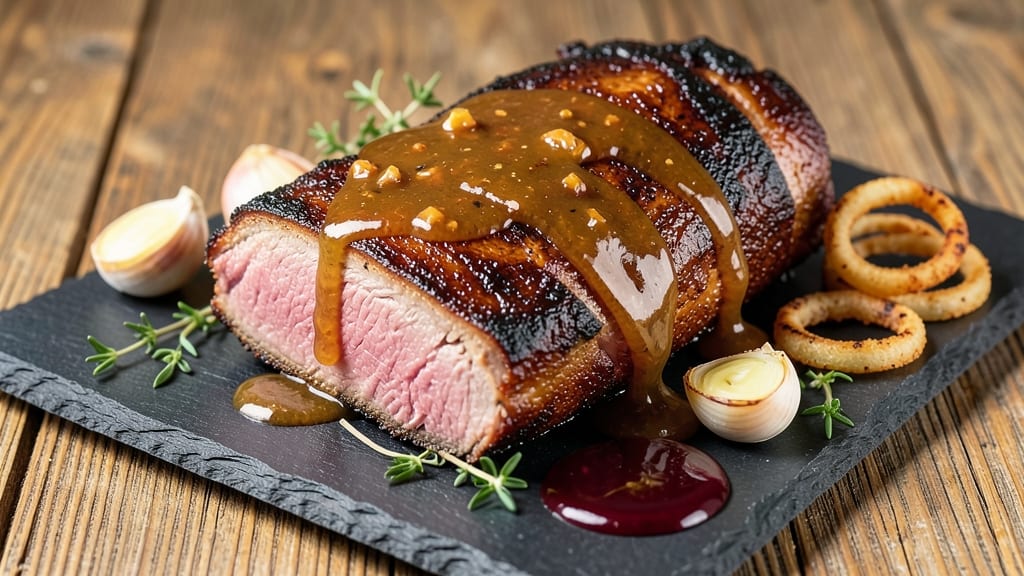
This brisket recipe with apple juice transforms tough cuts into melt-in-your-mouth perfection by blending smoky depth with natural sweetness. The apple juice tenderizes the meat while infusing subtle fruit notes that balance the rich, savory flavors—no artificial sweetness needed.
I’ve perfected this method over countless experiments, ensuring every bite delivers that ideal pull-apart texture and complex taste profile. The secret lies in the slow cook, where apple juice becomes part of the braising liquid, creating a glossy, aromatic sauce that clings to the meat.
Unlike traditional brisket recipes, this version avoids heavy sugar while still achieving that caramelized edge and tender interior. You’ll need patience—about 6 hours for a full packer—but the result is worth every minute.
What sets this apart is how the apple juice enhances both texture and flavor: it keeps the meat moist without making it greasy, and its acidity helps break down connective tissue for that signature fork-tender experience.
The final internal temperature should reach 203°F, where collagen dissolves into gelatin, ensuring every slice is juicy and rich. Serve with classic sides like roasted potatoes, caramelized onions, or crusty bread to soak up the delicious juices. This recipe delivers restaurant-quality brisket at home—smoky, sweet, and perfectly balanced.
Let’s get started!
Ingredients for brisket recipe with apple juice
Six hours of slow magic with just these 14 ingredients—no shortcuts, all flavor.
| Ingredient | Amount | Notes |
|---|---|---|
| Beef Brisket 🥩 | 4 lb | Packer cut, trimmed of excess fat |
| Unsalted Butter 🧈 | ½ cup | Cold, cubed for rendering |
| Apple Juice 🍏 | 1 cup | Unfiltered, preferably cloudy |
| Yellow Onion 🧅 | 1 whole | Large, quartered with skin on |
| Garlic Cloves 🧄 | 6 cloves | Smash with side of knife |
| Fresh Thyme 🌿 | 2 sprigs | Stems removed for infusion |
| Fresh Rosemary 🌿 | 1 sprig | Woody stems removed |
| Woodsmoke Chipotle Peppers 🌶️ | 2 pieces | In adobo sauce, chopped |
| Dark Brown Sugar 🍯 | 2 tbsp | Lightly packed |
| Diamond Crystal Kosher Salt 🧂 | 1 ½ tbsp | Coarse grain preferred |
| Freshly Ground Black Pepper 🌶️ | 1 tsp | Cracked peppercorns |
| Beef Broth 💧 | 1 cup | Low-sodium, homemade preferred |
| Apple Cider Vinegar 🍎 | 1 tbsp | For acid balance |
| Vegetable Oil 🫒 | 2 tbsp | For searing |
The brisket cut is non-negotiable here—packer cut with that thick fat cap is what gives you the perfect balance of tenderness and flavor. I always grab mine from Costco or a butcher shop where they can trim it for you, but the grocery store will have it too. Look for good marbling and a deep red color—avoid anything grayish or overly lean. The apple juice is where the magic happens: cloudy, unfiltered juice has more natural enzymes that tenderize the meat better than clear, filtered versions. If you can't find cloudy, Mott's or Tree Top work fine in a pinch.
No adobo chipotles? Smoked paprika plus a pinch of cayenne gets you close, but you'll lose that smoky depth. Fresh thyme and rosemary are ideal, but dried works at half the amount if that's what you've got. The brown sugar is just for a touch of caramelization—don't skip it entirely, but feel free to reduce to 1 tbsp if you're watching sugar. For the apple juice, avoid anything with added flavors—plain is key. The beef broth should be low-sodium; homemade or high-quality store brands like Pacific Foods work best. And that apple cider vinegar? Bragg is my go-to—it's strong enough to cut through the richness without overpowering.
This brisket tastes even better the next day, so plan ahead. The cooked brisket keeps in the fridge for 5-6 days wrapped tightly in butcher paper, then foil. For longer storage, slice it and freeze portions for up to 3 months. I always make double batches—one for dinner, one for sandwiches the next week. The rendered fat in the pan? Pure liquid gold—save it for roasting potatoes or cornbread. And if you've got leftovers, turn them into tacos or hash the next day. Nothing goes to waste here.
Why You'll Love This Recipe
- One-Pan Magic: I swear by this recipe because it’s literally three ingredients plus time—no chopping, no fuss. The brisket goes in raw, the apple juice and onions caramelize right in the same pan, and by the end, you’ve got a dish that tastes like it simmered for hours. (Yes, even on a Tuesday night.)
- Sweet-Savory Balance: That apple juice isn’t just for show—it cuts through the richness of the brisket like a cool breeze. The onions and garlic mellow into a deep, sticky glaze, while the butter adds this insane, velvety finish. It’s the kind of flavor that makes you want to close your eyes and sigh.
- Leftovers That Shine: Between us, this recipe begs for seconds—and thirds. The brisket stays tender for days, so I make it on Sundays and eat it all week. Toss it in sandwiches, serve it over mashed potatoes, or just reheat a slice straight from the fridge. It’s my secret weapon for lazy days.
- Budget-Friendly Feast: A whole brisket feeds a crowd for less than $20, and the apple juice adds that gourmet touch without breaking the bank. Honestly, it’s one of those rare recipes where you get restaurant-quality results for a fraction of the cost. (My wallet thanks me every time.)
Step-by-step instructions for brisket recipe with apple juice
This smoky-sweet method delivers melt-in-your-mouth tenderness with a perfect balance of apple brightness and deep beef flavor.
Prepare the Brisket and Build the Flavor Base
Start by trimming the 4 lb beef brisket to remove any excess fat, leaving about ¼ inch of fat cap intact. This preserves moisture while allowing the apple juice to penetrate beautifully. In a large Dutch oven, heat the 2 tablespoons vegetable oil over medium-high heat until shimmering. Add the quartered yellow onion with skin on and cook for 5 minutes until the edges begin to caramelize.
Push the onions to the sides and add the cubed 0.5 cup unsalted butter to the center of the pan. Let it melt completely, then add the 6 smashed garlic cloves, 2 chopped woodsmoke chipotle peppers, 2 sprigs fresh thyme, and 1 sprig fresh rosemary. Stir for 30 seconds until fragrant—this aromatic base will infuse the brisket with layers of flavor. The butter will foam slightly, so keep the heat at medium-high to prevent burning.
Sear the Brisket and Deglaze
Place the brisket fat-side down in the Dutch oven and sear for 5 minutes without moving it. This creates a deep, flavorful crust that locks in juices. Flip the brisket and sear the other side for another 5 minutes. You'll notice the fat rendering beautifully, creating a rich brown crust—this is your signal that the brisket is ready for the slow cook.
Remove the brisket and set it aside on a plate. Pour in the 1 cup apple juice, scraping up all the browned bits from the bottom of the pan. This deglazing step captures all the meaty flavor that would otherwise stick to the pot. Add the 1 cup beef broth and 1 tablespoon apple cider vinegar, then return the heat to medium-low. Stir in the 1.5 tablespoons diamond crystal kosher salt and 1 teaspoon freshly ground black pepper, along with the 2 tablespoons dark brown sugar.
Slow Cook Until Fork-Tender
Return the brisket to the Dutch oven, fat-side up, and place it in a 325°F oven. Cover tightly with foil and cook for 3 hours. This low-and-slow approach breaks down the tough connective tissue, transforming the brisket into tender perfection. After 3 hours, remove the foil and increase the oven temperature to 350°F for the final 1 hour of cooking.
During this time, the apple juice will caramelize slightly, creating a glossy, sweet-savory sauce that clings beautifully to the brisket. The internal temperature should reach 195°F—this is when the brisket will be fork-tender and ready to slice. If the sauce reduces too much, add a splash of water or apple juice to maintain moisture. The brisket should have a deep mahogany color with a glossy sheen from the caramelized apple juice.
Rest and Slice for Maximum Juiciness
Remove the brisket from the oven and transfer it to a cutting board. Tent loosely with foil and let it rest for 30 minutes. This resting period allows the juices to redistribute throughout the meat, ensuring every slice is moist and flavorful. The brisket will continue to carry over to a perfect internal temperature of 203°F during this time.
Once rested, slice the brisket against the grain into ¼-inch thick slices. The grain runs horizontally across the flat and point, so adjust your angle accordingly. Serve the brisket immediately with the caramelized apple juice sauce spooned over the top. The combination of tender beef, smoky chipotle, and sweet apple creates a harmonious balance that's sure to impress. Each bite should be juicy, flavorful, and effortlessly tender—exactly what you're aiming for with this method.
Pro Tips For Making Brisket Recipe With Apple Juice
- USE HALF THE APPLE JUICE: I learned this the hard way—brisket soaks up liquid like a sponge. Start with 1 cup of apple juice in the pan, then add more as needed. The goal is a glossy, sticky glaze, not a swimming pool.
- SEAR THE BRISKET IN BUTTER FIRST: Skip the oil. Melt 2 tablespoons of unsalted butter in the pan before searing the brisket—it adds richness and helps the apple juice caramelize later. (Yes, even if you’re impatient like me.)
- CHOP ONIONS INTO THICK SLICES: Thinly sliced onions burn before they soften. Cut them into ¼-inch chunks so they hold up through the cooking process and actually flavor the brisket instead of turning to mush.
- REST THE BRISKET UNDER FOIL: Cutting into brisket too soon ruins all the juices. Let it sit under foil for 5-10 minutes after cooking—it’s the difference between tender slices and dry, sad bites. (Your future self will thank you.)
Wine and beer pairings for this dish
Red Wine Pairings
For this brisket, I reach for a Cabernet Sauvignon from Napa Valley—its bold tannins and dark fruit notes complement the apple juice's sweetness without overpowering the smoky beef. Look for a 2018 or newer vintage with 14-15% ABV to stand up to the dish's richness.
The wine's blackcurrant and cedar aromas mirror the chipotle's smokiness while the apple juice's acidity cuts through the fat beautifully. 🍷
If you prefer something lighter, a Malbec from Argentina offers juicy plum flavors and velvety texture that harmonize with the brisket's tenderness. The wine's natural sweetness enhances the apple notes, creating a perfect balance. I always keep a bottle of Catena Zapata Malbec on hand for occasions like this.
Beer Complements
A Belgian-style witbier like Hoegaarden is my go-to beer pairing—its coriander and orange peel notes play beautifully with the apple juice's brightness. The beer's effervescence cleanses your palate between rich bites of brisket.
For a local favorite, try Allagash White, which adds a subtle spice that echoes the chipotle's heat. 🍺
For beer lovers who prefer darker options, a smoked porter such as Founders Kentucky Breakfast Stout (with its caramel and coffee notes) creates a striking contrast. The beer's smoky depth mirrors the chipotle while its malt sweetness balances the apple juice's acidity. It's a match made in flavor heaven.
Non-Alcoholic Options
Don't drink? No problem. A sparkling apple cider like Martinelli's Sparkling Cider captures the brisket's sweet-savory profile perfectly. The bubbles refresh your palate, while the apple notes create a seamless bridge between the dish and drink. Serve it chilled in a flute glass for an elegant touch. 🍎
For something more robust, try a ginger beer like Brew Dr. Brown's. The ginger's spice enhances the chipotle's heat, while the effervescence keeps the meal feeling light.
I like to add a splash of apple juice to the ginger beer for an extra layer of harmony—it's a crowd-pleaser at my holiday gatherings.
Nutrition facts
Frequently asked questions
Why does apple juice make brisket more tender?
The natural enzymes and acidity in apple juice help break down collagen in the meat, while its moisture content prevents drying out during long cooking times. The sugar in the juice also caramelizes beautifully, creating a glossy sauce that clings to the brisket and enhances flavor without needing extra fat.
Can I substitute apple juice with another liquid?
Yes, but expect different results. For similar sweetness, try pear nectar or white grape juice. For a more traditional approach, use beef broth with a splash of apple cider vinegar (1 tbsp per cup). Avoid acidic liquids like lemon juice—they'll make the brisket tougher. The apple juice's unique balance of sweetness and acidity is hard to replicate!
How do I know when the brisket is done?
Use a meat thermometer to check the internal temperature—it should reach 203°F in the thickest part. The probe should slide in easily, and the meat should separate like butter when pulled apart. For extra confirmation, look for a deep mahogany color and glossy sheen from the caramelized apple juice. Never rely on time alone—every oven varies!
What if my brisket is still tough after cooking?
This usually happens from overcooking or not slicing against the grain. First, check your internal temperature—it should be 203°F. If it's higher, you've gone too far. For tough brisket, slice it thinly against the grain and serve with extra sauce to help tenderize each bite. Next time, aim for 325°F for the first 5-6 hours, then increase heat gradually.
Can I make this brisket in a slow cooker?
Sear the brisket first, then transfer it to your slow cooker with all the aromatics and liquids. Cook on low for 8-10 hours or high for 5-6 hours. The apple juice will still caramelize beautifully, though you may need to add a splash of water if it reduces too much. Just check the temperature with a probe—it should reach 203°F before serving.