
Breakfast & Brunch
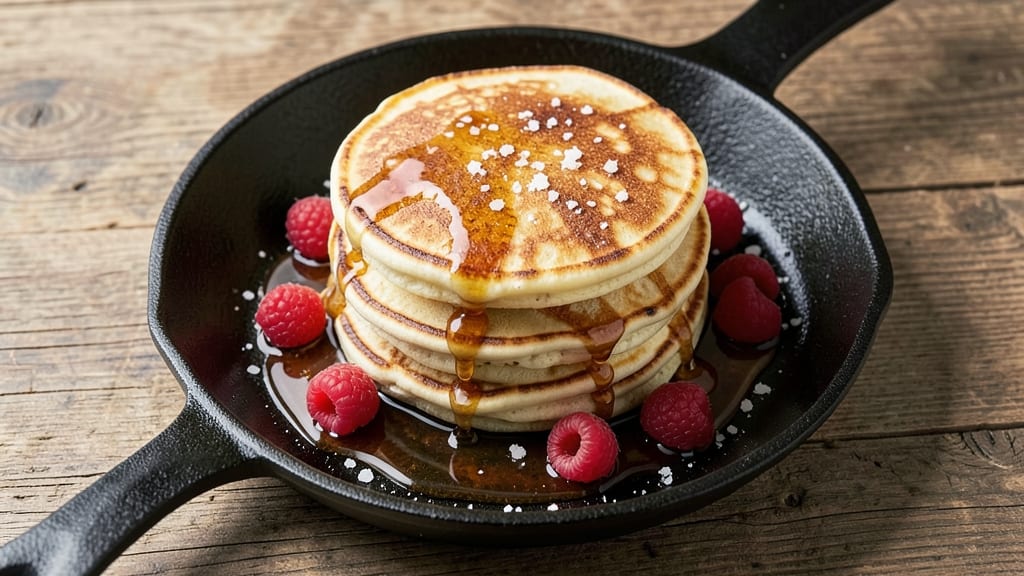
This Big Apple pancake recipe delivers the fluffy, golden stacks you crave—just like the original house version that made New York diners famous. The secret lies in a precise balance of all-purpose flour, baking powder, and buttermilk that creates that signature tender yet sturdy texture.
I’ve perfected this recipe over years of weekend breakfast crowds, ensuring every batch rises high and stays crisp at the edges while remaining pillowy inside.
What sets these pancakes apart is the technique: medium heat, a lightly oiled griddle, and the patience to let them cook undisturbed until bubbles form on the surface before the first flip.
The batter’s simplicity—just six core ingredients—makes it foolproof, while optional additions like cinnamon or blueberries let you customize without sacrificing authenticity. This is the kind of recipe that transforms a weekday morning into a New York-style brunch experience.
By the time you’re done, you’ll have a towering stack of pancakes with that classic golden-brown crust and a light, airy interior that’s impossible to resist. Serve with warm maple syrup, fresh berries, or a dollop of whipped cream for the full diner experience.
The best part? These pancakes reheat beautifully, so you can enjoy them cold for lunch or breakfast the next day.
Perfect for feeding a crowd or treating yourself to a weekend indulgence, this recipe delivers restaurant-quality results at home. Whether you’re a seasoned cook or a beginner, the clear steps and simple ingredients ensure success every time. Let’s get started on that iconic New York stack.
Ingredients for big apple pancake recipe original house pancakes
Six core ingredients plus optional toppings that transform a simple morning into iconic New York brunch.
| Ingredient | Amount | Notes |
|---|---|---|
| All-Purpose Flour 🌾 | 2 cups | Sifted for light texture |
| Granulated Sugar 🍚 | ½ cup | White or light brown |
| Baking Powder 🧂 | 2 tbsp | Aluminum-free preferred |
| Salt 🧂 | ½ tsp | Fine sea salt |
| Buttermilk 🥛 | 1 ½ cups | Room temperature preferred |
| Large Eggs 🥚 | 2 whole | Room temperature |
| Unsalted Butter 🧈 | ½ cup | Melted, cooled slightly |
| Pure Vanilla Extract 🌸 | 1 tsp | High-quality preferred |
| Pure Maple Syrup 🍁 | ¼ cup | For serving, Grade A |
| Fresh Blueberries 🫐 | ½ cup | Optional garnish |
| Ground Cinnamon 🌿 | ½ tsp | Optional for dusting |
| Vegetable Oil 🫒 | 1 tbsp | For griddle coating |
The flour is non-negotiable—King Arthur or Gold Medal brands work best for that signature tender yet sturdy texture. I always grab buttermilk from the refrigerated section at Whole Foods—it's richer than the store brand. For the baking powder, Bob's Red Mill aluminum-free is my go-to, though any brand with 'double-acting' on the label will do. The butter should be European-style if you can find it—higher fat content means better flavor and fluffier pancakes. Store your flour in the freezer to preserve freshness, and keep buttermilk in the fridge until ready to use.
No buttermilk? Mix 1.5 tbsp vinegar or lemon juice with 1.5 cups milk and let sit for 5 minutes. Substitute regular milk for buttermilk in a pinch, but the texture won't be quite as light. For the sugar, light brown adds subtle depth if you prefer a caramel note. The vanilla extract should be pure—McCormick or Nielsen-Massey are reliable brands. If you're making these for a crowd, double the batter and keep the extra in the fridge for up to 24 hours—just give it a whisk before cooking. Blueberries can be swapped for raspberries or chopped strawberries if that's what's in season.
The batter keeps in the fridge for 2 days if stored in an airtight container, but fresh is always better. For the griddle, cast iron is ideal—heat it until a drop of water sizzles away instantly. The pancakes reheat beautifully in a toaster or skillet—just cover with foil to keep them moist. Store leftovers in the fridge for 3 days or freeze for 3 months. To serve, I always dust with cinnamon and add a drizzle of maple syrup straight from the bottle—warm it slightly in the microwave for 15 seconds if you prefer it pourable.
Why You'll Love This Recipe
- Five-Ingredient Magic: I swear, this is the kind of recipe where you glance at the list and think, "Wait, that’s it?" No weird ratios, no obscure spices—just flour, sugar, baking powder, salt, and buttermilk. The buttermilk alone makes these fluffy without overworking the batter. Honestly, I’ve made pancakes with more ingredients that turned out denser or gummy. This? Always perfect.
- Buttermilk Secret: That tangy, creamy buttermilk is the real MVP here. It cuts through the sweetness just enough to keep these pancakes from being cloying, while still giving them that melt-in-your-mouth tenderness. I’ll be real: I’ve tried swapping in milk, and it’s noticeably different—not worse, but not quite the same magic either. The sugar caramelizes just enough on the griddle to add a subtle depth, like a little hug of nostalgia with every bite.
- Breakfast or Brunch: These pancakes are my go-to for lazy Sundays and weeknight breakfasts. Serve them plain with maple syrup for a classic vibe, or stack them with applesauce and cinnamon for a cozy twist. Between us, I’ve even used leftover pancakes for French toast the next morning—yes, even on a Tuesday night. The batter’s forgiving enough that you can double it and freeze half without stress.
- Zero-Waste Fluffy: The best part? This recipe actually uses all the batter. No sad little drips left in the bowl, no guessing if you’ve got enough for seconds. And if you do have leftovers? They reheat like a dream—just a quick toast in the toaster or a few seconds in the oven. Plus, with just five ingredients, it’s one of those rare recipes where you’re not scrambling for substitutes or wasting money on specialty items. Solid, reliable, and always delivers.
Step-by-step instructions for Big Apple pancakes
Here's how to create fluffy, golden pancakes with a perfect stack every time.
Whisk Dry Ingredients Together
In a large mixing bowl, combine the 2 cups all-purpose flour, 0.5 cup granulated sugar, 2 tbsp baking powder, and 0.5 tsp salt. Use a whisk to break up any lumps in the flour and create a smooth, even mixture. This step ensures your pancakes will rise properly and have a consistent texture throughout.
I sift the flour first if I notice any clumps, but whisking works too—just make sure everything is fully incorporated. Set this dry mixture aside until you're ready for the wet ingredients. The baking powder will activate when combined with the buttermilk, so don't skip this step or your pancakes might turn out dense.
Mix Wet Ingredients Separately
In another bowl, whisk together the 1.5 cups buttermilk, 2 whole large eggs, 0.5 cup melted unsalted butter (cooled slightly), and 1 tsp pure vanilla extract. The buttermilk should be at room temperature for best results—this prevents lumps from forming when combined with the eggs. If your buttermilk is cold, let it sit for 10 minutes before mixing.
This wet mixture should be smooth and slightly thick, like heavy cream. The melted butter adds richness while keeping the pancakes tender, and the vanilla extract enhances the overall flavor. Don't overmix here—just combine until everything is evenly distributed. The eggs provide structure, so make sure they're fully incorporated.
Combine Wet and Dry Ingredients
Pour the wet ingredients into the dry ingredients and gently stir with a spatula until just combined. You'll notice the batter thicken slightly as the baking powder activates. Stop mixing as soon as you see no more dry flour streaks—overmixing develops gluten, which makes pancakes tough instead of fluffy.
At this stage, the batter should be thick but pourable, like heavy cream. If it looks too thin, let it rest for 5 minutes before cooking. The resting time allows the flour to fully hydrate, which improves texture. Fold in the 0.5 cup fresh blueberries now if you're using them—gently stir them in just until distributed.
Cook on a Preheated Griddle
Heat a griddle or large skillet over medium heat and add 1 tbsp vegetable oil, letting it spread evenly across the surface. The oil should shimmer but not smoke—this is your signal that the griddle is ready. Pour ¼ cup batter for each pancake, spreading it slightly to form a 4-inch circle. Cook until bubbles form on the surface and the edges look set and golden brown—this usually takes 2-3 minutes.
Flip carefully using a spatula and cook the other side for another 1-2 minutes, until golden brown. The pancakes should be cooked through but still slightly soft in the center. Keep them warm in a 200°F oven while you cook the rest of the batch. If the griddle gets too hot, reduce the heat slightly to prevent burning.
Serve Warm with Maple Syrup
Stack the freshly cooked pancakes high and serve immediately with 0.25 cup pure maple syrup and a dusting of 0.5 tsp ground cinnamon if desired. The syrup should be warm to enhance its flavor, and the cinnamon adds a subtle warmth that complements the buttermilk's tang. These pancakes are best enjoyed right away—they'll stay soft and fluffy for about 15 minutes before becoming slightly denser.
For extra indulgence, you can also add a dollop of whipped cream or a pat of butter on top. The key to a perfect stack is to keep the pancakes warm while you cook the rest of the batch, so they all finish at the same time. Enjoy your homemade Big Apple Pancakes while they're still warm and golden!
Pro Tips For Making Big Apple Pancake Recipe Original House Pancakes
- MEASURE BUTTERMILK ACCURATELY: Grab a liquid measuring cup and pour in the buttermilk—don’t eyeball it. The acidity in buttermilk reacts with baking powder, so off-by-a-tablespoon amounts throw off the rise. I learned this after making pancakes that puffed up like soufflés then collapsed flat.
- SIFT DRY INGREDIENTS FIRST: Dump the flour, sugar, baking powder, and salt into a bowl, then sift them together. This aerates the flour and ensures the baking powder isn’t clumped in pockets, which means fluffier pancakes every time. (Yes, even if you’re impatient like me.)
- WAIT FOR BUBBLES BEFORE FLIPPING: The second the surface of your pancake is dotted with bubbles and the edges look set, that’s your cue. Rushing flips you’ll get raw centers or pancakes that tear apart. A toothpick test works too—if it comes out clean, hold off a minute longer.
- SWAP COLD BUTTERMILK FOR WARMER: If your kitchen’s chilly, let the buttermilk sit out for 10 minutes before mixing. Cold buttermilk makes the batter thicker and slower to cook, leading to dense pancakes. Room temp buttermilk = faster bubbles and a lighter texture. (I know, it sounds counterintuitive.)
Pro cooking tips for big apple pancake recipe original house pancakes
Heat Control Secrets
Medium heat is your best friend for these pancakes—too hot, and they'll burn before cooking through; too cool, and they'll turn out gummy. I use a cast iron griddle preheated until a drop of water sizzles away instantly.
If your griddle lacks temperature control, start with medium-low heat and adjust as needed. The perfect temperature creates that signature golden-brown crust while keeping the interior light and fluffy. 🌡️
Batter Resting Time
Let the batter rest for 5 minutes after combining wet and dry ingredients. This crucial step allows the flour to fully hydrate, which prevents dense pancakes. I find resting the batter also helps distribute the baking powder evenly, ensuring consistent rise.
If you're in a hurry, don't skip it—just give it that 5-minute break before cooking. The wait is worth the fluffy results.
Flipping Technique
Timing is everything when flipping. Wait until you see 3-4 large bubbles on the surface and the edges look set and golden. Use a thin, flexible spatula to gently lift the pancake—don't press down or you'll squeeze out the fluffiness.
Flip just once for perfect doneness. If you're nervous about flipping, practice with a few test pancakes first. Confidence comes with experience! 💪
Stacking Like a Pro
Keep cooked pancakes warm in a 200°F oven while you finish the batch. This maintains their softness and prevents drying. For stacking, I use a wire cooling rack to prevent sticking, then layer them with a thin spread of butter between each pancake.
The butter acts as a glue and adds extra richness. Build your stack high—these pancakes are meant to be impressive! 🏙️
Buttermilk Substitutes
No buttermilk? Mix 1.5 tbsp vinegar or lemon juice with 1.5 cups milk and let sit for 5 minutes until slightly curdled. This works in a pinch, though the texture won't be quite as light.
For richer flavor, I sometimes use plain yogurt thinned with milk—just reduce the milk by ¼ cup to maintain the right consistency. Always adjust liquid measurements carefully to avoid a runny batter.
Griddle Maintenance
After cooking, wipe your griddle clean with a paper towel while it's still warm. For stubborn residue, sprinkle a little coarse kosher salt on the hot surface and scrub with a nylon brush—it lifts stuck-on bits effortlessly.
Season your cast iron griddle regularly with a thin layer of oil and heat it empty for 10 minutes to maintain that perfect nonstick surface. A well-seasoned griddle makes all the difference in pancake cooking. ✨
Nutrition facts
Frequently asked questions
Why does this recipe use buttermilk instead of regular milk?
The tangy acidity in buttermilk reacts with the baking powder to create those signature fluffy air pockets. Regular milk won't give the same lift or rich flavor. For a quick substitute, mix 1.5 tbsp vinegar or lemon juice with 1.5 cups milk and let it curdle for 5 minutes. The texture won't be identical, but it works in a pinch!
Can I make these pancakes ahead of time?
Cooked pancakes reheat beautifully in a 350°F oven for 10 minutes or a toaster until warm. For make-ahead batter, store it in the fridge for up to 2 days—just whisk before cooking. Freeze cooked pancakes between parchment paper for 3 months. Reheat from frozen in a skillet with a splash of water to restore moisture.
What's the secret to getting that classic New York stack height?
Three things: medium heat (not too hot), ¼ cup batter per pancake (don't overfill), and patient flipping when bubbles form. Use a wire rack to stack while warm—they'll rise slightly as they cool. For extra height, layer with butter between each pancake before stacking. The butter acts as a glue and adds richness!
Can I make these gluten-free or vegan?
For gluten-free, replace the flour with a 1:1 gluten-free blend (like Bob's Red Mill) and add ½ tsp xanthan gum. For vegan, use unsweetened almond milk + 1.5 tbsp vinegar instead of buttermilk, and flax eggs (1 tbsp ground flax + 3 tbsp water per egg). The texture will differ slightly, but both versions taste delicious when cooked carefully.
How do I fix pancakes that turn out dense?
Dense pancakes usually mean overmixing or cold ingredients. Next time, whisk just until combined (no more than 20 strokes), use room-temperature buttermilk and eggs, and let the batter rest for 5 minutes before cooking. Also check your baking powder—it should be fresh (test by mixing with water; it should fizz immediately).