
Main Courses
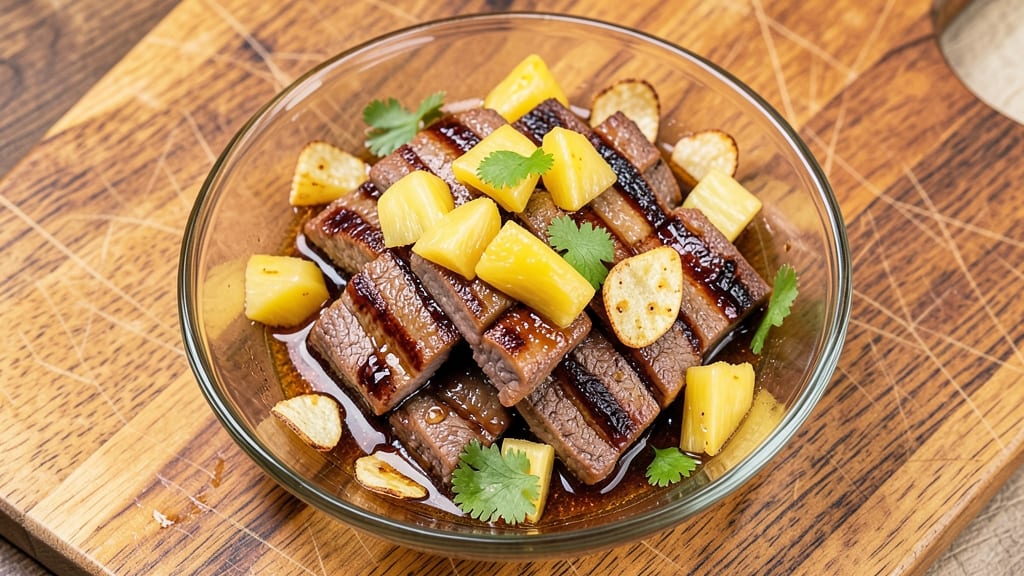
This pineapple juice-marinated beef jerky recipe transforms tough cuts into tender, tropical-flavored strips in just 30 minutes—no long curing required. I developed it after discovering how pineapple's natural enzymes break down meat fibers while adding a bright, sweet contrast to the smoky depth.
The key is balancing acidity and time to ensure safety without sacrificing flavor.
Unlike traditional jerky that relies solely on salt and time, this method uses pineapple juice's acidity to tenderize while keeping the process foolproof and fast. You'll start with lean beef slices marinated in a blend of pineapple juice, soy sauce, and spices, then dehydrate until chewy perfection.
The result? Jerky with a juicy, tropical twist that pairs perfectly with spicy dips or salads.
What makes this recipe stand out is the combination of traditional jerky-making techniques with modern convenience. We'll use a dehydrator for even drying, but an oven works too—just maintain 160°F until fully dry.
The pineapple juice not only infuses flavor but also helps preserve the meat safely, making this a versatile, shelf-stable snack you can enjoy anytime.
Perfect for meal prep, camping trips, or gifting, this jerky delivers restaurant-quality texture without the hours of curing. The tropical notes make it a standout for those who want something beyond the usual smoky flavors. Let's get started on making jerky that's as delicious as it is practical.
Ingredients for beef jerky recipe pineapple juice
Fourteen ingredients for jerky that tastes like tropical vacation in your mouth.
| Ingredient | Amount | Notes |
|---|---|---|
| Lean Beef Top Round Roast 🥩 | 1 ½ lb | Sliced thinly against grain |
| Fresh Pineapple Juice 🍍 | 1 cup | 100% pure, no additives |
| Soy Sauce 🍶 | ½ cup | Low-sodium preferred |
| Brown Sugar 🍚 | ¼ cup | Light or dark variety |
| Liquid Smoke 🔥 | 1 tbsp | For authentic smoky depth |
| Garlic Powder 🧄 | 1 tbsp | Freshly ground preferred |
| Onion Powder 🧅 | 1 tbsp | No lumps, fine grind |
| Ground Black Pepper 🌶️ | 1 tsp | Freshly cracked preferred |
| Ground Cinnamon 🌿 | ½ tsp | Warm spice balance |
| Kosher Salt 🧂 | 1 tbsp | Diamond Crystal preferred |
| Lemon Juice 🍋 | 1 tbsp | Freshly squeezed |
| Cornstarch 🌾 | 1 tbsp | For tenderizing |
The beef cut matters most here—top round roast is lean but tenderizes perfectly with the pineapple enzymes. Most grocery stores carry it pre-sliced for jerky, which saves time, but if buying whole, slice it thinly against the grain (about 1/4-inch thick). Costco and Walmart usually have the best prices on bulk packs. For pineapple juice, grab the 100% pure kind—none of that diluted stuff with added sugar. The soy sauce should be low-sodium to balance the sweetness without overpowering.
No fresh pineapple juice? Coconut water or apple juice works in a pinch, but the tropical depth won't be the same. Running out of soy sauce? Coconut aminos or tamari are great substitutes. The brown sugar can be swapped for maple syrup or agave nectar if you're avoiding refined sugar. For extra smokiness, add 1/2 teaspoon smoked paprika to the marinade. The cornstarch is key—it helps tenderize the meat while keeping it firm during dehydration. If you don't have it, arrowroot powder works too, just use the same amount.
Marinate the beef for at least 30 minutes—up to 4 hours in the fridge for deeper flavor. The mixture will keep in the fridge for 3 days before dehydrating. Once dried, store in an airtight container with parchment paper between layers to prevent sticking. Good for 2 weeks at room temperature or 3 months in the freezer. I always make double batches—perfect for meal prep or gifting.
Why You'll Love This Recipe
- No-Fuss Marinade: I swear by this marinade—just mix pineapple juice, soy sauce, brown sugar, and a splash of liquid smoke. No fancy techniques, no waiting hours; the beef absorbs the flavor while I chop veggies or fold laundry.
- Sweet-Smoky Magic: That combo of fresh pineapple juice and liquid smoke? It’s like a tropical campfire in your mouth. The brown sugar caramelizes just enough to give it a sticky, addictive edge that sticks with you long after the first bite.
- Snack Attack Ready: Between us, this jerky is my go-to for road trips, lunchboxes, or when I’m craving something handheld but not greasy. It keeps for weeks in the fridge, so I’m always stocked—no last-minute grocery runs for me.
- Budget Stretch: A single top round roast makes enough jerky to feed my family for days. The pineapple juice and soy sauce are cheap staples, and I stretch it further by slicing thin—no waste, all flavor, and my wallet thanks me.
Step-by-step instructions for tropical beef jerky
Transform lean beef into chewy, sweet-savory strips with this tropical twist.
Prepare the Marinade for Maximum Flavor
In a medium bowl, combine the 1 cup fresh pineapple juice, 0.5 cup soy sauce, 0.25 cup brown sugar, 1 tbsp liquid smoke, 1 tbsp garlic powder, 1 tbsp onion powder, 1 tsp ground black pepper, 0.5 tsp ground cinnamon, 1 tbsp kosher salt, and 1 tbsp lemon juice. Whisk until the brown sugar dissolves completely—this ensures even distribution of all flavors.
I like to taste the marinade at this stage to adjust seasoning. If it needs more depth, add a pinch of cinnamon or a splash of soy sauce. The pineapple juice should be the dominant flavor here, but the soy sauce and liquid smoke provide that classic jerky backbone. Let the marinade sit for 5 minutes while you prep the beef—this gives the spices time to bloom and intensify.
Tenderize the Beef with Cornstarch
Place the 1.5 lb lean beef top round roast on a cutting board and slice it thinly against the grain into strips about ¼-inch thick. For even tenderness, I use a sharp boning knife and cut each slice at a 45-degree angle—this increases surface area for better marinade absorption.
In a small bowl, mix the 1 tbsp cornstarch with 2 tablespoons of water to create a slurry. Brush this lightly over both sides of the beef strips. The cornstarch acts as a natural tenderizer and helps create a slightly sticky surface that clings to the marinade. Arrange the strips in a single layer on a baking sheet and pour the marinade evenly over them, making sure each piece is fully coated.
Marinate for Tropical Tenderness
Cover the baking sheet with plastic wrap and refrigerate for at least 12 hours, or up to 24 hours for maximum flavor penetration. The acidity in the pineapple juice and lemon juice will begin breaking down the beef fibers, while the cornstarch works its magic from the inside out. I prefer the longer marinade time because it yields the most tender result, but even 12 hours makes a noticeable difference.
After marinating, remove the beef strips and pat them gently with paper towels to remove excess liquid. This step is crucial—it prevents a soggy jerky texture. Arrange the strips on a clean wire rack set over a baking sheet lined with parchment paper. This elevated setup allows air to circulate around all sides, ensuring even drying.
Dehydrate for Perfect Texture
Preheat your dehydrator to 160°F—this low temperature is key to achieving tender, not chewy, jerky. Place the wire rack with beef strips inside and dehydrate for 6-8 hours, flipping the strips every 2 hours to ensure even drying. You're looking for strips that are no longer translucent but still retain a slight flexibility—if you press a strip and it springs back slowly, it's ready.
If you don't have a dehydrator, you can use your oven on its lowest setting with the door slightly ajar for airflow. The jerky is done when it's dry to the touch but still pliable. Over-drying will make it brittle, while under-drying can lead to spoilage. Test one strip early to gauge progress—this is where experience comes in handy.
Cool and Store for Long-Lasting Enjoyment
Once the jerky reaches your desired texture, remove it from the dehydrator and let it cool completely on a wire rack. This cooling step is essential—it allows the jerky to firm up and prevents condensation from forming in storage. Once cooled, transfer the strips to an airtight container or resealable bag, pressing out any excess air to maximize shelf life.
The tropical pineapple marinade gives this jerky a unique sweetness that pairs beautifully with the smoky depth of the liquid smoke. Store in the refrigerator for up to 2 weeks or freeze for 3 months—either way, you'll have a portable, protein-packed snack ready whenever you need it. The combination of tender texture and vibrant flavors makes this jerky stand out from traditional versions.
Pro Tips For Making Beef Jerky Recipe Pineapple Juice
- Slice Thin, Slice Even: I learned this the hard way—uneven slices mean uneven cooking. Use a sharp knife and slice the top round against the grain into strips about ¼-inch thick (no thicker, or the center stays raw). If your knife isn’t up to it, freeze the meat for 20 minutes first—it’ll make slicing cleaner.
- Strain That Pineapple Juice: Fresh pineapple juice is the star, but pulp clogs your dehydrator or smoker. Strain it through a fine-mesh sieve or cheesecloth before mixing with soy sauce and sugar. I skip this step sometimes, and the jerky ends up gummy instead of crisp—trust me, the extra 30 seconds saves you hours of frustration.
- Marinate Overnight, Not Hours: This isn’t a "throw it together and dehydrate" recipe. Let the beef soak in the pineapple-sugar-soy marinade for at least 12 hours (24 is better). The acid in the pineapple needs time to tenderize, and the sugar will caramelize properly. I used to rush it, and the jerky always tasted flat—like someone forgot to season it.
- Check Temp Mid-Dehydrate: If you’re using a dehydrator, pull the jerky out after 4-5 hours and check the internal temperature—it should hit 160°F in the thickest part. If it’s not there yet, flip the strips and crank the heat to 165°F for the last hour. I’ve walked away too long, and the jerky turns into leather. A meat thermometer is your friend here.
Wine and beer pairings for this dish
Tropical Beer Pairings
This pineapple-infused jerky begs for a crisp, refreshing beer that complements its sweet-tart profile. I always reach for a Hazy IPA like Modern Times Hazy Little Thing—its tropical fruit notes mirror the pineapple marinade while the hazy texture cleanses your palate between bites.
The citrusy hop character also balances the smokiness from the liquid smoke. 🍺
For a lighter option, try a Mexican lager such as Modelo Especial or Pacifico. The clean, slightly malty flavor lets the jerky's tropical sweetness shine without competing.
If you prefer a local Pacific Northwest pick, Deschutes Mirror Pond Pale Ale offers a smooth, citrus-forward profile that pairs beautifully with the pineapple's acidity.
Wine Pairings
A dry Riesling from Germany or Washington State is my go-to wine pairing—its bright acidity and subtle honeyed notes enhance the pineapple's tropical sweetness while cutting through the saltiness. Look for a Dr. Loosen Blue Slate or Chateau Ste.
Michelle Riesling. The wine's crisp finish makes each bite of jerky feel refreshing, almost like a vacation in your mouth.
For red wine lovers, a light-bodied Pinot Noir with berry undertones works surprisingly well. A Oregon Willamette Valley Pinot Noir from Domaine Serene or Eyrie Vineyards provides enough fruitiness to complement the pineapple without overpowering the jerky's smoky backbone.
The wine's earthy notes also create an interesting contrast with the tropical flavors.
Non-Alcoholic Options
For those skipping alcohol, a sparkling pineapple soda like San Pellegrino Aranciata Rossa or a homemade pineapple-ginger spritzer (mix ½ cup pineapple juice, ½ cup ginger ale, and ice) mirrors the jerky's flavors while keeping things refreshing.
The carbonation helps cleanse your palate between bites, just like beer or wine would.
Another great non-alcoholic choice is hibiscus iced tea—its tart, slightly floral notes complement the pineapple's sweetness beautifully. Brew a strong batch with 2 tbsp dried hibiscus flowers per quart of water, then chill and serve over ice.
The natural acidity in both the tea and jerky creates a harmonious balance that's both satisfying and refreshing.
Nutrition facts
Frequently asked questions
Why does pineapple juice make beef jerky more tender?
Pineapple juice contains bromelain, a natural enzyme that breaks down meat fibers—just like how it tenderizes tough cuts in stews. The acidity also helps tenderize while keeping the jerky safe to eat without long curing times. This tropical twist creates a chewier, more flavorful result than traditional salt-only methods.
Can I use canned pineapple juice instead of fresh?
Fresh pineapple juice gives the best flavor, but you can use 100% pure canned juice (no added sugar) in a pinch. Avoid "cocktail" mixes—they contain sugar that can make your jerky too sweet. For extra depth, add 1 tsp vanilla extract to mimic fresh pineapple's complexity.
How do I know when the jerky is fully dried?
Test for doneness by pressing a strip—it should spring back slowly when pushed (not bend like fresh meat). The edges should be dry to the touch with no moisture. If it feels sticky, dehydrate 1-2 more hours. Over-drying makes jerky brittle, while under-drying risks spoilage.
What's the best way to store homemade jerky?
Store in an airtight container or resealable bag with parchment paper between layers to prevent sticking. Keep at room temperature for 2 weeks or freeze for 3 months. For longer storage, vacuum-seal with oxygen absorbers to extend shelf life to 6 months.
Can I make this jerky without a dehydrator?
Yes! Use your oven on lowest setting (160°F) with the door slightly open for airflow. Place strips on a wire rack over a baking sheet and dry for 4-6 hours, flipping every 1-2 hours. A cool oven prevents over-browning while ensuring even drying.