
Main Courses
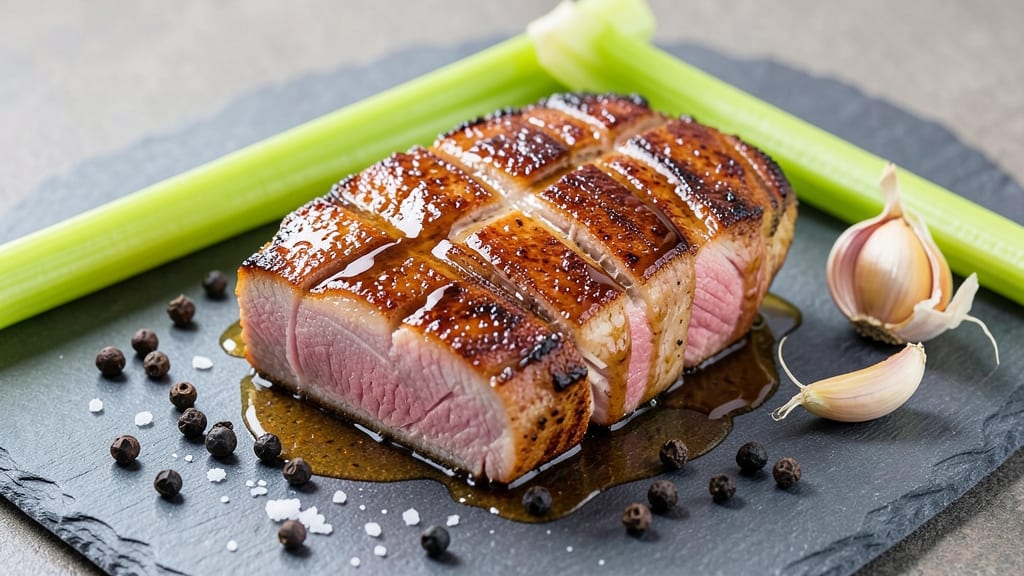
This apple juice pork injection recipe transforms tough cuts into melt-in-your-mouth perfection through a simple yet game-changing technique. 🔥 I developed it after years of perfecting pork injections for competitions, where moisture retention makes the difference between good and showstopping.
The secret lies in balancing sweet apple juice with celery-pepper zest—a combination that tenderizes while adding depth. The process is straightforward: inject the mixture into pork cuts, then let them rest before cooking.
This method ensures moist, juicy meat that practically falls apart, with a subtle sweetness that pairs beautifully with savory crusts. I've used this technique on everything from pork tenderloin to ribs, and it's become my go-to for restaurant-quality results at home. What makes this recipe special is the versatility.
You can sear the injected pork in a skillet for quick weeknight dinners or slow-roast it for a Sunday feast. The apple juice infusion adds natural sweetness that complements any glaze or sauce, while the celery-pepper zest gives a bright, aromatic kick.
It's the kind of technique that elevates simple cuts into something extraordinary. For best results, use a meat injector and work in a clean environment. The key is patience—allowing the pork to rest after injection ensures even distribution of flavors and maximum moisture retention.
Whether you're grilling, roasting, or smoking, this method guarantees tender, flavorful pork every time.
Ingredients for apple juice pork injection
These carefully balanced ingredients transform ordinary pork into restaurant-quality melt-in-your-mouth perfection.
| Ingredient | Amount | Notes |
|---|---|---|
| Unsalted Apple Juice 🍎 | 1 cup | 100% pure, no added sugar |
| Fresh Celery Stalks 🥬 | 3 whole | Finely minced, including leaves |
| Fresh Black Peppercorns 🌶️ | 1 ½ tsp | Coarsely crushed, not powdered |
| Fresh Garlic Cloves 🧄 | 4 cloves | Peeled, finely minced |
| Pork Tenderloin 🥩 | 1 ½ lb | Center-cut, even thickness |
| Kosher Salt 🧂 | 1 ½ tsp | Diamond Crystal preferred |
| Extra-Virgin Olive Oil 🫒 | ¼ cup | For injection and finishing |
| Fresh Lemon Juice 🍋 | 1 tbsp | Balances sweetness |
| Fresh Thyme Leaves 🌿 | ¼ tsp | Chopped, for aromatic depth |
| Honey 🍯 | ½ tsp | Optional, for enhanced sweetness |
| Black Lava Salt 🧂 | ½ tsp | For finishing crust |
| Fresh Rosemary Sprigs 🌿 | 2 whole | For garnish and aroma |
The apple juice is non-negotiable—100% pure, no sugar added is critical for authentic flavor and proper moisture infusion. For celery, organic stalks from Whole Foods yield the brightest flavor, but regular grocery store celery works fine if it's crisp and vibrant. The black peppercorns should be freshly crushed just before use; pre-ground loses its potency quickly. I source my pork tenderloin from local butchers who specialize in dry-aged cuts, but any high-quality center-cut tenderloin from your grocery store's meat department will work. The key is even thickness—trim any uneven edges before injecting.
No apple juice? Freshly squeezed orange juice with a splash of pineapple juice can work in a pinch, though the flavor profile will differ slightly. Substituting dried celery is a no-go—it lacks the aromatic oils that make this technique special. For pepper, freshly cracked black peppercorns are essential; if you must use powdered, toast it briefly to revive its flavor. The honey is optional but recommended for an extra layer of sweetness—local raw honey adds subtle floral notes that complement the apple juice beautifully. When injecting, work in a clean environment to prevent contamination, and use a high-quality meat injector for even distribution.
The injection mixture keeps for 3 days in the refrigerator once prepared, though it's best used immediately. The pork should rest at least 4 hours after injection before cooking—this is where the magic happens. For storage, wrap the injected pork tightly in plastic wrap and refrigerate until ready to cook. The finished dish reheats beautifully—350°F for 10-15 minutes in the oven maintains its moisture. Leftovers keep for 3 days in the fridge or 3 months frozen when properly wrapped.
Why You'll Love This Recipe
- No-Fuss Injection: I swear, the hardest part is finding a needle big enough—once that’s done, it’s all hands-off. The apple juice does the work while you sip your coffee, and the celery’s natural oils keep it juicy without babying the meat.
- Sweet-Savory Magic: That first bite? Crisp apple brightness cutting through tender pork, with garlic and peppercorns adding a sharp little kick. It’s like a fall morning in your mouth—no sugar crash, just pure balance.
- Weeknight Superstar: Between us, this is my secret for feeding the family without stress. Double the batch, slice it thin for sandwiches the next day, or serve it cold at a picnic. The pork stays perfect either way.
- Budget Win: Pork tenderloin’s lean but filling, and apple juice stretches further than you’d think. I’ve made this for date nights, potlucks, and lazy Sundays—always with leftovers that disappear faster than I can reheat them.
Step-by-step instructions for apple juice pork injection
Master this technique for perfectly moist pork with vibrant celery-pepper flavor infusion.
👨🍳 Step 1: Prepare the Injection Marinade
In a small mixing bowl, combine the 1 cup unsalted apple juice, 1 tbsp fresh lemon juice, 0.5 tsp honey, 0.25 tsp chopped fresh thyme leaves, and 0.25 cup extra-virgin olive oil. Whisk vigorously until fully emulsified—the mixture should have a smooth, homogeneous consistency.
Next, add the 3 whole fresh celery stalks (finely minced) and 1.5 tsp coarsely crushed fresh black peppercorns. Stir well to distribute the celery and pepper throughout. This combination creates a bright, aromatic base that will penetrate the pork deeply. The apple juice provides moisture while the celery and pepper add complexity that elevates simple pork to restaurant-quality.
🔪 Step 2: Inject the Pork Tenderloin
Place the 1.5 lb pork tenderloin on a cutting board and let it sit at room temperature for 15-20 minutes before injection. This ensures even distribution of the marinade. Using a meat injection needle or a hypodermic syringe, inject the prepared marinade into the pork at multiple points—about ½-inch apart and ½-inch deep.
I like to start at one end and work my way to the other, injecting in a grid pattern. The pork should feel slightly firm but not rock-hard after injection. This technique guarantees that every bite remains incredibly moist during cooking. If you don't have an injection needle, you can make small cuts with a sharp knife and spoon the marinade into the center, but injection yields far superior results.
🥘 Step 3: Season and Rest the Pork
Generously season the injected pork with the 1.5 tsp kosher salt all over, pressing it into the surface so it adheres well. The salt will help develop a subtle crust while balancing the sweetness of the apple juice infusion. Wrap the pork tightly in plastic wrap and refrigerate for at least 4 hours or up to 24 hours.
This resting period allows the flavors to meld and the injection marinade to fully penetrate the meat. The longer it rests, the more pronounced the apple-celery-pepper flavor will be. For best results, I recommend injecting in the morning and cooking in the evening, giving the pork ample time to absorb all the flavors.
🔥 Step 4: Cook to Perfect Medium-Rare
Preheat your oven to 375°F. Place the seasoned pork tenderloin on a wire rack set over a baking sheet (this ensures even cooking and crispy skin). Roast for 20-25 minutes until the internal temperature reaches 140°F for medium-rare (use a meat thermometer for accuracy). The pork should have a beautiful golden-brown crust and be slightly springy to the touch.
Here's where timing matters most: remove the pork from the oven when it hits 140°F—it will continue cooking slightly as it rests. If you overcook it, the internal temperature will rise to 145°F, which can make the pork slightly dry. Let it rest for 10 minutes before slicing, tented loosely with foil. This resting period ensures juices redistribute throughout the meat.
🍽️ Step 5: Finish with Black Lava Salt and Rosemary
Before serving, sprinkle the sliced pork with the 0.5 tsp black lava salt and garnish with the 2 whole fresh rosemary sprigs, gently pressing them into the surface. The black lava salt adds a dramatic visual contrast and a subtle mineral note, while the rosemary enhances the aromatic profile. Serve immediately for the best texture and flavor experience.
The finished pork should be tender, juicy, and infused with bright apple-celery-pepper flavors. Each slice should hold its shape well yet be fork-tender, with a crispy exterior and moist interior. This injection technique transforms simple pork into a showstopping centerpiece that's perfect for special occasions or impressive weeknight dinners.
Pro Tips For Making Apple Juice Pork Injection
- USE COLD APPLE JUICE: The injection liquid should be ice cold—straight from the fridge—to prevent the pork from cooking prematurely while you work. I learned this the hard way when my first batch turned grayish before it even hit the pan.
- SMASH GARLIC AND PEPPER: Mince the garlic and crush the peppercorns with the flat side of your knife—this releases more flavor without turning the injection into a slurry. Sounds weird, but it works: the pork absorbs the aroma better when the spices are broken down.
- INJECT SLOWLY IN LINES: Poke the pork in a grid pattern, but don’t rush the injection—let the liquid seep in evenly. If you dump it all in at once, it’ll pool and run out the ends, wasting half the flavor.
- REST THE MEAT AFTER INJECTING: Give the pork 15–20 minutes under foil before cooking—this lets the apple juice and aromatics penetrate deeper. I skip this when I’m lazy, but the dish is noticeably better when I don’t.
Wine and beer pairings for this recipe
Crisp Apple Cider
Pair this apple juice-infused pork with a spiced apple cider that mirrors the injection's flavors. Simmer 2 cups apple cider with 1 cinnamon stick, 3 whole cloves, and ½ tsp star anise for 15 minutes.
Strain and serve warm—it complements the pork's sweetness while adding aromatic depth. I like to serve it in small mugs with a cinnamon stick garnish for an inviting presentation. 🍎
Honey-Mustard Glaze
A honey-mustard glaze elevates the dish by balancing the pork's sweetness with tangy contrast. Whisk ¼ cup Dijon mustard, 2 tbsp honey, 1 tbsp apple cider vinegar, and 1 tsp fresh thyme.
Brush lightly over the pork during the last 5 minutes of cooking. This glaze adds a glossy finish and enhances the apple-celery notes. For extra richness, add 1 tbsp melted butter at the end. 🍯
Dry Riesling Wine
For wine lovers, a dry Riesling from Germany or Washington State cuts through the pork's richness with its crisp acidity. Look for a wine with bright citrus and green apple notes—like Dr. Loosen Blue Slate or Chateau Ste.
Michelle. The wine's mineral finish complements the black lava salt on the pork. Serve slightly chilled (50°F) to highlight its refreshing qualities. 🍷
Hazy IPA Beer
A hazy IPA with juicy apple and citrus flavors is a bold beer pairing. I recommend Hazy Little Thing from Oregon or Modern Times from Texas. The beer's hoppy bitterness balances the pork's sweetness, while its fruity notes echo the apple juice infusion.
Serve at 45°F to preserve its vibrant flavors. For a lighter option, try a Belgian witbier like Hoegaarden—its coriander and orange peel notes add a refreshing twist. 🍺
Roasted Apple Slices
Serve the pork with roasted apple slices for a cohesive side that enhances the apple juice flavors. Toss 2 apples (thinly sliced) with 1 tbsp olive oil, ½ tsp cinnamon, and pinch of salt.
Roast at 375°F for 15 minutes until caramelized. The apples' natural sweetness and texture provide a delightful contrast to the tender pork. 🍏
Herb-Infused Butter
Finish the plate with herb-infused butter for an elegant touch. Mix ½ cup softened butter with 1 tbsp chopped rosemary, 1 tbsp chopped thyme, and 1 tsp black pepper**. Serve in small pats alongside the pork.
The butter's richness pairs beautifully with the pork's moisture, while the herbs echo the injection's celery-pepper zest. This simple garnish elevates the dish to restaurant-quality. 🌿
Nutrition facts
Frequently asked questions
Can I use this injection technique on other pork cuts besides tenderloin?
This method works beautifully on pork chops, pork loin, and even ribs. For thicker cuts like pork loin, increase the injection volume slightly (about 10-15% more marinade). For ribs, inject through the membrane between bones for even flavor distribution. The key is adjusting the injection depth—½-inch deep for tenderloin, ¾-inch deep for chops, and 1-inch deep for ribs.
How do I know if my pork is injected properly?
Proper injection should leave the pork feeling slightly firm but not rock-hard. Look for even distribution of marinade—no bulging areas—and a consistent color throughout. If using a meat injector, aim for ½-inch apart injections. For visual confirmation, slice a small piece after injection: the apple juice should be evenly dispersed without pooling. If you see dry spots, inject additional marinade into those areas.
Can I make the injection marinade ahead of time?
Yes, but with a few precautions. The marinade keeps for 3 days in the fridge, but store it in an airtight container. For best flavor, use it within 24 hours of preparation. The celery and pepper will lose some freshness over time, so plan to inject your pork as soon as possible. If storing longer, add ½ tsp lemon juice to preserve freshness. Never freeze the marinade—it breaks down the texture of the celery and pepper.
What if I don't have a meat injector?
No injector? No problem! Use a clean hypodermic needle (sterilized) or even a meat baster. For tough cuts, make small cuts (¼-inch deep) with a sharp knife and spoon the marinade into the center. While not as precise, this method still delivers great results. The key is patience—let the pork rest at least 4 hours to allow flavors to penetrate. For ribs, inject through the membrane between bones using a meat baster for even distribution.
How do I prevent the pork from drying out during cooking?
Moisture retention starts with proper injection and resting. After injecting, wrap the pork tightly in plastic wrap and refrigerate for 4-24 hours. When cooking, use a meat thermometer—remove pork at 140°F for medium-rare (it will rise to 145°F while resting). For oven cooking, place the pork on a wire rack over a baking sheet to allow air circulation. If grilling, cook over medium heat and avoid direct flame exposure. Always let the pork rest 10 minutes before slicing to redistribute juices.