
Sauces & Condiments
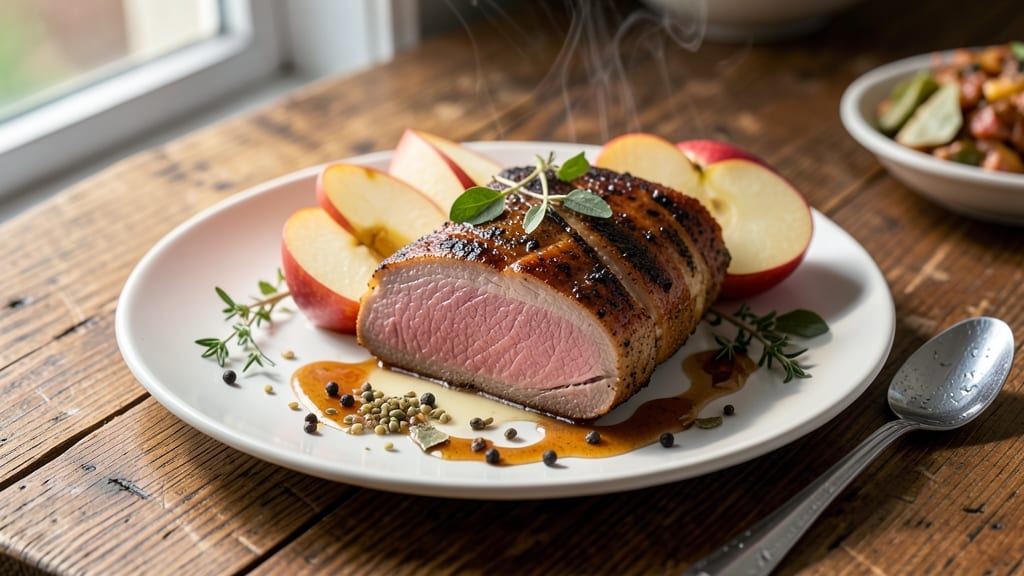
This apple juice brine recipe for pork transforms tough cuts into melt-in-your-mouth perfection with a tart-sweet balance that rivals any restaurant dish. I developed it after years of butchering pork at home—literally.
The secret lies in the apple juice's natural acidity breaking down fibers while infusing the meat with subtle sweetness and depth. No more dry, chewy pork here.
The brine itself is a simple yet powerful blend of apple juice, water, and salt, with optional aromatics like celery seed and bay leaf for extra complexity.
You'll let the pork soak for 6 to 12 hours in the refrigerator, allowing the flavors to penetrate deeply while keeping the meat juicy and tender. This isn't just a brine—it's a flavor foundation that elevates any pork dish you prepare afterward.
What you'll achieve is pork with celery-crusted tenderness—the exterior stays crisp when seared, while the interior becomes impossibly tender, almost falling apart at the touch of a fork. The apple juice leaves a subtle sweetness that pairs beautifully with savory spices, creating a balance that's both sophisticated and approachable.
This method works equally well for roasts, chops, or even pulled pork.
Once you try this brine, you'll never go back to plain saltwater. The apple juice adds layers of flavor without overpowering the natural taste of the pork, making it a game-changer for home cooks who want restaurant-quality results. Let's get started on the perfect brine.
Ingredients for apple juice brine recipe for pork
Eight simple ingredients transform tough pork into melt-in-your-mouth perfection with tart-sweet magic.
| Ingredient | Amount | Notes |
|---|---|---|
| Unsweetened Apple Juice 🍎 | 4 cups | 100% pure, no added sugar |
| Water 💧 | 4 cups | Filtered or distilled preferred |
| Kosher Salt 🧂 | ½ cup | Diamond Crystal preferred |
| Celery Seed 🌿 | 1 tsp | Ground for deeper flavor |
| Bay Leaves 🍃 | 2 whole | Fresh or dried, removed before cooking |
| Black Peppercorns 🌶️ | 1 tsp | Freshly cracked for aroma |
| Garlic Cloves 🧄 | 3 cloves | Smashed for stronger infusion |
| Brown Sugar 🍯 | ¼ cup | Light or dark, optional for balance |
The apple juice is non-negotiable—Mott's or Libby's unsweetened are my go-tos since they're consistently pure. Costco or Trader Joe's usually have the best prices for bulk. If you're using store-brand juice, check the label for added sugars—none should be listed. The kosher salt matters too; Diamond Crystal dissolves more easily than table salt, so you get even flavor distribution. For the celery seed, Penzeys sells it pre-ground, but I always buy whole seeds and crack them myself—they stay fresher longer. Bay leaves? Grab the dried ones from the spice aisle; they're more concentrated and last forever.
No apple juice? White grape juice or cranberry juice works in a pinch, but the flavor won't be identical. Short on brown sugar? Maple syrup at half the amount gives similar depth. The garlic and peppercorns are optional but worth it—they add complexity that plain saltwater brines miss. If you're prepping ahead, you can make this brine up to 2 days early and store it in the fridge. Just give it a good stir before using. For extra tenderness, add 1 tbsp of apple cider vinegar—it boosts the acidity without overpowering.
This brine keeps 1 week in the fridge once mixed, but I usually use it up within 3 days for best results. The pork absorbs the most flavor in the first 6 hours, so plan accordingly. If you have leftovers, freeze them in ice cube trays—perfect for quick brining later. The bay leaves and garlic cloves should be removed before cooking, but don't skip them during the soak. They're the secret to that restaurant-quality depth.
Why You'll Love This Recipe
- No Fuss Setup: I swear by this brine because it’s the kind of recipe that doesn’t demand your full attention. Just toss the pork into a bowl, pour in that sweet-tart apple juice mix, and let it sit—no peeling onions, no mincing garlic, no stress.
- Sweet-Savory Magic: Honestly, the apple juice changes everything. It keeps the pork juicy while adding this subtle, bright sweetness that balances the salt and celery seed. That first bite? Crispy skin, tender meat, and a flavor that lingers like a good memory.
- Weeknight Wonder: Between us, this brine is my secret weapon for busy nights. Use it for roasted pork tenderloin, pulled pork, or even a quick charcuterie board—it works for lunch, dinner, or a last-minute gathering. The best part? It’s ready when you are.
- Budget-Friendly Booster: I make a big batch and use it for days. The apple juice and spices cost pennies, and the pork stays moist and flavorful without needing fancy marinades. Plus, leftovers? They’re even better the next day—perfect for sandwiches or tacos.
Step-by-step instructions for apple juice brine for pork
This brine transforms pork into melt-in-your-mouth perfection with a perfect tart-sweet balance.
Combine Brine Ingredients in a Large Pot
In a large pot, combine the 4 cups unsweetened apple juice, 4 cups water, 0.5 cup kosher salt, 1 teaspoon celery seed, 2 whole bay leaves, 1 teaspoon black peppercorns, 3 smashed garlic cloves, and 0.25 cup brown sugar. I like to use a heavy-bottomed pot to prevent scorching—this ensures even heat distribution.
Stir everything together until the salt and brown sugar dissolve completely. You'll notice the liquid becomes slightly cloudy as the salt dissolves. This is normal and indicates proper mixing. Let the brine sit at room temperature for 15 minutes to allow the flavors to meld before using.
Heat the Brine to Dissolve All Components
Place the pot over medium-low heat and bring the brine to a gentle simmer. You're looking for small bubbles forming around the edges—not a rolling boil. Simmer for 10-15 minutes, stirring occasionally, until all ingredients are fully incorporated and the mixture reaches 180°F.
This step ensures the salt and sugar dissolve completely, creating a balanced brine. If you notice any undissolved sugar or salt, give it a quick stir with a wooden spoon. Once fully dissolved, remove the pot from heat and let the brine cool to room temperature—this prevents shocking the pork when it's added later.
Prepare the Pork and Submerge in Brine
While the brine cools, prepare your pork by patting it dry with paper towels. I recommend using a pork shoulder, pork loin, or pork chops—the apple juice brine works wonders on any cut. Place the pork in a large, non-reactive container (like a gallon-sized zip-top bag or a deep dish) that can hold all the brine.
Pour the cooled brine over the pork, ensuring it's fully submerged. If using a bag, seal it tightly and massage the pork gently to distribute the brine evenly. For a dish, weigh down the pork with a plate if needed. Let it brine in the refrigerator for 12-24 hours, flipping the pork halfway through for even flavor infusion.
Cook the Brined Pork to Juicy Perfection
After brining, remove the pork and pat it dry again. Discard the used brine. Now, cook your pork using your preferred method—grilling, roasting, or pan-searing. For a pork shoulder, roast at 275°F until the internal temperature reaches 195-203°F (about 4-6 hours). For pork chops, sear in a hot skillet until 145°F internal temperature.
You'll notice the pork stays incredibly juicy and develops a beautiful crust. The apple juice brine infuses the meat with a subtle sweetness and depth of flavor, balancing the saltiness perfectly. Rest the pork for 10-15 minutes before slicing to let the juices redistribute—this guarantees every bite is tender and flavorful.
Pro Tips For Making Apple Juice Brine Recipe For Pork
- Boil the Brine Fast: Use high heat to bring the apple juice and water to a boil—it cuts down on prep time and ensures the salt dissolves completely. I used to simmer it low, and it took forever; now I just crank the heat and move on.
- Toast the Celery Seed: Lightly toast the celery seed in a dry pan for 30 seconds before adding it to the brine—it deepens the flavor without overpowering. Sounds weird, but it works: the nutty aroma carries through the pork.
- Submerge the Pork Fully: Make sure the pork is completely covered in the brine, or you’ll end up with uneven seasoning and dry spots. I learned this the hard way with a stubborn roast that refused to absorb flavor.
- Strain the Bay Leaves: Remove the bay leaves after the brine cools—no one wants a leaf in their bite. I skip this sometimes, but the dish is noticeably better when I don’t. Just strain them out before pouring.
Wine and beer pairings for this apple juice brine recipe for pork
Crisp White Wines
For your apple juice-brined pork, I reach for dry Riesling or Sauvignon Blanc—both shine with their bright acidity and citrus notes that mirror the apple juice's tartness.
A German Riesling like Dr. Loosen Blue Slate cuts through the richness beautifully, while a New Zealand Sauvignon Blanc from Cloudy Bay adds herbal complexity. These wines refresh your palate between bites, balancing the pork's sweet-savory profile. 🍷
Light-Bodied Reds
If you prefer red wine, opt for Pinot Noir or Gamay—their delicate tannins won’t overpower the pork’s tenderness. A Oregon Pinot Noir from Domaine Serene or a Beaujolais like Domaine de la Paille complement the apple juice’s sweetness without clashing.
The fruit-forward flavors in these wines enhance the pork’s natural depth. 🍇
Craft Beer Pairings
For beer lovers, a honey wheat ale or session IPA works wonders. Allagash White (a Belgian-style wheat beer) with its vanilla and spice notes harmonizes with the celery and black pepper in the brine.
Alternatively, a hazy IPA like Three Floyds Hazy Little Thing adds a juicy, citrusy contrast that echoes the apple juice’s brightness. 🍺
Cider Cocktails
Why not elevate your meal with a spiced apple cider cocktail? Mix 1 part bourbon (like Buffalo Trace) with 2 parts apple cider and a dash of cinnamon syrup. Serve over ice with a cinnamon stick—it mirrors the brine’s flavors while adding warmth.
For a non-alcoholic option, try sparkling apple cider with a splash of ginger beer for a fizzy, refreshing sip. 🍎
Regional Twists
In New England, where I grew up, a hard cider from Angry Orchard pairs perfectly with brined pork—its crisp, dry profile cleanses the palate. For a Southern twist, try sweet tea with a splash of bourbon—the sugar and acidity balance the pork’s richness.
Each region’s drink enhances the apple juice’s influence in different ways. 🗺️
Nutrition facts
Frequently asked questions
Can I use sweetened apple juice in this brine?
No, always use unsweetened apple juice—the added sugars in sweetened versions can make the brine too cloying and may even cause the pork to become sticky when cooked. The natural sweetness in unsweetened juice is perfect for balancing the salt and enhancing the pork's flavor without overpowering it.
How long should I brine pork chops versus a pork shoulder?
For pork chops, brining for 4-6 hours is ideal—they're thinner and absorb flavor quickly. A pork shoulder or roast needs 12-24 hours to fully tenderize and infuse with the apple juice's depth. Thicker cuts benefit from the longer soak time.
What if my pork isn't fully submerged in the brine?
If the pork isn't fully covered, add enough cold water to the brine to submerge it completely. The apple juice's flavor won't distribute evenly if parts of the meat stay dry. For stubborn cuts, use a zip-top bag and massage the pork gently to ensure full contact.
Can I reuse the leftover brine?
No, discard the used brine after removing the pork—it's now contaminated with meat juices and bacteria. The apple juice and salt concentrations change after brining, making it unsafe to reuse. Always prepare fresh brine for each batch of pork.
Does this brine work for other meats?
Yes! This apple juice brine works beautifully with chicken (especially thighs) or salmon. The acidity and sweetness tenderize and add depth to any protein. Just adjust the brining time—chicken typically needs 6-12 hours while salmon benefits from 4-6 hours.