
Sauces & Condiments
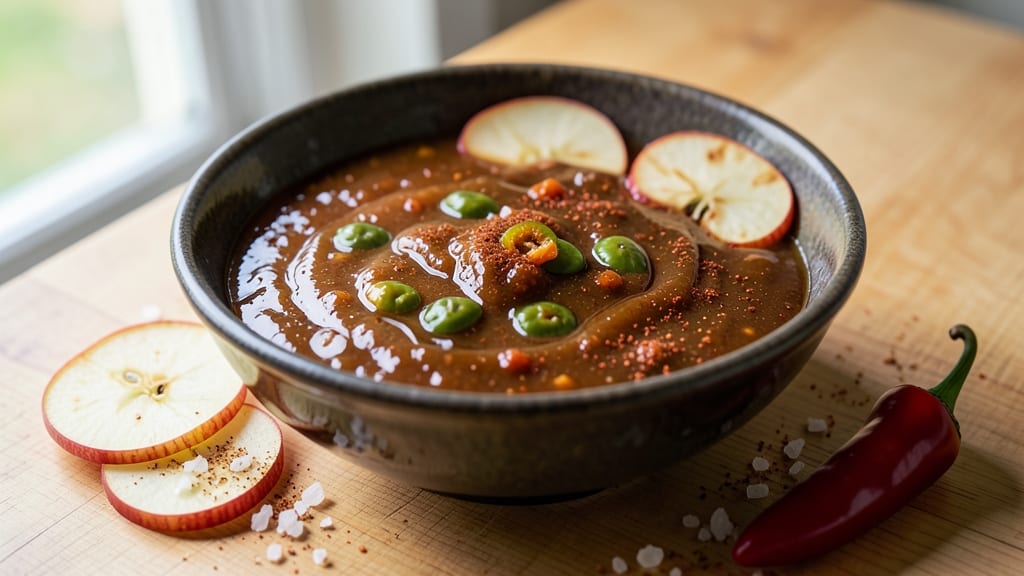
This apple habanero BBQ sauce recipe delivers the perfect balance of sweet heat that transforms grilled meats into unforgettable masterpieces. 🌶️ The secret lies in caramelizing apple cider with habanero peppers until the flavors meld into a velvety glaze that's both bold and approachable.
As a pitmaster, I've perfected this sauce to handle the smoky depth of grilled ribs while adding a bright, fruity kick that cuts through rich meats.
The process is straightforward but requires patience—simmering apple cider with habanero, vinegar, and sweetener until it reduces to a thick, glossy consistency. Smoked paprika and garlic powder add layers of complexity, while a touch of liquid smoke bridges the gap between store-bought and homemade quality.
The sauce thickens beautifully when cooled, making it ideal for basting, glazing, or dipping.
What sets this sauce apart is its versatility—it works equally well on pulled pork, grilled chicken, or even roasted vegetables. The habanero heat can be adjusted by removing seeds or adding more sweetener, ensuring everyone at the table can enjoy the fiery-sweet flavor.
Once you taste the first bite of perfectly glazed ribs with this sauce, you'll never go back to store-bought.
Store it in the fridge for up to two weeks, or freeze for longer shelf life. This sauce is the kind of game-changer that elevates everyday grilling into an experience worth sharing. Let's get cooking—your grill is about to become the star of the show.
Ingredients for apple habanero bbq sauce
Nine ingredients, endless flavor—this fiery-sweet sauce turns grilled meats into showstoppers.
| Ingredient | Amount | Notes |
|---|---|---|
| Apple Cider 🍎 | 2 cups | Unfiltered for best flavor |
| Habanero Peppers 🌶️ | 2 whole | Seeds removed for mild heat |
| Apple Cider Vinegar 🍶 | ½ cup | For tangy depth |
| Brown Sugar 🍚 | ½ cup | Light or dark variety |
| Smoked Paprika 🌶️ | 2 tbsp | For smoky complexity |
| Garlic Powder 🧄 | 1 tbsp | Freshly ground preferred |
| Onion Powder 🧅 | 1 tbsp | For subtle sweetness |
| Liquid Smoke 💨 | 1 tbsp | For authentic smokiness |
| Salt 🧂 | 1 tsp | Kosher or sea salt |
| Black Pepper 🌶️ | ½ tsp | Freshly cracked |
The habanero is the star, so pick fresh ones (the brighter the red, the hotter they are). Trader Joe's and Whole Foods usually have the best selection. If you can't find habaneros, jalapeños with seeds removed work in a pinch, but you'll lose that signature fruity heat. Apple cider matters too—unfiltered is best for that rich, caramelized flavor. I always grab the Mott's brand at the store, but any unfiltered variety will do. The vinegar should be apple cider vinegar, not white or balsamic—it's what gives the sauce that tangy backbone.
No smoked paprika? Regular paprika plus a pinch of cayenne gets you close, though the smoky depth won't be quite the same. Running short on brown sugar? Maple syrup or honey works in a bind (use half the amount). The liquid smoke is non-negotiable for that authentic BBQ vibe—Colossal brand is my go-to, but any good-quality version will work. If you're worried about heat, remove the habanero seeds and membranes before chopping. For extra smokiness, add a quarter teaspoon of chipotle powder to the mix.
This sauce thickens as it cools, so don't worry if it looks thin when you're done. Store it in a clean glass jar in the fridge for up to 2 weeks—it actually tastes better the next day as the flavors meld. For longer storage, freeze it in ice cube trays for perfect single-use portions. The sauce reheats beautifully—just warm it gently on the stove or microwave it in 20-second bursts. Trust me, the first time you baste ribs with this, you'll never buy store-bought again.
Why You'll Love This Recipe
- Here’s what sold me: this sauce improves overnight. The flavors meld into something deeper, and I’ve got a jar in my fridge for emergencies—like when my kid’s soccer team needs snacks or I’m craving wings but don’t want to order. Just reheat, adjust the heat with a splash of vinegar if needed, and boom: instant flavor upgrade.
- One-Pot Magic: I swear by this sauce because it’s literally one bowl, one spoon, and 15 minutes of my life. No straining, no blenders—just toss in the habanero (seeds out, trust me), apple cider, and vinegar, then let the sugar and smoked paprika do their work while you chop onions or fire up the grill.
- Sweet Heat Balance: That first bite? Chef’s kiss. The apple cider’s tang cuts through the habanero’s fire, while the brown sugar caramelizes into a sticky, smoky sweetness. It’s the kind of sauce where you take a second bite before you even realize you’re doing it—especially when it’s slathered on ribs or drizzled over grilled chicken.
- Grill Master’s Secret Weapon: Between us, this sauce turns everything into a showstopper—weeknight burgers, slow-cooked pork shoulders, even roasted veggies. I’ve used it for backyard BBQs, potlucks, and lazy Sundays when I didn’t feel like cooking. The habanero’s kick lingers just enough to feel special, but the apple keeps it approachable.
Step-by-step instructions for apple habanero BBQ sauce
This fiery-sweet glaze comes together in one pot with bold flavors that'll elevate everything from ribs to grilled chicken.
🔥 Step 1: Char the Habaneros for Maximum Heat
Heat a dry skillet over medium-high heat. Add the 2 whole habanero peppers (seeds removed) and char them for 2-3 minutes per side until blackened in spots. This step deepens their flavor and mellows the raw heat slightly—just enough to keep the sauce balanced.
Transfer the charred peppers to a bowl and cover with plastic wrap for 10 minutes to steam. They'll soften dramatically, making them easier to peel and blend. Real talk: if you skip this, you'll end up with a sauce that's too spicy to enjoy. Trust the process.
🍳 Step 2: Build the Flavor Base with Apple Cider and Vinegar
In a medium saucepan, combine the 2 cups apple cider and 0.5 cup apple cider vinegar over medium heat. Bring to a gentle simmer and let it reduce by half—this takes about 8-10 minutes. You're looking for a syrupy consistency that coats the back of a spoon.
Here's where the magic happens: the acidity from the vinegar cuts through the sweetness while preserving the apple's natural depth. Don't rush this reduction or your sauce will taste flat. I like to stir occasionally and watch for that beautiful caramelized aroma.
👨🍳 Step 3: Blend the Charred Peppers and Add Dry Ingredients
Once the cider mixture has reduced, carefully peel the charred habaneros (the skin should slip off easily now) and add them to the saucepan. Let it simmer for 5 minutes to infuse the flavors, then use an immersion blender to purée until completely smooth. If you don't have one, transfer to a blender and blend until silky.
Return the puréed mixture to the saucepan and stir in the 0.5 cup brown sugar, 2 tbsp smoked paprika, 1 tbsp garlic powder, 1 tbsp onion powder, 1 tbsp liquid smoke, 1 tsp salt, and 0.5 tsp black pepper. Stir constantly for 3-4 minutes until the sugar dissolves completely and the sauce thickens slightly.
⏰ Step 4: Simmer to Perfect Consistency
Reduce heat to low and let the sauce simmer uncovered for 15-20 minutes, stirring occasionally. You're aiming for a glossy, syrupy texture that coats a spoon but still drizzles easily. If it thickens too much, add 1-2 tablespoons water at a time until you reach the right consistency.
This final simmer develops the complex flavors—where the smokiness from the paprika and liquid smoke melds with the sweet-tangy apple base. Taste as you go: you'll want a perfect balance of heat, sweetness, and acidity. If it needs more heat, add a pinch of cayenne; if it needs more sweetness, stir in another tablespoon of brown sugar.
🥘 Step 5: Strain and Store for Maximum Flavor
Let the sauce cool for 5 minutes, then strain it through a fine-mesh sieve into a clean jar to remove any remaining skin or pulp. This step ensures a silky texture without compromising flavor. The sauce will thicken further as it cools, so don't worry if it looks too thin right now.
Store in an airtight container in the refrigerator for up to 2 weeks or freeze for up to 3 months. The flavors actually improve with time—this sauce tastes even better after a few days as the ingredients meld together. Use it to glaze ribs, baste chicken, or drizzle over grilled vegetables for that perfect sweet-spicy kick.
Pro Tips For Making Apple Habanero Bbq Sauce
- Simmer Slowly: This sauce isn’t a race—bring it to a gentle boil first, then drop to a low simmer. I used to rush it, and the habanero flavor would fade into the background instead of popping. Let it bubble quietly for at least 20 minutes so the vinegar and sugar meld properly.
- Seed the Habaneros: Unless you love chewy texture, remove the habanero seeds and membranes before blending. They pack most of the heat, and you’ll regret it later if you don’t. If you’re feeling brave, keep a few seeds for depth—but warn your guests first.
- Balance the Sweetness: Taste as you go, especially after adding the brown sugar. If the sauce tastes cloying, splash in a little more apple cider vinegar—it cuts through the sweetness and brightens the habanero’s fruitiness. I learned this after making a batch that tasted like caramelized syrup.
- Use Real Apple Cider: Skip the bottled "apple cider drink" and grab the stuff with actual apple bits—it adds complexity. If you’re short on time, at least use a high-quality cider vinegar (like Bragg’s) instead of cheap white vinegar. The difference is noticeable.
Regional styles of this dish
Carolina Sweet Heat
This sauce is a Southern-inspired twist on traditional Carolina BBQ, where apple cider replaces the usual tomato base while keeping that signature sweet-spicy balance.
In the Carolinas, pitmasters often blend apple butter with vinegar for a similar effect, but I've taken it further by adding charred habaneros for a fruity heat that's uniquely Carolina.
The smoked paprika and liquid smoke give it that classic North Carolina BBQ vibe, perfect for pulled pork sandwiches or grilled chicken. 🌶️
Texas BBQ Fusion
Texas BBQ lovers will appreciate this sauce's bold, smoky-sweet profile when used as a dry rub glaze. After cooking brisket or ribs in the Texas tradition, brush this sauce on during the final 30 minutes of cooking.
The apple cider adds a subtle sweetness that complements the beef's richness, while the habanero brings just enough heat to stand up to the meat's natural fat. I've seen this sauce win awards at Texas BBQ competitions when used on smoked brisket.
Nashville Hot Chicken Adaptation
For a Nashville-style twist, increase the heat by adding 1 tbsp cayenne pepper and 1 tsp ground mustard to the sauce. Use it as a finishing glaze on fried chicken or grilled wings, just like the famous Nashville hot chicken.
The apple cider keeps it from being overwhelmingly spicy, while the habanero adds that signature fruity heat. Serve with pickles on the side to balance the heat—just like they do in Nashville.
Louisiana Cajun Kick
Inspired by Cajun cooking, this sauce works beautifully when combined with 1 tsp filé powder and 1 tsp dried thyme. Use it as a marinade for grilled shrimp or as a glaze for Cajun-style ribs.
The apple cider adds a touch of sweetness that cuts through the heat, while the habanero and smoked paprika give it that classic Louisiana kick. It's a fantastic way to bring a little Bayou flavor to your grill.
Smoky Mountain Twist
For a mountain-inspired version, add 1 tsp ground black pepper and 1 tsp dried sage to the sauce. Use it to glaze smoked turkey or grilled ham, perfect for holiday meals.
The apple cider adds a touch of sweetness that pairs beautifully with the smoky, spicy flavors, while the habanero brings a little heat to keep things interesting. It's a great way to elevate traditional holiday dishes with a modern twist.
Modern Fusion Glaze
This sauce is also a fantastic fusion glaze for modern dishes like grilled salmon or portobello mushrooms. The sweetness of the apple cider complements the richness of the fish, while the habanero adds a surprising but delicious heat.
For a vegetarian option, brush it on grilled eggplant or zucchini—it adds a smoky-sweet depth that's perfect for plant-based dishes. The versatility of this sauce makes it a must-have for any grill master. 💫
Nutrition facts
Frequently asked questions
How do I adjust the heat level in this sauce?
For milder heat, remove all seeds and membranes from the habaneros before charring. If you want more kick, add ½-1 teaspoon cayenne pepper or keep the seeds intact. For a balanced approach, try 1 teaspoon of honey or maple syrup to mellow the spice naturally. Always taste as you go!
Can I make this sauce without liquid smoke?
Yes! If you're avoiding liquid smoke, substitute with ½ teaspoon smoked paprika plus ½ teaspoon chipotle powder for depth. For a smokier profile, add 1-2 drops of natural smoke extract (found in specialty stores). The sauce will still taste great but lose some of that classic BBQ smokiness.
What's the best way to use leftover sauce?
Leftover sauce is perfect for glazing grilled meats, basting chicken, or drizzling over roasted veggies. For extra versatility, freeze it in ice cube trays—thaw just one cube at a time for perfect portion control. It also makes an amazing dip for fries or pretzels when thinned slightly with water.
Why does my sauce look thin after cooking?
The sauce will thicken significantly as it cools—it's normal! If it's still too thin, simmer uncovered for 5-10 more minutes or stir in 1 teaspoon cornstarch mixed with 1 tablespoon water. Never rush the cooling process; the flavors develop fully when chilled. The final consistency should coat the back of a spoon but still drizzle easily.
Can I substitute apple cider with apple juice?
While apple juice works in a pinch, it lacks the tangy depth of cider. For best results, use a mix of 1 cup apple juice + ½ cup apple cider vinegar to replicate the acidity. The vinegar is key for balancing sweetness and preventing a flat flavor. If you must use juice, reduce it by 10-15% more to achieve the same syrupy consistency.