
Main Courses
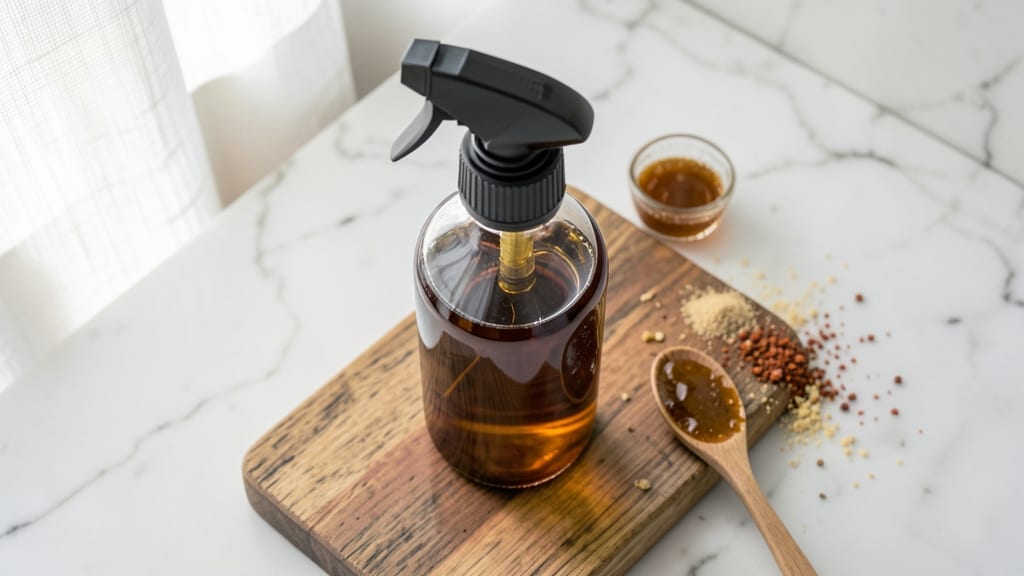
This apple cider vinegar brisket spray recipe transforms your smoked brisket from good to legendary—crispy bark, tender meat, and a perfect balance of tangy-sweet flavor. The acidity in the vinegar breaks down tough fibers while creating a deep, caramelized crust that locks in moisture.
I developed this spray after years of experimenting with brisket rubs and sauces, and it’s now my go-to secret for restaurant-quality results at home.
The beauty of this spray lies in its simplicity: just apple cider vinegar, water, and a touch of oil to help it cling to the meat. You can enhance it further with garlic, onion powder, or smoked paprika for extra depth.
The key is applying it during the last few hours of smoking or grilling, when the brisket is nearing its ideal internal temperature—this ensures maximum flavor infusion without overpowering the natural smokiness.
What you’ll achieve is a brisket with a glossy, crackling bark that’s both sweet and tangy, while the meat stays juicy and tender. The spray doesn’t just add flavor—it works as a basting agent, keeping the surface moist enough to develop that coveted crust without drying out.
This technique is especially effective for long smokes, where maintaining moisture can be a challenge.
Perfect for smokers, grills, or even the oven, this spray elevates any brisket recipe. Whether you’re cooking a whole packer or a smaller cut, the results are consistently impressive. Let’s get started on creating that perfect bark!
Ingredients for apple cider vinegar spray for brisket
Five simple ingredients transform your brisket into smoky-tangy perfection every time.
| Ingredient | Amount | Notes |
|---|---|---|
| Apple Cider Vinegar 🍏 | 1 cup | Raw, unfiltered preferred |
| Water 💧 | 1 cup | Distilled or filtered |
| Light Olive Oil 🫒 | 2 tbsp | For even coating |
| Garlic Powder 🧄 | 1 tbsp | Freshly ground preferred |
| Onion Powder 🧅 | 1 tbsp | For depth of flavor |
| Smoked Paprika 🌶️ | 1 tsp | For smoky aroma |
| Kosher Salt 🧂 | 1 tsp | Fine grain preferred |
| Black Pepper 🌶️ | ½ tsp | Freshly ground |
The apple cider vinegar is the hero here—Bragg or Texas Pete are my go-tos for that authentic tang. Grab the raw, unfiltered kind if you can find it; it’s packed with more flavor compounds. The light olive oil is key for helping the spray cling to the brisket—California avocado oil works too if you prefer a higher smoke point. For the powders, Penzeys or the bulk bins at Whole Foods are worth the splurge if you’re serious about your bark. If you’re in a hurry, the regular grocery store brands still work—just make sure they’re fresh (no dusty spices!).
No garlic powder? Fresh minced garlic at double the amount works wonders—just add it right before spraying. Swap smoked paprika for regular paprika if you’re out, but you’ll lose that smoky depth. The salt and pepper are non-negotiable for seasoning, but if you’re using a pre-made rub, cut the salt in the spray by half. For a sweeter bark, add 1 tsp brown sugar to the mix. And if you’re worried about the spray being too acidic, reduce the vinegar to 3/4 cup and add 1/4 cup extra water—it’ll still work, just a touch milder.
This spray keeps for up to 2 weeks in a clean spray bottle in the fridge. I like to make a big batch and keep it handy for future smokes. For extra convenience, freeze portions in ice cube trays—thaw and shake before using. The spray’s magic happens when it’s applied during the last 3-4 hours of cooking, so plan ahead. Store the bottle in a cool, dark place if you’re not using it right away, and give it a good shake before each use for even distribution.
Why You'll Love This Recipe
- No-Measure Fuss: I keep a spray bottle in my fridge always—just eyeball the vinegar and water, give it a shake, and boom. No measuring cups, no stress. The olive oil and spices blend in while I’m chopping onions for dinner anyway.
- Tender Magic: That vinegar spray doesn’t just season—it transforms. The brisket stays juicy, the crust gets this perfect snap, and the garlic-onion punch cuts through the richness like a bright, tangy hug. (Yes, even on a Tuesday night.)
- Smoker’s Secret Weapon: I use it for everything—pulled pork, chicken thighs, even roasted potatoes. The spray cuts cooking time and keeps meats from drying out. Honestly, my slow-cooker sessions are half the battle now.
- Penny-Smart Hack: A full bottle costs me less than $3 and lasts weeks. No fancy rubs, no wasted ingredients—just a splash of vinegar, a drizzle of oil, and my pantry’s working overtime for me. Budget-friendly? More like budget-brilliant.
Step-by-step instructions for apple cider vinegar brisket spray
Here's how to whip up this game-changing spray that delivers smoky-tangy bark and keeps brisket juicy.
Combine the Liquid Base
In a medium bowl, carefully measure out the 1 cup apple cider vinegar and 1 cup water. I always use raw, unfiltered vinegar here—the mother culture adds depth of flavor that you just can't get with filtered versions. Give these two ingredients a quick stir to fully mix them together.
This liquid base is the foundation of your spray, so precision matters. The vinegar's acidity helps tenderize the meat while creating that signature tangy bark. If you're using distilled water, you're good to go—it won't affect the flavor. Just make sure both liquids are at room temperature before combining.
Whisk in the Dry Seasonings
Add the 1 tablespoon garlic powder, 1 tablespoon onion powder, 1 teaspoon smoked paprika, 1 teaspoon kosher salt, and 0.5 teaspoon black pepper to the vinegar mixture. Using a whisk or small wire whisk, stir vigorously for about 30 seconds until you see no more dry spots and the seasonings are fully dissolved.
The garlic and onion powders will dissolve completely, giving you a smooth spray consistency, while the smoked paprika and black pepper will stay suspended—this is perfect for creating that beautiful, flavorful crust. I like to press the seasonings through a fine-mesh sieve first to eliminate any clumps, which makes the spray even more uniform when you apply it later.
Incorporate the Olive Oil
Drizzle in the 2 tablespoons light olive oil while continuing to whisk. The oil should emulsify into the mixture, creating a slightly thicker, sprayable consistency. If it looks too thin, you can add an extra ½ teaspoon olive oil to help it cling better to the brisket.
This olive oil is crucial—it helps the spray adhere to the meat and creates that beautiful, glossy bark. I use light olive oil because it has a higher smoke point and won't overpower the other flavors. Give it one final whisk to ensure everything is evenly combined. The mixture should now have a rich, aromatic smell that's both tangy and smoky—this is your cue that it's ready for the next step.
Transfer to a Spray Bottle
Pour the mixture into a clean, 8-ounce spray bottle with a fine mist nozzle. I like to use glass spray bottles because they're easy to clean and won't absorb odors. Fill it only about ¾ full—this gives room for the mixture to expand slightly as the flavors meld together.
Give the bottle a gentle shake to mix everything one last time. The spray should come out in a fine, even mist when you test it on a piece of parchment paper. If it's too thick and clogs the nozzle, add 1 teaspoon water at a time until it sprays smoothly. This spray is now ready to transform your brisket into a masterpiece.
Apply to Brisket During Cooking
When you're ready to use the spray, apply it to your brisket every 30-45 minutes during the cooking process. Start with a light mist and gradually increase to a heavier application as the bark forms. You'll know you're doing it right when you see the surface develop a glossy sheen and the bark starts to darken.
Here's the thing about this spray—it doesn't just add flavor, it actually helps tenderize the meat and locks in moisture. The acidity in the vinegar breaks down proteins on the surface, creating that incredible bark while keeping the inside juicy. I like to spray the brisket 3-4 times during a typical 12-16 hour cook, focusing on all sides and the edges. The result? A brisket with a perfect balance of smoky, tangy bark and tender, juicy meat that falls apart with a fork.
Pro Tips For Making Apple Cider Vinegar Spray For Brisket
- STRAIN THE ACV: I used to use straight-up store-bought ACV straight from the bottle, but now I strain it first—especially if it's got sediment or bits. Pour it through a fine-mesh sieve into your spray bottle, and you'll avoid clogging the nozzle (which is annoying) and getting weird grit in your spray.
- USE COLD WATER: Mixing cold water with your ACV and oil keeps the garlic and onion powders from dissolving into a murky sludge. Warm water turns this spray into a sad, clumpy mess—trust me, I’ve seen it. Stick to room temp or cold, and your spray will stay smooth and ready to cling.
- SHAKES BEFORE EVERY USE: This spray separates like a bad marriage if you don’t shake it before every single use. I learned this after spraying a dry, oily mist one time and wondering why my brisket wasn’t getting tenderized. Give it a good 10 seconds of vigorous shaking—yes, even if you just used it.
- DOUBLE THE GARLIC: The basic recipe might call for 1 tsp garlic powder, but I double it—sometimes triple it—because that’s what makes the difference between "meh" and "wow." The spray’s job isn’t just moisture; it’s flavor. If you’re skeptical, start with an extra teaspoon and adjust from there. (Your brisket will thank you.)
Regional styles of this recipe
Texas BBQ Style
The Texas-style brisket approach uses this spray during the final 4-6 hours of smoking at 225°F, focusing on creating that iconic dark, crackling bark. Texans like to spray every hour once the brisket hits 165°F internal temperature, using Bragg apple cider vinegar for that authentic tang.
I’ve found that adding 1 tablespoon brown sugar to the spray mix enhances the caramelization, giving you that classic Texas sweet-and-smoky flavor profile. 🌶️
Carolina Pitmaster Twist
In Carolina-style BBQ, this spray becomes a game-changer when applied during the peaking phase—those final 1-2 hours at 275°F to create a thin, crispy crust. Pitmasters here often use white vinegar instead of apple cider, but I’ve had great success with this recipe too.
The key is spraying every 30 minutes during this high-heat phase to develop that glossy, vinegar-kissed bark. Serve with Carolina mustard sauce for the full experience.
Kansas City Smoked Style
Kansas City pitmasters love this spray for its bold, tangy flavor that pairs perfectly with their tomato-based sauces. The trick here is to apply it every 45 minutes during the last 6 hours of a low-and-slow smoke at 225°F.
I like to add 1 teaspoon of liquid smoke to the spray for an extra smoky punch—this is a favorite hack in KC. The result? A brisket with a deep, complex bark that stands up to the rich, sweet sauces they’re known for. 🔥
Modern Competition Approach
For competition-style brisket, this spray is applied in short bursts during the final hour of cooking, often paired with a reverse sear technique. The spray helps create a glossy, crackling bark while keeping the meat juicy.
I’ve seen top competitors add 1 teaspoon of Worcestershire sauce to the mix for an umami boost. The spray is used every 15 minutes during the high-heat sear to lock in moisture and enhance the bark’s texture. This method is perfect for briskets that need to impress judges! ⚡
Oven-Smoked Adaptation
If you’re smoking brisket in the oven, this spray works just as well—apply it every 45 minutes during the last 4 hours of cooking at 250°F. The acidity in the vinegar helps tenderize the meat, even in a less controlled environment.
I like to use apple wood chips in a smoker box for flavor, then spray the brisket 3-4 times before resting. The bark might not be as dark as with traditional smoking, but it’s still flavorful and juicy. Great for weeknight meals when you don’t have a smoker! 💡
Nutrition facts
Frequently asked questions
Can I use white vinegar instead of apple cider vinegar?
Yes, but you'll lose some depth of flavor. Apple cider vinegar's natural sweetness and complexity create that signature tangy-sweet bark. White vinegar works in a pinch, though—just add 1 teaspoon brown sugar to compensate for the missing sweetness. The acidity level remains similar, so the tenderizing effect stays the same.
How often should I spray the brisket during cooking?
For best results, apply the spray every 30-45 minutes during the last 4-6 hours of cooking. Start lightly to avoid over-saturating the meat, then increase frequency as the bark develops. The key is to spray when the brisket reaches 165°F internal temperature—this ensures maximum flavor infusion without overpowering the natural smokiness.
Will this spray work for other meats besides brisket?
This spray works wonderfully on pork shoulder, ribs, and even chicken thighs. The acidity helps tenderize while creating a flavorful crust. For ribs, reduce the application frequency to every 60 minutes to avoid making them too soft. Just adjust the seasoning to match the meat's natural flavor profile.
Can I make this spray without olive oil?
Yes, but the bark won't be as glossy or sticky. Replace the oil with 1 tablespoon melted bacon fat or avocado oil for better adhesion. If you omit it completely, the spray will still add flavor but may not cling as well to the meat's surface. The oil helps create that perfect crackling crust while keeping the meat juicy.
How do I fix a spray that's too thick or clogging the nozzle?
Add 1 teaspoon water at a time and shake gently until the consistency improves. For stubborn clogs, remove the nozzle and soak it in warm water for 5 minutes before reassembling. If the spray is still too thick after adding water, reduce the olive oil by ½ teaspoon in future batches. Always shake the bottle before each use to maintain even distribution.