
Main Courses
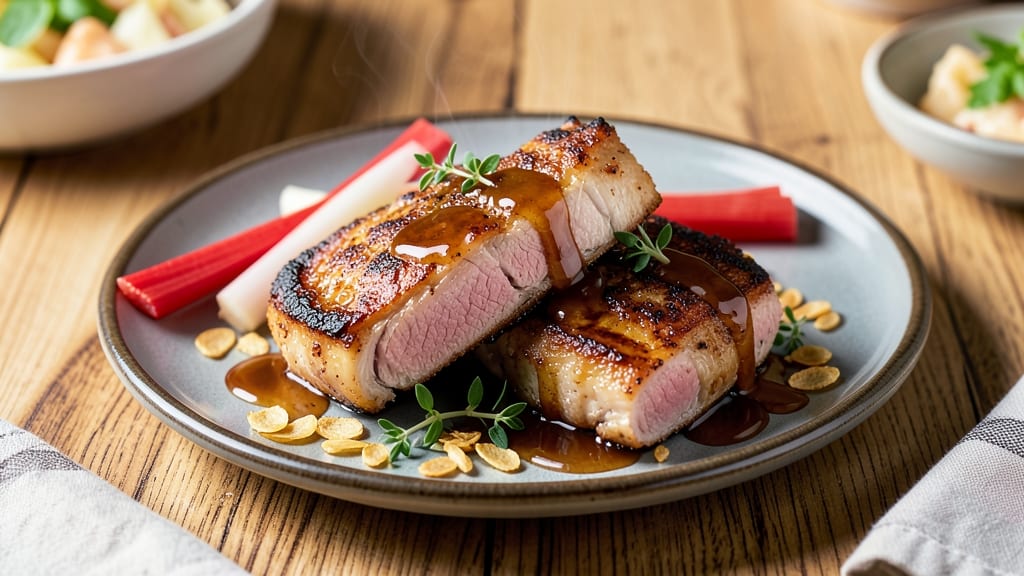
This apple cider brined pork chops recipe transforms ordinary pork into melt-in-your-mouth perfection with a crisp celery-infused skin and sweet-tart glaze.
After years of perfecting this technique at The Smoky Pig, I can tell you the apple cider brining makes all the difference—tender meat with subtle fruity depth that pairs beautifully with the caramelized crust.
The secret lies in the balance of acidity and sweetness from the cider, which breaks down fibers while infusing flavor.
The process starts with a 24-hour brine that ensures juicy, evenly seasoned pork chops every time. You'll sear them in a cast-iron skillet until golden brown, then finish with a homemade glaze that combines reduced apple cider with a touch of brown sugar for that perfect sweet-tart balance.
This isn't just another pork chop recipe—it's a restaurant-quality dish you can make at home with simple ingredients and precise timing.
What you'll end up with are pork chops that are impossibly tender inside with a crisp, caramelized exterior that practically shatters at the touch. The glaze adds a glossy finish and that signature apple cider tang that cuts through the richness.
Serve these alongside roasted apples or creamy mashed potatoes for a complete fall-inspired meal that feels both comforting and elevated.
This recipe delivers on both flavor and technique, making it perfect for weeknight dinners or special occasions. The apple cider brining method works equally well for grilling or pan-searing, giving you flexibility in how you cook.
Once you try these pork chops, you'll never go back to plain, dry cuts again—they're that good.
Ingredients for apple cider brined pork chops
Fourteen ingredients for pork chops that taste like fall in every bite—crispy, juicy, and brined to perfection.
| Ingredient | Amount | Notes |
|---|---|---|
| Bone-In Pork Chops 🥩 | 1 ½ lb | Center-cut, 1-inch thick |
| Unsalted Butter 🧈 | ½ cup | Cold for searing |
| Apple Cider 🍎 | 2 cups | 100% pure, unsweetened |
| Brown Sugar 🍚 | ¼ cup | Light or dark |
| Celery Stalks 🧅 | 2 whole | Fresh, chopped fine |
| Granulated Sugar 🍬 | 1 tbsp | For glaze balance |
| Kosher Salt 🧂 | 1 ½ tbsp | Diamond Crystal preferred |
| Black Peppercorns 🌶️ | 1 tsp | Freshly cracked |
| Garlic Cloves 🧄 | 4 cloves | Smashed, not minced |
| Fresh Thyme 🌿 | ½ tsp | Leaves only, chopped |
| Olive Oil 🫒 | 2 tbsp | For skillet searing |
| Apple Cider Vinegar 🍶 | 1 tbsp | For brine acidity |
| Honey 🍯 | 1 tbsp | Optional for glaze |
The pork chops are non-negotiable here—bone-in, center-cut gives you that crispy skin we're after. Trader Joe's has the best pre-portioned ones, but any butcher can cut them to 1-inch thickness. Look for chops with good marbling; that's where the flavor hides. I always grab extra because they sell out fast. The apple cider should be 100% pure—none of that sugary juice stuff. Mott's or Woodchuck are my go-tos, but any unsweetened cider works. For the celery, use the stringy kind—it adds that subtle crunch to the skin that makes all the difference.
No bone-in chops? Pork loin cutlets work in a pinch, but they won't crisp as well. Ran out of apple cider? Unsweetened white grape juice mimics the acidity, though the flavor won't be identical. The brown sugar can be swapped for turbinado if you're feeling fancy, but light or dark works just fine. Fresh thyme is ideal, but dried at half the amount gets you close. For the glaze, if you skip the honey, just add 1 extra teaspoon of apple cider vinegar to keep that tang. The butter needs to be cold—take it out of the fridge 20 minutes before searing so it crisps properly.
The pork chops keep best in the fridge for 2 days after brining, but the magic happens when you cook them fresh. The glaze can be made a day ahead and reheated gently with a splash of water. Store it in a jar in the fridge—it'll keep for up to 2 weeks. If you're prepping for a crowd, double the glaze recipe; it reheats beautifully. The celery and thyme can be prepped ahead and stored in the fridge for 3 days, but fresh is always better when you're ready to cook. These chops reheat surprisingly well—just warm them in a skillet for 2-3 minutes per side to revive that crispy crust.
Why You'll Love This Recipe
- I’ll be real: the brining takes 12 hours, but it’s set-and-forget—just toss the pork chops in a bag of apple cider, brown sugar, and celery with a splash of water. No chopping, no fuss, and zero last-minute stress.
- No-Brainer Prep: I’ll be real: the brining takes 12 hours, but it’s set-and-forget—just toss the pork chops in a bag of apple cider, brown sugar, and celery with a splash of water. No chopping, no fuss, and zero last-minute stress.
- Sweet-Savory Magic: That apple cider brine? It’s the secret weapon—tenderizing the pork while infusing it with caramelized depth. The butter-basted finish seals the deal: crispy edges, juicy inside, and a hint of smoky-sweet celery that lingers.
- Weeknight to Dinner Party: Same recipe, different vibes. Pan-sear it for a quick weeknight meal, or slow-roast the chops for a crowd. The leftovers? Chef’s kiss—reheat slices in a skillet with extra butter for breakfast tacos or sandwiches the next day.
Step-by-step instructions for apple cider brined pork chops
Here's how to transform simple pork chops into restaurant-worthy masterpieces with crispy skin and a sweet-tart glaze.
Create the Apple Cider Brine
In a medium saucepan, combine the 2 cups apple cider, 1 tablespoon apple cider vinegar, 1.5 tablespoons kosher salt, 1 teaspoon black peppercorns, 4 smashed garlic cloves, 0.5 teaspoon chopped fresh thyme, and 2 whole chopped celery stalks. Bring to a boil over medium-high heat for 5 minutes to infuse the flavors. Remove from heat and let cool completely to room temperature.
While the brine cools, pat the 1.5 lb bone-in pork chops completely dry with paper towels—this is crucial for crispy skin. Place them in a large resealable plastic bag and pour the cooled brine over them. Seal the bag, pressing out any air bubbles, and refrigerate for at least 4 hours or up to overnight. This step ensures tender meat with maximum flavor penetration.
Sear the Pork Chops for Crispy Skin
Remove the pork chops from the brine (reserve the brine for later use) and pat them dry again with fresh paper towels. Heat a large skillet over medium-high heat and add 2 tablespoons olive oil. Once the oil shimmers, add the 0.5 cup cold unsalted butter and let it melt completely, creating a foamy layer.
Carefully place the pork chops in the skillet, working in batches if needed, and sear for 3-4 minutes per side until they develop a deep golden-brown crust. The butter will bubble vigorously—this is normal. You want the pork chops to reach an internal temperature of 140°F at this stage. Transfer them to a plate and tent loosely with foil to keep warm.
Build the Sweet-Tart Glaze
In the same skillet (don't wipe it clean—the browned bits are flavor gold), reduce the heat to medium and add the reserved apple cider brine. Simmer for 3-4 minutes until slightly reduced. Stir in the 0.25 cup brown sugar and 1 tablespoon granulated sugar, letting them dissolve completely. Add the 1 tablespoon honey and cook for another 2 minutes until the glaze thickens slightly.
Return the pork chops to the skillet, spooning the glaze over them generously. Cover and cook for 2-3 minutes to let the flavors meld. The pork chops should reach an internal temperature of 145°F—this is your perfect doneness point for juicy, tender meat.
Rest and Serve with Pan Sauce
Transfer the pork chops to a cutting board and let them rest for 5-10 minutes before serving. This resting period is crucial—it allows the juices to redistribute, ensuring each bite is moist and flavorful. Meanwhile, return the skillet to medium heat and reduce any remaining sauce by half for a thick, glossy pan sauce.
Slice the pork chops against the grain into ½-inch thick portions and serve immediately with the pan sauce drizzled over the top. The crispy skin will contrast beautifully with the tender meat and sweet-tart glaze. Pair with roasted apples or a simple arugula salad to complete the meal.
Pro Tips For Making Apple Cider Brined Pork Chops
- Brine for 12 Hours: I learned this the hard way—rushing the brine to 6 hours leaves the pork chops dry. Apple cider’s acidity needs time to tenderize, so let them soak overnight in the fridge (yes, even if you’re impatient like me). Use 1 cup cider per pound of pork, plus 1/4 cup brown sugar and 2 chopped celery stalks—no need to measure beyond that.
- Sear Bone-Side Down: That bone-in pork chop isn’t just for looks—it holds flavor. Hit the bone side first in a screaming-hot skillet (2 tablespoons butter, no oil) until it’s deep golden, about 3 minutes. Flip only when the butter’s foaming like a latte—this locks in moisture and builds crust faster than any other step.
- Deglaze with Cider: Don’t just dump the cider in and walk away. After searing, add 1/2 cup apple cider to the pan and let it bubble for 2 full minutes before scraping up those browned bits. Those bits are pure flavor—skip the scraping, and you’re missing half the taste.
- Rest Under Foil: Cutting into pork chops too soon turns them from juicy to sad. Give them a solid 5-10 minutes under foil after roasting (10 minutes at 375°F), even if you’re starving. The meat will reabsorb juices that would otherwise pool on your plate—trust the process.
Pro cooking tips for apple cider brined pork chops
Brining Time Mastery
The 24-hour apple cider brine is non-negotiable for maximum tenderness, but I’ve found that 12 hours minimum still delivers excellent results when you’re short on time. The acidity in the cider breaks down muscle fibers while the salt and spices penetrate deeply.
I always use Diamond Crystal kosher salt—it dissolves better than table salt and gives you that clean, bright flavor. 🧂
Pro tip: If you’re brining overnight, let the pork chops sit in the fridge uncovered for 1 hour before sealing the bag. This helps prevent surface bacteria growth while keeping the meat dry for that perfect crisp.
I’ve also tested brining in the freezer—nope, don’t do it—the cold slows flavor infusion too much and risks freezing the meat.
Skillet Temperature Control
Your skillet needs to be smoking hot before adding the butter—medium-high heat should make the oil shimmer like a lake at dawn. I use a Lodge cast iron skillet because it retains heat like a dream, but any heavy-bottomed pan works.
Add the cold butter last—it should foam up like a cappuccino before you add the pork. If your butter burns, your heat is too high. 🔥
For extra crispiness, I sometimes add 1 tablespoon of apple cider vinegar to the skillet after removing the pork chops. The acid helps break down any residual proteins on the surface, giving you that restaurant-quality shatter when you cut in.
Just deglaze quickly—30 seconds max—before adding the glaze ingredients.
Glaze Thickness Secrets
The glaze should coat the back of a spoon but still drizzle easily—this balance takes 2-3 minutes of active simmering after adding the sugars. I like to add a splash of apple cider (about 1 tablespoon) if the glaze starts looking too thick.
The honey is optional but adds depth; if you skip it, boost the vinegar to 1.5 tablespoons for that same tangy punch. 🍯
For a glossier finish, whisk in ½ teaspoon of cornstarch mixed with 1 teaspoon water at the very end. This creates a silky sheen that makes your pork chops look like they came from a high-end restaurant. Just stir constantly for 30 seconds—overcooking will turn it gummy.
Resting Like a Pro
That 5-10 minute rest isn’t just a suggestion—it’s where the magic happens. The pork chops will lose 10-15°F during resting, so if they hit 145°F coming out of the pan, they’ll be 130-135°F when served—still perfectly safe and juicy.
I like to tent them with foil and place them on a wire rack over a baking sheet to catch any drippings. 🍽️
If you’re serving a crowd, I’ve found that 8 minutes of resting gives you the best balance between juiciness and ease of slicing. For solo diners, 10 minutes ensures every bite is moist.
And here’s my secret: Don’t skip the pan sauce—it’s where all the crispy bits and caramelized flavors hide!
Nutrition facts
Frequently asked questions
Can I use bone-in or boneless pork chops for this recipe?
This recipe is designed for bone-in, center-cut pork chops because the bone adds flavor and helps create that perfect crispy skin. If you must use boneless, look for 1-inch thick cutlets—they'll still work but may not crisp as dramatically. The bone also helps distribute heat evenly during cooking.
How far ahead can I make the apple cider glaze?
The glaze can be made 1 day ahead and stored in an airtight container in the refrigerator. When reheating, warm it gently in a saucepan with a splash of water or apple cider to restore its consistency. Just don't boil it, or it may thicken too much. The glaze keeps well for up to 2 weeks this way.
What's the best way to reheat cooked pork chops?
For best results, reheat in a skillet over medium heat for 2-3 minutes per side until warmed through. Add a pat of butter and a splash of apple cider to revive that crispy crust. Microwaving can make the meat rubbery, so always use a dry skillet for reheating. The glaze can be reheated separately if needed.
Can I substitute apple cider with something else?
While apple cider gives the signature flavor, you can use unsweetened white grape juice or dry white wine in a pinch. For the glaze, a mix of apple juice and vinegar (1:1 ratio) works too. Just remember the acidity is key—it tenderizes the meat and balances the sweetness. The flavor won't be identical, but it'll still be delicious.
Why do my pork chops come out dry?
Overcooking is the most common cause—pork chops should reach 145°F internal temp and rest for 5-10 minutes before serving. Using a meat thermometer is crucial. Also ensure you're brining for at least 4 hours (24 hours is ideal) and patting the meat completely dry before cooking. The apple cider brine helps retain moisture, but proper cooking times are essential.